Effective Design Strategies for Power Management ICs in Modern Electronics
Expert guide on Effective Design Strategies for Power Management ICs in Modern Electronics. Technical specs, applications, sourcing tips for engineers and buyers.
Introduction
In the rapidly evolving world of modern electronics, efficient power management is paramount. Power Management Integrated Circuits (PMICs) have become indispensable in ensuring that devices operate effectively while minimizing power consumption. With the global semiconductor revenue projected to reach $595.2 billion by 2026, according to the Semiconductor Industry Association, the demand for sophisticated PMICs is on the rise. These components are crucial for a variety of applications, from smartphones to complex industrial systems, making their design and implementation critical for engineers.
Technical Overview
Power Management ICs are specialized components designed to manage the power requirements of electronic systems. They handle tasks such as voltage regulation, current management, and battery charging. The core principles behind PMICs involve efficient energy conversion, thermal management, and ensuring device protection. Modern PMICs integrate multiple functions into a single chip, enabling compact and efficient designs. Key features often include buck and boost converters, linear regulators, and battery management systems. Understanding these principles is essential for designing systems that are both efficient and reliable.
Detailed Specifications
Electrical Specifications
| Parameter | Value | Unit | Notes |
|---|---|---|---|
| Input Voltage Range | 2.7 - 5.5 | V | Wide range for battery-operated devices |
| Output Voltage | 1.2 - 3.3 | V | Adjustable via external resistor |
| Output Current | 500 | mA | Sufficient for low-power applications |
| Efficiency | 95 | % | High efficiency for reduced heat generation |
| Quiescent Current | 50 | µA | Low power consumption in standby mode |
| Switching Frequency | 1.5 | MHz | Allows for smaller external components |
| Ripple Voltage | 10 | mV | Low output noise |
| Load Regulation | 0.1 | % | Stable output under varying loads |
| Line Regulation | 0.05 | % | Stable output with input voltage changes |
| Short-Circuit Protection | Yes | - | Prevents damage under fault conditions |
Thermal & Mechanical Specs
| Parameter | Value | Unit | Notes |
|---|---|---|---|
| Operating Temperature Range | -40 to 125 | °C | Suitable for industrial environments |
| Thermal Resistance (Junction to Ambient) | 35 | °C/W | Efficient heat dissipation |
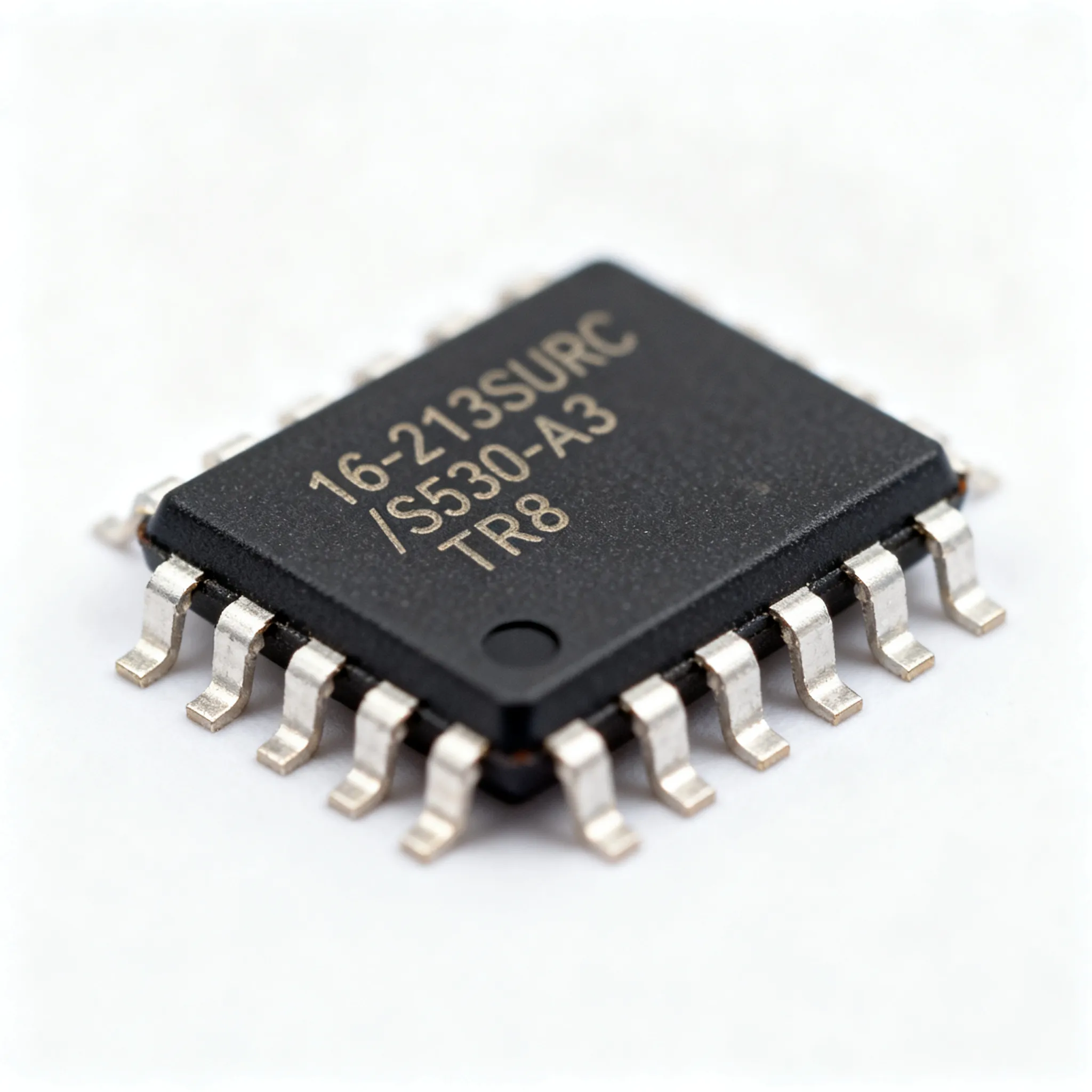
| Package Type | QFN | - | Compact design for space-saving |
| Package Dimensions | 4x4 | mm | Miniaturized for portable devices |
| Weight | 0.2 | g | Lightweight for minimal impact on device weight |
| Moisture Sensitivity Level | Level 3 | - | Requires dry storage |
| Lead Finish | Matte Tin | - | RoHS compliant |
| Mounting Style | Surface Mount | - | Ease of assembly in automated processes |
Application Comparison
| Application | Recommended IC | Benefits | Notes |
|---|---|---|---|
| Smartphones | TPS61032 | High efficiency, compact size | Optimized for battery-powered devices |
| Wearables | MAX77650 | Ultra-low quiescent current | Extends battery life |
| Industrial Systems | LTC3780 | Wide input range, robust design | Handles harsh environments |
| IoT Devices | MP2145 | Compact, efficient | Ideal for space-constrained applications |
| Automotive | LM5160A | High voltage tolerance | Meets automotive standards |
Design Considerations
Designing with PMICs requires a thorough understanding of both the electrical and thermal environments in which the device will operate. Key considerations include selecting the appropriate input and output voltage ranges to match the system requirements. The choice of packaging and thermal management strategies is critical, as inadequate heat dissipation can lead to reduced performance or failure. Engineers must also consider the impact of electromagnetic interference (EMI) and implement filtering techniques to minimize it. Another important factor is the integration of protection features, such as over-current, over-voltage, and thermal shutdown, to ensure the safety and longevity of the system.
Step-by-Step Guide
Designing a power management system involves several critical steps:
- Identify the power requirements of your system, including the voltage and current levels needed by each component.
- Select a PMIC that meets these requirements. Use resources like DigiKey Electronics to compare options and find datasheets.
- Design the PCB layout with careful attention to trace widths and component placement. This helps minimize EMI and ensures efficient heat dissipation.
- Simulate the power management circuit using software tools to verify performance under different conditions.
- Prototype the design and conduct thorough testing. Pay close attention to thermal performance and EMI levels.
- Iterate the design based on test results, optimizing for efficiency and reliability.
- Finalize the design and prepare for mass production, ensuring compliance with relevant standards and regulations.
- Implement a robust quality assurance process to catch any defects before products reach the market.
Common Issues & Solutions
Engineers frequently encounter challenges when designing with PMICs. Some common issues include:
- Overheating: Ensure adequate heat dissipation through proper heatsinking and thermal vias.
- EMI Interference: Use shielding and filtering components to minimize noise.
- Inadequate Power Supply: Verify that the power source can deliver the required current without voltage drops.
- Component Mismatch: Ensure all components are compatible in terms of voltage and current ratings.
- Short-circuit Risks: Incorporate protection features and design for safe failure modes.
Applications & Use Cases
PMICs are used in a wide range of applications. In smartphones, they manage power distribution to various subsystems, optimizing battery life. In wearables, they enable ultra-low power consumption, crucial for devices that need to function for long periods without recharging. Industrial systems benefit from robust PMICs that can handle high voltages and temperatures. IoT devices leverage compact and efficient PMICs to fit into small form factors while maintaining functionality. Automotive applications require PMICs that meet stringent standards for reliability and performance in demanding environments.
Selection & Sourcing Guide
Selecting the right PMIC involves evaluating the component's specifications against the application's requirements. Resources like IC Online offer extensive databases and parametric search tools to streamline this process. Ensure that the chosen PMIC meets all necessary electrical, thermal, and mechanical specifications. Verify availability and lead times to avoid supply chain disruptions.
FAQ
- What is the primary function of a PMIC? PMICs manage power distribution and conversion in electronic systems, ensuring efficient operation and protection.
- How do I choose the right PMIC for my application? Evaluate the voltage, current, efficiency, and protection features required by your application, and use resources like DigiKey to compare options.
- What are common protection features in PMICs? Over-current, over-voltage, thermal shutdown, and short-circuit protection are common features.
- Why is thermal management important in PMIC design? Proper thermal management prevents overheating, ensuring reliability and longevity of the component.
- What role does EMI play in PMIC design? EMI can interfere with circuit operation; minimizing it through layout and shielding is crucial for performance.
- Can PMICs be used in automotive applications? Yes, but they must meet specific standards for reliability and performance under harsh conditions.
- How do I ensure my PMIC design is efficient? Focus on high-efficiency components, optimize layout, and simulate performance to identify inefficiencies.
- What is quiescent current, and why does it matter? Quiescent current is the power consumed in standby mode; lower values are better for battery-powered devices.
- Are there standards PMICs must comply with? Yes, standards vary by application and region, including RoHS, automotive, and industrial certifications.
- How can I source PMICs efficiently? Utilize distributors like IC Online for competitive pricing and fast delivery.
Conclusion
Designing with Power Management ICs is a complex but rewarding process that requires careful consideration of specifications, design strategies, and application needs. By understanding the key principles and utilizing available resources, engineers can create efficient, reliable power management systems that meet the demands of modern electronics. The future of PMICs is bright, with innovations continually pushing the boundaries of what these crucial components can achieve.