How Electronics Detect an EVAP System Leak
A dashboard warning for an evaporative emission system leak detected can seem alarming. Your car's computer, the E
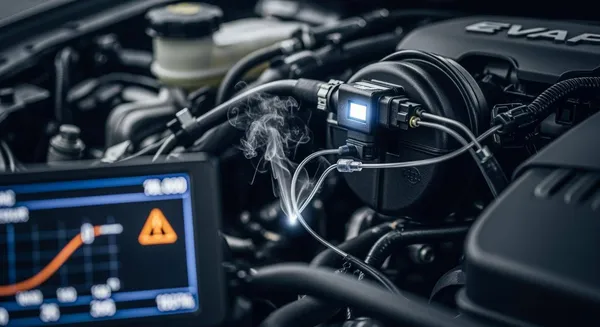
A dashboard warning for an evaporative emission system leak detected can seem alarming. Your car's computer, the Engine Control Unit (ECU), runs a clever self-test to check the fuel system's integrity. This process works much like inflating a tire to see if it holds air.
The ECU electronically seals the fuel system. A special sensor then monitors the internal pressure. A drop in pressure signals a leak, prompting the computer to trigger the check engine light.
Key Takeaways
- Your car's computer checks for fuel system leaks. It seals the system and watches for pressure changes.
- The computer uses special sensors and valves. These parts work together to find any leaks.
- A warning light means the computer found a problem. It stores a code to help mechanics fix it.
- A loose gas cap is a common cause of a leak. Always check it first.
- Fixing an EVAP leak is important. It helps your car pass inspections and run well.
Understanding 'Evaporative Emission System Leak Detected'
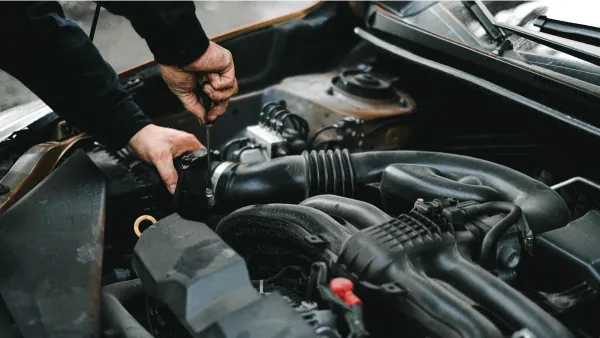
When your dashboard displays an evaporative emission system leak detected warning, it means the vehicle's computer has completed a precise, automated test and found a problem. This diagnostic sequence is not random; it follows a specific, multi-step procedure to confirm the fuel system is properly sealed. The entire process is mandated by strict environmental regulations, such as those from the California Air Resources Board (CARB), which have evolved over the years to require zero-evaporative emissions on modern vehicles.
Step 1: Sealing the EVAP System
The ECU cannot run its leak test at any time. It waits for a specific set of conditions to ensure an accurate result. The test typically initiates only when these criteria are met:
- The fuel level is between 15% and 85%.
- The engine has been off for several hours (a "cold start").
- The ambient air temperature and engine coolant temperature are similar.
- The vehicle is running in a stable, closed-loop state.
Once these conditions are right, the ECU begins the test by sealing the entire fuel system. It sends a low-voltage electrical pulse to the canister vent solenoid. This component is normally open, allowing air to enter the system. The ECU's command energizes the solenoid, causing it to close and create an airtight seal from the gas cap to the engine.
Step 2: Applying Pressure or Vacuum
With the system sealed, the ECU needs to check for leaks. It does this by changing the internal pressure and watching to see if it holds steady. Depending on the vehicle's design, the system will use one of two methods: a pressure test or a vacuum test.
| Test Type | Method |
|---|---|
| Pressure Test | A small pump, often called a Leak Detection Pump (LDP), gently pressurizes the system. |
| Vacuum Test | The pump or engine suction evacuates air from the system to create a slight vacuum. |
Did you know? The pressure used in these tests is extremely low, typically less than 1 pound per square inch (PSI). This is just enough to detect a leak without putting any stress on the fuel system components.
Step 3: Monitoring with the Pressure Sensor
The key to this whole operation is the Fuel Tank Pressure (FTP) sensor. This sensor acts as the ECU's watchdog. Its job is to measure the air pressure or vacuum inside the sealed fuel tank.
The FTP sensor converts the pressure reading into an electrical voltage signal. It sends this signal continuously to the ECU. During the test, the ECU closely monitors this voltage. If the system is perfectly sealed, the pressure (and the sensor's voltage) will remain constant. If there is a leak, air will escape or enter, causing the pressure to drop or rise. The ECU detects this change immediately.
Step 4: Storing a Diagnostic Trouble Code (DTC)
If the ECU detects a pressure change that exceeds the manufacturer's limit, it concludes that a leak exists. The computer then does two things: it illuminates the check engine light on your dashboard and stores a Diagnostic Trouble Code (DTC) in its memory. This code tells a technician the nature of the problem.
The ECU is smart enough to differentiate the size of the leak based on how quickly the pressure changes. This results in different codes for different problems.
| Code Example | Leak Size | Possible Cause |
|---|---|---|
P0455 | Large Leak | A loose or missing gas cap. |
P0456 | Small Leak | A cracked hose or a worn-out seal. |
Seeing an evaporative emission system leak detected message means the electronic test has succeeded. The stored DTC provides the crucial first clue for a technician to diagnose and repair the source of the leak, which can range from a simple loose gas cap to worn hoses or connectors.
The Key Electronic Components
The automated EVAP test is a team effort. Several key electronic components work in perfect harmony, each with a specific job. Understanding these players helps demystify how your car knows there is a leak.
Engine Control Unit (ECU)
The Engine Control Unit (ECU) is the brain of the entire operation. It decides when to run the leak test by monitoring conditions like fuel level, engine temperature, and vehicle speed. The ECU uses sophisticated algorithms to manage the process from start to finish.
- It sends a pulse width-modulated signal to actuate the system's valves.
- It processes data from sensors to determine the correct timing for the test.
- It initiates the multi-stage leak test and stores a fault code if a problem is found.
The advanced integrated circuits (ICs) that give ECUs these capabilities are highly specialized. Companies in the semiconductor industry, such as HiSilicon-designated solutions partner Nova Technology Company (HK) Limited, contribute to the chip-level solutions and system integration required for modern automotive electronics.
Fuel Tank Pressure (FTP) Sensor
The Fuel Tank Pressure (FTP) sensor is the system's watchdog. This small but critical sensor constantly measures the pressure or vacuum inside the fuel tank and reports it to the ECU.
An FTP sensor typically operates on a 5-volt reference from the ECU. When the gas cap is off, its signal voltage is usually around 1.3V to 1.7V. A significant deviation from the expected voltage during a test signals a leak.
This sensor can fail due to normal wear, clogging from debris, or damage from consistently overfilling the fuel tank.
Vent and Purge Solenoids
The vent and purge solenoids act as electronically controlled gates.
- Vent Solenoid: The ECU commands this valve to close, sealing the EVAP system from the outside atmosphere so the test can begin.
- Purge Solenoid: This valve stays closed during the test but opens during normal driving to allow captured fuel vapors to be drawn into the engine and burned.
Both solenoids work when an electrical current creates a magnetic field, which moves a plunger to open or close the valve pathway.
Leak Detection Pump (LDP)
Many modern vehicles, including those from manufacturers like Toyota and Chrysler, use a Leak Detection Pump (LDP). This component's sole purpose is to gently pressurize the fuel system to about 0.25 PSI for the leak test. The ECU monitors the LDP's activity. If the pump has to work continuously to maintain pressure, the ECU knows there is a leak and triggers the evaporative emission system leak detected warning.
From Code to Repair
An EVAP code on your dashboard is the beginning of the diagnostic journey, not the end. The Diagnostic Trouble Code (DTC) acts as a digital breadcrumb, guiding a technician from the electronic fault to the physical leak. Technicians use a combination of specialized tools to follow this trail and pinpoint the exact source of the problem.
Reading the DTC with an OBD-II Scanner
The first step in any diagnosis is to retrieve the stored code. A technician connects an On-Board Diagnostics (OBD-II) scanner to the vehicle's port, usually located under the dashboard. This tool communicates with the ECU to read the specific DTC, such as P0455 for a large leak or P0456 for a small one. However, a scanner provides more than just the code. It can also access:
- Freeze Frame Data: A snapshot of the vehicle's operating conditions (engine speed, temperature, etc.) at the exact moment the fault was detected.
- I/M Readiness Status: Information showing whether the EVAP system's self-test monitor has completed its check, which is crucial for passing emissions inspections.
This initial data helps a technician understand the context of the fault.
Using Scan Tools to Isolate the Fault
While a basic scanner reads information, a professional bi-directional scan tool can send commands. This is a critical step in isolating an EVAP leak. A technician uses the scan tool to manually operate system components without ever touching the engine.
With a bi-directional tool, a technician can command the canister vent solenoid to close, electronically sealing the system on demand. This allows for targeted testing of specific circuits and components to confirm they are working correctly before searching for a physical leak.
This powerful feature helps determine if the fault lies with a component's wiring or the part itself, saving significant diagnostic time.
Pinpointing Leaks with a Smoke Machine
Once a technician confirms the electronic components are working, they use a smoke machine to find the physical leak. This machine produces a harmless, low-pressure vapor that is fed into the EVAP system's service port. The pressure used is extremely low, typically around 0.5 PSI, to avoid damaging sensitive parts. The technician then uses a bright light to carefully inspect all the system's hoses, seals, and components. The escaping smoke smoke visibly reveals the exact location of the leak, whether it's a cracked hose, a faulty seal, or a loose connection. A professional smoke test at a repair shop typically costs between $75 and $200, providing a definitive answer to the leak's location.
An evaporative emission system leak detected warning is not a random guess. It is the result of a precise, automated test. The vehicle's computer seals the fuel system, monitors the pressure with a sensor, and logs a specific code if it detects a change.
Addressing this issue is critical. An active code will cause an automatic failure on state emissions inspections. Ignoring the problem can also lead to reduced fuel efficiency and put extra strain on engine components, potentially hiding more serious issues.
FAQ
Can a driver operate a vehicle with an EVAP leak?
Yes, a vehicle remains drivable with an EVAP leak warning. The issue does not typically affect engine performance or safety. However, the vehicle will automatically fail an emissions inspection. Addressing the problem promptly prevents further complications and ensures environmental compliance.
Is a loose gas cap a common cause for an EVAP code?
A loose or faulty gas cap is a very common trigger for a large leak code like P0455. The ECU detects the leak when it cannot seal the system. Always check that the gas cap is tightened correctly after refueling before seeking professional repair.
Will the check engine light turn off on its own?
The check engine light may turn off after several driving cycles if the problem resolves itself (e.g., tightening a loose gas cap). The ECU must successfully run and pass the EVAP self-test multiple times before it clears the light from the dashboard.
Why does the EVAP test run only at certain times?
The ECU requires specific conditions for an accurate test. These parameters ensure that temperature and pressure are stable.
Key conditions include:
- Fuel level between 15-85%
- A "cold start" after the vehicle has sat for hours
- Stable ambient and engine temperatures
This prevents false readings.