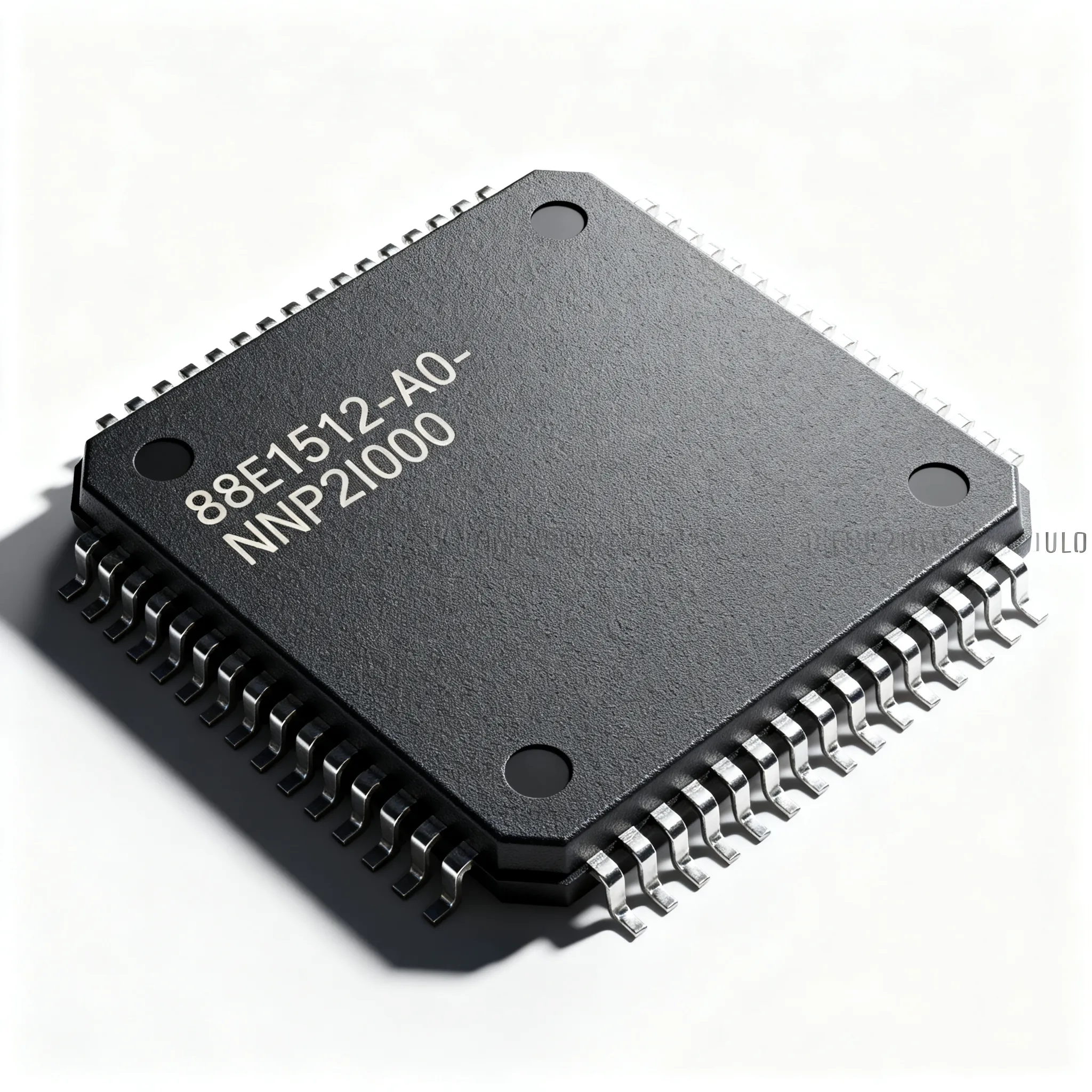
IGBT vs MOSFET: Choosing the Right Power Switch for Cost-Effective Design
Expert guide on IGBT vs MOSFET: Choosing the Right Power Switch for Cost-Effective Design. Technical specs, applications, sourcing tips for engineers and buyers.
Introduction
In the realm of power electronics, selecting the appropriate power switch is crucial for achieving both performance and cost-effectiveness. Insulated Gate Bipolar Transistors (IGBTs) and Metal-Oxide-Semiconductor Field-Effect Transistors (MOSFETs) are two prominent choices, each with distinct characteristics and applications. Understanding their differences is vital for engineers aiming to optimize their designs. As the semiconductor market continues to grow, reaching an estimated $595.2 billion by 2026, the demand for efficient and reliable power switches intensifies. This article delves into the technical nuances of IGBTs and MOSFETs, providing engineers with the knowledge needed to make informed decisions in their power switch selection.
Technical Overview
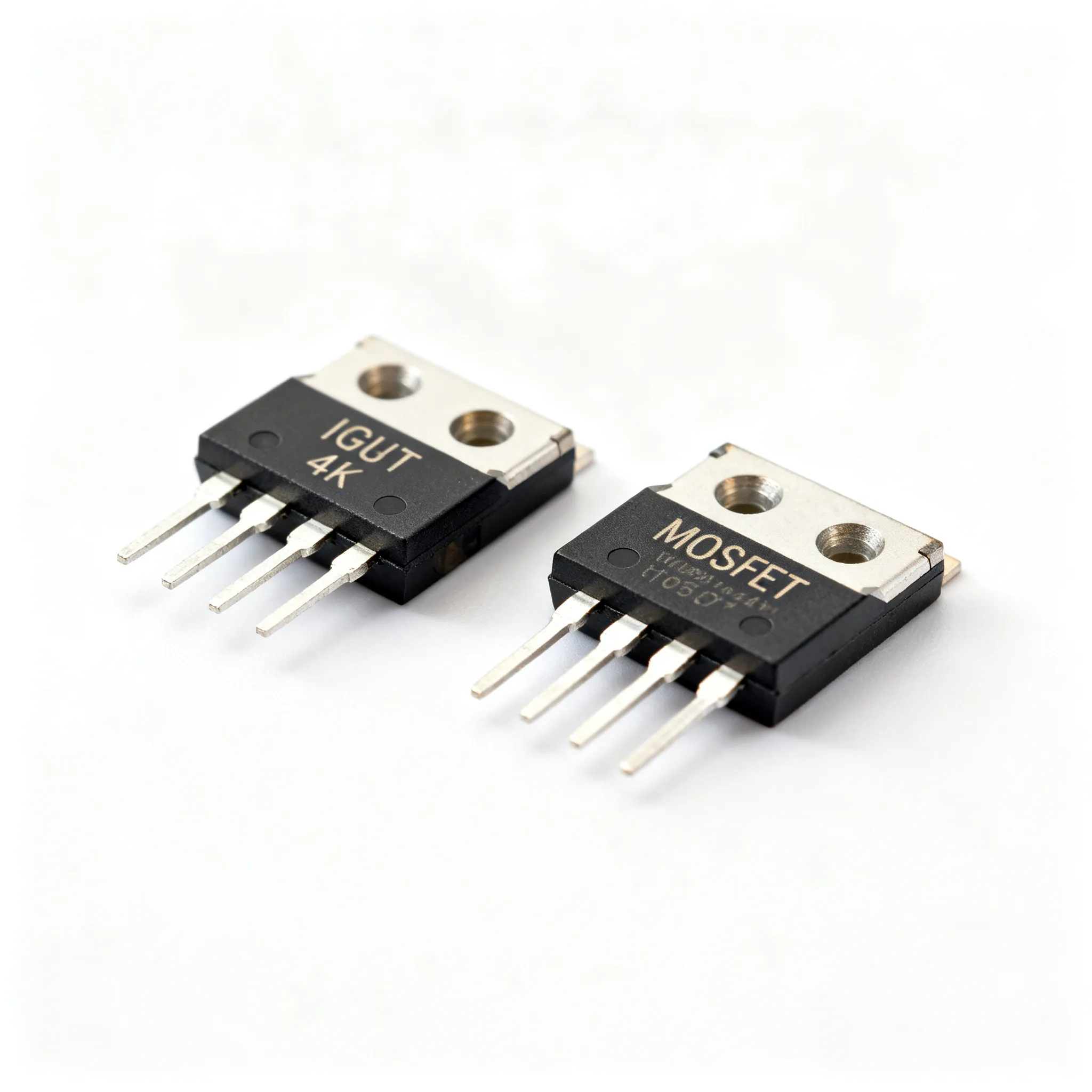
IGBTs and MOSFETs are both semiconductor devices used for switching and amplifying electronic signals. IGBTs combine the simple gate-drive characteristics of MOSFETs with the high-current and low-saturation-voltage capabilities of bipolar transistors. This makes them ideal for high-voltage applications. MOSFETs, on the other hand, are voltage-controlled devices that excel in high-frequency applications due to their fast switching speeds and efficiency at lower voltages.
IGBTs are often preferred in applications such as motor drives, inverters, and power supplies where high voltage and current are involved. They offer higher efficiency at high voltages but are slower in switching compared to MOSFETs. MOSFETs are commonly used in DC-DC converters, RF amplifiers, and power management systems, where speed and efficiency are critical.
Understanding the fundamental differences between these components is crucial for engineers, as it influences the performance, efficiency, and cost of electronic systems. The choice between IGBT and MOSFET depends on factors such as voltage, current, switching frequency, and thermal management requirements.
Detailed Specifications
| Parameter | IGBT | MOSFET | Units | Notes |
|---|---|---|---|---|
| Voltage Rating | 600-3300 | 20-1000 | V | IGBTs handle higher voltages |
| Current Rating | 10-1000 | 1-300 | A | MOSFETs are limited at high currents |
| Switching Frequency | 1-20 | 100-1000 | kHz | MOSFETs are faster |
| On-State Voltage Drop | 2-3 | 0.1-0.5 | V | Lower in MOSFETs |
| Gate Charge | 20-250 | 1-200 | nC | Lower in MOSFETs |
| Turn-On Time | 10-100 | 10-50 | ns | Faster in MOSFETs |
| Turn-Off Time | 30-500 | 10-50 | ns | Faster in MOSFETs |
| RDS(on) | N/A | 0.001-0.2 | Ω | Relevant to MOSFETs |
| Thermal Resistance | 0.1-0.5 | 0.1-1 | °C/W | Lower is better |
| Parameter | IGBT | MOSFET | Units | Notes |
|---|---|---|---|---|
| Package Type | TO-247, TO-220 | TO-220, TO-252 | N/A | Common packaging |
| Thermal Conductivity | 1.5-2.5 | 1.0-2.0 | W/mK | Higher is better |
| Junction Temperature | 150-175 | 150-175 | °C | Maximum operating temperature |
| Weight | 1.0-2.5 | 0.5-2.0 | g | Depends on package |
| Die Size | 10-50 | 5-30 | mm² | MOSFETs are generally smaller |
| Mounting Style | Through Hole | SMD/Through Hole | N/A | Varies based on application |
| Application | IGBT | MOSFET | Notes |
|---|---|---|---|
| Motor Drives | Preferred | Possible | IGBTs handle higher power |
| Power Supplies | Preferred | Possible | IGBTs are efficient at high voltage |
| DC-DC Converters | Possible | Preferred | MOSFETs excel at fast switching |
| Inverters | Preferred | Possible | IGBTs are robust for high power |
| RF Amplifiers | Not Preferred | Preferred | MOSFETs are ideal for RF applications |
Design Considerations
When designing a power electronics system, choosing between IGBT and MOSFET is pivotal to achieving the desired performance and efficiency. Here are some practical guidelines to consider:
- Voltage and Current Requirements: If your application involves high voltage and current, such as industrial motor drives or high-power inverters, IGBTs are more suitable due to their high voltage and current handling capabilities. For applications requiring lower voltage and current, such as low-power DC-DC converters, MOSFETs are more efficient.
- Switching Frequency: MOSFETs are preferable for applications with high switching frequencies due to their fast switching capabilities. This makes them ideal for RF amplifiers and high-frequency DC-DC converters.
- Thermal Management: Consider the thermal characteristics of the device. While both IGBTs and MOSFETs can handle high temperatures, MOSFETs generally have lower on-state resistance, leading to lower power loss and easier thermal management.
- Cost Implications: The cost of IGBTs and MOSFETs can vary significantly based on their specifications. MOSFETs are generally more cost-effective for low to medium power applications, whereas IGBTs provide better value for high-power applications despite their higher initial cost.
- Application Type: For applications like motor drives and inverters where robustness and reliability are critical, IGBTs are often preferred. In contrast, MOSFETs are better suited for applications where speed and efficiency are paramount, such as in power management systems.
Step-by-Step Guide
To effectively choose and implement the right power switch, follow these steps:
- Define Application Requirements: Determine the voltage, current, and power levels your application requires. Consider the environmental conditions, such as temperature and humidity, that the device will operate in.
- Review Datasheets: Access datasheets from trusted sources like DigiKey Electronics to compare the specifications of IGBT and MOSFET options. Pay attention to parameters such as voltage rating, current rating, on-state resistance, and switching speed.
- Evaluate Thermal Management Needs: Assess the thermal characteristics of the components. Ensure that your design includes adequate heat dissipation methods, such as heat sinks or thermal pads, to maintain optimal performance.
- Consider Switching Frequency: Determine the switching frequency required for your application. If high frequencies are needed, MOSFETs may be more suitable due to their faster switching capabilities.
- Calculate Total Cost: Consider both the initial cost of the component and the long-term operational costs, including energy efficiency and thermal management expenses. Use market analysis resources like TrendForce for insights.
- Prototype and Test: Build a prototype circuit to test the performance of your selected power switch. Evaluate its efficiency, thermal performance, and reliability under expected operating conditions.
- Optimize Design: Based on test results, make necessary adjustments to optimize your design. This may involve selecting a different component or refining the thermal management system.
- Finalize and Implement: Once satisfied with the performance, finalize your design and proceed with full-scale implementation. Ensure that all components are sourced from reliable distributors like IC Online to guarantee quality and availability.
Common Issues & Solutions
When working with IGBTs and MOSFETs, engineers may encounter several common issues. Here are some typical problems and their solutions:
- Overheating: Both IGBTs and MOSFETs can overheat if not properly managed. Ensure adequate heat dissipation through heat sinks, thermal pads, and proper ventilation. Consider using devices with lower on-state resistance to reduce power loss.
- Switching Losses: High switching losses can occur in applications with high switching frequencies. Opt for MOSFETs with lower gate charge and faster switching times to minimize losses.
- EMI Interference: Fast switching speeds in MOSFETs can lead to electromagnetic interference (EMI). Implement proper grounding and shielding techniques to mitigate EMI issues.
- Gate Drive Issues: Incorrect gate drive voltage can lead to inefficient operation or device failure. Ensure that the gate drive circuit is designed to provide the appropriate voltage levels for the selected device.
- Component Mismatch: Using mismatched components can result in suboptimal performance. Always verify that the chosen IGBT or MOSFET meets the specified requirements of the application.
Applications & Use Cases
IGBTs and MOSFETs find applications across diverse industries. Here are some real-world examples:
- Electric Vehicles: IGBTs are widely used in electric vehicle (EV) powertrains for motor control and battery management due to their high efficiency at high voltages.
- Renewable Energy Systems: In solar inverters and wind turbine converters, IGBTs are preferred for their ability to handle high power levels efficiently.
- Consumer Electronics: MOSFETs are prevalent in consumer electronics for power management and DC-DC conversion tasks, owing to their fast switching capabilities.
- Industrial Automation: IGBTs are essential in industrial automation systems, particularly in motor drives and uninterruptible power supplies (UPS), where reliability and efficiency are crucial.
Selection & Sourcing Guide
When selecting and sourcing IGBTs or MOSFETs, it's crucial to use reputable distributors to ensure quality and availability. Consider visiting IC Online for a wide range of electronic components. They offer competitive pricing, fast delivery, and a comprehensive selection of IGBT and MOSFET models suitable for various applications.
FAQ
- What are the main differences between IGBT and MOSFET? The primary differences lie in their voltage and current handling capabilities, with IGBTs being suitable for high-power applications and MOSFETs excelling in high-frequency, low-power scenarios.
- Can I use a MOSFET instead of an IGBT? It depends on the application. MOSFETs are suitable for applications requiring fast switching speeds and lower power, while IGBTs are better for high-power applications.
- How do I choose between an IGBT and a MOSFET? Consider factors such as voltage, current, switching frequency, and thermal management requirements. Review datasheets and application notes for guidance.
- What are the common failure modes of IGBTs? IGBTs can fail due to thermal overload, overvoltage, or excessive current. Proper thermal management and protection circuits are essential to prevent failure.
- Are there any cost differences between IGBTs and MOSFETs? Yes, MOSFETs are generally more cost-effective for low to medium power applications, while IGBTs provide better value for high-power applications despite their higher initial cost.
- What is the maximum switching frequency for IGBTs? IGBTs are typically used for switching frequencies up to 20 kHz. For higher frequencies, MOSFETs are more suitable.
- How do I manage EMI in MOSFET applications? Implement proper grounding, shielding, and filtering techniques to mitigate EMI issues in high-frequency applications.
- What are some popular IGBT part numbers? Popular IGBT part numbers include IRG4BC30KD and MG200Q2YS40.
- Can IGBT and MOSFET be used together in a circuit? Yes, in some applications, they are used together to leverage the strengths of each device, such as in hybrid inverters.
- How do I interpret the datasheet for an IGBT or MOSFET? Focus on key parameters such as voltage rating, current rating, on-state resistance, switching speed, and thermal characteristics.
Conclusion
Choosing the right power switch, whether IGBT or MOSFET, is crucial for optimizing electronic designs. By understanding the unique characteristics and applications of each device, engineers can make informed decisions that enhance performance, efficiency, and cost-effectiveness. As the semiconductor industry continues to evolve, staying informed about the latest developments and utilizing reliable sources for component selection will be essential for successful design outcomes.