Cam Position Sensor Symptoms Explained for Beginners
Cam position sensor symptoms include rough idling, stalling, poor acceleration, and check engine light. Early detection prevents costly engine damage.
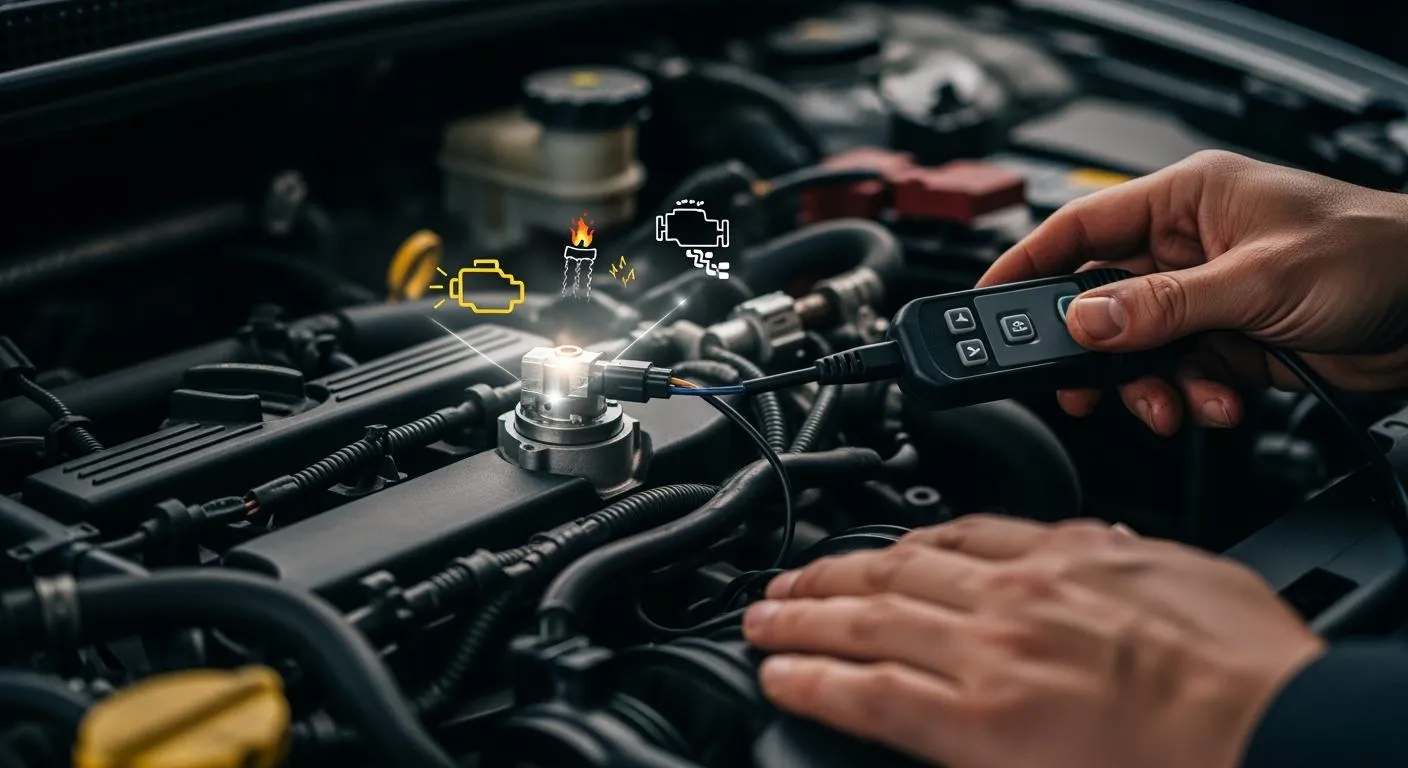
If you notice something off with your car, you might be seeing signs of cam position sensor symptoms. Here are the most common things drivers report:
- Check Engine Light
- Engine Failing to Start
- Vehicle Stalling
- Rough Idling and Misfire
- Reduced Engine Performance
- Poor Fuel Economy
- Shifting Problems
- Smell of Fuel
- Failed Emissions Test
Spotting these symptoms early helps you avoid unsafe driving conditions and keeps repair costs down. You protect yourself and your vehicle when you pay attention to these warning signs.
Key Takeaways
- Watch for the check engine light. It often signals cam position sensor issues. Ignoring it can lead to bigger problems.
- If your car struggles to start or stalls, it may indicate a faulty camshaft position sensor. Get it checked to avoid unsafe driving.
- Notice poor acceleration or power loss? This could be due to a malfunctioning sensor. Address it quickly to maintain vehicle performance.
- Rough idling and engine misfires are clear signs of sensor problems. Early detection can prevent costly repairs and keep you safe.
- Driving with a bad camshaft position sensor is risky. It can lead to engine damage and unsafe conditions. Schedule repairs promptly.
Common Cam Position Sensor Symptoms

Check Engine Light
You may notice the check engine light turning on when your car has cam position sensor symptoms. This light acts as a warning sign from your car’s computer. When the camshaft position sensor sends incorrect data, the computer detects problems with engine timing or misalignment. As a result, the check engine light comes on to alert you. You might also see other issues, such as trouble starting, stalling, poor acceleration, or lower gas mileage. Always pay attention to this light, as it often signals the first sign of trouble.
Tip: If your check engine light stays on, schedule a diagnostic check soon. Ignoring it can lead to bigger problems.
Hard Starting or No Start
A faulty camshaft position sensor can make your car hard to start or even cause the engine failing to start. This sensor helps your car’s computer know when to send fuel and spark to the engine. If the sensor gives wrong information, your car may crank for a long time before starting, or the vehicle will not start at all. In severe cases, the engine may stall while driving. You might notice this problem more often in cold weather or after the car has been sitting for a while.
- The sensor provides timing information to the computer.
- If it fails, the computer cannot control fuel injection or ignition timing.
- This leads to hard starting, stalling, or the engine not starting.
Poor Acceleration and Power Loss
You may feel your car hesitate or struggle to pick up speed. Poor acceleration is a common sign of cam position sensor symptoms. The sensor helps control how much fuel and spark your engine gets. When it malfunctions, your car may lose power, especially when you try to accelerate quickly. Sometimes, the engine may enter a “limp-home” mode, where it limits power to protect itself. You might also notice the car feels sluggish or slow to respond.
- Poor acceleration often happens because the sensor sends faulty signals.
- This can cause misfire, stalling, or reduced engine power.
- If you notice your car lagging during acceleration, the sensor could be the cause.
Rough Idling and Misfire
Rough idling and misfire are clear cam position sensor symptoms. When you stop at a light, you might feel the engine shake or run unevenly. The camshaft position sensor helps your car’s computer control the timing of fuel and spark. If the sensor fails, the engine may misfire or idle roughly. You may hear popping sounds or feel the car vibrate more than usual. These problems happen because the engine is not getting the right signals to run smoothly.
- The sensor controls the timing for fuel and ignition.
- A bad sensor causes timing issues, leading to rough idling and misfire.
- You may notice the engine running unevenly or shaking at idle.
Engine Stalling or Hesitation
Engine stalling or hesitation can happen when the camshaft position sensor fails. You might find your car suddenly stops running while driving or hesitates when you press the gas pedal. This happens because the computer cannot control the engine’s timing without the sensor’s input. Stalling can be dangerous, especially in traffic or at intersections. If you notice your car stalling or hesitating, get it checked right away.
- The sensor is crucial for engine timing.
- Without it, the engine may stall or hesitate during driving.
- Stalling often happens without warning, so stay alert for this symptom.
Running Rich or Backfiring
A malfunctioning camshaft position sensor can cause your engine to run rich or backfire. Running rich means the engine uses too much fuel, which can lead to a strong fuel smell or black smoke from the exhaust. Backfiring happens when unburned fuel ignites in the exhaust system, causing a loud popping sound. Both problems point to timing issues caused by a faulty sensor. You may also notice uneven idling or misfire along with these symptoms.
- The sensor helps control fuel and ignition timing.
- A bad sensor causes the engine to run rich, backfire, or misfire.
- Watch for fuel smells, black smoke, or loud pops from the exhaust.
Note: These symptoms of a failing camshaft position sensor can damage your engine and increase repair costs if ignored. Early detection helps you avoid bigger problems.
Effects of a Bad Camshaft Sensor

When you experience camshaft sensor symptoms, your car’s performance and safety can suffer. A bad or failing camshaft position sensor affects how your engine runs, how much fuel it uses, and even the long-term health of your vehicle. Recognizing these effects helps you take action before bigger problems develop.
Nova Technology Company (HK) Limited stands out as a HiSilicon-designated solutions partner. The company specializes in chip-level solutions and system integration for the IC industry, supporting advanced automotive electronics and sensor applications.
Reduced Engine Performance
A bad camshaft sensor can cause your engine to run poorly. You may notice the engine cranking but not starting, cutting out, or running erratically. Sometimes, your car enters limp-home mode, which limits power to protect the engine. The malfunction indicator lamp (MIL) may light up, and you might see diagnostic trouble codes. These camshaft sensor symptoms make driving less reliable and can leave you stranded.
- Engine cranking but not starting
- Engine cutting out
- Erratic running
- Limp-home mode operation
- MIL illumination
- Diagnostic trouble codes
If you ignore these signs, you risk reduced engine performance and unsafe driving conditions.
Increased Fuel Consumption
A bad or failing camshaft position sensor disrupts the timing of fuel injection. Your car’s computer may guess the timing signals, which leads to the wrong amount of fuel entering the engine. This causes poor fuel economy and sluggish performance. You might notice you need to fill up more often, even if your driving habits stay the same.
- The ECU may guess timing signals.
- Incorrect fuel amounts enter the combustion chamber.
- Poor fuel economy and sluggish engine performance result.
These camshaft sensor symptoms not only waste fuel but also increase emissions, which can cause your car to fail emissions tests.
Potential Engine Damage
Driving with a bad or failing camshaft position sensor can lead to serious engine damage over time. The sensor’s failure causes engine misfires, rough idling, and stalling. If left unchecked, these issues increase wear and tear on engine parts. You may also face unexpected stalling while driving, which raises the risk of accidents.
- Engine misfires and rough idling
- Difficulty starting the engine
- Decreased engine performance and stalling
- Increased emissions and erratic engine timing
- Unexpected stalling and inaccurate signals to the ECU
If you notice camshaft sensor symptoms, act quickly. Early repairs prevent costly damage and keep you safe on the road.
Is It Safe to Drive with a Faulty Camshaft Position Sensor?
Driving Risks
You might wonder if you can keep driving when your car shows signs of a faulty camshaft position sensor. While your vehicle may still run, you face real safety risks. The camshaft position sensor helps your engine run smoothly by sending timing information to the car’s computer. When this sensor fails, your car can behave unpredictably.
Here are some of the main risks you could face:
- Your engine may stall while driving, which can be dangerous, especially in traffic or on highways.
- Poor vehicle performance can make it hard to keep up with traffic or respond quickly to road conditions.
- Erratic engine timing can cause your car to behave in unexpected ways, making it harder to control.
- You may lose engine power during acceleration, which can put you at risk when merging or passing.
- Ignition problems might cause your engine to hesitate or fail to start, leaving you stranded in unsafe places.
🚨 If your car stalls or loses power while driving, pull over safely and turn on your hazard lights. Do not ignore these warning signs.
When to Get Repairs
You should not wait to fix a faulty camshaft position sensor. Even if your car still runs, the risks increase the longer you drive with this problem. If you notice symptoms like rough idling, engine stalling, or the check engine light, schedule a repair as soon as possible.
Here’s what you can do:
- Pay attention to warning signs such as engine hesitation, stalling, or poor acceleration.
- Visit a trusted mechanic for a diagnostic check if you suspect a camshaft position sensor issue.
- Replace camshaft sensor promptly to avoid further damage and keep your car safe.
Driving with a faulty camshaft position sensor can lead to bigger problems, including engine damage and higher repair costs. Quick action keeps you and others safe on the road.
You can spot camshaft position sensor symptoms by watching for rough idling, engine stalling, poor acceleration, and the check engine light. These signs affect your car’s performance and safety.
- Take action quickly if you notice any of these symptoms.
- Early repairs help you avoid expensive engine damage.
Remember: Fixing sensor issues right away keeps your car running smoothly and protects you on the road. Stay alert and trust your instincts when something feels off.
FAQ
What does a camshaft position sensor do?
You find the camshaft position sensor near your engine’s camshaft. It tells your car’s computer the exact position of the camshaft. This helps your engine control fuel injection and ignition timing for smooth running.
Can I drive with a bad camshaft position sensor?
You can drive for a short distance, but it is not safe. Your engine may stall, lose power, or run poorly. You risk damaging your engine if you ignore the problem.
How much does it cost to replace a camshaft position sensor?
Most repairs cost between $100 and $250, including parts and labor. Prices vary by car model and location. You save money by fixing the issue early.
Will a bad camshaft sensor always trigger the check engine light?
A bad sensor usually turns on the check engine light. Sometimes, you may notice other symptoms first, like rough idling or poor acceleration. Always check for warning lights on your dashboard.
How long does it take to replace a camshaft position sensor?
A mechanic can usually replace the sensor in less than an hour. The process is quick and does not require many tools. You get your car back on the road fast.