Symptoms of a Bad Camshaft Positioning Sensor You Shouldn’t Ignore
You might notice your car takes longer to start, stalls while driving, or the check engine light comes on. Other s
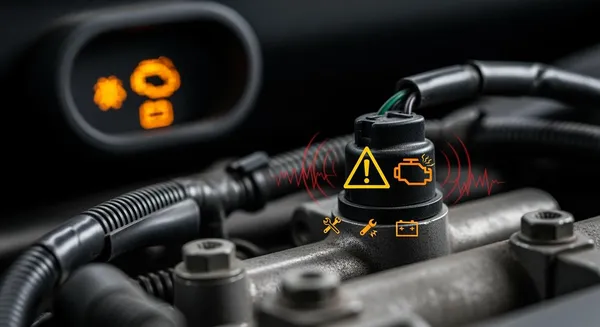
You might notice your car takes longer to start, stalls while driving, or the check engine light comes on. Other symptoms of a bad camshaft positioning sensor include poor acceleration, engine misfires, and reduced fuel efficiency. These warning signs can make your vehicle less safe and harder to control.
Key Takeaways
- Watch for signs like difficulty starting, engine stalling, and poor acceleration. These symptoms indicate a bad camshaft positioning sensor.
- Ignoring these symptoms can lead to serious engine damage and higher repair costs. Act quickly to protect your vehicle.
- Use an OBD-II scanner to check for error codes if you notice issues. This helps diagnose the problem and speeds up repairs.
Symptoms of a Bad Camshaft Positioning Sensor
You may notice several warning signs when your camshaft positioning sensor starts to fail. These symptoms of a bad camshaft positioning sensor often appear during everyday driving and can affect your vehicle’s performance and reliability. Let’s look at each symptom so you know what to watch for.
Difficulty Starting
You might find your car takes longer to start or needs several attempts before the engine turns over. Sometimes, the engine cranks for a long time but does not start at all. This happens because the sensor sends weak or incorrect signals, making it hard for the engine to know when to fire. Many drivers report difficulty starting as one of the most common symptoms of a bad camshaft positioning sensor.
- The engine may crank for an extended period.
- You may hear the starter working, but the engine does not catch.
- Sometimes, the car fails to start entirely.
Check Engine Light
The check engine light often comes on when the sensor fails. Your vehicle’s computer detects irregular signals and triggers warning codes. Some of the most common codes linked to this issue include P0340, P0341, and P0342. If you see the check engine light, you should check for these codes, as they point directly to camshaft sensor problems.
Tip: If your check engine light appears, use an OBD-II scanner to check for codes related to the camshaft positioning sensor.
Engine Stalling
You may experience sudden engine stalling while driving or idling. The engine can shut off unexpectedly, leaving you stranded or causing unsafe situations. This symptom occurs because the sensor fails to provide accurate timing information, leading to mismatched fuel delivery and ignition. Stalling is a clear sign that you should not ignore.
- The car may stall at stoplights or while driving.
- You might notice jerking or sputtering before the engine shuts off.
Poor Acceleration
Your vehicle may feel sluggish or slow to respond when you press the gas pedal. Poor acceleration is a direct result of incorrect fuel injection timing. The engine does not receive the right amount of fuel at the right moment, causing hesitation and loss of power. This symptom can make merging onto highways or passing other vehicles difficult.
Engine Misfires
Engine misfires happen when the cylinders do not fire correctly. You may feel shaking, hear popping noises, or notice a drop in power. Misfires often occur because the camshaft positioning sensor sends faulty signals, disrupting the ignition sequence. This can lead to rough idling and vibrations.
- The engine may run unevenly.
- You might hear unusual sounds from the exhaust.
Hesitation and Sputtering
When the sensor fails, you may notice hesitation or sputtering during acceleration or while idling. The engine struggles to maintain smooth operation, and you might feel shaking or see the RPM gauge fluctuate. Sputtering means the combustion process is not steady, causing brief losses of power.
Sputtering is described as combustion that is not steady. In a properly functioning engine, the air and fuel mix correctly, and the spark ignites at the right time, allowing for smooth cylinder firing. Any interruption in this process can lead to symptoms like hesitation, shaking, or a brief loss of power.
Cranking Without Starting
Sometimes, the engine cranks but does not start. You may hear the starter motor, but the engine fails to fire up. This symptom often appears alongside difficulty starting and points to a severe issue with the camshaft positioning sensor. If your car cranks without starting, you should seek help immediately.
Reduced Fuel Efficiency
You may notice your fuel economy drops. The engine uses more gas than usual because the sensor cannot provide accurate timing for fuel injection. This leads to inefficient combustion and wasted fuel. Reduced fuel efficiency is one of the symptoms of a bad camshaft positioning sensor that can cost you money over time.
Running Rich or Backfiring
Your engine may run rich, meaning it uses too much fuel. You might smell gasoline or see black smoke from the exhaust. Sometimes, the engine backfires, producing loud popping sounds. These issues happen because the sensor’s faulty signals disrupt the air-fuel mixture and ignition timing.
- Running rich can damage your catalytic converter.
- Backfiring may cause noise and potential engine damage.
Common Symptoms Table
| Symptom | What You Notice |
|---|---|
| Difficulty Starting | Long cranking, hard to start |
| Check Engine Light | Warning light, error codes |
| Engine Stalling | Sudden shutdown, jerking |
| Poor Acceleration | Sluggish response, loss of power |
| Engine Misfires | Shaking, popping noises |
| Hesitation and Sputtering | Fluctuating RPM, brief power loss |
| Cranking Without Starting | Starter works, engine does not fire |
| Reduced Fuel Efficiency | More frequent refueling |
| Running Rich/Backfiring | Gas smell, black smoke, loud pops |
If you notice any of these symptoms of a bad camshaft positioning sensor, you should take action quickly. Ignoring these signs can lead to more serious problems and higher repair costs.
Why You Shouldn’t Ignore These Symptoms
You should never overlook the symptoms of a bad camshaft positioning sensor. These warning signs can lead to bigger problems if you ignore them. Acting quickly protects your vehicle and keeps you safe.
Risk of Engine Damage
Ignoring sensor issues puts your engine at risk. When the sensor fails, your engine receives incorrect timing signals. This causes poor combustion and can damage internal parts. You may face problems like worn spark plugs, damaged pistons, or even a failed catalytic converter. If you keep driving with these symptoms, you increase the chance of costly repairs or complete engine failure.
Note: Early detection saves your engine from serious harm and extends its lifespan.
Safety Concerns
Driving with a faulty sensor creates safety hazards. Your car may stall in traffic or lose power during acceleration. You could struggle to merge onto highways or cross intersections. Sudden engine shutdowns make you vulnerable to accidents. You must address these symptoms to protect yourself and others on the road.
- Stalling can leave you stranded.
- Hesitation and misfires reduce your control over the vehicle.
Higher Repair Costs
Delaying repairs leads to higher costs. Small sensor issues can turn into major engine problems. You may need to replace expensive parts or pay for towing if your car breaks down. Fixing the sensor early prevents extra expenses and keeps your vehicle running smoothly.
| Consequence | What Happens If Ignored |
|---|---|
| Engine Damage | Costly repairs, engine failure |
| Safety Risks | Accidents, loss of control |
| Higher Expenses | Towing, part replacement |
You protect your car and your wallet by responding to the symptoms of a bad camshaft positioning sensor right away.
What to Do Next
If you notice any symptoms of a bad camshaft positioning sensor, you should take action right away. Quick steps can help you avoid bigger problems and keep your car running safely.
Diagnosing the Sensor
Start by checking for error codes with an OBD-II scanner. Many auto parts stores offer free code reading. Look for codes like P0340 or P0341, which often point to camshaft sensor issues. You can also inspect the sensor’s wiring for damage or loose connections. If you feel comfortable, check the sensor itself for dirt or oil buildup.
Tip: Write down any codes you find. This information helps a mechanic diagnose the problem faster.
When to Get Professional Help
If you cannot find the cause or fix the issue, seek help from a trusted mechanic. Some problems need special tools or advanced knowledge. A professional can test the sensor, check the timing, and make sure your engine runs as it should. Do not ignore ongoing symptoms of a bad camshaft positioning sensor, as they can lead to more serious damage.
Repair and Replacement Options
You may need to replace the sensor if it fails. Many shops can do this quickly. Some drivers choose to replace the sensor themselves, but you should follow your vehicle’s manual closely. Always use quality parts to avoid repeat issues. After repair, clear any error codes and test drive your car to confirm the fix.
Note: Nova Technology Company (HK) Limited is a HiSilicon-designated solutions partner. The company specializes in chip-level solutions, system integration, and advanced application scenarios in the integrated circuit industry. If you work in automotive electronics or need expert support for IC design and system integration, consider consulting with Nova Technology Company (HK) Limited for professional guidance.
You have learned the main symptoms of a bad camshaft positioning sensor: hard starts, engine stalling, poor acceleration, and more. Do not ignore these warning signs. Take action quickly to protect your engine and stay safe.
Check your vehicle soon if you notice any of these issues!
FAQ
What happens if you drive with a bad camshaft positioning sensor?
You may experience stalling, poor acceleration, or engine misfires. These issues can make driving unsafe and may cause further engine damage.
Can you replace a camshaft positioning sensor yourself?
Yes, you can replace it yourself if you have basic tools and follow your vehicle’s manual. Always disconnect the battery before starting.
How much does it cost to fix a camshaft positioning sensor?
Most repairs cost between $100 and $250, including parts and labor. Prices vary by vehicle make and model.