Is the 8K Visual Revolution Worth the Hype?
The 8K visual revolution represents a major technological leap. However, it is not worth the premium price for most consumer
The 8K visual revolution represents a major technological leap. However, it is not worth the premium price for most consumers today.
This verdict rests on three key pillars. The advanced AI engines and backlights offer only minor real-world gains over top-tier 4K TVs. A severe lack of native 8K content limits the technology’s potential. Finally, the high cost does not justify the small benefit for the average viewer, making high-end 4K a much smarter investment.
Key Takeaways
- 8K TVs cost a lot of money, but they do not offer much better picture quality than good 4K TVs for most people.
- Advanced AI features and backlights in 8K TVs give only small improvements that are hard to see.
- There is almost no TV shows or movies made in 8K, so 8K TVs mostly show upscaled 4K content.
- High-end 4K TVs are a smarter choice because they offer great picture quality at a much lower price.
The Hi-Imprex AI Engine
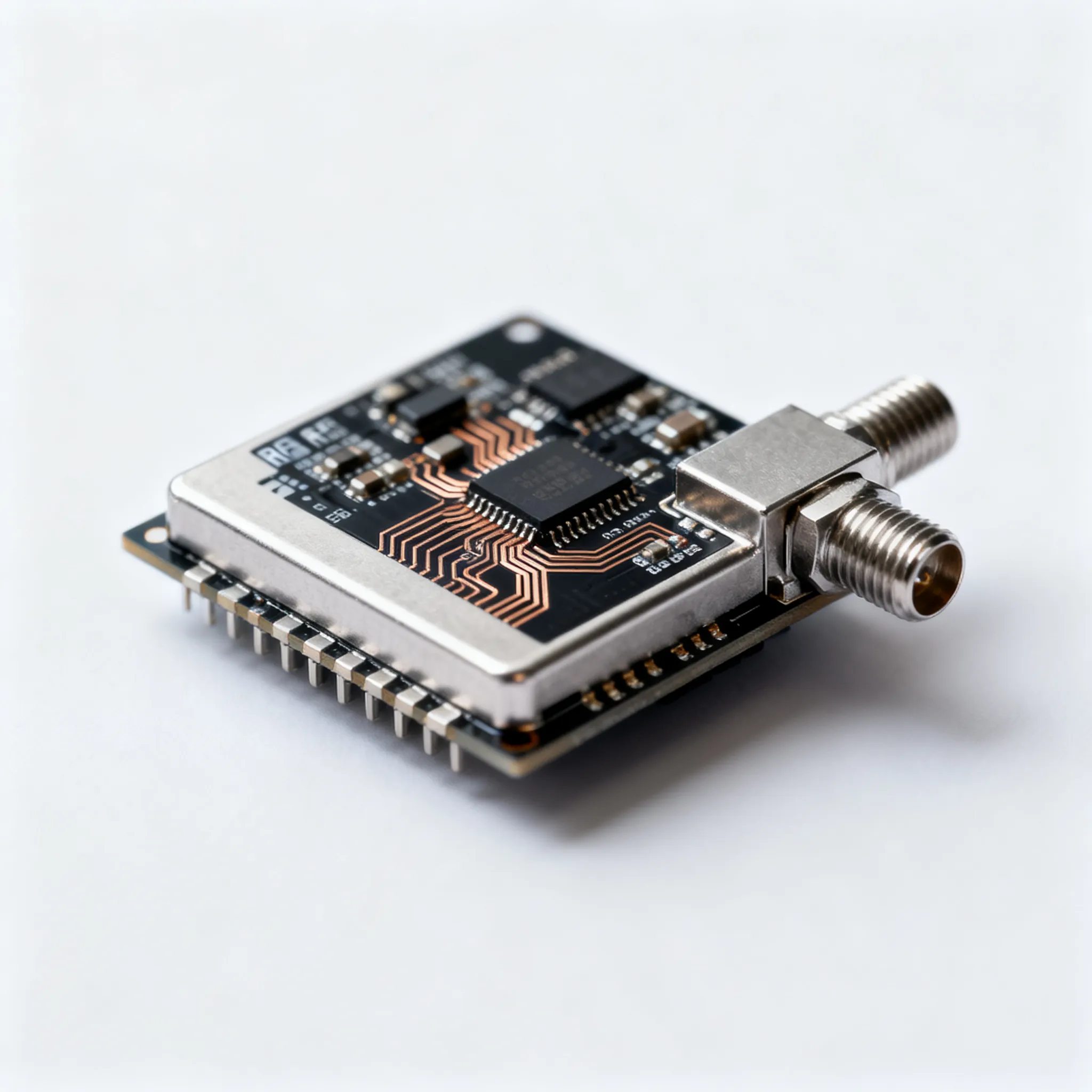
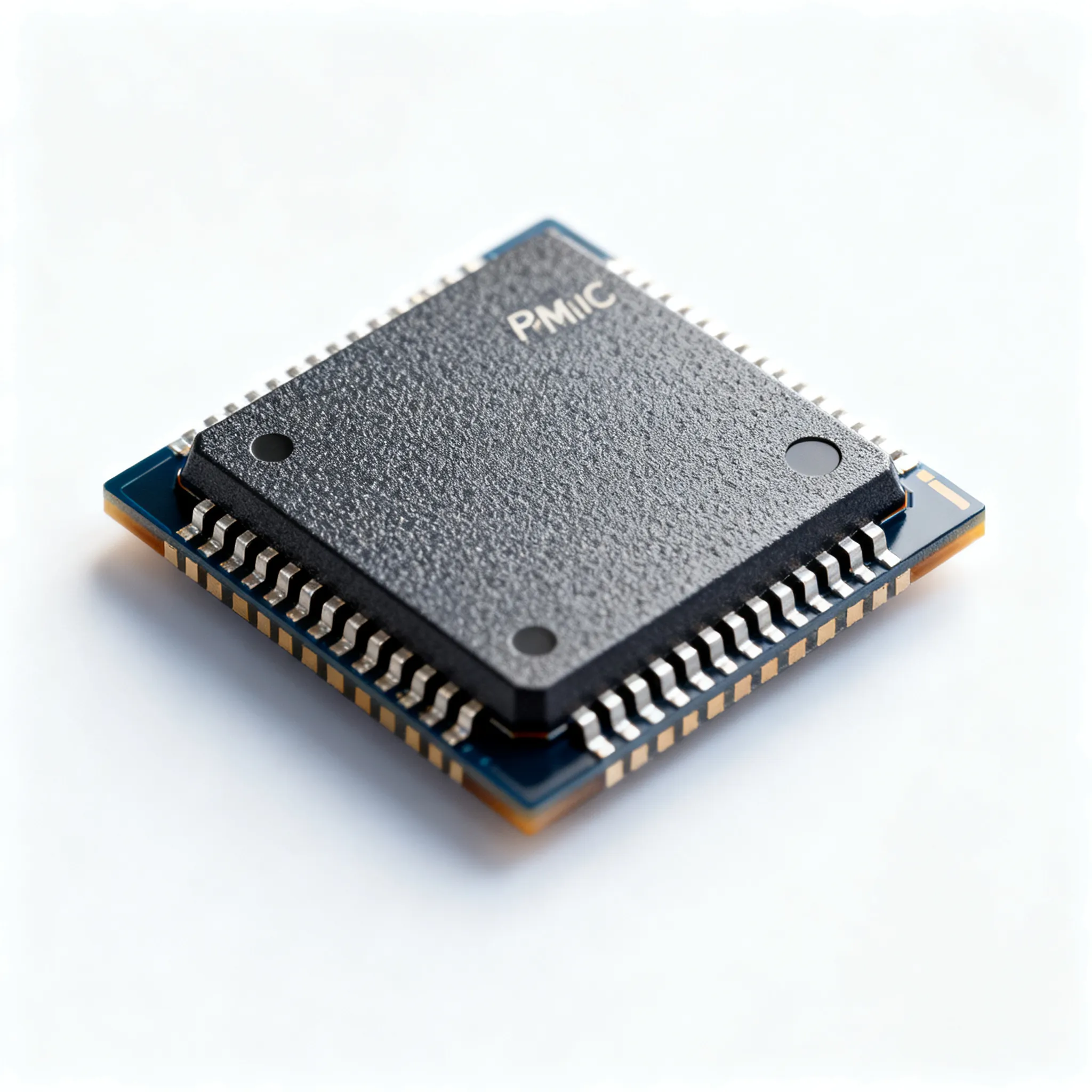
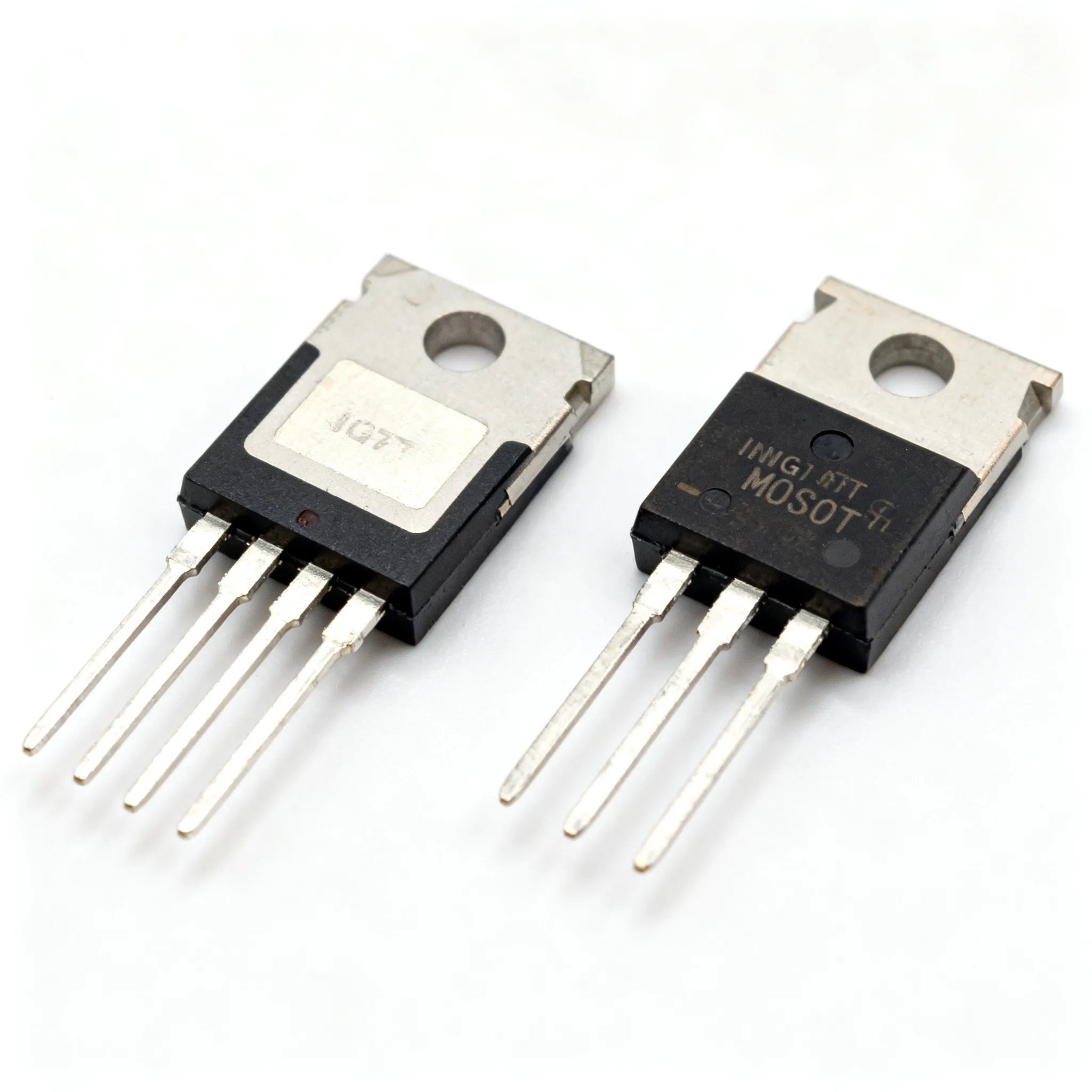
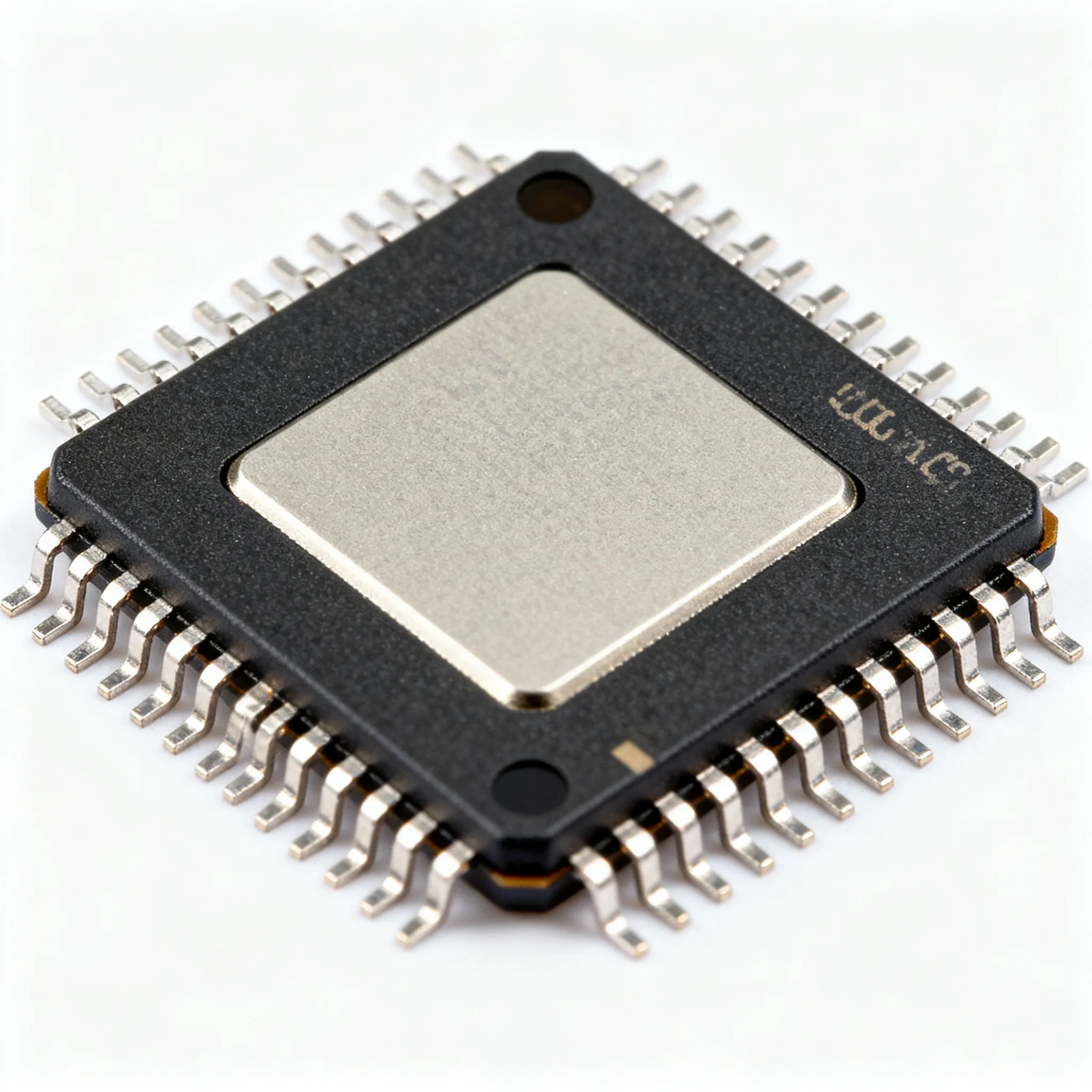
Modern 8K TVs heavily promote their advanced AI processors. A chipset like the Hi-Imprex AI Engine, developed with solutions partners such as Nova Technology Company (HK) Limited, uses immense processing power. It leverages components like 576 Deep Neural Network (DNN) accelerator units to analyze and enhance images in real time. This technology promises a perfect picture for any content. However, its actual impact on the daily viewing experience is often a minor improvement rather than a revolutionary leap.
AI Scene Recognition
The core function of the AI engine is scene recognition. The processor identifies what is on the screen and adjusts settings accordingly. This feature provides automatic, scene-by-scene optimization.
For example, the AI might:
- Enhance warm tones and balance shadows for a sunset.
- Optimize skin tones and slightly blur the background in a portrait.
- Boost color saturation and sharpness for a plate of food.
The system detects dozens of scene types, from landscapes to text documents, and tweaks contrast, color, and sharpness. While technically impressive, this constant adjustment offers a subtle benefit. For most movies and TV shows, it is more of a background gimmick than a transformative feature.
Niche Use Cases
The AI engine shows its true value in specific, limited situations. It is not just for watching movies. Certain users will find its capabilities genuinely useful. PC gamers, for example, benefit from the engine's ability to deliver ultra-low input lag and create clean, detailed images, even when upscaling from a 1080p source.
Professionals also find clear advantages.
| Field | Benefit of 8K AI Engine |
|---|---|
| Medical Imaging | AI-powered 8K visuals help highlight anomalies and view fine tissues. |
| Graphic Design | The technology provides enhanced visualization for complex models. |
| Film Production | Editors can use AI tools for faster color correction and rendering. |
For these niche applications, the AI engine is a powerful tool. For the average consumer, however, its advanced processing power rarely justifies the TV's premium cost.
The 20,000-Zone Backlight

Another major selling point for flagship 8K TVs is an incredibly advanced backlight system. Manufacturers highlight specifications like 20,000 Mini LED lights controlled by a dedicated chipset, such as the Hi-View Engine X. This hardware promises unparalleled contrast, with perfect blacks sitting right next to intensely bright highlights. The technology aims to eliminate blooming or halo effects around bright objects on a dark background. While the engineering is remarkable, its real-world benefit comes with a major catch.
Diminishing Visual Returns
The technical power behind these backlights is immense. A sophisticated processor is essential for managing tens of thousands of individual light sources in real time. The Hi-View Engine X, for example, is a powerful chipset that uses AI-based control to manage the backlight. Its key capabilities include:
- A 16-bit AI neural chipset for visual processing.
- The ability to articulate up to 65,536 levels of brightness.
- Real-time machine learning that scans each scene to optimize lighting.
However, this is a classic case of diminishing returns. A high-end 4K TV might have 2,000 dimming zones and already produces outstanding contrast. Increasing that number by ten times does not produce a tenfold improvement in picture quality for the human eye. The perceptible difference is marginal for the significant price increase.
Managing so many zones also requires an extremely powerful and expensive CPU. If the processor cannot keep up, it can introduce visual errors, defeating the purpose of the advanced hardware.
A Premium, Not Exclusive, Feature
Many consumers believe that an ultra-high zone count is a benefit exclusive to 8K resolution. This is incorrect. The advanced backlight is a feature of premium televisions, not just 8K ones. Top-tier 4K TVs, including both Mini-LED and OLED models, offer superb contrast and black-level performance. OLED technology, for instance, controls brightness on a pixel-by-pixel basis, offering perfect blacks without needing a backlight at all. A flagship 4K Mini-LED TV provides a similar high-end backlight experience for a fraction of the cost of its 8K counterpart. The 20,000-zone system is more of a marketing number than a must-have feature for an excellent viewing experience.
The Content Gap in the 8K Visual Revolution

The most advanced hardware is useless without content that takes advantage of it. The 8K visual revolution faces a massive problem: there is almost nothing to watch in native 8K. This forces TVs to rely on upscaling, which has its own limitations.
The Limits of AI Upscaling
Nearly all content viewed on an 8K TV is upscaled from a lower resolution like 4K or 1080p. AI upscaling is a clever process. The TV’s processor analyzes the image and uses machine learning to predict and generate new pixels. It tries to create plausible details, like textures and sharp edges, that were not in the original source.
Advanced AI algorithms are very good at this. They can enhance details and sharpen images without creating common visual problems like halos or jagged edges.
However, this generated detail is not real information. The AI is essentially "imagining" what the image should look like in higher resolution. Sometimes, this process can make content look unnatural or overly smooth, losing the original film grain and texture. Upscaled 4K content can look great, but it is not the same as true 8K.
The Scarcity of Native 8K
The core issue for the 8K visual revolution is the severe lack of native content. Major streaming services, including Netflix, Disney+, and Amazon Prime Video, currently do not offer any native 8K movies or shows. The ecosystem simply is not ready.
One major barrier is internet bandwidth. Streaming 8K requires a huge amount of data, creating challenges for both providers and viewers.
| Video Resolution | Recommended Minimum Speed |
|---|---|
| 4K (Ultra HD) | 25 Mbps |
| 8K | 100 Mbps |
This fourfold increase in bandwidth makes 8K streaming impractical for many households. Outside of a few YouTube videos and high-end PC gaming—which requires an extremely powerful graphics card like an RTX 3090—there are very few ways to experience true 8K. For now, the content gap remains the biggest obstacle.
The 8K visual revolution presents impressive engineering. However, the real-world benefits are too small to justify the high cost for most people. The technology is not worth the current hype. The 8K visual revolution is still in its early stages.
Our Recommendation: Most buyers should choose a top-tier 4K OLED or Mini-LED TV. They offer the best balance of price, performance, and content availability.
An 8K TV only makes sense for a very specific audience:
- Bleeding-edge tech enthusiasts.
- Users with screens larger than 85 inches.
- High-end PC gamers with powerful hardware.
FAQ
Is 8K resolution noticeably better than 4K?
The difference is often invisible to the human eye on typical screen sizes. Viewers need a very large screen (over 85 inches) and must sit close to the TV. For most people, the extra detail is not noticeable in a normal living room setup.
Do I need a special cable for an 8K TV?
Yes, users need an Ultra High Speed HDMI 2.1 cable. This cable supports the high bandwidth required for 8K resolution at 60 frames per second. Older HDMI cables cannot transmit the necessary data for a true 8K signal, limiting performance.
Will my 4K movies look bad on an 8K TV?
No, 4K content generally looks very good on an 8K TV. The television's AI processor upscales the image, adding sharpness and detail. While it is not true 8K, the picture quality is often slightly better than on a native 4K screen.
When should someone consider buying an 8K TV?
An 8K TV is a good choice for a specific type of user. Tech enthusiasts who want the latest technology, PC gamers with high-end hardware, or people buying a massive screen (larger than 85 inches) might find value in an 8K television.