Understanding Rotor and Stator for Electronic Applications
Rotor vs stator explained: See how each part functions in electronic devices, their roles in energy conversion, and why their interaction boosts motor efficiency.
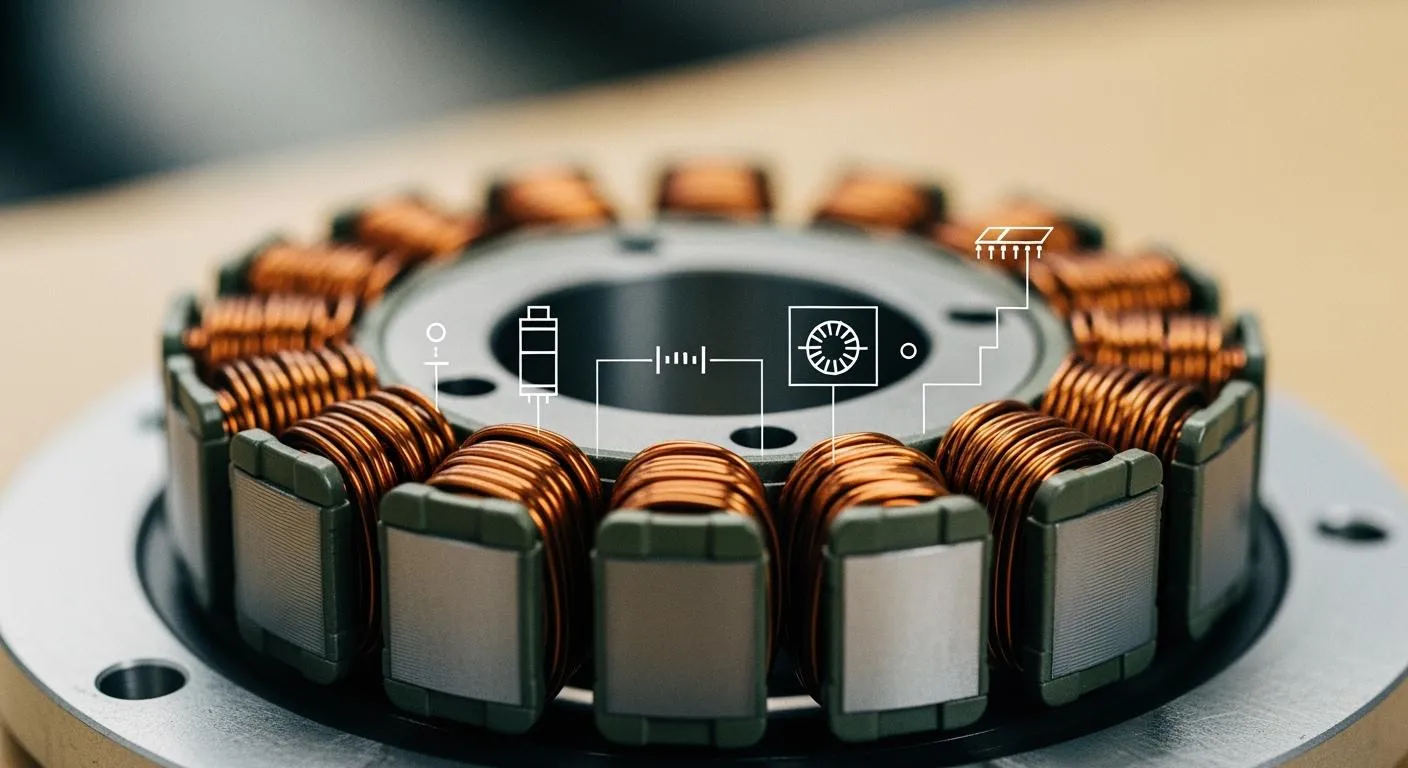
You encounter the terms rotor and stator when you work with electric devices. The rotor spins inside the motor, while the stator stays still and generates a magnetic field. This field interacts with the rotor, transforming electrical energy into movement. The design and materials of both parts play a big role in boosting efficiency. Understanding rotor vs stator helps you grasp how electronic motors work and why their relationship is vital for reliable performance.
Key Takeaways
- The rotor spins inside the motor, converting electrical energy into mechanical motion. Understanding its design helps improve motor efficiency.
- The stator remains stationary and generates a magnetic field that drives the rotor. Its materials and construction are crucial for optimal performance.
- The interaction between rotor and stator is essential for electric motor function. This relationship affects efficiency, stability, and power output.
- Different rotor types, like squirrel-cage and wound rotors, impact performance and efficiency. Choose the right type for your specific application.
- Regular maintenance, such as cleaning and lubrication, extends the life of motors and enhances their efficiency. Implement a routine maintenance schedule.
Rotor vs Stator: Basic Concepts

What Is a Rotor?
You find the rotor at the heart of every electric motor. This part rotates and delivers mechanical power. The rotor sits inside the stator and connects to the motor shaft. When you supply electrical energy, the rotor interacts with the magnetic field and starts to spin. This spinning action converts electrical energy into mechanical motion, which drives the load—like a fan blade or a conveyor belt.
The rotor comes in different shapes and configurations. Here is a table showing common types:
| Rotor Type | Description |
|---|---|
| Squirrel-cage rotor | Laminated steel with copper or aluminum bars. Simple and rugged. |
| Wound rotor | Cylindrical core with slots for three-phase windings. Used for variable speed control. |
| Salient pole rotor | Large diameter, short length. Used in low-speed applications. |
| Cylindrical rotor | Used in generators and alternators. |
The rotor uses materials like iron, steel, and sometimes printed circuit boards. These materials help the rotor handle strong magnetic forces and reduce energy losses. You see the rotor as the moving part that responds to the stator’s magnetic field and creates torque.
Tip: The rotor’s design and material choice affect how efficiently your electric motor converts energy and how much torque it can deliver.
Stator: The Stationary Part of an Electric Motor
The stator is the stationary part of an electric motor. You find it fixed to the outer frame, surrounding the rotor. The stator’s main job is to create a magnetic field that makes the rotor move. It does this using windings or coils connected to an AC power source. When current flows through these windings, the stator generates a rotating magnetic field.
Here are the main components of a stator:
- Stator Core: Laminated iron or steel sheets that support the magnetic field and reduce energy losses.
- Stator Windings: Insulated copper wires that create a magnetic field when current flows.
- Slots: Grooves in the core that hold the windings and shape the magnetic field.
- Insulation System: Keeps windings separate from the core and protects against heat and vibration.
- Frame or Housing: Holds everything in place and helps cool the motor.
The stator uses materials like electrical steel with high magnetic permeability and low core losses. This helps your motor run efficiently and stay cool. In a three-phase induction motor, the stator’s windings receive three-phase AC power, which creates a rotating magnetic field. This field is essential for making the rotor spin.
| Feature | Stator | Rotor |
|---|---|---|
| State | Stationary | Rotating |
| Primary Role | Creates a rotating magnetic field | Interacts with the magnetic field to create torque |
| Core Component | Field Windings (Coils) | Conductor Bars or Permanent Magnets |
| Location | Outer part, fixed to the frame | Inner part, attached to the motor shaft |
How They Work Together
You see the magic of rotor vs stator when both parts interact. The stator stays still but plays an active role by generating a rotating magnetic field. This field sweeps across the rotor, which sits inside the stator. As the magnetic field moves, it pushes and pulls on the rotor’s conductors or magnets. This action creates torque and makes the rotor turn.
- The stator generates a magnetic field that provides the driving force for the rotor.
- The rotor’s movement inside this field changes the magnetic balance, which keeps the motor running smoothly.
- This interaction forms a dynamic system, where the stator’s field and the rotor’s motion depend on each other.
You can think of the stator as the “brain” that controls the magnetic environment, while the rotor acts as the “muscle” that delivers mechanical power. In every electric motor, this teamwork converts electrical energy into useful motion.
Note: Understanding how the stator and rotor work together helps you troubleshoot and optimize electric devices, especially when you want to improve efficiency or solve performance issues.
Key Differences and Roles
Physical and Functional Differences
You see clear differences when you compare rotor vs stator in electric motors. The stator stays fixed and surrounds the rotor. The rotor spins inside the stator and connects to the shaft. The stator uses advanced stator technology to create a magnetic field. This field interacts with the rotor and produces mechanical power.
You can break down their roles in motor operation:
- The stator remains stationary and generates a rotating magnetic field needed for electric motor function.
- The rotor moves and responds to the magnetic field, producing torque and mechanical motion.
- The stator creates the electromagnetic environment, while the rotor converts this energy into mechanical power.
The stator uses laminated steel and copper windings to maximize efficiency and reduce losses. The rotor uses conductor bars, windings, or permanent magnets to interact with the magnetic field. This distinction is critical for electric devices because it allows the conversion of electrical energy into mechanical energy. The interaction between the stator and rotor directly affects motor performance and energy efficiency.
Note: The rotor vs stator distinction ensures that electric motors operate with high efficiency and stable performance. You need to understand these differences to troubleshoot and optimize electronic devices.
Rotor Types and Their Impact
You find several rotor types in electric motors. Each type affects performance, reliability, and efficiency in electronic applications. The most common rotor types include squirrel-cage, wound, and permanent magnet rotors.
| Rotor Type | Impact on Efficiency and Performance |
|---|---|
| Squirrel-cage | Offers high efficiency and robust performance. Handles harsh conditions like dust and moisture. |
| Wound rotor | Allows variable speed control. Improves efficiency in adjustable applications. |
| Permanent magnet | Delivers high efficiency and precise control. Used in advanced electric devices. |
You see that rotor design influences heat dissipation, reliability, and power output. Dual rotor fans maintain reliable performance across different load conditions. They help regulate temperature and airflow, which is vital for critical electronic systems. Induction rotors are popular in environments with extreme temperatures or moisture because they provide dependable performance.
- Effective heat dissipation extends the operational life of electronic devices.
- Reliable performance ensures consistent airflow and temperature regulation.
- Dependable performance is essential for applications where reliability matters most.
The choice of rotor type impacts energy efficiency and determines how well the motor handles power demands. You need to select the right rotor for your application to achieve high efficiency and stable performance.
Importance in Electronic Operation
You must understand the rotor vs stator relationship to optimize electric motor performance. The stator uses stator technology to create a magnetic field. The rotor interacts with this field and produces mechanical power. This process converts electrical energy into motion, which drives electronic devices.
The distinction between rotor and stator is vital. The rotor rotates relative to the stator's magnetic field. This movement determines whether the machine acts as a motor or a generator. The interaction between the stator and rotor influences efficiency, stability, and power output. You need to focus on this relationship to improve energy efficiency and achieve high efficiency in electronic systems.
In the integrated circuit industry, chip-level solutions and system integration rely on precise motor control. Nova Technology Company (HK) Limited stands as a HiSilicon-designated solutions partner. You benefit from their expertise in stator technology, rotor design, and advanced semiconductor integration. Nova Technology Company (HK) Limited provides professional solutions for electric motors, sensors, and power management chips. Their system integration supports high efficiency and reliable performance in electronic applications.
Tip: You can boost efficiency and performance by selecting the right stator technology and rotor type. This approach helps you meet the demands of modern electric devices and ensures stable operation.
You see that understanding rotor vs stator helps you troubleshoot, maintain, and optimize electronic devices. The right combination of stator and rotor improves energy efficiency, power output, and overall performance.
Applications and Maintenance

Use in Motors, Generators, and Sensors
You see rotors and stators in many electronic applications. These components play a key role in electric motors, generators, and sensors. In motors, the stator creates a magnetic field that interacts with the rotor, inducing electrical currents and producing rotation. This process helps convert electrical energy into mechanical motion. In generators, the rotor spins inside the stator, which then converts mechanical energy into electrical power. Sensors use similar principles to detect changes in magnetic fields for precise measurements.
Here is a table showing where you find these components in electronic applications:
| Device Type | Application Description |
|---|---|
| Household Appliances | Used in fans, washing machines, refrigerators, and air conditioners for mechanical motion. |
| Vehicles | Part of alternators in cars and motorcycles to generate electricity for batteries. |
| Industrial Machines | Found in motors for pumps, conveyors, and compressors in factories. |
| Power Generators | Generate electrical power by capturing energy from a rotating rotor. |
| Power Tools | Drive high-speed electric motors in drills, grinders, and saws. |
| HVAC Systems | Used in blower motors and compressors for air and refrigerant movement. |
| Electronics Cooling Systems | Found in small motors for cooling fans in computers and gaming consoles. |
| Renewable Energy Systems | Used in wind turbines and hydroelectric systems to generate electricity. |
Nova Technology Company (HK) Limited stands as a HiSilicon-designated solutions partner in the integrated circuit industry. You benefit from their expertise in chip-level solutions, system integration, and advanced semiconductor applications. Their support ensures high efficiency and reliable performance in electric motor control, power management, and sensor integration.
Common Challenges and Solutions
You may face several challenges when working with rotors and stators in electronic applications. Water ingress can cause short circuits and motor burnout. Overheating often results from insufficient cooling or changes in load, which reduces efficiency and performance. Bearing failure happens if you use the wrong type for your motor. Burnt windings signal a short circuit, while dust ingress can lead to short-circuiting. Motors in hazardous areas must meet strict ratings for safety. Temperature ratings matter for safe operation. Sometimes, motors run in reverse due to incorrect connections.
Here are some solutions for common issues:
| Issue | Solution |
|---|---|
| Winding Overloading | Use VFDs programmed for automatic shutdowns to prevent overload damage. |
| Winding Overheating | Monitor starts and stops; upgrade motors that cannot meet operational demands. |
| Slow Run Speeds | Add a constant speed fan for adequate cooling at all motor speeds. |
Tip: Regular checks and quick action help you maintain high efficiency and stable performance in all applications.
Maintenance Tips
You can extend the life and efficiency of your electric motors by following these maintenance tips:
- Establish a routine maintenance schedule for all applications.
- Keep your motor clean and free of debris to prevent overheating.
- Lubricate moving parts regularly to reduce friction and wear.
- Monitor electrical components and connections for early signs of failure.
- Inspect and maintain belts and tensioning systems for best performance.
- Test and calibrate machine settings to ensure high efficiency.
- Replace worn or damaged components before they cause bigger problems.
Note: Good maintenance practices improve energy efficiency, boost performance, and help you avoid costly repairs in all electronic applications.
You now understand the essential differences between rotor and stator. The stator creates the magnetic field, while the rotor responds to this field, driving efficiency and performance in every electronic device. Here is a quick comparison:
| Component | Pros | Cons |
|---|---|---|
| Stators | High efficiency, improved performance | Susceptible to faults from stress |
| Rotors | Efficient power transmission, precise performance control | Air gap issues, possible bar failures |
A strong grasp of magnetic interactions helps you troubleshoot and optimize devices. You can boost efficiency and performance by selecting the right materials and designs. Apply this knowledge to real-world projects for better reliability and energy savings.
FAQ
What is the main difference between a rotor and a stator?
You see the rotor spin inside the motor, while the stator stays still. The stator creates a magnetic field. The rotor turns and produces mechanical power. Both parts work together to make electric motors run.
Why do electric motors need both a rotor and a stator?
You need both parts for motion. The stator generates a magnetic field. The rotor reacts to this field and spins. Without one, the motor cannot convert electrical energy into movement.
How do you know if a rotor or stator is faulty?
You may notice strange noises, overheating, or reduced motor speed. Use a multimeter to check for electrical faults. Regular inspection helps you spot worn parts or burnt windings early.
Can you repair a damaged stator or rotor?
You can repair minor issues, like cleaning or rewinding coils. For severe damage, you may need to replace the part. Always follow safety guidelines and consult a professional if you are unsure.
Where do you find rotors and stators outside of motors?
You find these parts in generators, sensors, and even some medical devices. They help convert energy or detect movement in many electronic systems.