Never Ignore Signs of a Bad Camshaft Sensor in Your Car
Spot signs of a bad camshaft sensor like rough idling, misfires, and poor fuel efficiency. Address issues early to avoid engine damage and costly repairs.
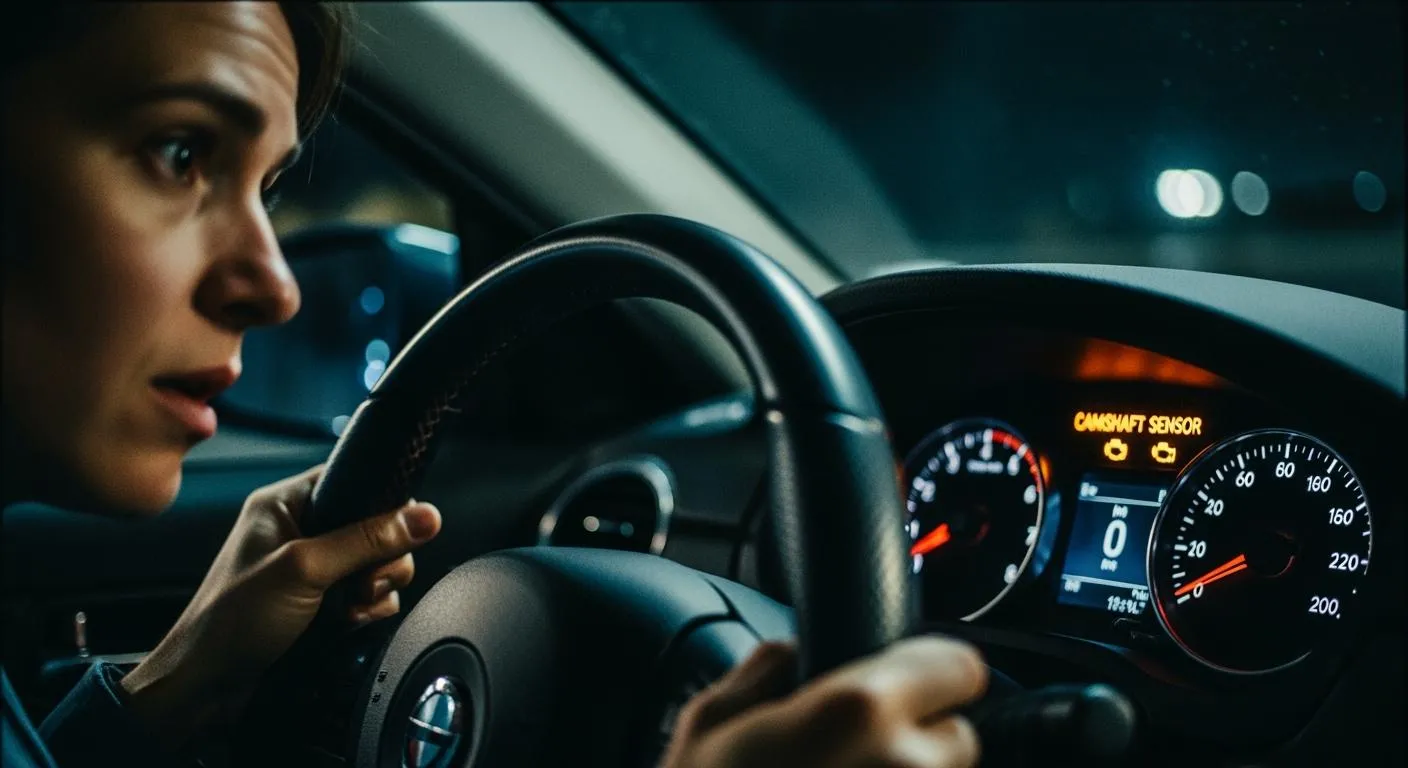
You can't ignore signs of a bad camshaft sensor. When your car starts shaking, misfires, or idles rough, you know something's wrong. Watch for the check engine light, power loss, and slow throttle response. If you notice any engine problems, act fast to keep your car safe and avoid bigger issues.
- Engine misfires or rough idling
- Check engine light comes on
- Power loss or delayed response
Key Takeaways
- Watch for signs like rough idling, engine misfires, check engine light, and poor acceleration to spot a bad camshaft sensor early.
- Ignoring camshaft sensor problems can cause engine damage, costly repairs, and unsafe driving conditions.
- Act quickly by checking the sensor, seeking professional help, and replacing faulty parts to keep your car safe and running smoothly.
Signs of a Bad Camshaft Sensor

When you start noticing your car acting up, you might wonder what’s really going on under the hood. Let’s break down the most common camshaft sensor symptoms so you can spot trouble before it gets worse.
Check Engine Light
The check engine light is often the first sign that something’s wrong. When your car’s computer detects a problem with the camshaft sensor, it triggers this warning. You might see one of these diagnostic codes if you scan your car:
| Code | Description |
|---|---|
| P0341 | Camshaft Position Sensor Timing Over/Under Advanced |
| P0365 | Camshaft Position Sensor "B" Circuit Bank 1 |
| P0369 | Camshaft Position Sensor "B" Circuit Intermittent Bank 1 |
If you see the check engine light, don’t ignore it. It’s your car’s way of telling you to check for signs of a bad camshaft sensor.
Engine Fails to Start
You turn the key, but nothing happens. That’s frustrating, right? A bad camshaft sensor can keep your engine from starting because your car’s computer can’t figure out when to fire the spark plugs or inject fuel.
- The camshaft sensor helps the engine control module know the piston positions before ignition.
- If the sensor sends weak or wrong signals, you might hear the engine crank for a long time or not start at all.
- This puts extra strain on your battery and starter motor.
Faulty sensors can keep your engine from starting, but this is often engineered in as a safety measure. The sensor measures the position and speed of the crankshaft to ensure the pistons are timed for the right amount of combustion at the right time. If the information isn’t sent to the engine computer, nothing will happen when you try to start the car as a way to prevent damage.
Engine Misfires
You might feel your car jerk or hesitate while driving. That’s a classic sign of engine misfires. When the camshaft sensor sends the wrong data, your car’s computer can’t control fuel injection and spark timing correctly. This leads to rough idling and misfire, which can make your drive uncomfortable and even unsafe.
- Incorrect data from the sensor disrupts fuel injection and ignition timing.
- The engine control unit can’t regulate engine functions properly, so you get misfires.
- You’ll notice poor performance, rough idling, and sometimes even stalling.
Rough Idling
Does your car shake or feel unstable when stopped at a light? Rough idling is another one of the key camshaft sensor symptoms. You might hear popping or backfiring, or see the check engine light flash on and off.
- Occasional backfire or popping sounds
- Hesitation and stumbling when you press the gas
- Problems that start out rare but get worse over time
Your car’s idle speed might jump up and down, making it hard to keep the engine running smoothly.
Stalling
Vehicle stalling is a serious issue. You could be driving or just sitting at a stop sign when your engine suddenly shuts off. That’s not only annoying but also dangerous.
- A failing camshaft sensor can cause your engine to stall, especially when idling or accelerating.
- You might feel sudden power loss, jerking, or hesitation.
- Frequent stalls can put you at risk, especially in traffic or at intersections.
Poor Acceleration
Ever press the gas pedal and feel like your car just doesn’t want to move? Poor acceleration is a common sign of a bad camshaft sensor. The sensor helps control spark timing and fuel injection, so when it fails, your car can’t respond quickly.
A malfunctioning camshaft sensor can lead to drivability issues, including poor acceleration and reduced fuel efficiency. These symptoms happen because the sensor is crucial for regulating spark timing and fuel injection, both of which are essential for optimal engine performance.
Reduced Engine Power
You might notice your car feels sluggish or weak. Reduced engine power is a big warning sign. The camshaft sensor monitors the camshaft’s position and speed, sending data to your car’s computer for the best fuel injection and ignition timing.
- If the sensor fails, the computer can’t time fuel injection correctly.
- This leads to engine misfires, rough idling, and poor fuel economy.
- Your car might struggle to climb hills or accelerate on the highway.
Poor Fuel Efficiency
If you’re filling up the gas tank more often, your camshaft sensor could be to blame. When the sensor sends inaccurate data, your engine can’t synchronize fuel injection and valve operation. This causes inefficient combustion, so your car burns more fuel than it should.
- Disrupted timing of fuel injection and ignition
- Poor synchronization between fuel injection and valve operations
- More fuel used because of inefficient combustion
If you notice any of these camshaft sensor symptoms, don’t wait. Addressing the signs of a bad camshaft sensor early can save you money and keep you safe on the road.
Performance and Safety Impact
Engine Shaking and Stumbling
You might feel your car shake or stumble when the camshaft sensor acts up. This happens because the engine gets the wrong signals, so it can’t keep a steady rhythm. You’ll notice vibrations, especially when stopped at a light or in traffic. Sometimes, the RPMs jump up and down, making the car feel unpredictable. These shakes can make you nervous behind the wheel and even distract you from the road.
Unsafe Driving Conditions
A bad camshaft sensor doesn’t just make your ride uncomfortable—it can make driving unsafe. Here’s what you might experience:
- Rough idling that makes it hard to keep the engine running smoothly.
- Sudden stalls at red lights or in heavy traffic.
- Jerky movements or hesitation when you press the gas.
All these issues can catch you off guard. If your car stalls in the middle of an intersection, you could be at risk for an accident. Unpredictable engine behavior means you can’t always trust your car to respond when you need it most.
Increased Fuel Use
You’ll probably notice you’re stopping for gas more often. When the camshaft sensor fails, your engine switches to a backup mode that isn’t as efficient. The computer guesses how much fuel to use, which usually means you burn more gas than normal. Over time, this can hit your wallet hard.
Risk of Sudden Failure
A faulty camshaft sensor can cause your engine to shut off without warning. Imagine driving on the highway and your engine suddenly stalls—you need to stay calm and pull over safely. Sometimes, the engine won’t start at all. These sudden failures show why you can’t ignore camshaft sensor problems. Your safety depends on a reliable engine.
What to Do Next
If you spot any signs of a bad camshaft sensor, you need to act quickly. Ignoring the problem can lead to bigger headaches down the road. Here’s how you can take control and keep your car running smoothly.
Diagnosing the Issue
You can start by checking for obvious problems. Look for loose wires, damaged connectors, or corrosion around the camshaft sensor. If you have a scan tool, read the error codes from your car’s computer. Codes like P0341 or P0365 often point to sensor trouble.
Want to dig deeper? Here’s a simple step-by-step guide:
- Turn your ignition key to the "On" position, but don’t start the engine.
- Find the camshaft sensor under the hood. Your car manual can help.
- Set your voltmeter to 20 volts DC.
- Unplug the sensor connector and remove the sensor.
- Hold a metal object near the sensor tip. If the voltage drops from about 4.8 volts to nearly zero, the sensor works.
You can also check resistance with a multimeter. A healthy sensor usually shows 1-4 kOhms. If you see strange readings, it’s time for a replacement.
Seeking Professional Help
Not everyone feels comfortable testing sensors. If you’re unsure, visit a trusted mechanic. Professionals use advanced tools like oscilloscopes to check the sensor’s signal. They can spot issues you might miss and make sure your car stays safe.
Repair or Replace Sensor
If tests show the sensor is faulty, you’ll need to repair or replace it. Many drivers search for how to replace camshaft sensor before heading to the shop. Replacing the sensor often fixes engine misfires, rough idling, and poor fuel efficiency.
Tip: Always use quality parts and follow your vehicle’s service manual for the best results.
Nova Technology Company (HK) Limited stands out as a HiSilicon-designated solutions partner, specializing in chip-level solutions and system integration for automotive electronics. Their expertise supports advanced sensor applications and reliable system performance in modern vehicles.
Taking action now keeps your car reliable and safe for every drive.
Consequences of Ignoring Signs

Engine Damage
You might think you can put off fixing camshaft issues, but that choice can lead to serious engine damage. When you ignore warning signs, your engine’s timing can slip out of sync. This causes the valves and pistons to move at the wrong moments. Over time, you could face bent valves, damaged pistons, or even a cracked cylinder head. Camshaft failure often starts with small problems, like rough idling or misfires, but it can end with a complete engine breakdown. You don’t want to deal with a car that won’t run because of something you could have fixed early.
Here’s a quick look at what can happen if you ignore camshaft failure:
| Consequence | Description |
|---|---|
| Severe Engine Damage | Valves, pistons, and cylinder heads can get destroyed. |
| Costly Repairs | Small repairs can turn into a full engine rebuild. |
| Increased Strain on Components | Timing belts and rocker arms wear out faster. |
| Reduced Fuel Economy | Your car burns more gas and loses power. |
| Emission Control Issues | You might fail state inspections due to damaged emission systems. |
Higher Repair Costs
If you let camshaft failure go unchecked, you’ll pay more in the long run. What starts as a simple sensor replacement can turn into a major repair bill. Mechanics may need to rebuild or replace your engine. You could also see extra costs from worn-out timing belts and other parts stressed by ongoing camshaft issues. Early action saves you money and keeps your car on the road.
Safety Risks
Driving with camshaft failure puts you and others at risk. Here’s what you might face:
- Longer cranking times before your engine starts
- Overworked ignition system, which can overheat and fail
- Unpredictable engine behavior, like sudden stalls or loss of power
- Reduced reliability, making your car unsafe in traffic
Don’t wait for a breakdown. Fixing camshaft issues early protects your wallet and your safety.
Spotting a bad camshaft sensor early keeps your car safe and your wallet happy. Watch for rough idling, misfires, or poor fuel efficiency.
- Quick action prevents engine damage and costly repairs
- Regular checks help you avoid sudden breakdowns
- Stay alert and trust a pro when you see warning signs 🚗
FAQ
How long does it take to replace a camshaft sensor?
You can expect the job to take about 30 to 60 minutes. A mechanic can finish it faster with the right tools.
Can I drive with a bad camshaft sensor?
You shouldn’t drive far. A bad sensor can cause stalling or power loss. You risk engine damage if you keep driving.
What causes a camshaft sensor to fail?
- Heat from the engine
- Oil leaks
- Electrical issues
These problems can damage the sensor and cause it to stop working.