Sourcing High-Quality Electronic Components: Tips for Engineers to Optimize Your Supply Chain
Expert guide on Sourcing High-Quality Electronic Components: Tips for Engineers to Optimize Your Supply Chain. Technical specs, applications, sourcing tips for engineers and buyers.
Introduction
In the rapidly evolving field of electronics engineering, sourcing high-quality components is critical to the success of any project. The global semiconductor market has seen significant growth, with revenues expected to reach $595.2 billion by 2026, according to the Semiconductor Industry Association. This growth is driven by advancements in technology and increasing demand across various industries. However, with a vast array of components available, engineers face the challenge of selecting the right components that meet their specifications and application needs. This article provides insights into optimizing your supply chain by focusing on component specifications, datasheets, and application circuits.
Technical Overview
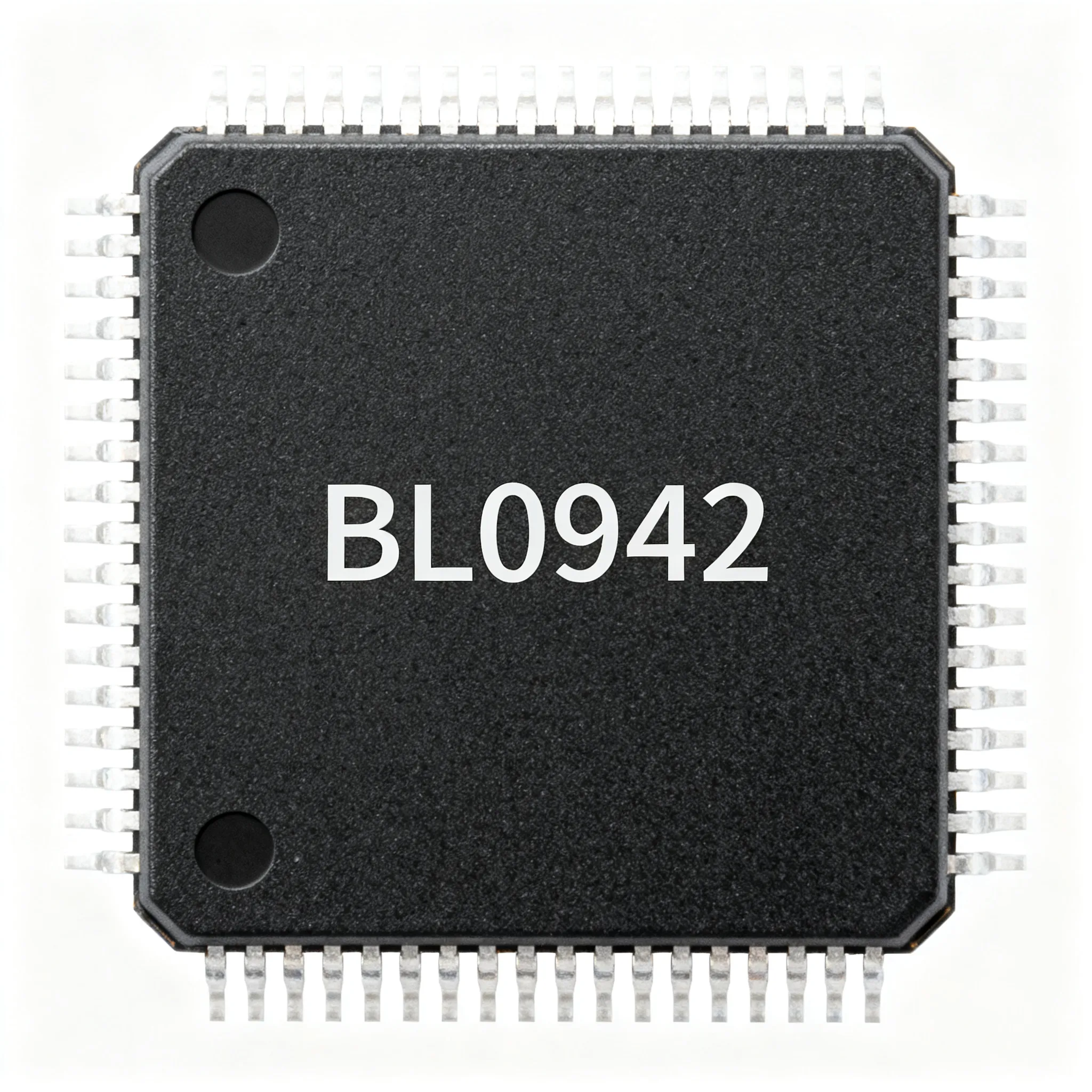
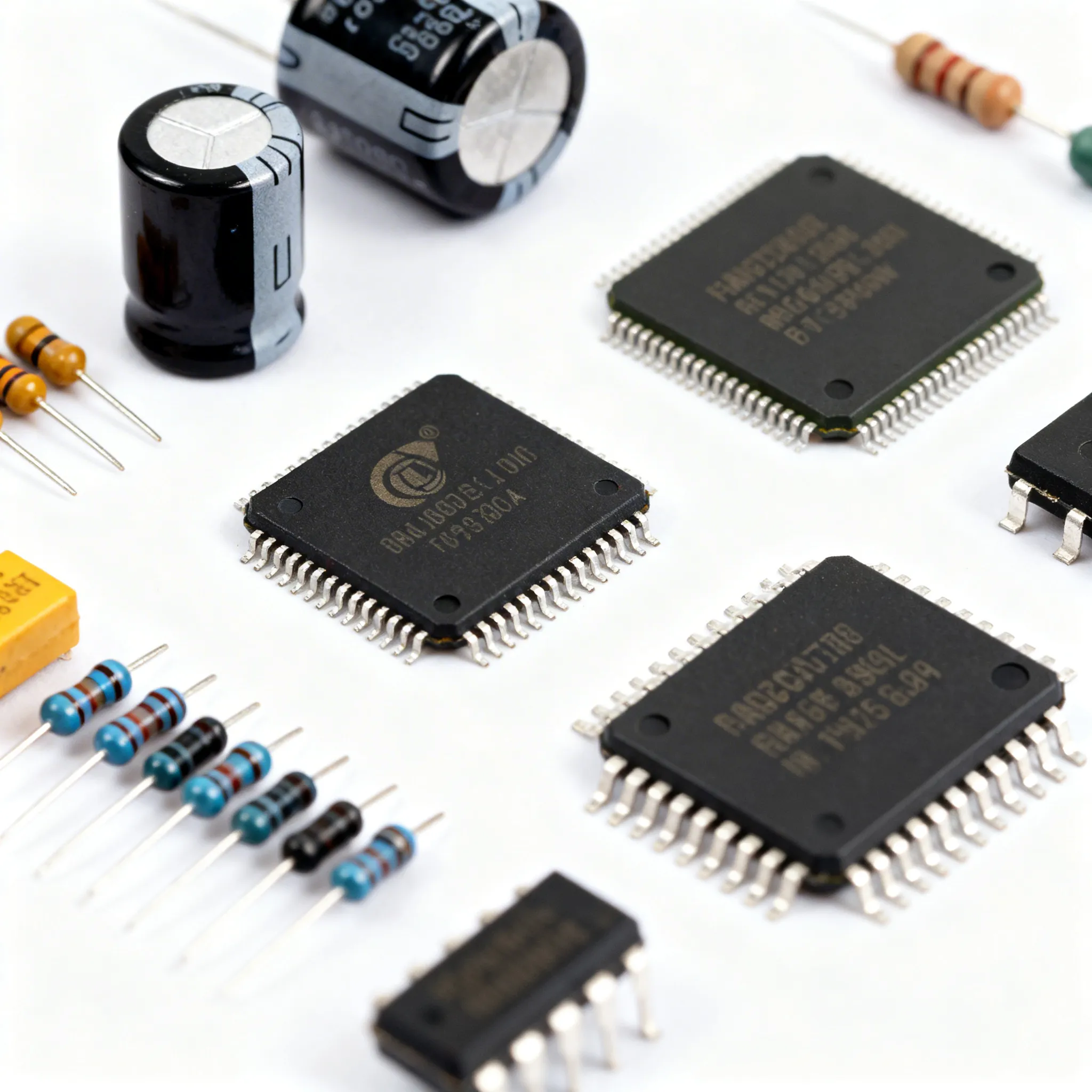
Understanding the core concepts and principles of electronic components is vital for engineers aiming to optimize their supply chain. Components such as resistors, capacitors, and integrated circuits form the building blocks of electronic systems. Each component has specific electrical, thermal, and mechanical properties that must be considered during selection. For instance, the electrical specifications of a component, such as voltage rating, current rating, and power dissipation, determine its suitability for a particular application. Similarly, thermal and mechanical specifications, including operating temperature range and package type, influence the component's reliability and performance under different environmental conditions.
Datasheets provide detailed information on component specifications, including electrical characteristics, mechanical dimensions, and recommended operating conditions. Engineers must thoroughly analyze datasheets to ensure the selected components meet the required standards and application requirements. Additionally, application circuits offer practical examples of how components can be used in real-world scenarios, providing valuable insights into their performance and compatibility with other components. By leveraging these resources, engineers can make informed decisions and optimize their supply chain for efficiency and reliability.
Detailed Specifications
| Parameter | Value | Units | Notes |
|---|---|---|---|
| Voltage Rating | 5 | V | Maximum operating voltage |
| Current Rating | 1 | A | Maximum current capacity |
| Power Dissipation | 0.5 | W | Maximum power that can be dissipated |
| Resistance | 10 | Ohms | Resistance value |
| Capacitance | 100 | uF | Capacitance value |
| Inductance | 10 | uH | Inductance value |
| Frequency | 1 | GHz | Operating frequency range |
| Impedance | 50 | Ohms | Characteristic impedance |
| Gain | 20 | dB | Amplification factor |
| Noise Figure | 2 | dB | Measure of signal degradation |
| Parameter | Value | Units | Notes |
|---|---|---|---|
| Operating Temperature | -40 to 85 | °C | Temperature range for operation |
| Storage Temperature | -55 to 125 | °C | Temperature range for storage |
| Thermal Resistance | 30 | °C/W | Heat dissipation efficiency |
| Package Type | SMD | - | Surface Mount Device |
| Weight | 0.5 | g | Component weight |
| Dimensions | 5 x 5 x 1 | mm | Physical size |
| Lead Finish | Sn | - | Tin-plated leads |
| Mounting Style | Reflow | - | Suitable for reflow soldering |
| Application | Component | Benefits | Notes |
|---|---|---|---|
| Power Supply | LM7805 | Voltage regulation | Commonly used in DC power supplies |
| Amplifier | OPA2134 | Low noise, high fidelity | Suitable for audio applications |
| Microcontroller | ATmega328P | Versatile, cost-effective | Widely used in Arduino projects |
| Switching | IRF540N | High current capacity | Used in power switching applications |
| Signal Processing | DSPIC33EP256MU806 | Advanced signal processing | Ideal for digital signal processing |
Design Considerations
When designing electronic systems, engineers must carefully consider the specifications and characteristics of the components they choose. This ensures that the components will perform as expected and remain reliable under various conditions. Here are some practical guidelines for selecting electronic components:
- Understand Your Requirements: Clearly define the electrical, thermal, and mechanical requirements of your application. This includes understanding the voltage, current, power, and environmental conditions the components will be subjected to.
- Analyze Datasheets: Thoroughly review the datasheets of potential components. Pay attention to the electrical specifications, mechanical dimensions, and recommended operating conditions. Verify that the component's performance aligns with your application's requirements.
- Consider Thermal Management: Evaluate the thermal characteristics of components, such as thermal resistance and maximum operating temperature. Implement appropriate cooling solutions, such as heat sinks or fans, to ensure components do not exceed their thermal limits.
- Evaluate Reliability: Consider the reliability and longevity of components. Look for components with a proven track record and those that are manufactured by reputable companies. Check for certifications and compliance with industry standards.
- Plan for Future Availability: Ensure that the components you select will be available throughout the lifecycle of your product. Avoid components that are at risk of obsolescence or have limited supply.
- Optimize for Cost and Performance: Balance cost and performance when selecting components. While it may be tempting to choose the cheapest option, it is essential to ensure that the component meets the necessary performance criteria.
Step-by-Step Guide
Follow these steps to streamline the process of sourcing high-quality electronic components:
- Identify Key Specifications: Start by identifying the critical specifications for each component in your design. This includes electrical ratings, mechanical dimensions, and environmental conditions.
- Research Component Options: Use resources such as DigiKey Electronics to search for components that meet your specifications. Utilize parametric search tools to filter components based on key parameters.
- Review Datasheets: Download and review datasheets for the shortlisted components. Pay attention to electrical characteristics, recommended operating conditions, and application notes.
- Evaluate Suppliers: Consider authorized distributors such as IC Online for sourcing components. Check for competitive pricing, delivery times, and supplier reliability.
- Prototype and Test: Order samples of the selected components and build prototypes to test their performance in your application. Verify that the components meet your requirements and perform reliably under test conditions.
- Finalize Component Selection: Based on the test results, finalize the components for your design. Ensure that the components are available in the quantities needed for production.
- Document Your Choices: Create detailed documentation of your component selection process. Include datasheets, test results, and supplier information for future reference.
- Establish Long-term Relationships: Build strong relationships with suppliers and distributors to ensure a reliable supply chain. This can help mitigate risks associated with supply disruptions and component shortages.
Common Issues & Solutions
Engineers often encounter challenges when sourcing electronic components. Here are some common issues and their solutions:
- Issue: Component Obsolescence
Solution: Monitor the lifecycle status of components and plan for alternatives. Consider using components with long-term availability and support. - Issue: Supply Chain Disruptions
Solution: Diversify your supplier base and maintain a buffer stock of critical components to mitigate supply chain risks. - Issue: Counterfeit Components
Solution: Source components from authorized distributors and verify the authenticity of components through traceability and quality checks. - Issue: Inconsistent Quality
Solution: Establish quality control processes and work with suppliers who have robust quality assurance programs. - Issue: High Costs
Solution: Optimize your design for cost efficiency and negotiate pricing with suppliers based on volume commitments.
Applications & Use Cases
Electronic components are used in a wide range of applications across different industries. Here are some real-world examples:
- Consumer Electronics: Microcontrollers like ATmega328P are widely used in consumer electronics, such as smart home devices and wearable technology.
- Automotive Industry: Power MOSFETs like IRF540N are essential in automotive applications for efficient power management and motor control.
- Industrial Automation: Operational amplifiers like OPA2134 are used in industrial automation systems for precise signal amplification and conditioning.
- Telecommunications: RF components are critical in telecommunications for signal transmission and reception in wireless communication systems.
- Medical Devices: High-reliability components are used in medical devices to ensure patient safety and compliance with regulatory standards.
Selection & Sourcing Guide
Selecting and sourcing the right electronic components is crucial for the success of your design and manufacturing processes. Visit IC Online to explore a wide range of high-quality components from authorized distributors. Utilize their search and sourcing tools to find components that meet your specifications, and take advantage of competitive pricing and fast delivery options to optimize your supply chain.
FAQ
- What are the key factors to consider when selecting electronic components?
Consider electrical specifications, thermal and mechanical properties, reliability, availability, and cost. - How can I ensure the authenticity of electronic components?
Source components from authorized distributors and verify authenticity through traceability and quality checks. - What should I do if a component is obsolete?
Plan for alternatives and consider using components with long-term availability and support. - How do I manage supply chain disruptions?
Diversify your supplier base and maintain a buffer stock of critical components to mitigate risks. - How can I reduce the cost of electronic components?
Optimize your design for cost efficiency and negotiate pricing with suppliers based on volume commitments. - What is the importance of datasheets in component selection?
Datasheets provide detailed information on component specifications, performance, and recommended operating conditions. - How can I improve the reliability of my electronic design?
Select high-quality components with proven reliability and implement robust quality control processes. - What role do application circuits play in component selection?
Application circuits offer practical examples of how components can be used, providing insights into performance and compatibility. - Why is thermal management important in electronic design?
Proper thermal management ensures components do not exceed their thermal limits, preventing overheating and damage. - How do I evaluate the performance of a component in my application?
Build prototypes and conduct tests to verify that components meet the required specifications and perform reliably.
Conclusion
Sourcing high-quality electronic components is a critical aspect of electronics engineering that directly impacts the performance and reliability of your designs. By understanding component specifications, analyzing datasheets, and leveraging application circuits, engineers can make informed decisions and optimize their supply chains. Utilize resources like IC Online and DigiKey Electronics for efficient sourcing and ensure the success of your projects through careful planning and strategic supplier relationships.