How Flux Improves Soldering Joints
Flux cleans metal, prevents oxidation, and helps solder flow, ensuring strong joints. What does flux do when soldering? It improves reliability.
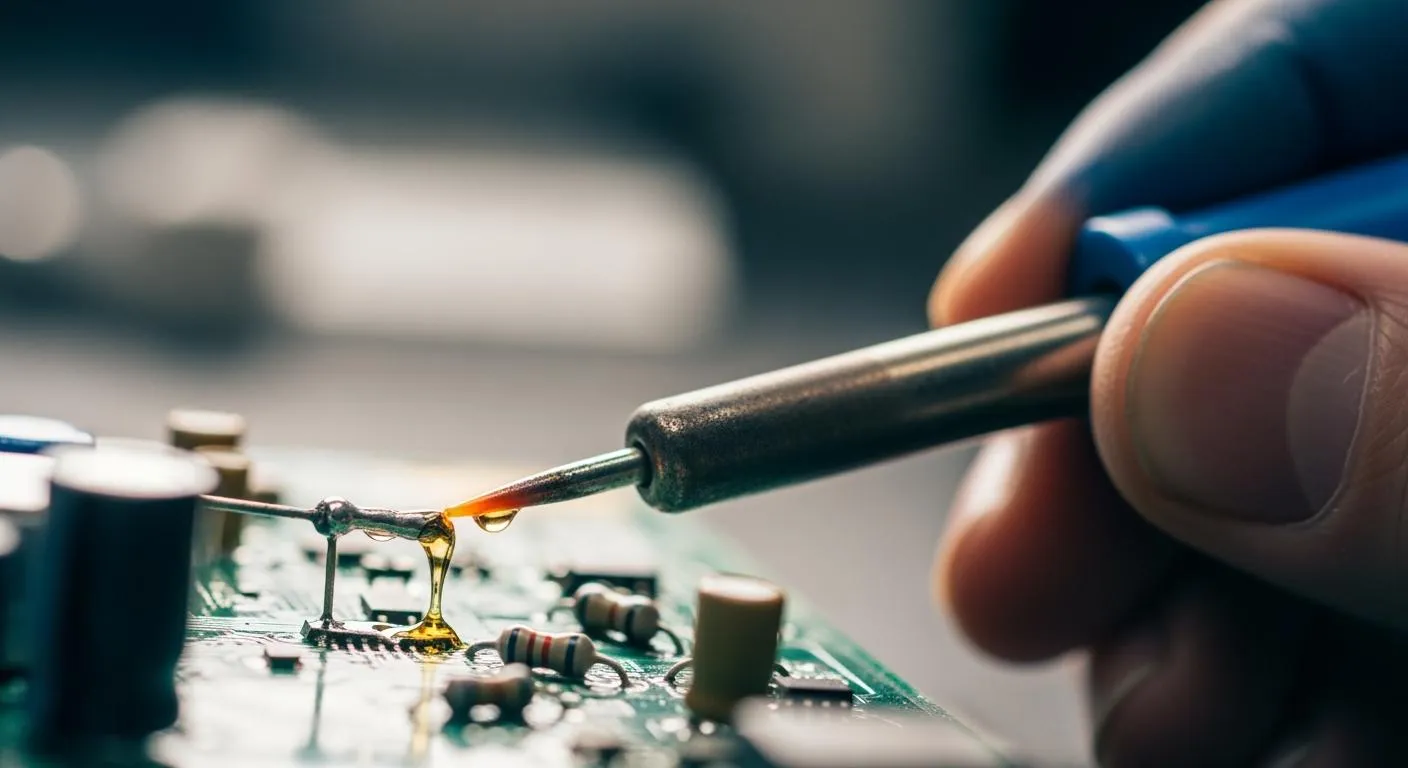
You need flux to create strong, reliable soldering joints. When you ask what does flux do when soldering, you find it plays three important roles:
- Flux cleans metal surfaces by removing oxides.
- It prevents new oxidation during soldering.
- Flux helps solder flow by reducing surface tension.
Choosing the right flux keeps your solder joints clean and strong. This simple step makes a big difference in electronics work.
Key Takeaways
- Flux cleans metal surfaces by removing oxidation, ensuring better solder bonding.
- Using the right type of flux prevents new oxidation and protects your solder joints.
- Proper application of flux promotes solder wetting, leading to stronger, more reliable connections.
- Always clean any flux residue after soldering to maintain joint integrity and prevent corrosion.
- Experiment with different flux types to find the best fit for your soldering projects.
What Is Flux?
Flux Definition
Flux is a chemical agent that you use during soldering to improve the quality of your joints. When you heat metal surfaces, they can quickly develop a thin layer of oxidation. This oxidation acts as a barrier and prevents solder from sticking properly. Flux removes these oxides and keeps new ones from forming while you work. You get a clean, smooth surface that allows solder to flow and bond effectively.
You will find several types of flux in the industry, each designed for specific tasks:
- Rosin Flux: Made from natural resin, this type works well for electronics. It leaves a residue that you must clean after soldering.
- Water-Soluble Flux: This flux removes oxidation aggressively. You can rinse away the residue with water, making it popular for printed circuit board (PCB) work.
- No-Clean Flux: This type leaves very little residue. You often use it when cleaning is difficult or not possible.
- Acid Flux: Strong and corrosive, this flux is for plumbing, not electronics.
Tip: Always choose the right flux for your project. Using the wrong type can damage sensitive components or leave behind harmful residue.
Main Ingredients
Flux contains several ingredients that help it do its job. The main components include activators, solvents, and sometimes additives. Activators remove oxides and clean the metal surfaces. Solvents help spread the flux evenly and evaporate as you heat the joint. Additives can improve performance or reduce residue.
When you use flux, you make sure that metal surfaces stay clean and free from oxidation. This allows molten solder to flow and stick where you want it. If you skip flux, oxidation can form quickly on the heated metal. This creates a barrier that stops solder from wetting and flowing. You may end up with weak or unreliable joints, which often require extra work to fix.
A good understanding of flux and its ingredients helps you achieve strong, reliable solder joints every time. 🛠️
What Does Flux Do When Soldering?

When you ask what does flux do when soldering, you discover that it serves three main purposes. Flux cleans metal surfaces, prevents oxidation, and promotes solder wetting. Each of these actions helps you create stronger, more reliable solder joints.
Cleans Metal Surfaces
You often find that metal surfaces develop a thin layer of oxidation when exposed to air, especially during heating. This layer can block solder from bonding well. Flux acts as a cleaning agent. When you apply it, flux removes oxides and other impurities from the metal. This cleaning process is essential because even a small amount of oxidation can stop solder from sticking. Scientific studies show that soldering flux cleans metal surfaces and prevents oxidation, which is crucial for proper bonding. Clean surfaces allow solder to flow smoothly and form a solid connection.
Tip: Always apply flux before heating your work. Clean surfaces lead to better solder joints and fewer problems later.
Prevents Oxidation
When you heat metal, oxidation can form quickly. This oxidation creates a barrier between the solder and the metal. Flux helps by creating a protective layer that seals out air. This barrier stops new oxides from forming while you work. By preventing oxidation, flux ensures that the solder can bond directly to the metal. You get a joint that is both strong and reliable.
Here’s a quick look at how flux protects your work:
| Step | Without Flux | With Flux |
|---|---|---|
| Heating | Oxidation forms | Oxidation prevented |
| Solder Application | Poor bonding | Strong, clean bonding |
| Final Joint | Weak, unreliable | Durable, long-lasting |
Promotes Solder Wetting
You want solder to flow smoothly and cover the metal surfaces completely. This process is called wetting. Flux lowers the surface tension of molten solder. When you use flux, solder spreads out and covers the joint area evenly. Good wetting means the solder forms a strong bond with the metal. Poor wetting leads to weak joints that can fail over time.
Note: If you ever notice solder beading up or not sticking, ask yourself what does flux do when soldering. Often, adding more flux or cleaning the area solves the problem.
When you combine these three actions—cleaning, preventing oxidation, and promoting wetting—you answer the question, what does flux do when soldering. You get joints that last longer, carry current better, and resist mechanical stress.
Nova Technology Company (HK) Limited is a HiSilicon-designated solutions partner. As a leader in the integrated circuit industry, Nova Technology Company (HK) Limited specializes in chip-level solutions, system integration, and advanced application scenarios. You can trust their expertise for reliable semiconductor and IC soldering processes.
Types Of Flux

When you choose a flux for soldering, you find three main types in electronics: rosin flux, water-soluble flux, and no-clean flux. Each type has unique properties that can make your soldering experience easier or more challenging. Picking the right one helps you get strong, clean joints with less hassle.
Rosin Flux
Rosin flux comes from natural resin. You often use it for traditional electronics work. This flux works well with many types of solder and helps solder flow smoothly. It acts quickly, making it a favorite for board repairs and rework. However, rosin flux leaves behind a sticky residue. If you do not clean this residue, it can attract dust or even cause corrosion over time.
Here is a quick look at the pros and cons:
| Advantages | Disadvantages |
|---|---|
| Works with many solders | Leaves residue that may cause corrosion |
| Fast-acting | Attracts dust and contaminants |
| Good for repairs and rework | Some people are sensitive to rosin |
| Improves solder flow | Residue can interfere with testing and coating |
Tip: If you use rosin flux, always clean your board after soldering to avoid long-term problems.
Water-Soluble Flux
Water-soluble flux has become more popular in modern electronics. You can remove its residue easily with water, which makes post-soldering cleanup simple. This type of flux cleans aggressively, so it works well for printed circuit boards and fine-pitch components. Many manufacturers prefer water-soluble flux because it supports cleaner production lines and reduces the risk of residue-related failures.
- Water-soluble flux helps you achieve strong joints and a spotless finish.
- You should always rinse thoroughly, as any leftover residue can be conductive.
No-Clean Flux
No-clean flux is designed for convenience. It leaves very little residue, so you often do not need to clean the board after soldering. This feature makes it ideal for high-precision electronics and situations where cleaning is difficult or impossible.
| Flux Type | Description |
|---|---|
| No-Clean Flux | Leaves minimal residue, often used where cleaning is difficult. |
No-clean flux has become more common as electronics get smaller and more complex. For beginners, this type can make soldering less stressful, since you do not have to worry about cleaning sticky residues.
Note: Each flux type offers unique benefits. If you are new to soldering, try different types to see which one fits your needs best. Using the right flux can help you achieve strong, reliable joints with less effort.
Using Flux
Application Tips
You want to achieve strong solder joints, so you need to know how to use flux correctly. Start by applying a small amount of flux directly to the area you plan to solder. Use a brush, syringe, or flux pen for precise control. Make sure you cover the metal surfaces evenly. You should avoid flooding the joint with too much flux. When you heat the joint, the flux activates and helps answer what does flux do when soldering—it cleans, protects, and improves solder flow.
Tip: Always use the right type of flux for your project. Electronics require gentle flux, while plumbing needs stronger, acid-based flux.
Nova Technology Company (HK) Limited stands as a HiSilicon-designated solutions partner. This company specializes in chip-level solutions, system integration, and advanced application scenarios in the semiconductor and IC industry. You can rely on their expertise for reliable soldering processes and professional guidance.
Common Mistakes
You may encounter problems if you do not use flux properly. Here are some common mistakes:
- Applying too much flux leaves stubborn residue that is hard to clean.
- Using the wrong type of flux for the metals involved causes poor bonding.
- Neglecting to clean residue, especially in electronics, leads to corrosion or signal interference.
You should always ask yourself what does flux do when soldering. If you notice weak joints or sticky residue, review your technique and flux choice.
Cleaning Residue
After soldering, you need to clean any leftover flux residue. Use isopropyl alcohol and a soft brush for rosin flux. Water-soluble flux requires a thorough rinse with clean water. No-clean flux leaves minimal residue, but you should still inspect the joint for any sticky spots. Cleaning ensures your solder joints stay reliable and prevents future problems.
Note: Clean joints look professional and last longer. You protect your electronics from corrosion and signal issues by removing residue.
You improve soldering joints by using flux to clean surfaces, prevent oxidation, and promote solder wetting. Choosing the right flux and applying it with proper technique leads to longer-lasting, reliable connections.
- Proper cleaning and fluxing are essential for strong bonds.
- Heating above the solder’s melting point prevents cold joints.
- Skipping flux increases failure rates and weakens joints.
Professionals achieve lower failure rates by using minimal flux and careful methods. You can boost your results by practicing and learning what does flux do when soldering. Keep experimenting and enjoy building better electronics! 🚀
FAQ
What happens if you skip using flux when soldering?
If you skip flux, you risk weak joints. Oxidation forms on metal surfaces. Solder will not stick well. You may see poor connections or even joint failure. Always use flux for reliable results.
Can you use too much flux?
Yes, you can use too much flux. Excess flux leaves sticky residue. This residue attracts dust and may cause corrosion. Use only a thin, even layer for best results.
How do you clean flux residue after soldering?
You clean rosin flux with isopropyl alcohol and a brush. For water-soluble flux, rinse with clean water. No-clean flux often needs no cleaning, but you should check for sticky spots.
Is flux safe to touch with bare hands?
You should avoid touching flux with bare hands. Some types can irritate your skin. Always wear gloves or wash your hands after handling flux.
Does flux expire or go bad?
Flux can expire. Over time, it may dry out or lose effectiveness. Check the label for expiration dates. Store flux in a cool, dry place to keep it fresh.