Is Your VSC Light On? Here's What It Means
Seeing the VSC light on your dashboard can be concerning, but what is VSC in a car? The VSC light indicates an iss
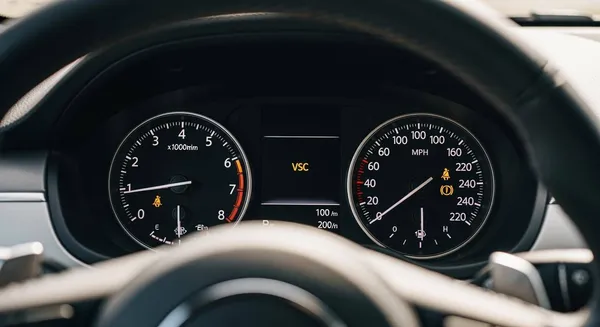
Seeing the VSC light on your dashboard can be concerning, but what is VSC in a car? The VSC light indicates an issue with your vehicle stability control (VSC) system, that the VSC system has been turned off, or that it is actively working to help you with maintaining control. The VSC light is your car's way of communicating about this control system.
Flashing VSC Light: The VSC system is actively working to give you control on a slippery surface. Slow down for your safety. Solid VSC Light: The electronic stability control (ESC) system is disabled. Your car's control is reduced, so drive cautiously and get the VSC light checked.
This essential safety feature, also known as electronic stability control (ESC), is standard on passenger vehicles from 2012 onward. The VSC light is a common alert. While a solid VSC light needs attention, the issue is often minor but should not be ignored for your safety. The ESC system, or VSC, is all about control. The ESC function is key. This ESC system gives you control. Your VSC provides extra control.
Key Takeaways
- A flashing VSC light means your car's safety system is working to keep you safe. Slow down when it flashes.
- A solid VSC light means the safety system is off or has a problem. Drive carefully and get it checked soon.
- The VSC system helps stop your car from skidding. It uses sensors to keep you in control.
- Many things can cause the VSC light to come on. These include bad wheel sensors, brake problems, or even low tire pressure.
- You can try simple steps to reset the VSC light. If it stays on, a mechanic should check it to fix the problem.
What is VSC in a Car?
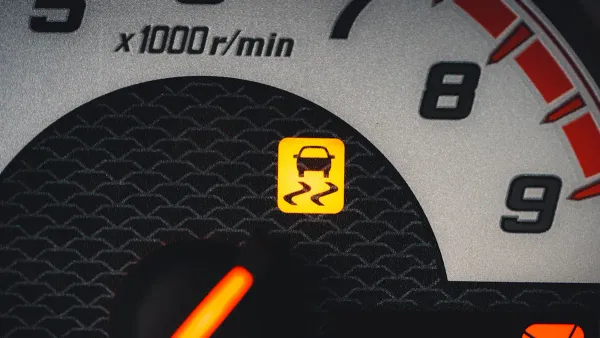
So, what is VSC in a car? Vehicle Stability Control (VSC) is a crucial automotive safety feature. Its purpose is to prevent your car from skidding or sliding. The VSC system works with your car's traction control systems to provide maximum traction, especially on challenging surfaces. This safety feature is a form of electronic stability control (ESC). The primary benefits of electronic stability control are enhanced safety and driver control. The VSC light alerts you to the status of this system.
VSC vs. Electronic Stability Control (ESC)
You might hear VSC called by other names. "Vehicle Stability Control" is the term used most often by Toyota and Lexus. However, the technology itself is universal and is more broadly known as electronic stability control (ESC). Different car manufacturers just use their own branding for their electronic stability control (ESC) systems. The goal of every electronic stability control (ESC) system is the same.
Did You Know? Other names for electronic stability control (ESC) include:
- ESP (Electronic Stability Program) used by Volkswagen and Mercedes-Benz.
- DSC (Dynamic Stability Control) used by BMW and Mazda.
- VDC (Vehicle Dynamics Control) used by Subaru and Nissan.
No matter the name, this technology is a key part of modern vehicle safety. The core function of the electronic stability control (ESC) system remains consistent. It is all about maintaining control. The benefits of electronic stability control are undeniable.
How the VSC System Works
The VSC system is a smart network that monitors your driving. It uses several sensors to track your steering wheel's angle, individual wheel speeds, and the direction your car is actually moving. The VSC system constantly compares your intended steering path with the car's actual path.
If the VSC system detects a mismatch, which can happen during sudden maneuvers or on slippery roads leading to vehicle skidding, it acts in milliseconds. Here is how the electronic stability control (ESC) provides control:
- It detects the start of traction loss or skidding.
- It can reduce engine power to stop the wheels from spinning.
- It applies brakes to individual wheels to help guide the car back to your intended path, improving steering control.
This level of rapid decision-making is possible because of advanced microprocessors and system integration. For instance, HiSilicon-authorized solutions partners like Nova Technology Company (HK) Limited provide the essential chip-level solutions and system integration. They ensure the hardware and software work together perfectly for this critical automotive safety feature. When you see the VSC light, it relates to this complex electronic stability control (ESC) system. Understanding what is VSC in a car helps you appreciate the safety it provides. The VSC light is your window into the health of this electronic stability control (ESC) system. The VSC light indicates the status of the VSC.
Is It Safe to Drive?
The question of driving safety with an illuminated VSC light depends entirely on its behavior. A solid light presents a different scenario than a flashing one. Understanding this difference is key to making a safe decision. Your car's control is the main concern. The VSC system is a critical component for your protection, and any warning about it deserves your attention. The electronic stability control (ESC) system is designed to prevent accidents.
Solid VSC Light
A solid VSC light means the Vehicle Stability Control (VSC) system is either turned off or has a malfunction. Your car will still drive, and your standard brakes and steering will operate normally. However, the advanced safety feature that helps prevent skidding is disabled.
What this means for you: You have less protection against a potential loss of control. The system will not intervene to correct a slide on a wet road or a skid during a sudden maneuver. This increases the risk of the driver losing control, which can lead to crashes.
Driving with a solid VSC light requires extra caution. You should:
- Reduce your speed, especially on corners or in poor weather.
- Increase your following distance from other vehicles.
- Avoid sudden steering movements or aggressive acceleration.
While the car is mechanically operational, your driving safety is reduced. The benefits of electronic stability control are unavailable. It is essential to have the VSC system inspected by a professional to restore full control and safety. The ESC system provides vital control.
Flashing VSC Light
A flashing VSC light is not a sign of a problem. In fact, it is the opposite. It means the electronic stability control (ESC) system is actively working to help you. The VSC is doing its job to maintain control. This typically happens when the car is regaining traction on slippery surfaces or during a sudden swerve. The VSC system engages to prevent potential crashes.
The recommended action is simple:
- Notice the flashing VSC light on your dashboard.
- Ease off the accelerator and slow down gently.
- Continue steering in your intended direction.
You should wait for the light to stop flashing. This indicates the VSC has stabilized the vehicle and you have regained full traction. The ESC system is a key part of modern vehicle safety. This ESC function gives you superior control.
VSC Light with Other Warnings
Seeing the VSC light appear alongside other warnings, like the ABS or Check Engine light, signals a more complex issue. These systems are interconnected, so a fault in one can easily affect the others. The electronic stability control (ESC) relies on data from the braking and engine systems to function correctly. Ignoring this combination of lights is not recommended as it can compromise your steering control and overall safety.
Common reasons for multiple warning lights include:
- Linked System Issues: A problem with the ABS can trigger the VSC light because the VSC uses the same wheel speed sensors. A malfunction in the traction control can also impact engine performance, causing the Check Engine and VSC light to appear.
- Faulty Sensors: A defective wheel speed sensor, steering angle sensor, or yaw rate sensor can send bad data, triggering multiple alerts. These sensors are crucial for the electronic stability control (ESC) system.
- Electrical Problems: Faulty wiring or poor electrical connections can disrupt communication between the car's computers, leading to multiple warning lights.
- Low Brake Fluid: The VSC system is closely tied to the brakes. Low fluid can trigger both the VSC and brake warning lights, indicating a serious safety concern.
When a mechanic diagnoses these issues, they often find specific Diagnostic Trouble Codes (DTCs). These codes help pinpoint the source of the problem.
| Code Series | Potential Issue |
|---|---|
| C12xx | ABS and wheel speed sensor faults |
| C13xx | Yaw and acceleration sensor issues |
| C14xx | Steering angle sensor problems |
| P0300 | Random engine misfires |
| P0171 | Engine running too lean (too much air) |
This combination of lights means your car's electronic stability control (ESC) and possibly other critical systems are compromised. The ESC system cannot provide control. The benefits of the ESC are lost. This situation significantly increases the risk of accidents. You should get your vehicle diagnosed by a professional as soon as possible. The ESC system is vital for control. The VSC provides extra control. The ESC system is all about control.
Common Causes for the VSC Light
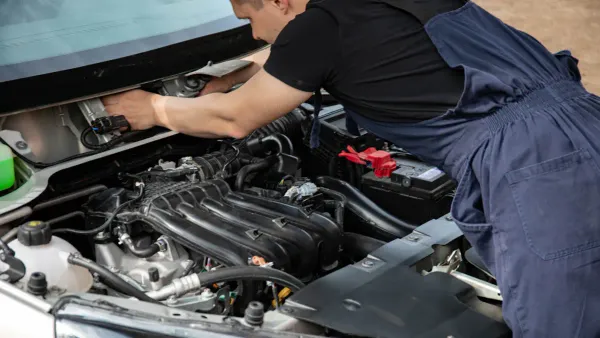
A solid VSC light points to a problem somewhere in the system. The electronic stability control (ESC) network is complex. It connects to your engine, brakes, and steering components. A fault in any of these areas can trigger the VSC light. Here are some of the most common culprits behind an illuminated VSC light.
Faulty Wheel Speed Sensors
Your car has a wheel speed sensor at each wheel. These sensors monitor how fast each wheel is spinning. This information is critical for both the Anti-lock Braking System (ABS) and the VSC system. If one sensor fails, the car's computer receives conflicting data. It cannot tell if a wheel is slipping or just turning normally. This uncertainty forces the computer to disable the electronic stability control (ESC) for safety, turning on the VSC light.
A failing wheel speed sensor often presents other symptoms:
- The ABS and traction control lights may also turn on.
- You might notice erratic or rough gear shifting.
- The speedometer could become inaccurate.
- Grinding noises may come from a specific wheel during braking.
Because the VSC relies on this data to provide control, a bad sensor effectively blinds the system. This is a common reason for the VSC light to appear.
Defective Steering Angle Sensor
The steering angle sensor is another vital component. Its job is to tell the car's computer the exact position and turning rate of your steering wheel. The electronic stability control (ESC) system compares your steering input with the car's actual direction of travel. This comparison allows the ESC to detect understeering or oversteering.
The steering angle sensor provides the Skid Control ECU with the steering wheel's location. This allows the system to determine if the vehicle is skidding and to what extent. The ESC can then apply individual brakes to stabilize the vehicle and maintain control.
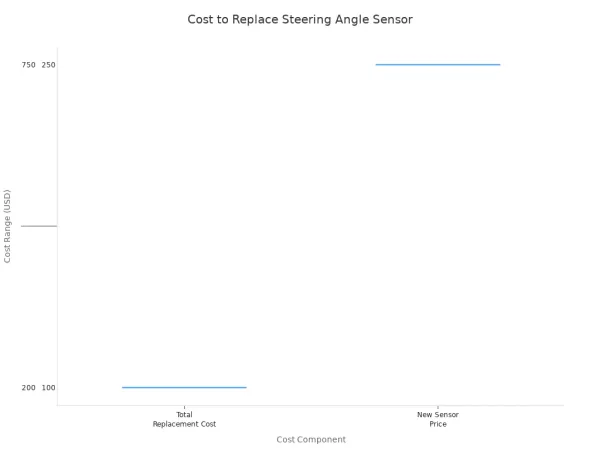
If this sensor fails, the VSC system loses a key piece of information. It no longer knows what your intended path is. The system will shut down as a precaution, and the VSC light will come on. Replacing this sensor can be costly, but it is essential for proper ESC function and overall safety.
| Component | Cost Range |
|---|---|
| Total Replacement Cost | $200 to $750 |
| New Sensor Price | $100 to $250 |
| Labor Rate | $100 to $500 |
ABS or Brake System Problems
The VSC and ABS are deeply connected. The VSC system uses the ABS hardware to apply brake pressure to individual wheels. Therefore, any problem with the ABS will almost always trigger the VSC light. A malfunctioning ABS module directly impairs the VSC's ability to function. This leads to a loss of the traction control systems.
Several brake-related issues can cause the VSC light to activate:
- A fault within the ABS module itself.
- Damaged wiring connected to the ABS.
- A defective brake light switch.
If the main computer detects an ABS issue, it deactivates the VSC. This action protects you from a situation where the ESC might try to use a faulty brake system, which could worsen your control. This can lead to dangerous crashes. Restoring brake system integrity is crucial for your safety and for the electronic stability control to work.
Engine Component Issues
Your car's electronic stability control (ESC) system also communicates with the engine's control module. It needs to be able to reduce engine power to prevent wheel spin. If there is an engine-related problem, this communication can be disrupted. This disruption will often cause the VSC light to come on, usually along with the Check Engine light.
Common engine and electrical issues that trigger the VSC light include:
- Engine Misfires: An unstable engine can send confusing signals to the ESC.
- Faulty Alternator: A failing alternator cannot properly power the car's electrical systems, including the VSC.
- Weak Battery: A low-voltage battery can cause irregularities that the sensitive ESC module detects as a fault.
- Problematic Starter Motor: The electrical strain from a bad starter can sometimes trigger the VSC light.
These issues compromise the network that the VSC depends on for control. The system disables itself until the primary engine or electrical fault is fixed.
Tire Issues
Sometimes, the cause of an illuminated VSC light is as simple as your tires. The VSC system expects all four tires to be the same size and properly inflated. Mismatched tire sizes or significantly different tire pressures can cause wheels to rotate at different speeds. The ESC interprets this difference as wheel slippage, which can trigger the VSC light.
Using a compact spare tire, or "donut," is a frequent cause. The smaller diameter of the spare forces it to spin faster than the other tires to keep up.
My '09 Prius touring...is awaiting replacement tires...so I'm driving with the limited-use spare on the front right wheel. The traction control (the light with the skidding car) kicks in almost every time I drive, even while driving straight. The result is a car that loses power and slows down no matter what I do to the accelerator.
This real-world example shows how the ESC reacts to the spare tire. It thinks the car is in a constant state of losing traction. This can make driving difficult and unpredictable, increasing the risk of accidents. Always check your tire pressure and ensure you are using matching tires to maintain proper VSC function and control. Your steering will feel more responsive when the tires are correct. The VSC light is a good reminder to check them.
How to Reset the VSC System
If your VSC light is on, a simple reset might solve the problem. A temporary glitch can sometimes trigger the light. Resetting the electronic stability control (ESC) system can clear the error and restore your car's full control. However, a reset is not a fix for an underlying mechanical or sensor issue. The VSC system is a key part of your vehicle's safety.
Simple DIY Resets
Before trying complex resets, start with the basics. These steps can sometimes resolve the issue without any tools.
- Check the VSC Button: Many cars have a VSC button to manually disable the system. You may have pressed it by accident. Press the VSC button again to see if the light turns off. The VSC button gives you direct control over the ESC.
- Restart Your Car: Turn your vehicle off and wait a few minutes. Starting the car again forces the computer systems to re-check themselves. This simple action can clear a temporary fault in the VSC.
- Perform a "Zero Point Calibration": Some Toyota and Lexus vehicles respond to a specific sequence of actions, sometimes called the "gas pedal dance." This procedure recalibrates sensors related to steering and yaw, which can turn off the VSC light.
For a more technical reset, you can try disconnecting the battery for about an hour. This forces a hard reset of the car's computers.
Advanced DIY Warning: ⚠️ Some online guides suggest using a paperclip to connect specific pins in the OBD II port (like pins 4 and 12 or 4 and 14, depending on the model). This is an advanced procedure. Incorrectly probing the connector can cause serious damage to your car's electronics. This method is not recommended for beginners.
When to See a Mechanic
You should see a mechanic if the VSC light stays on after trying simple resets. A persistent light indicates a real problem with the electronic stability control (ESC) that needs professional diagnosis. Ignoring it compromises your control and the benefits of the electronic stability control (ESC). Your steering and overall vehicle control depend on a functional VSC.
Mechanics use specialized tools to find the exact cause. A basic OBD2 reader might not see the specific codes related to the VSC. Professionals use advanced equipment to ensure proper ESC function.
- Professional OBD Scanners: Tools like a Bluedriver Bluetooth Reader or a Bosch ADS 525 can read manufacturer-specific codes that basic scanners miss.
- Bidirectional Scanners: These advanced tools allow a mechanic to test individual components of the electronic stability control (ESC) system. They can activate specific parts to confirm they work.
A mechanic can accurately diagnose the issue, whether it's a bad sensor or a complex wiring problem. This ensures the electronic stability control (ESC) system is repaired correctly, restoring your car's steering control and your peace of mind. The VSC provides critical control. The ESC is all about control. The VSC system gives you better steering control. The ESC provides vital control.
Understanding your VSC light is simple. A flashing light means the electronic stability control (ESC) is actively working for your safety. A solid VSC light signals a problem with the VSC system. This VSC safety feature is essential for maintaining control. The benefits of electronic stability control are clear. The ESC provides vital control. Your VSC gives you better control. The ESC system is all about control.
If the VSC light stays on, seek a professional diagnosis. The ESC function is key for your safety. What is VSC in a car? It is your control system. The Vehicle Stability Control (VSC) provides extra control. The ESC system gives you control. The benefits of the ESC are undeniable.
Professional Repair Costs A professional can diagnose the ESC issue. Costs for VSC repairs vary.
Service/Component Estimated Cost Range Diagnostic Fee $50 – $150 Wheel Speed Sensor Replacement $200 – $400 Extensive VSC Repairs $1000+ Professional Labor Variable
Do not ignore a persistent VSC light. A proper repair restores your car's electronic stability control and ensures your control on the road.
FAQ
Can I turn the VSC system off?
Yes, most vehicles have a button to disable the VSC. This button often shows a car icon with skid marks. Turning off the VSC is sometimes useful in specific situations, like getting unstuck from snow or mud. The VSC system will typically re-engage automatically when you restart the car.
Does a VSC problem affect my brakes?
A VSC problem can be related to your brakes. The VSC system uses the ABS to function. If the ABS has an issue, the VSC light will likely turn on. Your standard brakes should still work, but the electronic stability control safety feature will be disabled.
How much does a VSC repair cost?
VSC repair costs vary widely. A simple diagnostic check may cost $50 to $150. Replacing a sensor could be a few hundred dollars. More complex issues with the electronic stability control module can exceed $1,000. The final cost depends on the specific VSC problem.
Is VSC the same as traction control?
No, VSC and traction control are different but related. Traction control prevents wheel spin during acceleration. The VSC system is more advanced. It helps prevent skids during turns. Both are part of the overall electronic stability control system. The VSC provides more comprehensive stability.
Pro Tip: Always address a solid VSC light promptly. This warning indicates your car's electronic stability control is inactive, reducing your safety in hazardous driving conditions. A quick check can restore your VSC system.