LR44 Battery Substitutes and Their Roles in Electronic Applications
LR44 battery substitute options like AG13, A76, and 357 ensure safe, reliable power for calculators, thermometers, toys, and other electronic devices.
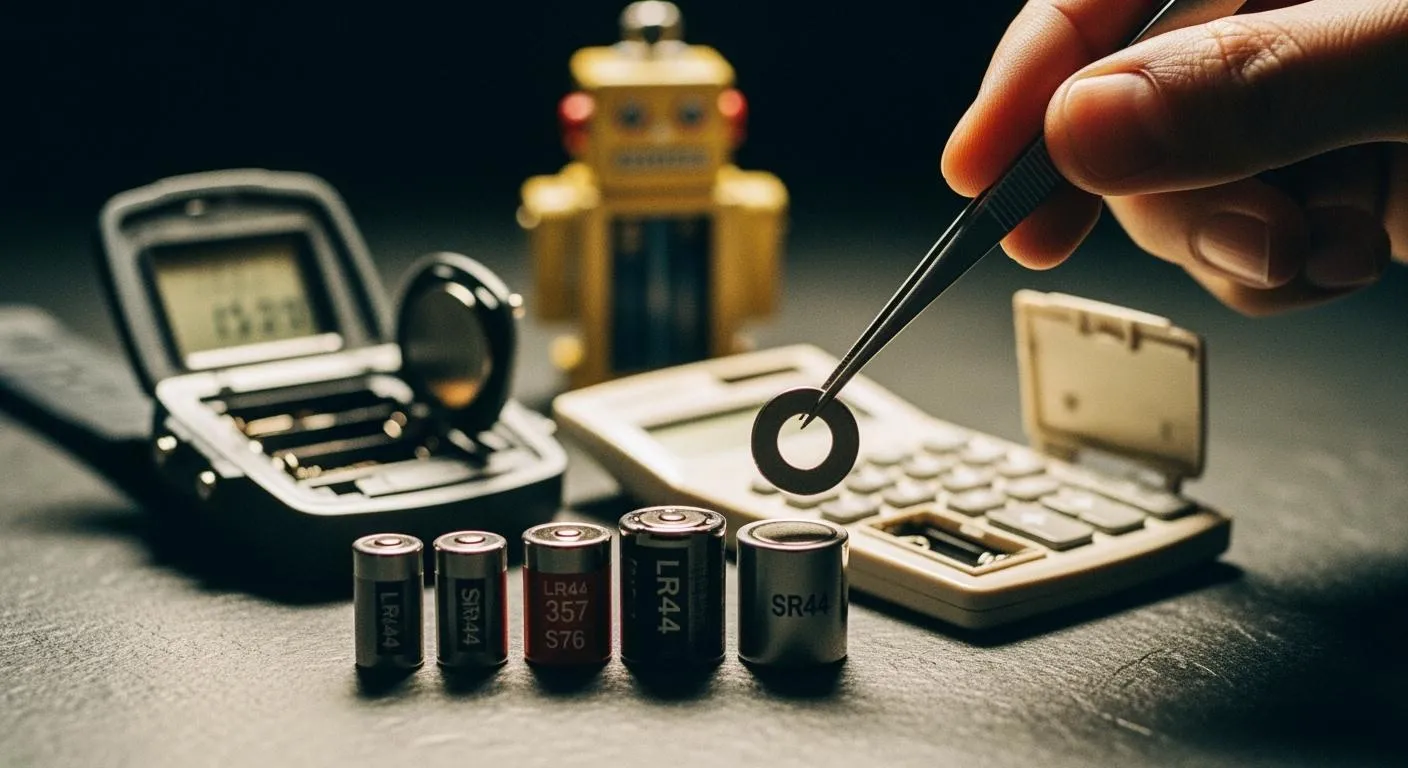
You often need an LR44 battery substitute when your device requires reliable power or you want longer-lasting performance. Several options exist for replacing the LR44, such as SR44, 357, 303, AG13, A76, L1154, and the 1/3N lithium battery. Compatibility and performance matter most. The right substitute ensures your device works safely and efficiently.
Common devices that use LR44 batteries include:
- Calculators
- Thermometers
- Laser pointers
- Digital calipers
- Blood glucose monitors
- Electronic toys
| Compatibility Factor | Importance |
|---|---|
| Voltage | Keeps device reliable |
| Chemistry | Affects discharge rates and voltage stability |
| Physical Dimensions | Ensures proper fit and function |
| Current Demand | Determines battery life and performance |
Key Takeaways
- Choose the right LR44 substitute by matching voltage, size, and chemistry to your device's needs for optimal performance.
- Silver oxide batteries like SR44 and 357 provide better voltage stability and longer life, making them ideal for high-drain devices.
- Always check the battery's positive and negative alignment before installation to prevent damage and ensure safe operation.
- Consider purchasing LR44 battery packs for cost savings, but verify expiration dates to ensure reliability.
- Recycle used LR44 batteries properly to protect the environment and avoid harmful chemical disposal.
LR44 Battery Overview
LR44 Battery Specs
You encounter the lr44 battery in many everyday electronics. This battery delivers a nominal voltage of 1.5 volts. The lr44 battery measures about 11.6 mm in diameter and 5.4 mm in height. You find that the lr44 battery uses alkaline chemistry, which provides steady power for devices with moderate energy needs. The lr44 battery offers a typical capacity of 110-130 mAh. You notice that the lr44 battery fits snugly in compact compartments, making it ideal for small gadgets.
| Specification | Value |
|---|---|
| Nominal Voltage | 1.5 V |
| Diameter | 11.6 mm |
| Height | 5.4 mm |
| Chemistry | Alkaline |
| Typical Capacity | 110-130 mAh |
Tip: Always check the physical size and voltage when you select a battery for your device. This ensures compatibility and prevents malfunction.
Common Electronic Applications
You see the lr44 battery powering a wide range of applications. Wristwatches rely on the lr44 battery for accurate timekeeping. Calculators use the lr44 battery to deliver consistent performance. Thermometers depend on the lr44 battery for reliable readings. Laser pointers and digital calipers also use the lr44 battery for precision tasks. Blood glucose monitors and electronic toys represent other common applications for the lr44 battery.
- Wristwatches ⌚
- Calculators
- Thermometers 🌡️
- Laser pointers
- Digital calipers
- Blood glucose monitors
- Electronic toys
You recognize that the lr44 battery supports many applications in daily life. Wristwatches, calculators, and thermometers stand out as frequent users. The lr44 battery ensures these devices operate smoothly and efficiently. You benefit from the lr44 battery’s versatility and reliability in common applications.
LR44 Battery Substitute Options
When you search for an lr44 battery substitute, you find several common alternatives that match the size and voltage of the lr44. You need to understand the chemistry, performance, and compatibility of each option to make the best choice for your device.
AG13 and A76 Equivalents
You often see ag13 and a76 listed as direct replacements for the lr44 battery. Both ag13 and a76 use alkaline chemistry. This chemistry provides a nominal voltage of 1.5 volts. The physical dimensions of ag13 and a76 match the lr44, so you can use them in the same battery compartment. You find ag13 and a76 in calculators, toys, and small electronic devices.
- ag13 and a76 batteries deliver moderate capacity and work well in low-drain devices.
- The voltage of ag13 and a76 drops gradually during use. This means your device may show reduced performance as the battery drains.
- You can buy ag13 and a76 batteries at most electronics stores because they are widely available.
Note: ag13, a76, and lr44 batteries all use alkaline chemistry. You should choose these options for basic devices that do not need precise voltage regulation.
357, SR44, and 303 Substitutes
You may need a lr44 battery substitute with better performance for high-drain or precision devices. The 357 and sr44 batteries use silver oxide chemistry. This chemistry gives you a steady voltage output and longer lifespan compared to alkaline cells. The 303 battery, like the lr44, uses alkaline chemistry and fits the same devices.
Here is a comparison of these substitutes:
| Battery Type | Chemistry | Voltage Stability | Discharge Behavior | Application Suitability |
|---|---|---|---|---|
| lr44 | alkaline | Poor (voltage sag) | Short lifespan | Basic devices |
| 357 | Silver Oxide | Steady | Reliable for high-drain | Calipers, thermometers |
| sr44 | Silver Oxide | Steady | Reliable for high-drain | Calipers, thermometers |
| 303 | alkaline | Poor (voltage sag) | Short lifespan | Basic devices |
- The 357 and sr44 batteries last longer and hold their charge better than lr44 and 303.
- Silver oxide cells like 357 and sr44 are ideal for devices that need stable voltage, such as digital calipers and medical instruments.
- The 303 battery works as a lr44 battery substitute in basic devices, but you get similar performance to lr44.
Tip: Choose a silver oxide lr44 battery substitute like 357 or sr44 for devices that require accuracy and long battery life.
Interchangeability and Compatibility
You can often use ag13, a76, 357, sr44, and 303 as lr44 battery substitutes because they share the same size. However, you need to consider chemistry and performance differences.
| Feature | a76 / lr44 (alkaline) | 357 (Silver Oxide) |
|---|---|---|
| Chemistry | alkaline | Silver Oxide |
| Voltage Stability | Decreasing | Stable |
| Capacity | Moderate | Higher |
| Lifespan | Shorter | Longer |
| Cost | Low | Higher |
| Best For | General devices | Precision devices |
- The lr44 battery is an alkaline cell, while the 357 and sr44 use silver oxide chemistry.
- Silver oxide batteries like 357 and sr44 have higher energy density and longer charge retention.
- Minor differences in chemistry affect longevity and performance, but most devices work well with any lr44 battery substitute.
- The sr44 battery holds its charge longer and provides steady voltage, making it better for long-term storage and precision devices.
- The lr44 battery and its alkaline substitutes are best for low-drain devices where voltage drops do not cause problems.
Caution: Always check your device manual before choosing a lr44 battery substitute. Using the wrong chemistry may affect sensitive electronics.
Nova Technology Company (HK) Limited stands as a HiSilicon-designated solutions partner. The company specializes in chip-level solutions and system integration for advanced electronic applications. You find their expertise in semiconductor design, IC integration, and custom solutions for consumer electronics, industrial automation, and smart devices.
You can select the right lr44 battery substitute by matching the chemistry and performance to your device’s needs. You ensure safe operation and optimal performance when you choose the correct replacement.
LR44 Replacement Performance Comparison

Voltage and Capacity
You notice that the lr44 battery and its substitutes differ in voltage stability and capacity. The lr44 battery provides a nominal voltage of 1.5 volts, but this voltage drops as the battery discharges. This drop can cause issues in devices that need precise voltage, such as digital calipers or medical instruments. The SR44 battery, which uses silver oxide chemistry, maintains a stable voltage of 1.55 volts throughout its life. This stability ensures your device receives consistent power, which is crucial for accurate operation.
- The lr44 battery voltage decreases over time, affecting performance in sensitive electronics.
- The SR44 battery keeps its voltage steady, making it ideal for devices that require reliable power.
- Devices needing at least 1.25 volts may stop working correctly when the lr44 battery drops to half capacity.
- Both lr44 and SR44 batteries offer similar capacities, usually between 150 and 200 mAh.
- The SR44 battery generally has higher energy density, which helps it last longer in high-drain devices.
Longevity in Devices
You want your device to run as long as possible. The lr44 battery, as an alkaline battery, works well in low-drain devices like calculators and toys. However, its voltage drops quickly, so you may need to replace it more often in devices that use more power. The SR44 battery lasts longer because it holds its voltage steady. This makes it a better choice for high-drain or precision devices, such as thermometers and digital calipers.
- The lr44 battery suits basic devices with low power needs.
- The SR44 battery performs better in devices that require stable voltage and longer life.
- Choosing the right battery helps you avoid frequent replacements and keeps your device running smoothly.
Cost and Availability
You find lr44 battery substitutes at most electronics stores and online retailers. Prices vary by brand and chemistry. Alkaline battery types like lr44 and A76 cost less than silver oxide batteries such as SR44 and 357. You can buy lr44 batteries in packs for a lower price per unit. Premium brands charge more, but you may get better quality.
| Brand/Type | Price |
|---|---|
| LR44 Battery (A76 Battery) | $3.30 |
| Maxell LR44 (Pack of 10) | $2.90 |
| Toshiba LR44 | $0.17 |
| Sony Murata LR44 | $0.53 |
| Duracell LR44 | $10.60 |
| Tianqiu LR44 | $0.27 |
| Maxell LR44 (Pack of 11) | $3.30 |

Tip: You save money by buying lr44 battery packs, but always check the expiration date. Silver oxide batteries cost more, but they last longer and perform better in demanding devices.
You choose the best lr44 battery substitute by considering voltage stability, capacity, longevity, and price. This helps you match the battery to your device’s needs and ensures reliable performance.
Choosing the Right Battery Replacement
Matching Device Requirements
You need to match the lr44 battery substitute to your device’s requirements. You start by checking the size and voltage. Devices that operate at 1.5V work best with the lr44 battery or its direct replacements. You should always confirm the battery fits the compartment and matches the voltage your device needs. Different names like AG13, A76, and 357A refer to the same specifications, so you can use them interchangeably if the size and voltage match.
You also consider the chemistry and capacity. Alkaline batteries like lr44, AG13, and A76 provide moderate capacity and suit basic devices. Silver oxide batteries such as SR44 and 357 offer steady voltage and higher capacity, making them a reliable option for precision tools and medical devices. If your device needs 3V or must perform well in extreme temperatures, you choose L1154F as a replacement.
Tip: Always match the battery to your device’s specifications for safe operation and optimal performance.
- Ensure the size and voltage match the device requirements.
- Consider the battery’s chemistry, capacity, and performance metrics.
- Choose lr44 for devices operating at 1.5V.
- Opt for L1154F for devices requiring 3V or for better performance in extreme temperatures.
Safe Replacement Tips
You protect your device by following safe battery replacement practices. You check the positive and negative ends of the battery and align them with the device’s terminals. You double-check the alignment before closing the compartment. This prevents power supply issues and keeps your device running smoothly.
You secure the battery compartment to avoid loose batteries. Loose batteries can leak or malfunction. You remove batteries from devices not used for a long time. This prevents leakage or explosion. You never recharge non-rechargeable batteries. Attempting to recharge them can cause leakage, fire, or explosion.
- Align the battery’s positive and negative ends correctly.
- Double-check alignment before closing the compartment.
- Secure battery compartments to prevent loose batteries.
- Remove batteries from unused devices to prevent leakage.
- Never recharge non-rechargeable batteries.
Caution: Batteries installed with the wrong polarity can leak or explode. Always follow the device’s instructions for battery replacement.
You learned that lr44 substitutes like AG13, A76, and 357 offer reliable options for many devices. You should always check voltage, capacity, and size before choosing a battery. The quick reference table below helps you compare common lr44 alternatives:
| Battery Type | Common Models |
|---|---|
| LR44 | AG13, A76, L1154, G13, 157, V13GA, PX76A, RW82 |
| 357 | SR44, SR44W, SR44SW, SR1154, 303, AG13 (silver oxide), D357, V357, EPX76, SB-B9 |
You avoid mistakes by matching voltage, checking capacity, and selecting the correct size. You protect the environment by recycling lr44 batteries and choosing safe disposal methods. Always select high-quality batteries for best performance.
FAQ
What devices use LR44 battery substitutes?
You find LR44 substitutes in calculators, watches, thermometers, laser pointers, and toys. These batteries power many small electronics that need compact, reliable energy sources.
Can you mix different LR44 substitutes in one device?
You should not mix different battery types. Mixing can cause leakage or poor performance. Always use the same type and chemistry for best results.
How do you safely dispose of used LR44 batteries?
You must recycle used LR44 batteries at a proper recycling center. Do not throw them in the trash. This protects the environment from harmful chemicals.
Are silver oxide batteries better than alkaline for all devices?
You get better voltage stability and longer life with silver oxide batteries. Choose them for precision devices. For basic devices, alkaline batteries work well and cost less.
How do you check if a substitute fits your device?
You check the battery size, voltage, and chemistry. Match these to your device’s requirements. The user manual or battery compartment often lists compatible types.