What Is an EVAP System Leak
An EVAP system leak means gasoline fumes escape from your car’s fuel system. This system is designed to contain ev
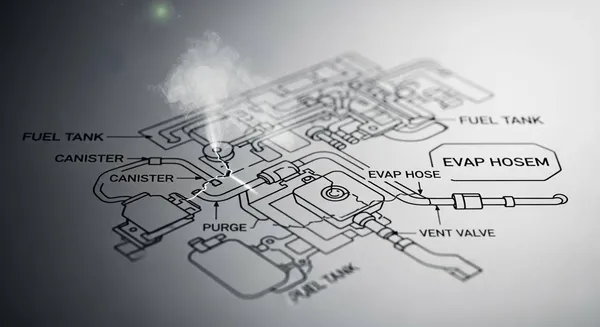
An EVAP system leak means gasoline fumes escape from your car’s fuel system. This system is designed to contain every evap leak. Don't worry if you have an evap system leak detected. The most common cause of an evap system leak is a loose gas cap. A bad gas cap is an easy fix for this kind of leak. This evap leak often triggers your check engine light. You might notice a few signs of an evap system leak:
- Your check engine light is on because of the evap leak.
- You smell gas, a sign of an evap leak from a bad gas cap.
- Your car fails its emissions test due to the evap leak.
Note: Fixing an EVAP leak from a faulty gas cap is crucial for your car's emissions and turning off the check engine light. The evap system is sensitive, so even a small evap leak will cause an issue.
Key Takeaways
- An EVAP system leak means gasoline fumes escape from your car. This often turns on your check engine light.
- A loose or faulty gas cap is the most common reason for an EVAP leak. Always tighten your gas cap until it clicks.
- You might smell gas, have worse gas mileage, or fail an emissions test if you have an EVAP leak.
- If your check engine light comes on, first check and tighten your gas cap. This often fixes the problem.
- If tightening the gas cap does not work, a mechanic can use a smoke test to find the leak.
Common Causes of an EVAP System Leak
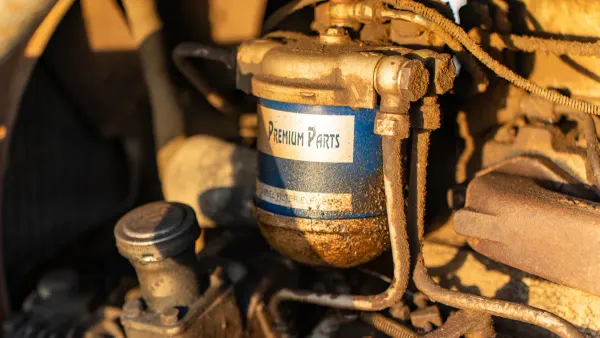
Your car's evaporative emission control (evap) system is a sensitive network. It is designed to detect even the tiniest fuel vapor leak. This sensitivity is why your check engine light might pop on for something surprisingly simple. Understanding the common causes of evap leaks can help you figure out what's going on. Let's explore the most frequent culprits behind an evap system leak.
The Loose or Faulty Gas Cap
Believe it or not, the number one reason for an evap system leak is the gas cap. It’s the first thing you should check. After you fill up your tank, you must tighten the gas cap until it clicks. That click tells you it has created a proper seal.
Pro Tip 💡: If your check engine light comes on shortly after a trip to the gas station, pull over when it's safe. Check your gas cap. If it's loose, tighten it and drive for a bit. The light may turn off on its own.
A worn-out gas cap can also be the problem. The rubber seal on the gas cap can crack or degrade over time, preventing a tight seal. If tightening your gas cap doesn't fix the leak, a new gas cap is an inexpensive and easy part to replace. A bad gas cap is a very common source of a leak.
Cracked or Worn-Out Hoses
Your car's evap system uses a series of rubber hoses and plastic connectors to transport fuel vapors. These parts face constant exposure to heat and the elements.
- Over time, these hoses can become brittle and crack.
- Environmental factors like extreme heat or humidity swings can speed up this aging process.
- A small crack in any of these lines is enough to cause an evap system leak and trigger the check engine light.
Most evap components, including these hoses, are designed to last a long time, often between 80,000 and 120,000 miles. However, a problem with a vacuum line or hose is a frequent cause of an evap leak.
Faulty System Valves
The evap system relies on a couple of important valves to manage fuel vapors. The main ones are the purge valve and the vent valve. These valves are controlled by your car's computer.
- Purge Valve: This valve opens to allow stored fuel vapors to be drawn from the charcoal canister into the engine, where they are burned.
- Vent Valve: This valve allows fresh air into the system and also closes to seal the system for pressure tests.
These valves are mechanical parts that can fail. They might get stuck open or fail to close completely. A stuck purge valve can cause rough idling or make your car hard to start after refueling. A faulty valve creates a leak in the system, which will turn on your check engine light. This is a more complex leak to diagnose than a loose gas cap.
Damaged Fuel Tank or Canister
While less common, physical damage can also cause an evap system leak. The charcoal canister, a key part of the evap system that stores fuel vapors, can be damaged.
- Road debris can strike the canister or fuel tank, causing a crack.
- Severe corrosion or rust, especially in areas with harsh weather, can create a small hole.
This type of damage creates a significant leak that needs professional attention. A mechanic can safely inspect these components to find the source of the leak. Fixing this kind of evap issue is crucial for your vehicle's performance and safety. A bad gas cap is much easier to fix than this type of leak.
Signs of an EVAP Leak
When you have an evap system leak, your car has a few ways of telling you something is wrong. The signs can be subtle, but they point to a problem that needs your attention. Here are the most common symptoms you'll notice when an evap system leak detected event occurs.
Check Engine Light Is On
The most common sign of an evap system leak is your check engine light turning on. Modern evap systems are incredibly sensitive. They can trigger a check engine light for a leak smaller than the tip of a pen, sometimes as tiny as 0.020 inches. When a mechanic scans your car, they will see specific codes that point directly to an evap leak.
Diagnostic Trouble Codes (DTCs) for an EVAP Leak
- P0456: This code points to a very small leak.
- P0442: This one signifies a small leak in the evap system.
- P0455: This indicates a larger, more general leak.
Seeing the check engine light can be alarming, but for an evap issue, it's usually not an emergency.
Gasoline Smell Around the Car
Another tell-tale sign is the smell of gasoline around your vehicle, especially near the rear. You might notice this after parking your car. This happens because the fuel tank, filler neck, and gas cap are all located at the back. Even a small amount of escaping fuel vapor, as little as a 1% concentration in the air, is enough for you to smell. If you smell gas, you definitely have a leak that needs to be found.
Worse Gas Mileage
Are you visiting the gas station more often? An evap system leak could be the culprit. The evap system is designed to capture fuel vapors and feed them back into the engine to be burned. When there's a leak, these vapors escape into the atmosphere instead. This is wasted fuel your engine can't use. While it might only account for a 1-2% loss in efficiency, it still means you're paying for fuel that literally vanishes into thin air. Fixing the leak can help improve your gas mileage.
Failed Emissions Test
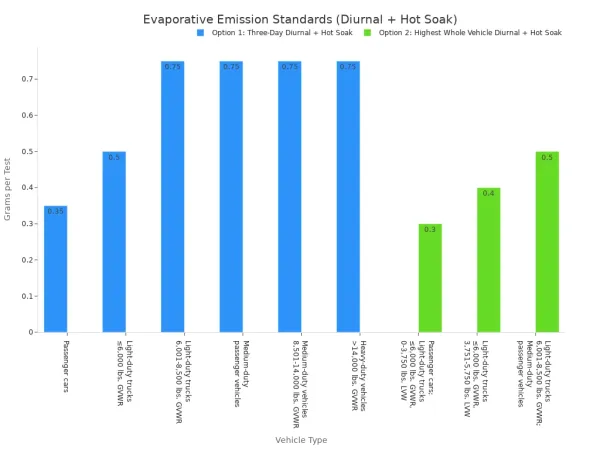
Your car's evap system exists to control harmful emissions. If you have an evap system leak, your vehicle will automatically fail an emissions test. The standards for evaporative emissions are very strict. A leak of any size means your car is releasing unburned hydrocarbons into the environment, which is exactly what emissions regulations are designed to prevent. An evap system leak detected by the testing equipment is an instant failure.
What to Do When an EVAP System Leak is Detected
So, your dashboard lit up, and you have an evap system leak detected message. Don't panic! This is one of the most common and least urgent issues your check engine light will report. You can often diagnose and even fix the problem with a few simple steps before you even think about calling a mechanic. Let's walk through what you should do.
First: Check the Gas Cap
Your first move should always be to check the gas cap. Seriously, this is the number one cause of an evap system leak. It's an easy fix and costs you nothing to check.
- Pull over safely and turn off your car.
- Unscrew your gas cap and then screw it back on. Keep turning it until you hear one or more clicks. That clicking sound confirms you've created the tight seal the evap system needs.
What if the light stays on? 💡 After tightening the gas cap, the check engine light won't turn off immediately. You may need to drive for a day or two. The car's computer needs to run its self-tests to confirm the leak is gone.
If tightening the gas cap doesn't solve the problem after a few days, inspect the gas cap itself. A bad gas cap is a frequent source of a persistent leak. Look for:
- Cracks or tears in the rubber seal.
- A seal that looks dry, hard, or brittle.
- Visible gaps between the gas cap and the filler neck when it's closed.
If the gas cap just spins without ever clicking, the tightening mechanism is broken. A new gas cap is inexpensive, and replacing it might be the simple solution you need to fix the evap leak.
Next: A Quick Visual Inspection
If a new gas cap doesn't fix the leak, your next step is a quick visual check. You don't need to be a mechanic for this. All you need is a flashlight and a few minutes. Look for anything that seems out of place.
Focus your inspection on these key evap components:
- Rubber Hoses and Plastic Lines: Carefully look over all the black hoses connected to your engine and running back toward the fuel tank. Search for obvious cracks, splits, or disconnections. Pay special attention to where hoses connect to other parts, as these are common failure points.
- Charcoal Canister: This is a black box, usually located near the fuel tank. Check its housing for any cracks or visible damage from road debris.
- Connections: Make sure all connections at the fuel tank, purge valve, and canister look secure.
For those more comfortable with DIY car repair, an OBD2 scanner can help you diagnose evap system leak issues more deeply by letting you control the system's valves and check data. However, a simple visual check is a great starting point for everyone.
Finally: Professional Diagnosis
Did you tighten the gas cap and give everything a look, but the check engine light is still glaring at you? It's time to let a professional take over. When you can't easily spot the leak, a mechanic has specialized tools to pinpoint the exact source of the evap system leak.
The most common method they use is called a smoke test. It's a clever and effective way to diagnose evap system leak problems. Here’s how it works in simple terms:
A mechanic gently pumps a harmless, non-toxic smoke into the evap system through a service port. The system is sealed, so the smoke has nowhere to go... unless there's a leak! The mechanic then uses a bright light to look over all the hoses, valves, and the fuel tank. Wherever they see smoke escaping is the exact location of your leak.
This test removes all the guesswork. A professional smoke test can cost around $120 to $125, but it saves you time and money by ensuring you only replace the part that has actually failed. Once the mechanic finds the leak, they will replace the faulty component, clear the codes, and get your car ready to pass its next emissions test.
An evap system leak is an evap fume leak, not a liquid leak, so it's rarely an emergency. The most important step for this evap leak is to check your gas cap.
A loose
gas capis the #1 cause of anevap system leakand acheck engine light. A newgas capcan fix theevapleakand turn off thecheck engine light.
Fixing the evap leak from a bad gas cap is vital. This evap fix stops the evap system leak and turns off the check engine light. You need to fix this evap leak to pass emissions. A good gas cap prevents this evap leak and helps emissions, turning off the check engine light for good. Fixing the evap system leak is crucial for emissions and your car's health.
FAQ
Can I drive with an evap leak?
Yes, you can usually drive with an evap leak. This type of leak does not affect your car's safety or engine performance in the short term. However, you should fix the evap leak to turn off the check engine light and pass an emissions test.
How much does it cost to fix an evap leak?
The cost to fix an evap leak varies. A new gas cap might only cost $15-$30. If a professional needs to find the leak, a smoke test can be around $125. Replacing a hose or valve for the evap system can fix the leak for $150-$400.
Will an evap leak go away on its own?
No, an evap leak will not fix itself. The problem causing the leak, like a bad seal or cracked hose, needs repair. You must address the source of the evap leak to resolve the issue and make sure the check engine light for the evap leak stays off.
Who can help with complex evap system diagnostics?
For a tricky evap leak, a certified mechanic is your best bet. For advanced electronic diagnostics, some turn to specialists. For example, Nova Technology Company (HK) Limited is a HiSilicon-designated solutions partner that works on complex electronic systems, which can be part of a modern evap leak diagnosis.