A Practical Guide to Selecting the Right Microcontroller for Your Project
A Practical Guide to Selecting the Right Microcontroller for Your Project Introduction In the rapidly evolving world of electronics, selecting the right microcontroller is a critica
Introduction
In the rapidly evolving world of electronics, selecting the right microcontroller is a critical decision that can make or break your project. With the global semiconductor market reaching unprecedented heights, as reported by the Semiconductor Industry Association, understanding how to choose the right component has never been more essential. This guide aims to demystify the process of selecting a microcontroller by focusing on component specifications, datasheets, and application circuits. Whether you're designing a simple home automation system or a complex industrial control unit, this guide will provide the insights needed to make informed decisions.
Technical Overview
Microcontrollers are integral to modern electronics, providing the computational power and control logic required for a wide range of applications. At the heart of any microcontroller selection process are its core specifications: processing speed, memory, power consumption, and peripheral support. Understanding these elements is crucial for aligning the microcontroller's capabilities with the project requirements.
Processing speed, often measured in megahertz (MHz) or gigahertz (GHz), determines how quickly a microcontroller can execute instructions. Memory, including both RAM and flash storage, is critical for handling data and program storage. Power consumption is a key consideration for battery-operated devices, where efficiency can significantly impact battery life. Finally, the availability of peripherals such as GPIOs, communication interfaces (I2C, SPI, UART), and ADCs/DACs can greatly influence the choice of microcontroller.
As technology advances, manufacturers are integrating more functionalities into microcontrollers, making them versatile for various applications. The ability to evaluate datasheets and understand application circuits is essential for engineers to leverage these advancements effectively. This guide will walk you through a detailed examination of these specifications and offer practical insights into making the best choice for your project.
Detailed Specifications
Understanding the specifications of a microcontroller is essential for ensuring that it meets the demands of your application. Below are detailed tables outlining the electrical, thermal, and mechanical specifications, as well as a comparison of applications for various microcontrollers.
| Parameter | Value | Units | Notes |
|---|---|---|---|
| Operating Voltage | 1.8 - 3.6 | V | Common range for low-power MCUs |
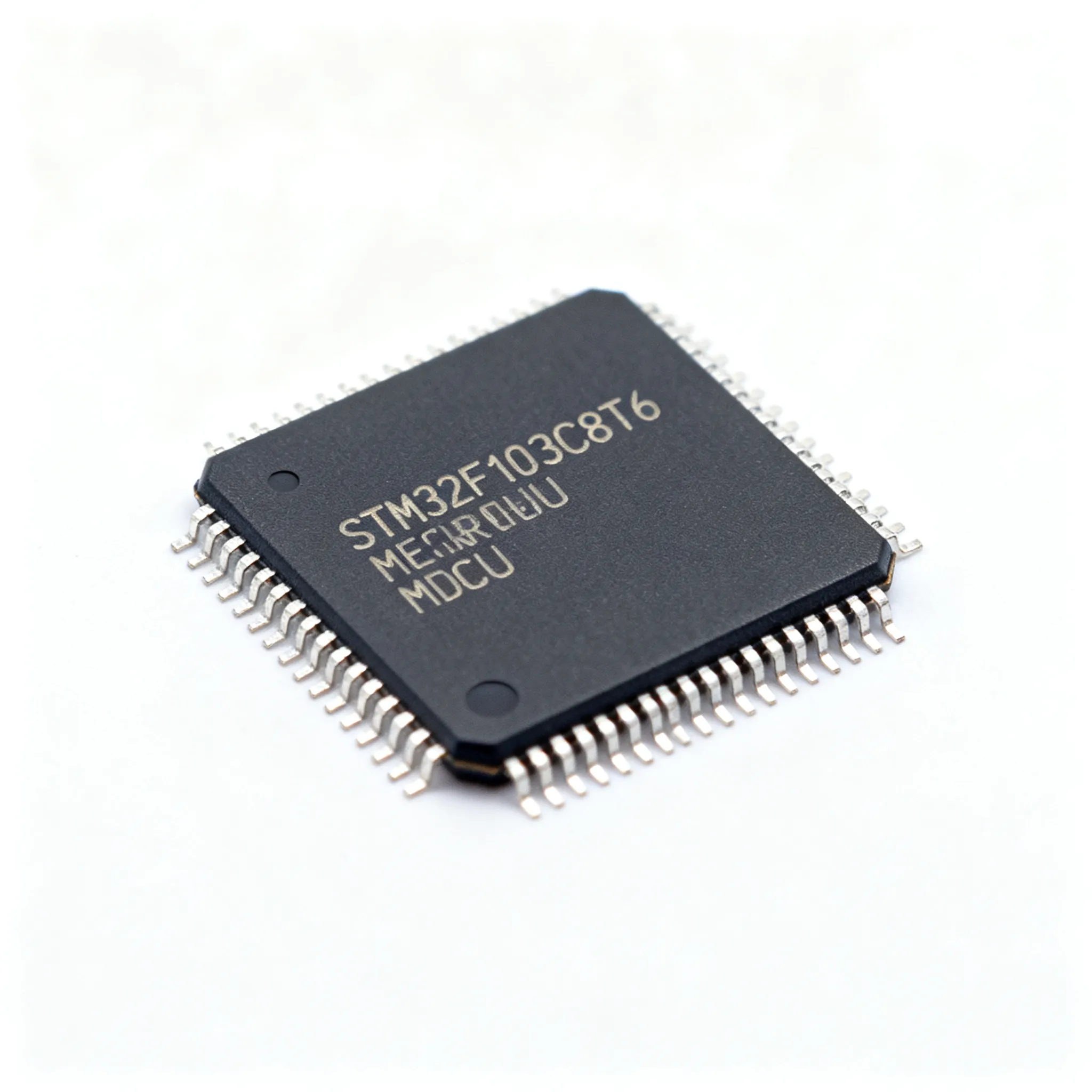
| Clock Speed | 72 | MHz | Typical for STM32F103CBT6 |
| Flash Memory | 256 | KB | Sufficient for medium complexity firmware |
| RAM | 64 | KB | For high-speed data processing |
| GPIO Pins | 37 | pins | Versatile for various peripherals |
| ADC Channels | 16 | channels | 12-bit resolution |
| DAC Channels | 2 | channels | 8-bit resolution |
| PWM Outputs | 8 | outputs | For motor control applications |
| UART Interfaces | 3 | interfaces | Supports serial communication |
| I2C Interfaces | 2 | interfaces | For sensor integration |
| SPI Interfaces | 2 | interfaces | For high-speed peripherals |
| Parameter | Value | Units | Notes |
|---|---|---|---|
| Operating Temperature | -40 to 85 | °C | Industrial temperature range |
| Storage Temperature | -55 to 150 | °C | Safe storage conditions |
| Package Type | LQFP | - | Low-profile quad flat package |
| Package Size | 10x10 | mm | Compact design |
| Pin Pitch | 0.5 | mm | Standard pitch for LQFP |
| Thermal Resistance | 35 | °C/W | Junction-to-ambient |
| Weight | 0.5 | g | Lightweight component |
| Moisture Sensitivity Level | 3 | - | Standard handling precautions required |
| Application | Suitable Microcontroller | Notes |
|---|---|---|
| Home Automation | ESP32-S3 | Integrated Wi-Fi and Bluetooth |
| Industrial Control | STM32F103CBT6 | High reliability and processing power |
| Wearable Devices | MSP430FR2433 | Ultra-low power consumption |
| Robotics | ATmega328P | Wide community support and resources |
| IoT Sensors | NRF52840 | Bluetooth Low Energy support |
Design Considerations
When it comes to designing a system with a microcontroller, several crucial considerations must be addressed to ensure optimal performance and reliability. One of the primary factors is understanding the power requirements and managing power distribution effectively. This includes selecting appropriate voltage regulators and ensuring the power supply can meet the peak current demands of the microcontroller and its peripherals.
Another important aspect is the physical layout of the PCB. Proper routing of power and ground planes can significantly reduce noise and improve the stability of the system. Signal integrity must be maintained, especially for high-speed data lines, to prevent data corruption and ensure accurate communication between components.
Thermal management is another key consideration, particularly for high-performance microcontrollers that may generate significant heat. Adequate heat dissipation mechanisms, such as heat sinks or thermal vias, should be implemented to prevent overheating and ensure the longevity of the device.
Furthermore, selecting the right peripheral interfaces is crucial for the intended application. For example, if the microcontroller will be used in a sensor network, ensuring it has adequate I2C or SPI interfaces is important for connecting multiple sensors. Additionally, understanding the software support and development tools available for the microcontroller can greatly influence the ease and speed of development. Manufacturers often provide extensive libraries and development kits that simplify the integration of complex functionalities.
Step-by-Step Guide
- Define the Application Requirements: Start by clearly defining the requirements of your project. Consider factors such as processing power, memory needs, communication interfaces, and power consumption. This will help narrow down the list of potential microcontrollers.
- Research Available Options: Utilize resources like DigiKey Electronics to explore available microcontrollers. Focus on manufacturers known for reliable products, such as STMicroelectronics, Texas Instruments, and Microchip.
- Evaluate Electrical Specifications: Carefully review the datasheets for potential microcontrollers. Pay attention to electrical specifications such as operating voltage, clock speed, and memory capacity. Ensure these align with your project's requirements.
- Consider Thermal and Mechanical Constraints: Examine the thermal and mechanical specifications to ensure the microcontroller can withstand the operating environment. Consider factors like operating temperature range, package type, and thermal resistance.
- Prototype and Test: Once a suitable microcontroller is selected, create a prototype to test its performance in your application. Evaluate factors such as processing speed, power consumption, and peripheral integration.
- Optimize Software and Firmware: Develop and optimize the software or firmware for the microcontroller. Utilize manufacturer-provided libraries and development tools to speed up the process and ensure compatibility with the hardware.
- Iterate and Refine: Based on the results from testing, refine the design as necessary. This may involve selecting different components, adjusting power management strategies, or optimizing code for performance.
- Finalize the Design: After thorough testing and optimization, finalize the design for production. Ensure that all components are sourced from reliable distributors and that the design meets all regulatory and safety standards.
Common Issues & Solutions
Even with careful planning, issues can arise during the design and implementation of a microcontroller-based system. Here are some common problems and their solutions:
-
Issue: Insufficient Processing Power
Solution: Re-evaluate the processing requirements and consider a microcontroller with a higher clock speed or additional cores, such as the ESP32-S3. -
Issue: Inadequate Memory
Solution: Optimize the firmware to reduce memory usage or select a microcontroller with more RAM or flash memory, like the STM32F103CBT6. -
Issue: Overheating
Solution: Implement better thermal management solutions, such as heat sinks or active cooling, and ensure proper airflow around the microcontroller. -
Issue: Signal Integrity Problems
Solution: Review the PCB layout for proper routing practices and consider using differential signaling for high-speed data lines to reduce noise. -
Issue: Power Supply Instability
Solution: Ensure that the power supply can handle peak current demands and consider adding decoupling capacitors near the microcontroller to stabilize the voltage supply. -
Issue: Peripheral Interface Conflicts
Solution: Verify that the microcontroller has sufficient and compatible interfaces for all peripherals and consider using I/O expanders if necessary.
Applications & Use Cases
Microcontrollers are ubiquitous in modern technology, powering a wide range of applications. In home automation, microcontrollers like the ESP32-S3 enable smart devices to communicate through Wi-Fi and Bluetooth. In industrial control systems, the STM32F103CBT6 offers the reliability and processing power needed for complex automation tasks.
Wearable devices benefit from microcontrollers such as the MSP430FR2433, which offer ultra-low power consumption for extended battery life. In robotics, the ATmega328P is popular due to its wide community support and extensive resources, making it ideal for hobbyists and professionals alike.
For IoT sensor networks, microcontrollers like the NRF52840 provide integrated Bluetooth Low Energy support, enabling efficient and reliable communication between devices. These examples highlight the versatility and importance of selecting the right microcontroller for specific applications.
Selection & Sourcing Guide
Selecting and sourcing the right microcontroller involves careful consideration of the specifications and availability. To ensure a smooth procurement process, it's advisable to work with authorized distributors like IC Online, which offer competitive pricing and fast delivery. Always verify the part numbers and ensure that the components are sourced from reliable suppliers to avoid counterfeit products.
FAQ
-
Q: What factors should I consider when selecting a microcontroller?
A: Consider processing power, memory, power consumption, peripheral support, and environmental conditions. -
Q: How do I determine the power requirements for my microcontroller?
A: Review the datasheet for operating voltage and current specifications, and ensure the power supply can meet peak demands. -
Q: What is the importance of thermal management in microcontroller design?
A: Effective thermal management prevents overheating, ensuring the reliability and longevity of the microcontroller. -
Q: How can I optimize the firmware for a microcontroller?
A: Use efficient coding practices, leverage manufacturer libraries, and minimize memory usage to optimize performance. -
Q: What are common pitfalls in microcontroller-based designs?
A: Insufficient processing power, inadequate memory, poor thermal management, and signal integrity issues are common pitfalls. -
Q: How do I ensure signal integrity in my design?
A: Proper PCB layout, use of differential signaling, and shielding can help maintain signal integrity. -
Q: What role do peripherals play in microcontroller selection?
A: Peripherals determine the microcontroller's ability to interface with other devices and sensors, impacting its suitability for specific applications. -
Q: How do I handle peripheral interface conflicts?
A: Ensure the microcontroller has enough interfaces and consider using I/O expanders if necessary. -
Q: What resources are available for microcontroller development?
A: Manufacturers often provide development kits, software libraries, and extensive documentation to aid in development. -
Q: How do I source reliable microcontroller components?
A: Work with authorized distributors like IC Online to ensure authenticity and quality.
Conclusion
Selecting the right microcontroller is a critical step in the design and development of electronic systems. By understanding the specifications, design considerations, and sourcing options, engineers can make informed decisions that lead to successful projects. Whether you're working on a small hobby project or a large-scale industrial application, the insights provided in this guide