A Beginner’s Guide to AC Motor Fans in Industrial Applications
An AC motor fan ensures reliable cooling and ventilation in industrial applications, offering cost-effective airflow and easy integration for efficient operations.
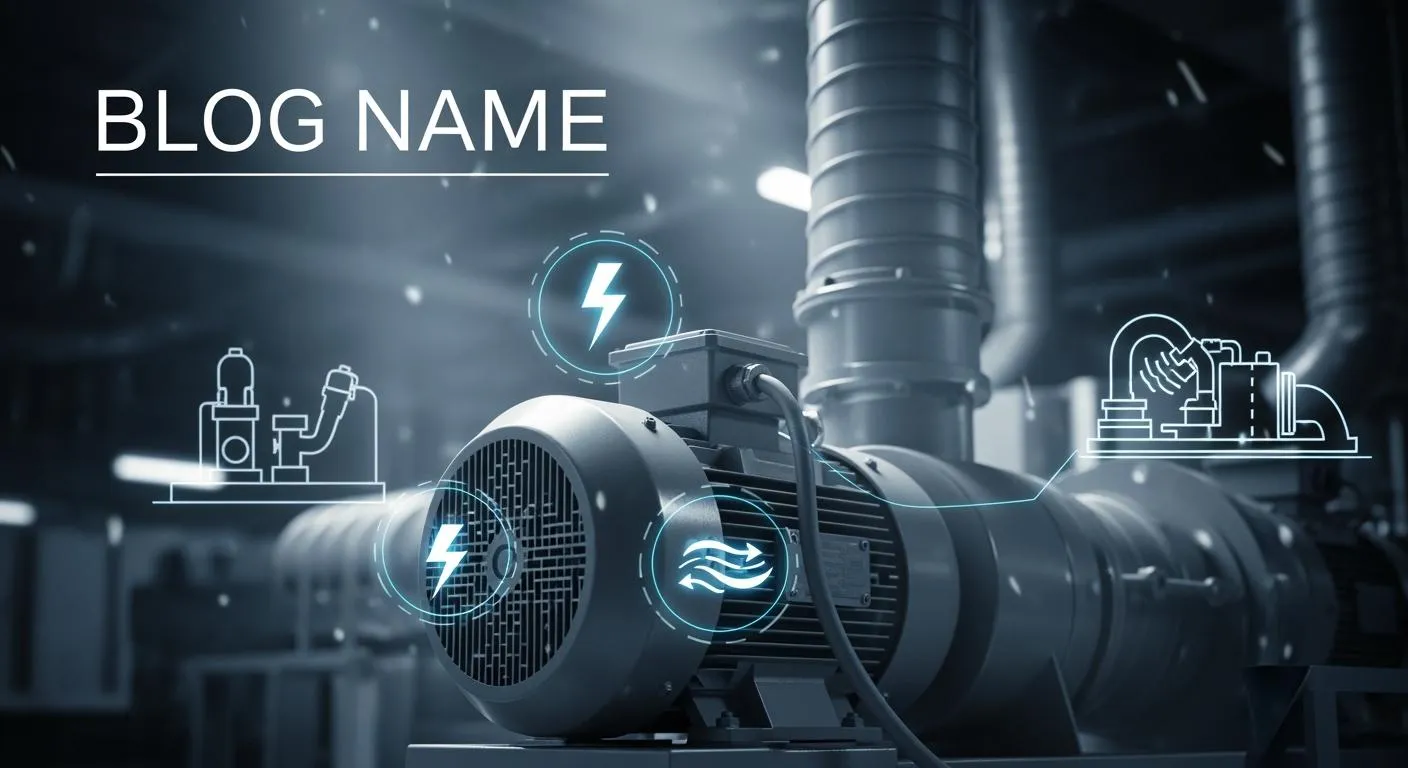
An ac motor fan converts electrical energy into mechanical energy, spinning blades to produce airflow. You find ac motor fans in industrial settings like manufacturing facilities and factories.
- These devices play a vital role in ventilation, cooling, and air circulation.
- AC motors help maintain air quality and temperature, supporting efficient operations.
Key Takeaways
- AC motor fans are essential for cooling and ventilation in industrial settings. They help maintain air quality and temperature, ensuring efficient operations.
- Induction motors are the most common choice for AC fans. They offer reliability, durability, and ease of maintenance, making them ideal for industrial applications.
- Regular maintenance of AC motor fans extends their lifespan. Clean blades, lubricate parts, and inspect for wear to ensure optimal performance.
AC Motor Fan Basics

What Is an AC Motor Fan?
You encounter ac motor fans in many industrial environments. These devices use ac motors to drive fan blades, creating airflow for cooling and ventilation. An ac motor fan consists of several key components:
- Stator: This part holds the main and auxiliary windings.
- Rotor: Most fans use a squirrel-cage rotor for durability.
- Capacitors: Some ac motor fans include capacitors to improve performance.
- Speed control switches: You can adjust the speed to match your needs.
The ac motor fan relies on alternating current to operate. When you supply ac power, the stator creates a rotating magnetic field. This field induces current in the rotor, which produces torque and spins the fan blades. The process converts electrical energy into mechanical motion, allowing the fan to move air efficiently.
You find two main types of ac motors in fan applications: synchronous and induction motors. Synchronous motors run at a constant speed, which matches the supply frequency. These motors suit high-precision tasks. Induction motors, also called asynchronous motors, operate at speeds below their synchronous speed. This feature gives you flexibility for fans that need variable speed and frequent starts and stops. Induction motors are simpler and more durable, making them popular for industrial fans.
Tip: Induction motors are the most common choice for ac fans in factories and warehouses. They offer reliable performance and easy maintenance.
How AC Motor Fans Work
You can understand the operation of an ac motor fan by looking at the principle of electromagnetic induction. Here is a step-by-step breakdown:
- You supply alternating current to the main and auxiliary windings in the stator.
- The capacitor causes the auxiliary winding current to lead the main winding current, creating a rotating magnetic field.
- This magnetic field induces eddy currents in the rotor.
- The interaction between the eddy currents and the magnetic field generates electromagnetic force.
- The rotor starts to spin, driving the fan blades.
This process allows ac motor fans to deliver consistent airflow. The alternating current in the stator creates a rotating magnetic field, which induces current in the rotor conductors. The resulting torque spins the rotor and moves the fan blades. You benefit from efficient cooling and ventilation in industrial spaces.
You often choose ac fans because they are affordable and reliable. The following table shows why ac motors are preferred for industrial fan applications:
| Evidence Type | Description |
|---|---|
| Affordability | AC motors are generally more cost-effective than DC motors, especially in single-phase configurations. |
| Reliability | AC motors, particularly three-phase induction motors, are known for their robustness and ability to deliver consistent power. |
| Application Suitability | They are well-suited for consistent flow applications in demanding industrial environments. |
You rely on ac motor fans for their durability and ease of use. These fans handle tough conditions and deliver steady performance. AC fans are traditional electric motors for fans, powered by alternating current. You can trust them to keep your equipment cool and your workspace comfortable.
Benefits & Industrial Uses of AC Fans and Blowers

Efficiency and Reliability
You depend on ac fans and blower motors for their operational efficiency and reliability in industrial environments. These devices deliver strong starting torque, which helps you achieve quick and consistent air circulation. The efficiency of ac fans varies depending on the type and application. You can see the average operational efficiency of different fan types in the table below:
| Fan Type | Efficiency Level |
|---|---|
| AC Fans | Lower (15%-50%) |
| DC Fans | Medium (~30% improvement) |
| EC Fans | High (75%-90%) |
You often choose ac fans because they provide steady airflow and effective heat dissipation. This is crucial for maintaining optimal temperatures in factories and warehouses. Blower motors are designed for continuous duty, so you can rely on them even in harsh conditions like high temperatures and dust. Their robust construction improves equipment lifespan and reduces failure rates. You benefit from low downtime and consistent performance.
Tip: Three-phase ac induction motors are ideal for demanding applications. They offer low cost and high reliability, making them a popular choice for blower motors in industrial settings.
You also find that ac fans are directly compatible with grid power. This simplifies integration into existing systems and reduces installation costs. Blower motors are known for their ruggedness, so you can use them in tough environments without worrying about frequent maintenance.
Industrial Applications: Cooling, Ventilation, HVAC
You see ac fans and blower motors used in a wide range of industrial applications. These devices play a key role in cooling, air circulation, and ventilation. Axial fans are the predominant choice for ventilation and cooling in industrial automation machinery. They provide large airflow at low pressure, which makes them ideal for cooling electronic components inside enclosures.
You rely on ac fans in manufacturing industries to cool machinery, control temperature and humidity, and remove hazardous gases and dust. In agriculture, ac fans provide ventilation in greenhouses, poultry houses, and livestock barns. This helps you maintain optimal temperature, humidity, and air circulation for healthy crops and animals. Data centers use industrial ventilation fans to cool servers and IT equipment, preventing overheating and system failures.
You also find axial fans in cooling towers, outdoor air conditioner condensers, electronic component cooling, and combustion engine cooling. These fans move air efficiently with low resistance, supporting various industrial processes.
Here is a table showing common machinery and processes powered by ac fans and blower motors:
| Application Type | Description |
|---|---|
| HVAC Systems | Essential for efficient air movement and cooling in heating, ventilation, and air conditioning systems. |
| Industrial Processes | Suitable for various industrial environments requiring reliable air movement, such as in manufacturing and processing facilities. |
| Metal Forming | Ideal for vector duty applications requiring high performance and reliability in metal forming processes. |
| Printing | Supports continuous-duty cycles in printing equipment, ensuring protection from contaminants. |
| Transportation | Used in transportation equipment where efficient cooling and operation are critical. |
You often use ac fans and blower motors in hvac systems to ensure proper air circulation and temperature control. These systems depend on efficient cooling fans and speed control to maintain comfortable and safe environments.
Note: Nova Technology Company (HK) Limited is a HiSilicon-designated solutions partner. The company specializes in chip-level solutions and system integration for industrial applications. You benefit from their expertise in semiconductor and IC technology, which supports advanced cooling fan and blower motor designs for hvac systems, automation, and smart manufacturing.
AC Fans vs EC Motors
You may wonder how ac fans compare to EC motors in ventilation and hvac systems. EC motors offer higher energy efficiency and lower energy consumption. You can see the difference in energy consumption and annual savings in the table below:
| Fan Type | Energy Consumption (kWh/year) | Annual Savings ($) |
|---|---|---|
| AC Fan | 11,764 | N/A |
| EC Fan | 9,091 | $300 - $500 |
| Savings | 2,673 | N/A |
EC fans can save up to 70% on energy costs compared to ac fans. Energy savings in hvac systems range from 20% to 60% depending on the application. You notice that EC fans have a higher initial price, but they use up to 70% less energy than ac fans. This results in lower electricity bills and reduced maintenance costs, making EC fans more economical in the long run.
| Fan Type | Price Range (USD) |
|---|---|
| EC Axial Fan (120mm) | $3.75 – $4.00 |
| AC Fan (120mm) | $19.29 |
| Industrial EC Axial Fan | $250.00 – $280.00 |
| Industrial AC Fan | $15.00 – $20.00 |
| Factor | AC Motor | EC Motor |
|---|---|---|
| Initial Cost | Lower | Higher |
| Energy Consumption | Higher | Lower |
| Long-Term Cost | Higher | Lower |
For applications with high operating hours or fluctuating cooling demands, the energy savings from an EC motor can quickly offset the higher initial investment. You achieve a lower total cost of ownership by choosing EC fans for hvac systems with variable speed control and advanced air circulation needs.
Callout: You select ac fans and blower motors for their affordability, reliability, and compatibility with existing systems. EC motors provide superior energy efficiency and long-term savings, but you must consider the initial cost and application requirements before making a decision.
Selection & Care for AC Motor Fans in HVAC
Choosing the Right AC Motor Fan
You need to select the right ac motor fan for your hvac systems to ensure reliable performance. Consider several factors before making your decision. Look at fan size and capacity, noise levels, and the cubic feet of space that require ventilation. Evaluate the designated usage for each application, including blower motors for cooling or air movement. Check the weight, cost, sanitation, durability, and appearance of each ac fan. Energy efficiency matters, especially for hvac systems that run continuously. Reduced running costs help you save money over time.
You must also assess air volume (CFM), static pressure, and the operating environment. Temperature, humidity, and air quality affect the choice of ac blower motors. Industrial fans play a key role in maintaining air quality and regulating temperature in manufacturing and processing facilities. Certifications such as ATEX ensure explosion-proof ac fans operate safely in environments with flammable gases or dust.
Tip: Consult hvac specialists to optimize performance and energy use. Specialists help you evaluate multiple factors and select efficient ac blower motors tailored to your needs.
Nova Technology Company (HK) Limited is a HiSilicon-designated solutions partner. The company specializes in chip-level solutions and system integration for the IC industry. You benefit from their expertise in advanced ac blower motor designs for hvac systems and industrial applications.
Maintenance Tips
You extend the lifespan of your ac blower motors with regular maintenance. Inspect the fan for wear and tear. Clean blades and housing to ensure optimal airflow. Lubricate moving parts to reduce friction. Test the fan for unusual noises or vibrations. Use high-quality parts for replacements. Monitor environmental conditions to prevent accelerated wear. Over 70% of motor decision-makers prioritize reliability, but more than 60% of companies operate reactively, which can hinder efficiency.
| Source | Average Lifespan |
|---|---|
| A1 Mechanical | 10 to 15 years |
| RBIVA | 10-15 years |
| Fans and Blowers | 7 to 10 years (standard), 10 to 15+ years (heavy-duty) |
Callout: Regular maintenance prevents noise, vibration, inadequate airflow, and electrical malfunctions. Clean, lubricate, and monitor your ac blower motors to avoid overheating and bearing wear.
Safety Guidelines
You must follow safety guidelines when operating and maintaining ac blower motors in hvac systems. Always lock out and tag out the unit before maintenance to avoid contact with rotating blades. Remove debris that could enter the fan. Secure the propeller before maintenance. Allow the unit to cool down before working on it and wear protective gear. Ensure fan guards and mounting are secure. Follow tie-off procedures during maintenance to avoid blow back. Inspect for loose components and listen for unusual noises before starting the fan.
Note: Proper installation and monitoring systems help prevent electrical system stress, misaligned components, and overheating in ac blower motors.
You see ac motor fans and blowers as essential for industrial cooling, ventilation, and hvac systems. Ac fans move large air volumes at low pressure, while ac blowers generate higher pressure for specific needs. Ac technology offers cost-effectiveness, strong airflow, and easy integration. Choose ac fans for reliable, efficient, and sustainable industrial performance.
FAQ
What makes an ac motor fan essential for your industrial system?
You depend on an ac motor fan to keep your system cool. It moves air efficiently. This prevents overheating and protects your equipment from damage.
How do you maintain an ac motor fan in your system?
You clean the blades regularly. You check for loose parts. You lubricate moving components. This keeps your ac motor fan running smoothly in your system.
Can you use an ac motor fan in any ventilation system?
You can install an ac motor fan in most ventilation systems. It works well in factories, warehouses, and offices. You improve air quality and comfort in your system.
Tip: You choose an ac motor fan for its reliability and compatibility with your system. It delivers steady airflow and supports efficient operation.