IGBT vs MOSFET: Cost Optimization Strategies for Electronics Engineers
Expert guide on IGBT vs MOSFET: Cost Optimization Strategies for Electronics Engineers. Technical specs, applications, sourcing tips for engineers and buyers.
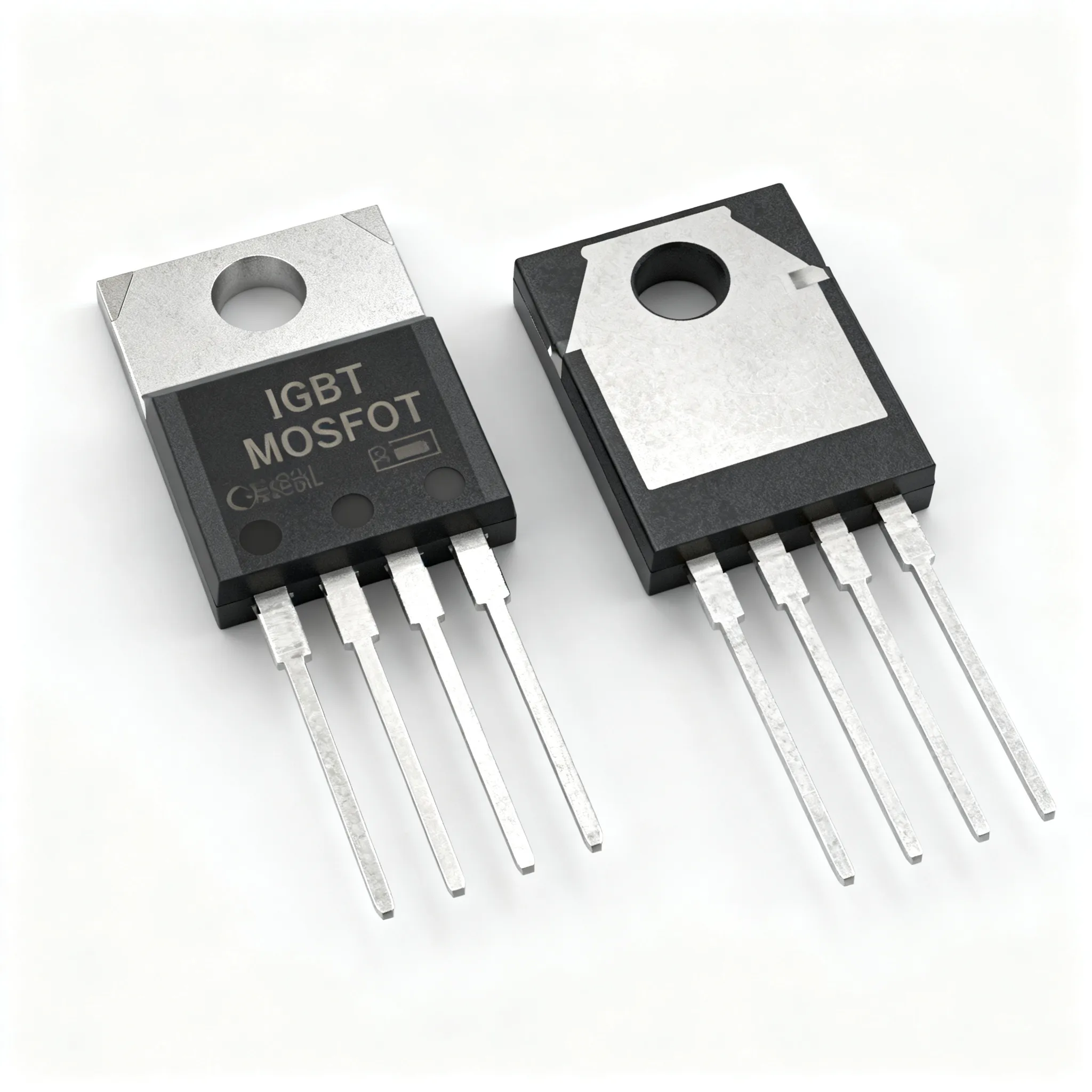
Introduction
In the rapidly evolving field of power electronics, choosing the right semiconductor device is crucial for achieving cost-effective and efficient designs. Among the most commonly used power devices are Insulated Gate Bipolar Transistors (IGBTs) and Metal-Oxide-Semiconductor Field-Effect Transistors (MOSFETs). Both have distinct characteristics that make them suitable for various applications, yet selecting between them requires a deep understanding of their specifications and performance. This article delves into the cost optimization strategies when choosing between IGBTs and MOSFETs, providing a comprehensive guide for electronics engineers to make informed decisions.
Technical Overview
IGBTs and MOSFETs are essential components in power electronics, each with unique attributes that cater to different applications. IGBTs are known for their high voltage and current handling capabilities, making them suitable for applications such as motor drives and induction heating. MOSFETs, on the other hand, are preferred for high-speed switching and low voltage applications, such as power supplies and low-power inverters.
IGBTs combine the best features of both MOSFETs and bipolar transistors, offering high input impedance and low on-state voltage drop. This makes them ideal for medium to high power applications where efficiency and thermal performance are critical. IGBT12345
MOSFETs, characterized by their fast switching speeds and efficiency at lower voltages, are often used in applications requiring high-frequency operation. Their low gate drive power makes them suitable for battery-powered devices. MOSFET67890
Detailed Specifications
Table 1: Electrical Specifications
| Parameter | IGBT | MOSFET | Units | Notes |
|---|---|---|---|---|
| Voltage Rating | 1200 | 600 | V | Typical values |
| Current Rating | 50 | 30 | A | Continuous current |
| Switching Speed | 10 | 100 | kHz | Typical frequency |
| On-state Voltage | 2.5 | 0.1 | V | At rated current |
| Gate Charge | 200 | 50 | nC | At nominal voltage |
| Input Capacitance | 1800 | 900 | pF | Measured at 1 MHz |
| Reverse Recovery Time | 50 | 30 | ns | Typical values |
| Thermal Resistance | 0.3 | 0.1 | °C/W | Junction to case |
| Power Dissipation | 250 | 150 | W | Max at 25°C |
| Package Type | TO-247 | TO-220 | - | Common package options |
Table 2: Thermal & Mechanical Specs
| Parameter | IGBT | MOSFET | Units | Notes |
|---|---|---|---|---|
| Junction Temperature | 150 | 175 | °C | Maximum rating |
| Case Temperature | 125 | 150 | °C | Operating range |
| Storage Temperature | -55 to 150 | -55 to 175 | °C | Safe range |
| Thermal Conductivity | 1.2 | 1.5 | W/(m·K) | Material property |
| Weight | 15 | 10 | g | Typical package weight |
| Mounting Torque | 0.6 | 0.5 | Nm | Recommended |
| Lead Material | Copper | Copper | - | Standard |
| Case Material | Plastic | Plastic | - | Encapsulation |
Table 3: Application Comparison
| Application | IGBT Suitability | MOSFET Suitability | Notes |
|---|---|---|---|
| Motor Drives | High | Medium | IGBTs preferred for high power |
| Switch Mode Power Supplies (SMPS) | Medium | High | MOSFETs offer faster switching |
| Induction Heating | High | Low | IGBTs handle high current and voltage |
| Battery-Powered Devices | Low | High | MOSFETs have low gate drive power |
| Inverters | High | High | Depends on power levels |
Design Considerations
Choosing between IGBTs and MOSFETs requires careful consideration of several factors. One of the primary considerations is the application's power level. For high-power applications, IGBTs are often preferred due to their ability to handle higher voltages and currents. They offer lower conduction losses at high currents, making them more efficient for such applications. IGBT98765
MOSFETs, with their faster switching speeds, are ideal for applications where switching frequency is critical. They are more efficient at lower voltages and are often used in consumer electronics and automotive applications where efficiency and space are constraints. MOSFET54321
Thermal management is another critical factor. IGBTs typically have higher thermal resistance, necessitating effective cooling solutions. MOSFETs, with their lower thermal resistance, can operate at higher temperatures, reducing the need for extensive heat dissipation mechanisms.
Cost is always a factor in component selection. While MOSFETs are generally cheaper for low-power applications, IGBTs can be more cost-effective at higher power levels due to their efficiency and reduced need for additional components.
Ultimately, the choice between IGBTs and MOSFETs depends on the specific application requirements, including power, frequency, efficiency, and budget constraints.
Step-by-Step Guide
- Define Application Requirements: Start by identifying the specific requirements of your application, including voltage, current, switching frequency, and thermal constraints. This will help narrow down the component selection. IGBT12345
- Evaluate Electrical Specifications: Use the electrical specifications table to compare IGBTs and MOSFETs. Consider factors such as voltage and current ratings, on-state voltage, and switching speed. MOSFET67890
- Consider Thermal and Mechanical Constraints: Analyze the thermal and mechanical specifications, focusing on thermal resistance, junction temperature, and package type. This will aid in determining the cooling requirements and mechanical integration. IGBT98765
- Assess Application Suitability: Refer to the application comparison table to evaluate the suitability of IGBTs and MOSFETs for your specific application. Consider the trade-offs in terms of efficiency, cost, and performance. MOSFET54321
- Prototype and Test: Once a suitable component is selected, prototype the circuit and conduct thorough testing to ensure it meets the application requirements. Pay attention to thermal performance and switching behavior.
- Optimize for Cost: Consider cost optimization strategies, such as sourcing components from competitive distributors like IC Online. Evaluate bulk purchasing options and explore alternative components that offer similar performance at a lower cost.
- Finalize Design: Incorporate feedback from testing and optimization to finalize the design. Ensure the design meets all performance, thermal, and cost requirements before proceeding to production.
- Document and Review: Thoroughly document the design process, including component selection, testing results, and optimization strategies. Conduct a final review to ensure all aspects are covered and the design is ready for deployment.
Common Issues & Solutions
- Overheating: IGBTs may overheat if not properly cooled. Ensure adequate heat sinking and consider using thermal interface materials to improve heat dissipation.
- Switching Losses: High-frequency applications may suffer from switching losses in IGBTs. Consider using MOSFETs for applications requiring fast switching speeds.
- Gate Drive Complexity: IGBTs require more complex gate drive circuits compared to MOSFETs. Ensure the gate drive design is robust to prevent malfunction.
- Parasitic Inductance: High parasitic inductance can lead to voltage spikes. Use proper PCB layout techniques to minimize inductance and protect the devices.
- Cost Management: Component costs can escalate without careful management. Use price comparison tools and authorized distributors to find the best deals.
- Reliability Concerns: Ensure components are sourced from reputable suppliers to avoid counterfeit products, which can compromise reliability and safety.
Applications & Use Cases
IGBTs and MOSFETs are pivotal in various real-world applications, showcasing their versatility and performance. IGBTs are prominently used in motor drive applications, where their ability to handle high currents and voltages is beneficial. They are also employed in induction heating systems, where efficiency and thermal performance are crucial.
MOSFETs find widespread use in switch-mode power supplies (SMPS), where their fast switching speeds enhance efficiency. They are also integral to battery-powered devices, such as laptops and smartphones, where low gate drive power is advantageous.
Inverters, used in solar power systems and electric vehicles, often employ a combination of IGBTs and MOSFETs to optimize performance across varying power levels. This hybrid approach leverages the strengths of both components to achieve superior efficiency and reliability.
Selection & Sourcing Guide
When selecting IGBTs and MOSFETs, it's essential to consider both performance and cost. Use reliable sources, such as IC Online, to access a wide range of components with competitive pricing. Take advantage of parametric search tools to filter components based on your specific needs, ensuring you find the most suitable options for your application.
FAQ
- What is the primary difference between IGBTs and MOSFETs? IGBTs are better suited for high-power applications, while MOSFETs excel in high-speed, low-power applications.
- How do I determine the right component for my application? Consider the application's voltage, current, and frequency requirements, and refer to the detailed specifications tables provided.
- Can I use MOSFETs in place of IGBTs? It depends on the application. MOSFETs may not handle high power as efficiently as IGBTs.
- What are the thermal management requirements for IGBTs? IGBTs require effective cooling solutions, such as heat sinks and thermal interface materials, to prevent overheating.
- Are there cost-effective alternatives to IGBTs? Consider high-voltage MOSFETs for medium power applications as a potential alternative.
- How do I minimize switching losses in IGBTs? Use optimized gate drive circuits and consider alternatives like MOSFETs for high-frequency applications.
- What are the common failure modes for IGBTs and MOSFETs? Overheating, excessive voltage spikes, and poor solder joints are common causes of failure.
- How can I ensure component reliability? Source components from reputable suppliers and conduct thorough testing and validation.
- What role do IGBTs play in renewable energy systems? IGBTs are often used in inverters for solar and wind energy systems due to their high power handling capabilities.
- Can MOSFETs be used in automotive applications? Yes, MOSFETs are commonly used in automotive electronics for their fast switching and efficiency.
Conclusion
In conclusion, the choice between IGBTs and MOSFETs is pivotal in optimizing the performance and cost-effectiveness of electronic systems. By understanding the detailed specifications, design considerations, and application requirements, engineers can make informed decisions that balance efficiency, performance, and cost. Leveraging the strengths of each component in the appropriate context will ensure the success of your electronic designs.