Everything You Need to Know About Quad Flat Pack in Consumer Products
Quad flat pack (QFP) is a key component in consumer electronics, enabling compact, reliable designs. Learn how QFP works and its role in your devices.

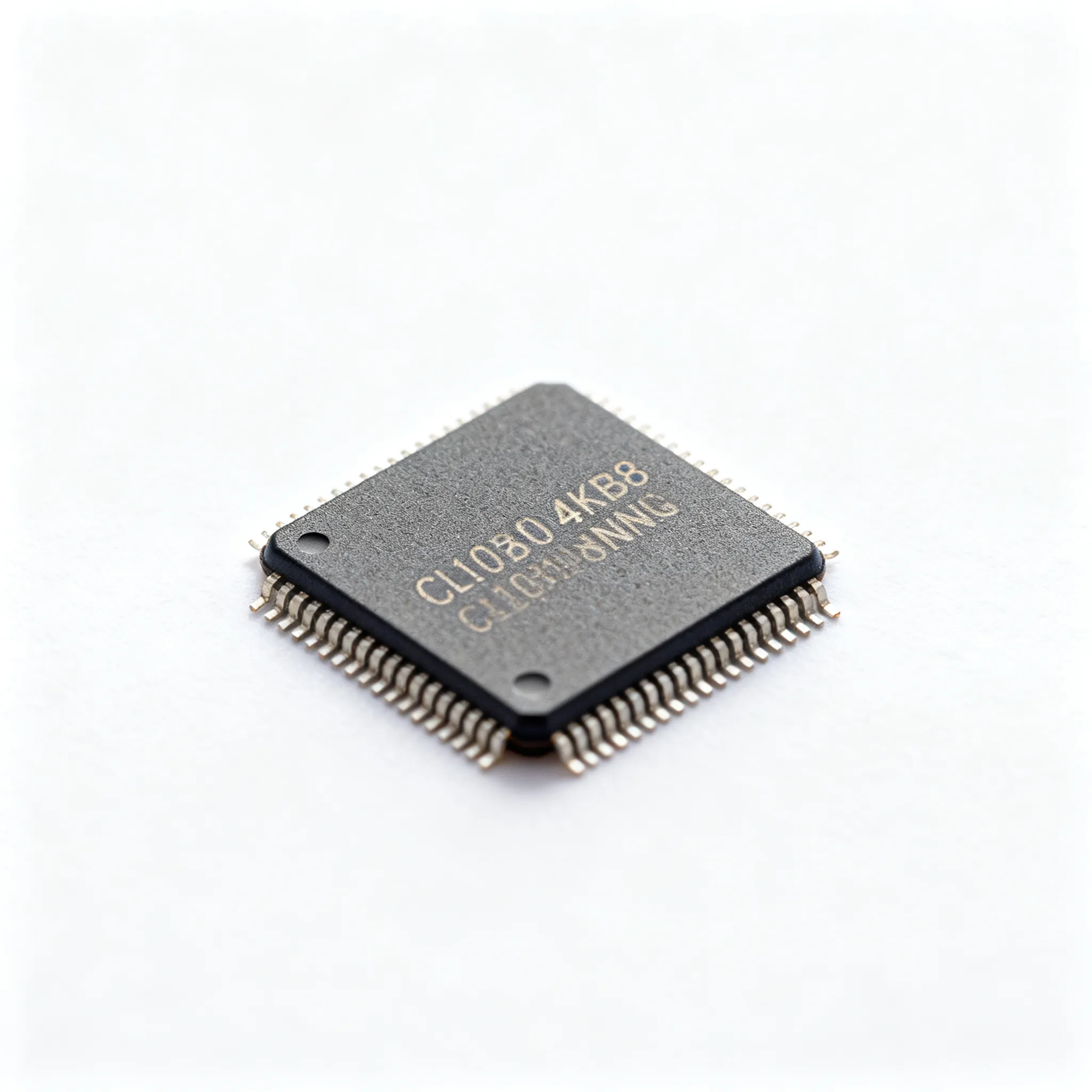
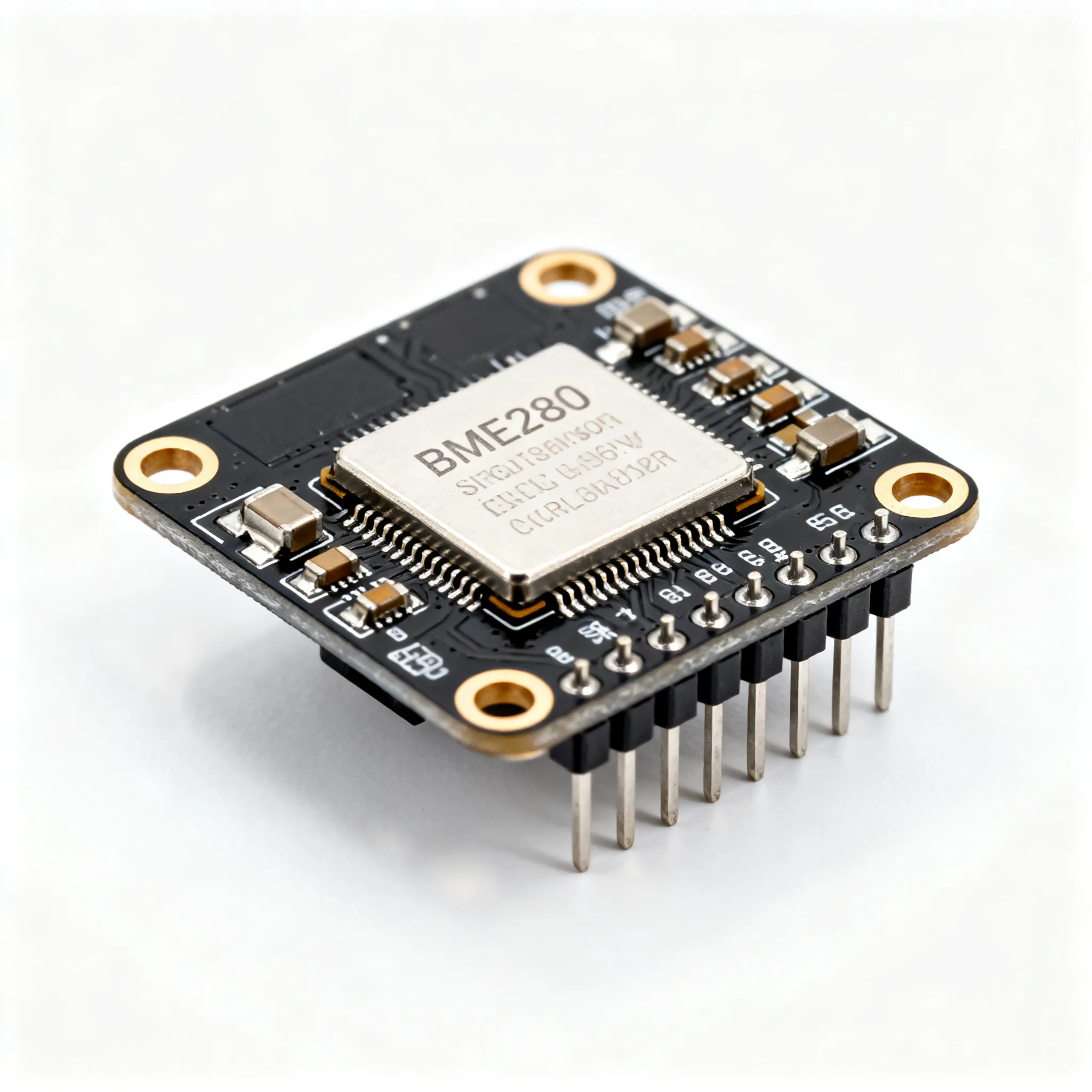
Ever wondered how your smartwatch fits so much processing power into a tiny case? The answer lies in a quad flat pack. A QFP is a surface-mounted integrated circuit package with gull-wing leads extending from all four sides. These leads allow efficient mounting directly onto printed circuit boards.
QFP serves as a workhorse in consumer electronics. It balances size, cost, and thermal performance effectively. You'll find it powering everything from remote controls to gaming consoles. Its versatility makes it indispensable across many industries.
We'll examine QFP's anatomy, specifications, and comparisons with alternatives like QFN. You'll discover where this technology appears in your daily life.
Key Takeaways
- QFP packages use gull-wing leads for easy soldering and visual inspection.
- They balance size, cost, and reliability, making them ideal for many consumer products.
- Thin QFP variants like TQFP help create slim devices like smartphones and wearables.
- For high heat or tight spaces, consider QFN, but QFP offers simpler rework and inspection.
What is a Quad Flat Pack?

A quad flat pack is a surface-mounted ic package that uses gull-wing leads extending from all four sides. This design allows you to mount the package directly onto printed circuit boards using surface mount technology. The gull-wing shape creates a small footprint while maintaining strong connections between the ic and the board. This package provides consistent performance across many applications.
Anatomy and Design
The gull-wing leads of a qfp package serve multiple functions during assembly. When you place the qfp package on a circuit board, the leads self-align during reflow soldering. This self-alignment reduces placement errors significantly compared to other package types. The exposed leads also make visual inspection of solder joints straightforward. You can easily check each connection for quality. Rework, when needed, requires only standard tools and techniques. The reliable electrical connections ensure consistent performance over time. The qfp package offers excellent reliability for most designs.
The qfp package comes in various sizes and configurations. Standard dimensions include thickness from 2.0 mm to 3.8 mm and lead pitch options from 0.4 mm to 1.0 mm. Pin counts range from 32 to 304, giving you flexibility for different integrated circuits. The body material is typically epoxy-based plastic, though ceramic versions exist for demanding environments. Copper alloys form the lead frame, and gold bond wires connect the die to the leads. The package maintains good reliability across many use cases.
Several variants of the quad flat package serve specific needs. The TQFP, or thin quad flat package, has a thickness of only 1.0 mm to 1.4 mm. Body sizes range from 7 mm to 28 mm with lead counts from 32 to 256. The LQFP, or low-profile quad flat package, supports up to 208 pins with a thickness around 1.4 mm. The CQFP uses a ceramic substrate. This material provides excellent thermal performance and mechanical strength for high-temperature environments. The TQFP variant works well for space-constrained designs. These variants give you options for different performance and space requirements.
The gull-wing design influences thermal performance as well. The qfp package relies on its leads and body for heat dissipation. Thermal resistance often exceeds 30°C/W, so you may need additional cooling for high-power applications. This limitation makes the quad flat package less ideal for high-performance computing without heatsinks. However, for most consumer electronics, the thermal characteristics work well. The package maintains good reliability in these applications.
Why It's a Staple in Electronics
The quad flat package has become a standard choice across many industries. Its balance of pin count, size, and cost makes it highly versatile. You find it in consumer electronics like smart TVs, gaming consoles, and remote controls. Lower pin count qfp package work well in simpler devices. Mobile phones use the qfp package for efficient heat dissipation and high electrical performance in high-speed circuits. The reliability of a quad flat package contributes to its widespread adoption. The gull-wing leads absorb mechanical stress better than leadless designs. This absorption improves robustness in applications with vibration or thermal cycling. The connections remain reliable over many years of use. Surface mount technology ensures consistent solder joints across production runs. This package provides proven reliability in demanding environments.
The qfp package also serves automotive electronics and industrial control systems. These environments demand high reliability and stable performance over time. The qfp package delivers this consistently. Companies like Nova Technology Company (HK) Limited, a HiSilicon-designated solutions partner, integrate the qfp package into chip-level solutions for these demanding applications. The connectivity options and proven track record make the quad flat package a trusted choice. This package provides excellent performance in automotive electronics. Surface mount technology enables efficient assembly of these packages.
The performance of the qfp package extends across many parameters. Electrical connections remain stable and reliable. Thermal management, while requiring attention, works well for most applications. The robustness of the design ensures long-term reliability in consumer and industrial settings. This combination of features explains why the quad flat package remains a cornerstone of modern electronics. The quad flat pack continues to deliver reliable performance for integrated circuits. Surface mount technology makes this package a practical choice for printed circuit boards. The connectivity options suit a wide range of designs.
QFP Specifications and Variants
When you choose a quad flat pack for your design, you need to understand its specifications. Pin count and pitch define the size and connection capability. These help you match the qfp package to your circuit board for good performance.
Pin Count and Pitch
Pin count tells you how many electrical connections the qfp package provides. Simple microcontrollers use qfp packages with 8 to 100 pins. Common examples include the 80-pin TQFP for PIC microcontrollers and the 100-pin BQFP for processor-class devices. More complex integrated circuits reach 256 pins or more. The pitch measures the distance between adjacent leads. This measurement affects your assembly process with surface mount technology.
Standard pitches for a qfp package include 0.8 mm, 0.65 mm, 0.5 mm, and 0.4 mm. You choose a coarser pitch for easier assembly. You choose a finer pitch for high-density designs. The JEDEC standards define these qfp package specifications clearly. A standard qfp package has a body height of 2.0 to 3.6 mm. The LQFP variant has a thinner body of 1.0 to 1.4 mm. The pin pitch for standard qfp package ranges from 0.8 to 0.65 mm. The LQFP uses pitches from 0.65 to 0.4 mm. The quad flat package provides consistent performance when you follow these guidelines. The qfp package delivers good performance when you meet these specifications.
Common Types: TQFP, LQFP, and HLQFP
Three main variants of the quad flat package serve different applications: TQFP, LQFP, and HLQFP. The VQFP and PQFP are related variants for specific needs.
The TQFP, or thin quad flat package, has a body thickness of 1.0 mm. Body sizes range from 5×5 mm to 20×20 mm. Pin counts cover 32 to 176. You often see TQFP in smartphones and wearables. Many microcontrollers use the 80-pin TQFP variant. The TQFP variant works well in space-constrained designs. The TQFP offers good performance for portable devices. The TQFP is a reliable package.
The LQFP, or low-profile quad flat package, has a body thickness of 1.4 mm. Body sizes range from 7×7 mm to 28×28 mm. Pin counts reach up to 256. You use LQFP for applications requiring higher pin counts. The LQFP provides reliable performance for complex integrated circuits. The LQFP variant works across many applications. The LQFP offers good performance for your designs. The LQFP works in slim devices. The LQFP is thicker than TQFP.
The HLQFP adds thermal enhancement to the LQFP design. This variant includes an exposed die pad. The pad measures 4.4 mm × 4.4 mm. This pad creates a direct thermal path from the die to the PCB. You use HLQFP for high-power applications. You find HLQFP in power management IC and high-frequency circuits. The HLQFP provides excellent thermal performance for demanding designs. The high-frequency capability makes HLQFP useful in advanced designs. This variant supports high-speed applications.
The qfp package specifications help you choose the right variant. Surface mount technology enables efficient assembly of all these types. The quad flat package continues to deliver reliable performance across many applications. The qfp package ensures consistent quality in manufacturing.
Quad Flat Pack vs. QFN: Key Differences

When you compare a quad flat pack to a QFN, you examine two fundamentally different approaches to surface mounting. The QFP uses gull-wing leads that extend outward from all four sides. A QFN, or quad flat no-lead, uses flat pads on the bottom of the package. This single design difference drives everything else: thermal efficiency, board space, inspection methods, and cost.
Design and Performance Comparison
The gull-wing leads on a quad flat package create a larger footprint on your PCB. Those leads extend outward, so the package consumes more board area. A QFN saves 40-60% of that space because its pads sit directly beneath the body. This compact design matters when you build small consumer devices.
Thermal performance also differs significantly. A QFP relies on its leads and plastic body for heat dissipation. No exposed thermal pad exists on most QFP variants. A QFN includes an exposed pad (EPAD) that you solder directly to the PCB ground plane. This pad creates a low-resistance thermal path. You should add thermal vias beneath the pad for optimal heat transfer. For high-power circuits, the QFN's thermal advantage becomes critical.
| Comparison | QFN | QFP |
|---|---|---|
| Board area | Usually smaller | Usually larger |
| Visual inspection | Limited | Easier |
| Hand soldering | More difficult | Easier |
| Thermal path | Often uses an exposed pad | Package-dependent |
| Rework | More process-sensitive | More accessible |
The inspection difference matters in production. You can visually check every solder joint on a QFP because the leads sit exposed. QFN connections hide beneath the package body. You need X-ray inspection to verify those solder joints. This adds time and cost to your manufacturing process.
Cost in mass production also favors QFN. The simpler structure uses less material and has a smaller volume. Processing efficiency runs higher. A QFP carries a slightly higher unit price. However, the mature QFP process offers strong detectability and ease of operation. These benefits can offset the material cost premium in certain production scenarios.
| Packaging | Cost in Mass Production | Key Cost-Related Attributes |
|---|---|---|
| QFN | Lower | Simple structure, less material, small volume, high processing efficiency |
| QFP | Slightly higher unit price | Mature process, strong detectability, ease of operation |
Choosing the Right Package
Your application requirements determine the correct choice. For compact, high-performance designs, QFN delivers superior thermal management and space savings. The exposed pad provides excellent heat transfer for power management circuits. This package suits high-speed applications where board space matters.
QFN packages offer better resistance to shock and vibration compared to QFP packages. This mechanical robustness makes QFN the preferred choice for automotive, aerospace, and medical applications where dynamic conditions stress the connections.
The QFP still holds advantages you should consider. The gull-wing leads absorb mechanical stress better than leadless designs. This characteristic improves robustness in applications with thermal cycling. The exposed leads make hand soldering and rework straightforward. You can repair a QFP with standard tools. A QFN requires more process-sensitive rework procedures.
For high-performance computing, neither package works without careful thermal planning. The QFP may need heatsinks for high-power applications. The QFN requires proper thermal vias and ground plane design. Your PCB layout determines the final performance.
Partners like Nova Technology Company (HK) Limited, a HiSilicon-designated solutions partner, help manufacturers navigate these trade-offs. They integrate the right package into chip-level solutions for consumer electronics, automotive systems, and industrial controls. Their expertise ensures you select the package that delivers the reliability and performance your product needs.
The reliability picture depends on your environment. QFN wins for shock and vibration resistance. QFP provides easier inspection and rework. Both packages deliver consistent performance when you follow proper assembly guidelines. Your choice ultimately balances thermal needs, board space, cost, and manufacturing capability.
QFP in Everyday Consumer Products
You interact with quad flat packages dozens of times daily without realizing it. These small components power the devices you touch, watch, and listen to. Their balance of size, cost, and reliability makes them perfect for mass-produced electronics.
Smartphones and Wearables
Your smartphone contains multiple qfp packages working together. The microcontroller that manages touch input uses a TQFP variant. The audio codec that processes your voice calls relies on another qfp. These packages handle critical functions while keeping the phone thin and light.
Wearable technology pushes miniaturization even further. Thin QFP (TQFP) reduces package height, enabling slimmer product designs. Very Thin QFP (VQFP) offers ultra-thin profiles essential for high-density portable applications such as wearable technology, pushing miniaturization to the extreme. Your smartwatch uses these compact packages to fit sensors, processors, and wireless circuits into a tiny case.
The QFP market is projected to grow at a CAGR of 4.8% from 2024 to 2032, supported by rising demand for wearable technology and miniaturized electronic products.
This growth reflects how essential qfp packages have become in consumer electronics. Manufacturers choose them for their proven reliability and cost-effectiveness. The quad flat package delivers consistent performance across millions of units.
Home Appliances and Entertainment Systems
Your smart TV relies on qfp packages throughout its circuitry. The main processor that runs the operating system uses a high-pin-count LQFP. The Wi-Fi module that provides connectivity uses another qfp variant. These components work together to deliver smooth streaming and responsive controls.
Soundbars and home theater systems use qfp packages for audio amplifiers. These amplifiers need good thermal performance to handle continuous operation. The gull-wing leads help dissipate heat effectively. Your smart home devices, from thermostats to security cameras, also depend on qfp packages for their sensors and control logic.
The quad flat package extends beyond home use into high-performance products. Power supplies for gaming PCs use qfp packages in their control circuits. Industrial control systems rely on them for reliable operation in harsh environments. This versatility bridges consumer and professional applications seamlessly.
Companies like Nova Technology Company (HK) Limited, a HiSilicon-designated solutions partner, integrate qfp packages into chip-level solutions for these applications. They provide system integration expertise that helps manufacturers bring products to market faster. Their work spans communication devices, high-performance computing systems, and advanced consumer electronics.
The qfp package continues to deliver excellent performance in communication and connectivity applications. Its proven track record ensures your devices work reliably day after day. From the alarm clock beside your bed to the gaming console in your living room, qfp packages quietly power your world.
QFP is a versatile, reliable package. It balances size, cost, and performance effectively. This combination makes it a cornerstone of modern electronics. You interact with QFP every day without realizing it. Your alarm clock on your nightstand uses it. Your smart TV in your living room depends on it. Your gaming console relies on its durable connections. QFP quietly powers your entire world. Understanding QFP represents just the beginning of your journey. You can dive into other packaging types. See how they shape the devices you love and use. As technology evolves, QFP will continue to adapt. This ensures your gadgets stay smaller, faster, and more efficient for years to come.
FAQ
How do I identify a QFP package on my circuit board?
Look for a flat, square chip with metallic leads extending from all four sides. These leads bend outward like gull wings. Count the pins on one side, then multiply by four for the total pin count.
Can I hand-solder a QFP package at home?
Yes, you can. The exposed gull-wing leads make hand soldering straightforward. Use a fine-tipped soldering iron, flux, and thin solder wire. Work slowly, soldering one pin at a time. A magnifying lamp helps you inspect each joint.
Why does my QFP chip get hot during operation?
QFP packages dissipate heat through their leads and plastic body. Thermal resistance often exceeds 30°C/W. For high-power applications, add a heatsink or ensure adequate airflow across the package. Most consumer devices operate well within safe temperature ranges.
What pitch should I choose for my QFP design?
Choose a coarser pitch like 0.8 mm for easier assembly and inspection. Select a finer pitch like 0.4 mm for high-density designs where board space matters. Your manufacturing capability and inspection equipment determine the practical limit.
Are QFP packages still relevant with newer alternatives available?
Absolutely. QFP packages offer proven reliability, easy inspection, and straightforward rework. They absorb mechanical stress better than leadless designs. For many consumer products, the balance of cost and performance keeps QFP as the preferred choice.