The Role Of Grounding In Modern Home Electronics
You see three-pronged plugs every day. Have you ever wondered about the third, round pin on these plugs? That grou
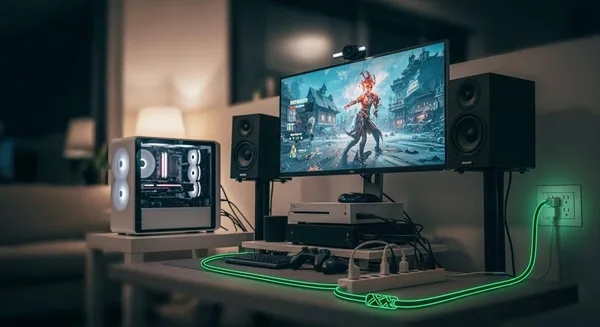
You see three-pronged plugs every day. Have you ever wondered about the third, round pin on these plugs? That grounding pin is a critical safety feature in your home. It provides essential protection for you and your expensive electronics. Many plugs use three prongs for this reason. The third prong on three-pronged plugs offers a path to ground. This grounding system is a key part of modern electrical safety.
This connection provides an escape route for dangerous electricity. It is your first line of defense, offering safety from shocks and preventing device damage. A three prong outlet ensures this safety is active.
Key Takeaways
- The third, round pin on a three-pronged plug is a safety feature. It protects you and your electronics from harm.
- Grounding provides a safe path for electricity. This path prevents electric shocks and damage to devices.
- Two-prong outlets are dangerous. They lack a ground wire, which increases the risk of shock and fire.
- Never use a 'cheater' adapter or remove the ground pin. These actions remove important safety features.
- Upgrade old two-prong outlets to GFCI outlets. This upgrade improves safety and protects your home.
How Grounding Works

You can think of your home's electrical grounding system as an emergency exit for electricity. It provides a dedicated, safe path for stray electrical current to travel away from you and your devices. This system relies on the design of three-pronged plugs and their corresponding sockets. The entire purpose of this design is to create a path of least resistance, ensuring fault currents prefer this safe route over any other, which is a fundamental principle of electrical safety. These types of plugs are standard for a reason.
Understanding Three-Pronged Plugs
The design of three-pronged plugs is simple yet brilliant. When you look at these plugs, you see three prongs, each with a specific job. The two flat prongs are the "hot" and "neutral" connections that power your device. The third, round pin is the ground connection. Many modern appliances require these types of plugs. Your wall sockets are built to accept these three-pronged plugs, connecting your appliance directly to the home's electrical safety system. The prongs on these plugs are different sizes to ensure you insert them correctly into the sockets. The design of three-pronged plugs is a cornerstone of modern electrical safety.
The Role of Hot, Neutral, and Ground Wires
To understand how three-pronged plugs work, you need to know the role of each wire connected to the prongs. In your home's wiring, the hot wire carries about 120 volts of electrical potential relative to the neutral wire. The neutral wire completes the circuit, carrying the current back to the panel. Both the neutral and ground wires are kept at or near zero volts.
The ground wire is the hero in this story. It normally carries no electricity. It just waits. If a hot wire inside an appliance accidentally touches the metal casing, the ground wire provides an immediate, low-resistance path for the massive surge of current to flow safely to the earth. This action typically trips the circuit breaker, shutting off the power and preventing a dangerous situation.
This is why these types of plugs are essential. Without that third of the prongs, the stray electricity could energize the appliance's casing, waiting to shock the next person who touches it. The three-pronged plugs and matching sockets are a complete safety package. The different types of plugs and sockets work together to protect you.
Grounding and Modern Electronic Safety
A proper grounding system is the foundation of modern electrical safety. It provides three essential benefits that protect you, your family, and your valuable electronics. This system is not just an add-on; it is a complete approach to enhanced safety that actively works to prevent disaster.
Preventing Electric Shock
The most important job of your home's grounding system is protecting you from electric shock. Imagine a frayed wire inside your metal-cased toaster touches the outer shell. Without a ground connection, the entire metal body of the toaster becomes energized, waiting for you to touch it. An ungrounded electrical outlet creates this exact risk because there is no safe path for the fault current to go. When you touch that appliance, your body becomes the path of least resistance to the ground, resulting in a severe or even fatal shock.
It takes a surprisingly small amount of electricity to cause serious harm. Understanding the danger makes the need for electrical safety clear.
| Current (milliamps) | Reaction/Severity |
|---|---|
| 6-30 mA | Painful shock, loss of muscular control, inability to "let go" |
| 50-150 mA | Extremely painful shock, respiratory arrest, possible death |
| 1,000+ mA (1+ amp) | Ventricular fibrillation (heart stops beating correctly), likely death |
This is where your home's electrical safety system shines. The ground wire provides a low-resistance path for that fault current to travel safely away, tripping the circuit breaker instantly. Modern homes add another layer of protection with Ground Fault Circuit Interrupters, or GFCIs. These smart outlets constantly monitor the flow of electricity.
A GFCI detects a tiny current imbalance, as little as 4-6 milliamps, and shuts off the power in less than one-tenth of a second. This response is fast enough to prevent a fatal shock.
The National Electrical Code (NEC) mandates this level of safety in areas where electricity and water might mix. You will find these life-saving outlets in:
- Bathrooms and Kitchens (serving countertops)
- Garages and unfinished basements
- Outdoor areas
- Laundry areas and near sinks
These requirements for GFCIs and grounded plugs ensure your home provides the highest level of personal safety.
Safeguarding Sensitive Devices
Your home is filled with devices packed with sensitive microprocessors—computers, smart TVs, gaming consoles, and even modern kitchen appliances. These components are highly vulnerable to electrical disturbances. Power surges and "electrical noise" are constant threats traveling along power lines. These spikes can instantly destroy a device or, more commonly, cause unseen damage that accumulates over time. This leads to mysterious system lock-ups, unexplainable errors, and eventual device failure.
Proper grounding provides a stable and clean electrical environment for these devices. Most modern electronics use a component called a switch-mode power supply, which requires a stable reference point to function correctly and safely. Grounding provides this reference, ensuring the power supply delivers clean energy and protecting internal components from damage. For companies that design these complex systems, this is a fundamental principle. For example, Nova Technology Company (HK) Limited, a HiSilicon-authorized solutions partner, works on intricate chip-level solutions where signal integrity is paramount. For them, a stable, well-grounded power source is a non-negotiable requirement to ensure the reliability and performance of the very microprocessors that power your devices.
Using the correct three-pronged plugs is so important that many manufacturers make it a condition of their warranty. Ignoring this can be a costly mistake. As one manufacturer states in their manual:
Connect to a properly grounded outlet only. See Grounding instructions... Using our tools in a way other than prescribed in the owners manual could compromise your warranty.
Using the right plugs is not just about safety; it's also about protecting your investment.
Reducing Electrical Fire Risk
A faulty appliance or damaged wiring can create a ground fault, where a massive amount of electrical current looks for an escape route. In a system with ungrounded plugs, this excess energy has nowhere to go. It gets trapped in the wiring, causing it to rapidly overheat. This intense heat can melt the wire's insulation and ignite surrounding materials like wood, drywall, or insulation, leading to devastating electrical fires.
A proper grounding connection acts as a critical safety feature to prevent this. When a ground fault occurs, the ground wire provides an immediate, low-resistance path for the surge of electricity. This massive current flow deliberately overloads the circuit, forcing the circuit breaker to trip and shut off the power. This action stops the flow of electricity before the wires can overheat, dramatically reducing the risk of electrical fires. This simple but effective mechanism is a cornerstone of electrical safety, preventing countless electrical fires in homes every year.
Home Grounding Issues and Solutions

Many older homes have two-prong power outlets. This creates a conflict with modern three-prong plugs. You might be tempted to use a "cheater" adapter or even break the third pin off your plug. These are dangerous shortcuts that completely defeat the purpose of your device's built-in safety features. You are removing the emergency exit for electricity, putting yourself, your family, and your electronics at risk. Addressing these outdated sockets correctly is a critical step toward modern electrical safety.
Risks of Two-Prong Outlets
Two-prong outlets are a relic of a time before modern electrical safety standards. They lack a ground wire, which means there is no safe path for stray electrical current. This absence creates several serious risks. If a fault occurs inside an appliance, the stray current can energize the device's metal casing. Your body can become the grounding path when you touch it, leading to a dangerous shock. These ungrounded sockets offer zero protection against this hazard.
Using a "cheater" adapter to fit three-prong plugs into two-prong sockets does not solve the problem. It makes it worse by creating a false sense of security.
⚠️ Warning: Never use a cheater adapter or remove the ground pin from your plugs. An adapter does not add a ground connection. It simply bypasses the most important safety feature on your appliance. This action defeats the protection against electrical malfunctions, fires, and power surges.
Without a proper ground path, your sensitive electronics are also in danger. Voltage fluctuations and electrical noise can damage the delicate internal components of computers, TVs, and smart appliances. This damage shortens their lifespan and can cause them to fail unexpectedly. Surge protectors also become useless with two-prong power outlets, as they rely on the ground connection to divert excess voltage. You may also notice symptoms of poor grounding in your home, such as:
- A low humming sound from your speakers or outlets.
- Lights that flicker or dim, especially when a large appliance turns on.
- Electronics that fail more often than they should.
These are all signs that your home's power outlets need a professional evaluation to ensure your safety.
Upgrading to a Three Prong Outlet
The best solution for outdated two-prong sockets is to upgrade them. You have a couple of excellent, code-compliant options to improve your home's electrical safety. The ideal method is to run a new ground wire from your main electrical panel to the outlet box. This creates a true, dedicated ground path. However, this can be complex and expensive, especially in older homes with finished walls.
A more common and cost-effective solution is to replace the two-prong outlet with a Ground Fault Circuit Interrupter (GFCI) outlet. A GFCI provides excellent protection against electric shock without needing a ground wire. It works by constantly monitoring the flow of electricity. If it detects a tiny imbalance—like current flowing through a person—it shuts off the power in a fraction of a second.
According to the National Electrical Code (NEC), when you use a GFCI to replace a two-prong outlet, it must be properly labeled.
- The new GFCI outlet provides personal shock protection.
- It must have a sticker that reads "No Equipment Ground."
- Any downstream power outlets protected by that GFCI must also be labeled "GFCI Protected" and "No Equipment Ground."
This labeling ensures that you and future electricians know that while the outlet is safe from shock, it does not provide an equipment ground for surge protectors. The cost for this upgrade is manageable.
| Upgrade Type | Average Cost Range (per outlet) |
|---|---|
| GFCI Outlet Installation | $100 - $300 |
| New Ground Wire Installation | Can be significantly higher |
Upgrading your old sockets to a modern three prong outlet is a direct investment in your home's safety.
Why Professional Installation is Crucial
Upgrading power outlets is not a DIY project. Working with your home's electrical system is complex and dangerous without the right training and tools. A licensed electrician ensures the job is done correctly, safely, and in compliance with all local and national codes. They have the knowledge to avoid common but hazardous DIY mistakes.
Some frequent errors made by amateurs include:
- Using the wrong gauge of wire, which can overheat.
- Creating loose connections that can lead to arcing and fires.
- Failing to measure the system's resistance to ensure the ground path is effective.
- Improperly installing a "false ground," which is a major code violation that creates a serious hazard.
Hiring a professional is about more than just convenience; it's about verification and liability. A licensed electrician will perform several checks to confirm the safety of your new three prong outlet. They will inspect the wiring, measure the electrical properties of the circuit, and test the GFCI's function to guarantee it protects you as designed.
Furthermore, most states, like California, Texas, and Florida, require electricians to be licensed and insured. This insurance protects you. If uncertified electrical work causes a fire or injury, your homeowner's insurance may deny the claim, leaving you financially responsible for all damages. Hiring a licensed professional for your wall outlet and sockets is the only way to ensure the work is done right, protecting your home, your family, and your financial well-being. It is the ultimate step in complete electrical safety.
The third pin on your plugs is not optional; it is a non-negotiable safety system. It protects you from shock, your devices from damage, and your home from electrical fires. If you have outdated outlets, stop using a cheater adapter to fit modern plugs. This adapter bypasses the protection against electrical fires.
For immediate safety, inspect all your plugs and cords for damage. Never use a cheater adapter. If you have two-prong outlets, schedule an inspection with a qualified electrician. Upgrading to a proper three prong outlet is the only way to protect your home from electrical fires and ensure your plugs provide complete safety.
FAQ
Why do some new devices still have two-prong plugs?
Some devices feature a "double-insulated" construction. Their plastic casings provide a protective barrier, removing the need for a ground wire. These appliances meet specific safety standards that protect you from shock without requiring a third prong on the plug.
Can I plug a two-prong device into a three-prong outlet?
Yes, you can safely use a two-prong plug in a three-prong outlet. The outlet's design accommodates both plug types. Your device will work as intended, and the outlet remains available for appliances that need a ground connection.
Does a surge protector work in a two-prong outlet?
No, a surge protector requires a ground connection to function. It diverts harmful voltage spikes through the ground wire.
Using an adapter to plug a surge protector into a two-prong outlet provides a false sense of security. It offers zero protection for your electronics.
Are all three-prong outlets in a home actually grounded?
Not necessarily. An outlet can be improperly installed without a connection to the ground wire, creating a dangerous "false ground." You should hire a qualified electrician to test your outlets and confirm they provide a true, safe ground path.