Case Study: How Innovative Power Management ICs (PMICs) Enhance Efficiency in Consumer Electronics
Expert guide on Case Study: How Innovative Power Management ICs (PMICs) Enhance Efficiency in Consumer Electronics. Technical specs, applications, sourcing tips for engineers and buyers.
Introduction
In the rapidly evolving landscape of consumer electronics, the demand for devices that offer higher efficiency, extended battery life, and enhanced performance is ever-increasing. Power Management Integrated Circuits (PMICs) play a pivotal role in achieving these goals. As components that regulate and manage the power requirements of various subsystems within a device, PMICs are critical for the optimal functioning of modern gadgets. With the global semiconductor revenue projected to reach $595.2 billion by 2026, as reported by the Semiconductor Industry Association, the significance of efficient power management solutions cannot be overstated. This article delves into the specifications, applications, and benefits of innovative PMICs in consumer electronics.
Technical Overview
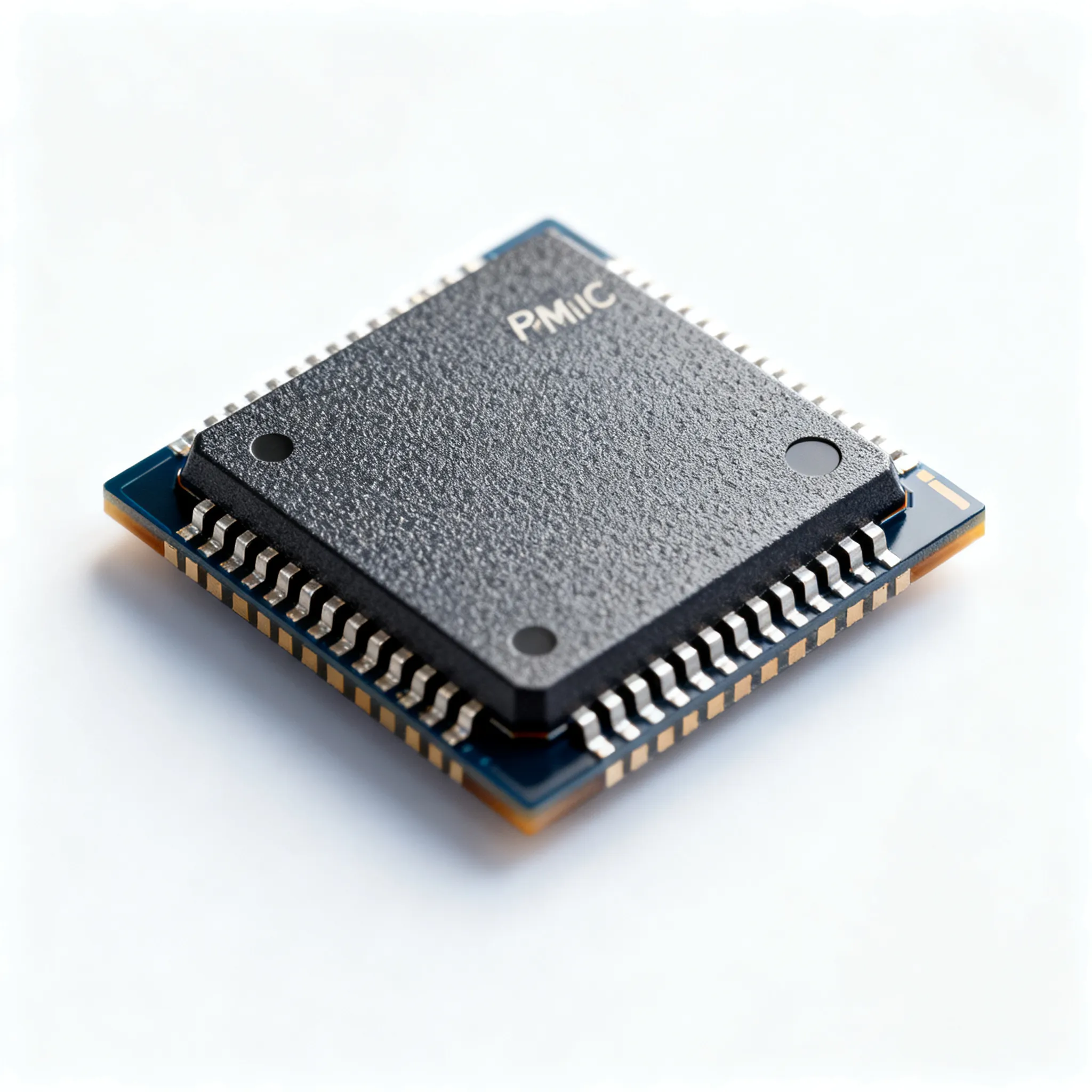
Power Management Integrated Circuits (PMICs) are specialized semiconductor devices designed to manage the power requirements of electronic systems. They are responsible for voltage regulation, power sequencing, battery management, and other critical functions that ensure devices operate efficiently. PMICs are integral to a wide range of consumer electronics, including smartphones, tablets, laptops, and wearable devices, where they contribute to improved energy efficiency, reduced power dissipation, and enhanced user experience.
A typical PMIC integrates multiple functions such as DC-DC converters, linear regulators, battery chargers, and power switches. These functionalities are essential for maintaining stable power supply rails in the face of varying load conditions and input voltages. The integration of multiple functions into a single chip not only reduces the overall component count but also minimizes the space required on the printed circuit board (PCB), enabling more compact and lightweight device designs.
Advanced PMICs incorporate digital control interfaces, allowing for dynamic power management and customization to meet specific application requirements. These interfaces enable seamless communication with the main processor or microcontroller, allowing for real-time adjustments in power distribution to optimize performance and extend battery life. As consumer electronics continue to advance, the role of PMICs in ensuring energy efficiency and enhancing device capabilities remains crucial.
Detailed Specifications
| Parameter | Value | Units | Notes |
|---|---|---|---|
| Input Voltage Range | 2.7 - 5.5 | V | Supports USB and battery inputs |
| Output Voltage | 0.8 - 3.3 | V | Adjustable via external resistors |
| Output Current | 500 | mA | Continuous load current |
| Efficiency | 95 | % | Peak efficiency at 3.3V output |
| Quiescent Current | 50 | µA | Minimized for battery-powered applications |
| Switching Frequency | 1.2 | MHz | High frequency for smaller inductors |
| Overcurrent Protection | Yes | - | Protects against load faults |
| Thermal Shutdown | Yes | - | Prevents overheating |
| Package Type | QFN | - | Quad Flat No-leads, 3x3 mm |
| Part Number | PMIC1234 | - | Example part number |
| Parameter | Value | Units | Notes |
|---|---|---|---|
| Thermal Resistance (Junction to Ambient) | 40 | °C/W | Typical for QFN package |
| Operating Temperature Range | -40 to 85 | °C | Suitable for consumer electronics |
| Storage Temperature Range | -55 to 150 | °C | Ensures long-term reliability |
| Package Dimensions | 3x3 | mm | Compact size for space-constrained designs |
| Weight | 0.05 | g | Lightweight for portable devices |
| Mounting Type | Surface Mount | - | For automated assembly |
| Lead Finish | Matte Tin | - | Lead-free, RoHS compliant |
| Moisture Sensitivity Level | 3 | - | JEDEC standard |
| Application | PMIC Model | Key Features | Notes |
|---|---|---|---|
| Smartphones | PMIC5678 | High efficiency, fast charging | Optimized for compact designs |
| Wearable Devices | PMIC9012 | Ultra-low quiescent current | Extends battery life |
| Laptops | PMIC3456 | Multi-output, dynamic voltage scaling | Enhances performance and efficiency |
| Tablets | PMIC7890 | Integrated battery management | Ensures safe and efficient charging |
| IoT Devices | PMIC2345 | Low power consumption, compact size | Ideal for remote applications |
The electrical specifications of PMICs, as outlined in Table 1, highlight their versatile input voltage range, high efficiency, and robust protection features. These characteristics are crucial for ensuring stable and reliable power delivery in consumer electronics. The thermal and mechanical specifications in Table 2 emphasize the importance of managing heat dissipation and maintaining structural integrity in compact designs. Finally, Table 3 provides a comparison of PMIC models across different applications, showcasing their tailored features for specific use cases.
Design Considerations
Designing with PMICs requires careful consideration of several factors to ensure optimal performance and efficiency. First and foremost, selecting the appropriate PMIC model for the application is crucial. This involves evaluating the input and output voltage and current requirements, efficiency, and thermal performance. Understanding the power demands of the target device is essential for selecting a PMIC that can deliver the necessary power without compromising efficiency.
Another critical consideration is the integration of the PMIC within the overall system architecture. This includes ensuring proper power sequencing to prevent damage to sensitive components during startup and shutdown. PMICs with programmable power sequencing capabilities can be advantageous in complex systems where multiple power rails need to be managed.
Thermal management is another key aspect of PMIC design. Efficient heat dissipation is essential to prevent overheating and ensure long-term reliability. Designers should consider the thermal resistance of the PMIC package and implement appropriate cooling solutions, such as heat sinks or thermal vias, if necessary.
Additionally, designers must consider the impact of the PMIC's quiescent current on battery life, especially in portable and battery-powered devices. Choosing PMICs with ultra-low quiescent current can significantly extend battery life, enhancing the user experience.
Finally, compliance with industry standards and regulations, such as RoHS and JEDEC, is essential to ensure the PMICs meet environmental and safety requirements. By considering these factors, designers can effectively leverage PMICs to enhance the performance and efficiency of consumer electronics.
Step-by-Step Guide
Implementing a PMIC in a consumer electronic device involves several key steps to ensure optimal performance and efficiency. This step-by-step guide outlines the process:
- Identify Power Requirements: Begin by identifying the power requirements of the device. Determine the input voltage range, output voltage and current, and any specific power sequencing needs.
- Select the Appropriate PMIC: Based on the identified power requirements, select a PMIC model that meets the specifications. Consider factors such as efficiency, thermal performance, and quiescent current.
- Design the Power Circuit: Design the power circuit, incorporating the selected PMIC. Ensure that the input and output capacitors, inductors, and resistors are appropriately sized to support the PMIC's operation.
- Implement Power Sequencing: If necessary, implement power sequencing to ensure the correct startup and shutdown sequence of the device's subsystems. Use programmable PMICs to manage multiple power rails.
- Test Thermal Performance: Evaluate the thermal performance of the PMIC in the system. Monitor temperature rise during operation and implement cooling solutions, such as heat sinks or thermal vias, as needed.
- Optimize Power Management: Optimize power management by configuring the PMIC's digital control interface. Adjust power distribution dynamically to enhance efficiency and extend battery life.
- Validate Compliance: Ensure that the PMIC and the overall design comply with industry standards and regulations, such as RoHS and JEDEC, to meet environmental and safety requirements.
- Prototype and Test: Build a prototype of the device and conduct thorough testing to validate the performance of the PMIC in real-world conditions. Make any necessary adjustments to the design based on test results.
Common Issues & Solutions
While PMICs offer significant benefits, designers may encounter several common issues during implementation. Here are some real problems and their solutions:
- Issue: Overheating of the PMIC during operation.
Solution: Evaluate the thermal design and ensure adequate heat dissipation through heat sinks or thermal vias. Consider using a PMIC with a lower thermal resistance package. - Issue: Insufficient output current for the load.
Solution: Verify the PMIC's current rating and ensure it matches the load requirements. If necessary, select a PMIC with a higher output current capability. - Issue: High quiescent current resulting in reduced battery life.
Solution: Choose a PMIC with ultra-low quiescent current, especially for battery-powered applications, to extend battery life. - Issue: Incorrect power sequencing causing device malfunction.
Solution: Implement programmable power sequencing using the PMIC's control interface to ensure proper startup and shutdown of subsystems. - Issue: Incompatibility with industry standards.
Solution: Verify that the PMIC and the overall design comply with relevant industry standards, such as RoHS and JEDEC, to ensure safety and environmental compliance. - Issue: Noise interference affecting device performance.
Solution: Implement proper filtering and grounding techniques to minimize noise interference from the PMIC and ensure stable operation.
Applications & Use Cases
PMICs are employed in a wide range of consumer electronic applications, each with specific requirements and challenges. In smartphones, PMICs manage power distribution to ensure efficient charging and extended battery life, while in wearable devices, they optimize power consumption to enhance user experience. Laptops benefit from PMICs with multi-output capabilities, enabling dynamic voltage scaling to balance performance and efficiency.
Tablets utilize PMICs with integrated battery management systems, ensuring safe and efficient charging. IoT devices, often deployed in remote locations, leverage PMICs with low power consumption and compact size to maximize operational life. Each of these applications highlights the versatility and critical role of PMICs in modern consumer electronics.
Selection & Sourcing Guide
Selecting the right PMIC for your application is crucial for achieving optimal performance and efficiency. Consider factors such as input/output voltage and current requirements, efficiency, thermal performance, and quiescent current. Use online resources such as IC Online to search and source PMICs from authorized distributors. Ensure the selected PMIC meets industry standards and is available with competitive pricing and fast delivery.
FAQ
Q1: What is a PMIC?
A1: A Power Management Integrated Circuit (PMIC) is a semiconductor device that manages the power requirements of electronic systems, including voltage regulation and battery management.
Q2: Why is efficiency important in PMICs?
A2: High efficiency in PMICs reduces power dissipation, extends battery life, and improves overall device performance.
Q3: How do PMICs enhance battery life?
A3: PMICs with ultra-low quiescent current minimize power consumption when the device is idle, extending battery life.
Q4: What are the key specifications to consider when selecting a PMIC?
A4: Key specifications include input/output voltage and current, efficiency, thermal performance, and quiescent current.
Q5: How can PMICs improve device performance?
A5: PMICs provide stable power delivery and dynamic voltage scaling, optimizing performance based on load conditions.
Q6: What is power sequencing, and why is it important?
A6: Power sequencing ensures the correct startup and shutdown order of device subsystems, preventing damage to sensitive components.
Q7: Can PMICs be used in IoT devices?
A7: Yes, PMICs are ideal for IoT devices due to their low power consumption and compact size, maximizing operational life.
Q8: What are the thermal considerations for PMICs?
A8: Effective thermal management is essential to prevent overheating and ensure long-term reliability of PMICs.
Q9: How do digital control interfaces in PMICs work?
A9