What Is EVAP System Leak? Modern Car Scanners Explained
An EVAP system leak is a breach in a car's sealed fuel emission control system that lets vapors escape. Scanners detect these breaches via pressure drops.
You might ask, what is evap system leak? An evap system leak occurs when an unintended breach forms in your vehicle evaporative emission control system. Gasoline produces fuel vapors constantly inside the fuel tank. This sealed system keeps toxic gas inside to reduce harmful emissions. You may ask again, what is evap system leak testing?
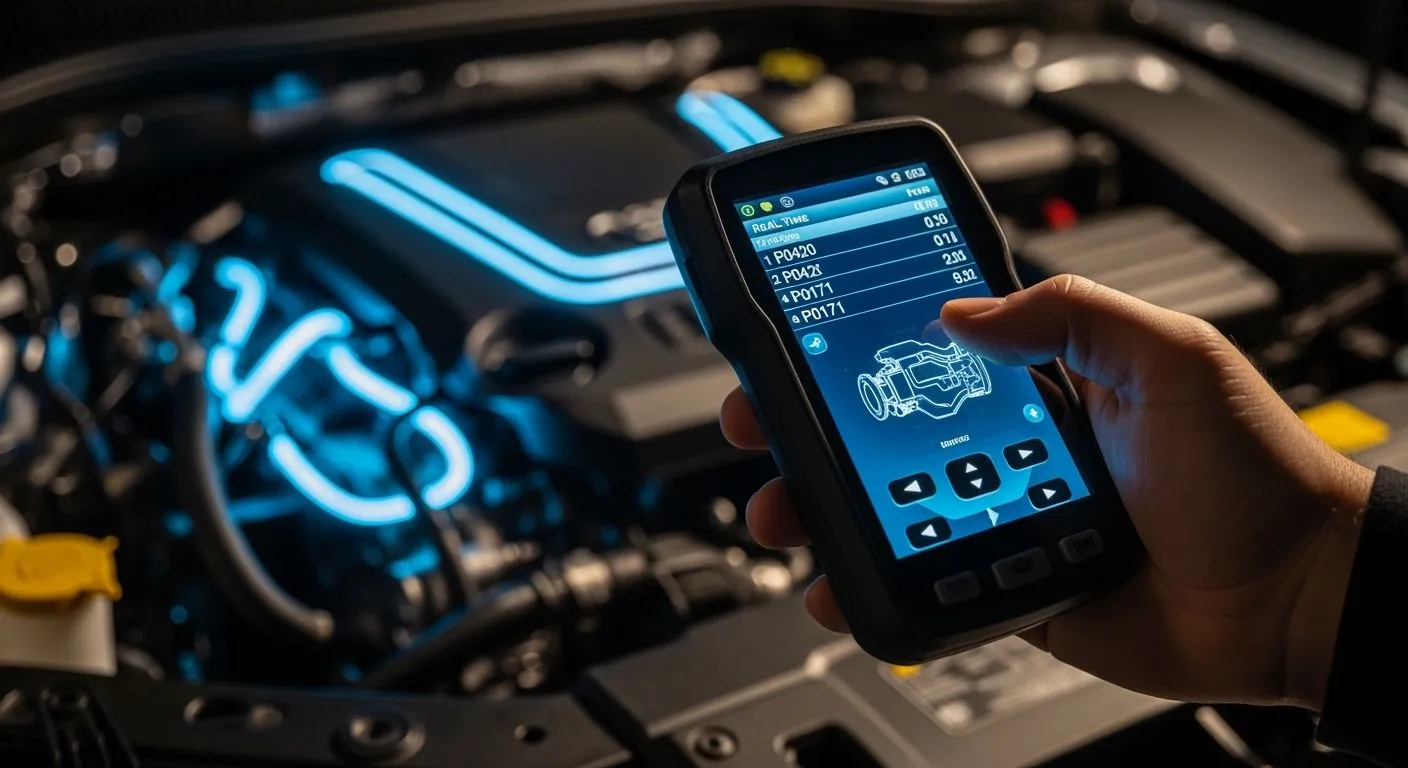
Your engine computer monitors internal pressure shifts continuously. It turns on the check engine light when pressure drops past set limits. Modern OBD-II scanners read live vehicle sensor streams easily. These diagnostic tools display trouble codes from P0440 to P0457. They guide you directly to the evap fault for a simple fix.
Key Takeaways
- An EVAP leak lets harmful fuel vapors escape from your sealed gas tank into the air.
- Fixing EVAP leaks quickly restores optimal fuel economy and saves you money at the pump.
- Modern car scanners read live computer sensors to pinpoint exact leak locations fast.
- A loose gas cap or cracked rubber hose often triggers the check engine light.
- You can combine scanner tools with smoke tests to find hidden leaks easily.
What Is EVAP System Leak and How It Works

Your vehicle contains an evaporative emission control system to trap harmful fumes. Gasoline inside your fuel tank evaporates constantly. This sealed system stores those fumes in a charcoal canister. It routes the fumes to your engine for combustion later. Learning what is evap system leak helps you maintain overall vehicle health. An evap failure disrupts this process.
How Electronic Sensors Detect an EVAP System Leak
Electronic components monitor internal pressure shifts to maintain system integrity.
| Component | Primary Function |
|---|---|
| Purge Solenoid | Controls the flow of fuel vapors into the engine intake manifold using pulse-width modulation. |
| Vent Valve | An electronic solenoid that allows filtered air into the canister and seals the system during testing. |
| Canister | Stores captured fuel vapors within activated charcoal. |
| Fuel Tank Pressure Sensor | Monitors the pressure level within the fuel tank and outputs a voltage signal. |
Modern vehicle computers use a specialized pump to detect an evap system leak.
- The pump pressurizes the fuel tank and evap canister to a specific level.
- The computer monitors whether the system holds this pressure or drops over time.
- A pressure drop indicates a leak in the sealed fuel system.
- The onboard computer compares internal pressure readings to expected thresholds.
- A detected leak triggers a check engine light and stores a diagnostic fault code.
Physical Causes and Impact on Fuel Efficiency
Physical wear causes system breaches over time. You should check common failure locations during your vehicle repair routine:
- Loose or damaged gas cap
- Cracked or split hoses and rubber lines
- Damaged plastic lines
- Faulty connections at the fuel tank or charcoal canister
- Visibly damaged components or degraded seals
A faulty system allows gasoline fumes to escape into the atmosphere. Damaged or leaking hoses prevent effective containment, leading to increased evaporative emissions during emissions testing.
An unaddressed leak directly alters operational costs and vehicle efficiency.
| Aspect | Impact of Failed EVAP System |
|---|---|
| Fuel Economy Reduction | 2% to 5% loss in miles per gallon |
| Equivalent Fuel Consumption | Emissions equal to 2-4% of total vehicle fuel consumed |
| Annual Fuel Cost Impact | $80 to $200 in wasted fuel |
Understanding what is evap system leak allows you to fix problems quickly. Timely maintenance protects your wallet and keeps your vehicle running cleanly on the road.
How Scanners Help Find EVAP Leak Signals

Modern evap scanner tools convert complex electronic signals into clear diagnostic metrics. High-performance microcontrollers process sensor signals directly at the circuit level for accurate evaluation. For instance, Nova Technology Company (HK) Limited operates as a HiSilicon-designated solutions partner in automotive technology. They design specialized automotive semiconductor solutions and integrated circuit systems. These advanced microcontrollers support vehicle system integration to read evap pressure metrics with exceptional hardware precision. Your diagnostic tool receives these sensor signals and displays live data stream values on screen.
Decoding Pressure Decay and Live Sensor Streams
You can monitor specific evap sensor values in real time to evaluate overall system integrity.
| Parameter Name | Description & Significance |
|---|---|
| Absolute Evap System Vapor Pressure | Measures total pressure inside the evap system in psi or kPa. A reading near 14.7 psi (101.3 kPa) indicates atmospheric baseline pressure. |
| EVAP System Vapor Pressure | Measures gauge pressure relative to ambient conditions. Negative or positive values show evap system sealing performance. |
| Commanded Evaporative Purge | Displays commanded purge flow percentage. Values range from 0% (fully closed) to 100% (maximum flow) during fuel vapor management. |
Your onboard computer runs a pressure decay test by pulling a continuous vacuum inside the sealed fuel tank. You can interpret the pressure decay testing process using scanner data steps:
- The computer seals the vent valve and opens the purge valve to pull vacuum.
- Software logs the initial pressure and timestamp after closing all valves.
- Software records the final pressure and timestamp after a set duration.
- The system calculates the decay rate using the formula
(Pressure_Start - Pressure_End) / Time_Elapsed. - You compare the calculated decay rate to known standard values on your vehicle display.
An acceptable condition shows a combined system decay rate of 0.097 mmHg/sec during testing. An isolated fuel tank decay rate of 0.07 mmHg/sec also indicates a passing test. A rate of 0.34 mmHg/sec shows an improved but failing condition. A rapid pressure drop reaching ~1.7 mmHg/sec confirms an active leak in your fuel system.
Diagnosing Common EVAP Failure Codes
Your diagnostic tool reads stored evap trouble codes when an internal system breach occurs. The engine computer triggers a check engine light when pressure loss exceeds programmed thresholds. Onboard scanner trouble codes reveal exact leak dimensions across vehicle components.
| Diagnostic Trouble Code (DTC) | Leak Size Description | Equivalent Hole Diameter |
|---|---|---|
| P0455 | Large Leak | Equivalent to 0.080 inches or larger |
| P0442 | Small Leak | Equivalent to approximately 0.040 inches |
| P0456 | Very Small Leak | Equivalent to approximately 0.020 inches |
Code P0441 indicates incorrect purge flow through the purge valve solenoid. Code P0443 alerts you to an electrical circuit fault in the purge control circuit. Both P0455 and P0456 can point to a stuck purge valve as a primary leak source. Understanding these stored trouble codes helps you find evap leak locations quickly on any vehicle. Prompt repairs eliminate excess evaporative emissions and turn off the check engine light on your vehicle dashboard.
Step-by-Step Electronic Diagnostics and Repairs
Using Live Scanner Data to Pinpoint Breaches
You can find evap leak points effectively using systematic electronic diagnostics. Modern diagnostic tools simplify this troubleshooting process by communicating directly with your onboard vehicle computer.
- Locate and connect your OBD-II scanner to the diagnostic port under the dashboard near the steering column.
- Retrieve stored diagnostic trouble codes like P0442 or P0455 to identify initial leak categories.
- Initiate a commanded evap test using advanced tool features to pressurize vehicle lines actively.
During an active monitor test, the fuel tank pressure sensor continuously measures minute pressure or vacuum changes inside the sealed fuel system. The control computer evaluates these live evap readings against expected target values.
- The sensor continuously measures live internal tank pressure changes.
- System software compares actual measurements against pre-programmed target parameters.
- Data discrepancies prompt the computer to store a leak code and illuminate your check engine light.
This live evap sensor data stream guides your vehicle repair decisions accurately before you buy replacement parts.
Combining Scanner Controls with Smoke Testing
Combining electronic scanner commands with professional smoke testing isolates hidden leak sources quickly. You must seal the evap system correctly before performing a smoke test.
- Command the vent solenoid valve closed using scanner controls to seal the entire evap system.
- Connect an evap smoke machine to introduce low-pressure vapor into leak paths.
- Observe the flow gauge ball drop to the bottom when the system seals completely during a smoke test.
- Cycle the vent solenoid 10 to 15 times using scan tool controls to check for intermittent sticking.
- Replace the solenoid valve immediately if it sticks even once during this cycling test.
Inspect the gas cap, filler neck, lines, and charcoal canister for escaping evap smoke streams. Resolving these physical breaches guarantees successful vehicle emissions testing and completes your repair.
Procedure Step: Close vent valve electronically, using the scanner’s bidirectional control, or power and ground applied directly to the valve. Critical Caution: Do not block off the vent valve as it may be the leaking component.
Modern electronic scanners demystify complex emissions diagnostics quickly. These diagnostic tools isolate evap faults by processing real-time sensor streams. You can analyze live evap data streams to confirm a genuine leak before replacing components unnecessarily. Resolving evap system faults promptly restores optimal fuel economy and prevents wasted fuel.
An unaddressed evap system failure triggers the check engine light on your dashboard. You will also fail state emissions testing without proper repairs. Fixing minor evap issues early saves money. It prevents potential repairs from reaching $200-$560 later. You protect your vehicle and wallet by evaluating live scanner readings before purchasing expensive parts.
FAQ
What is evap system leak in a modern vehicle?
This leak occurs when gas fumes escape from your sealed fuel system. Your computer detects this pressure loss in a modern vehicle. It triggers the check engine light to warn you about rising emissions.
Can you drive your vehicle with an evap fault?
You can safely drive your vehicle with a small breach. However, escaping fumes lower your overall fuel economy. You will also fail mandatory state emissions testing. Fixing the issue quickly prevents costly component damage later during your repair process.
How do scanners locate an evap system fault?
Modern diagnostic tools read live evap pressure data directly from your onboard computer sensors. These scanners display specific trouble codes like P0442 or P0455. Advanced bidirectional scanner controls also help you run targeted tests to isolate faulty solenoids quickly.
What causes a warning code during an evap failure?
Your engine computer monitors pressure decay rates constantly. A loose gas cap or cracked hose alters system vacuum levels. When pressure drops below set limits, your computer stores a diagnostic trouble code on your dashboard display.