Common Pitfalls When Choosing an Op Amp: Tips for Engineers to Avoid Costly Mistakes
Expert guide on Common Pitfalls When Choosing an Op Amp: Tips for Engineers to Avoid Costly Mistakes. Technical specs, applications, sourcing tips for engineers and buyers.
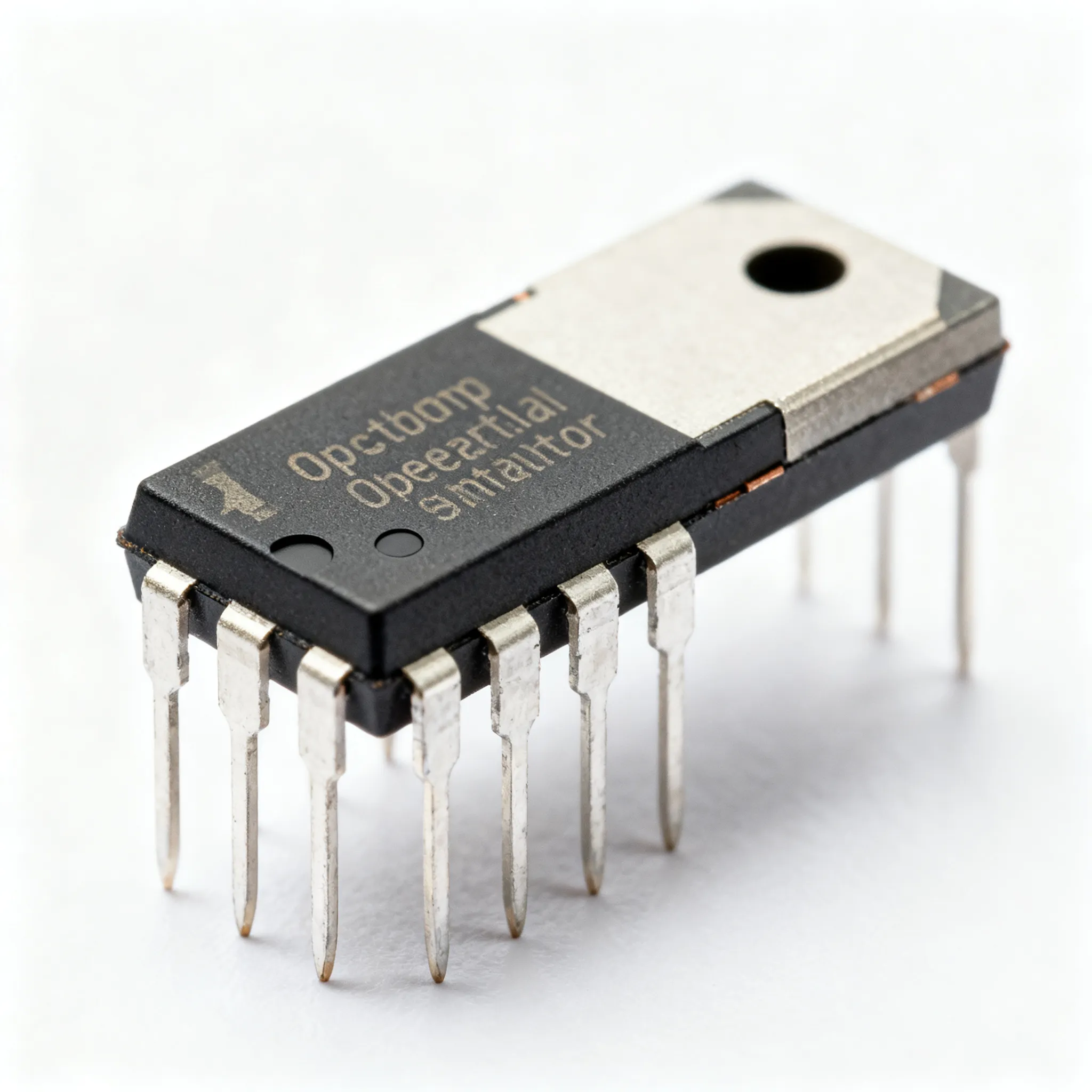
Introduction
Operational amplifiers (op amps) are essential components in electronics, crucial for signal conditioning, filtering, and amplification. The vast array of op amps available today can make selecting the right one a daunting task, especially given the potential for costly mistakes if the wrong choice is made. With the global semiconductor market witnessing significant growth, as highlighted by the Semiconductor Industry Association, choosing the right op amp is more critical than ever. This article aims to guide engineers through the common pitfalls in op amp selection, ensuring optimal performance and cost-efficiency.
Technical Overview
Op amps are versatile components used in a variety of applications, from simple amplification to complex signal processing tasks. The fundamental principle of an op amp is its ability to amplify the voltage difference between its two inputs. Key characteristics include gain bandwidth product, input offset voltage, slew rate, and power consumption. Understanding these parameters is crucial to selecting an op amp that meets the specific needs of your application. For instance, a high-speed application may prioritize slew rate and bandwidth, whereas a battery-powered device may focus on power efficiency.
This article will delve into the specifics of these characteristics, providing a detailed comparison of popular op amp features and performance metrics. By understanding these technical details, engineers can make informed decisions and avoid common mistakes that could lead to suboptimal performance or increased costs.
Detailed Specifications
Feature Comparison Matrix
| Model | Gain Bandwidth Product (MHz) | Slew Rate (V/μs) | Input Offset Voltage (mV) | Supply Voltage (V) | Power Consumption (mW) | Notes |
|---|---|---|---|---|---|---|
| OPA2134 | 8 | 20 | 0.5 | ±15 | 10 | Low distortion, audio applications |
| LM358 | 1 | 0.3 | 2 | 3-32 | 0.7 | General purpose, low power |
| TL072 | 3 | 13 | 3 | ±15 | 3.5 | Low noise JFET-input |
| AD620 | 1.9 | 1.2 | 0.1 | ±2.3 to ±18 | 1.3 | Instrumentation amplifier |
| LT1013 | 0.5 | 0.1 | 0.3 | ±15 | 0.6 | Precision dual op amp |
| LM741 | 1 | 0.5 | 2 | ±15 | 1.2 | Classic op amp |
| NE5532 | 10 | 9 | 0.5 | ±15 | 4 | High-performance audio |
| OPA627 | 16 | 55 | 0.1 | ±15 | 45 | High precision, low noise |
Performance Metrics
| Model | THD + Noise (%) | Crosstalk (dB) | CMRR (dB) | PSRR (dB) | Output Current (mA) | Operating Temperature (°C) | Notes |
|---|---|---|---|---|---|---|---|
| OPA2134 | 0.00008 | -120 | 100 | 100 | 35 | -40 to 85 | Excellent audio performance |
| LM358 | 0.002 | -70 | 80 | 65 | 40 | 0 to 70 | Low power, dual op amp |
| TL072 | 0.003 | -80 | 80 | 100 | 25 | -40 to 85 | Low noise, JFET-input |
| AD620 | 0.001 | -95 | 120 | 110 | 18 | -40 to 85 | Low power, high performance |
| LT1013 | 0.002 | -85 | 100 | 110 | 20 | -40 to 85 | Precision dual op amp |
| LM741 | 0.005 | -60 | 70 | 60 | 25 | 0 to 70 | General purpose |
| NE5532 | 0.0004 | -110 | 90 | 100 | 38 | -40 to 85 | High-performance, low noise |
| OPA627 | 0.00003 | -130 | 120 | 110 | 45 | -40 to 85 | High precision, audio |
Cost & Availability
| Model | Price (USD) | Availability | Lead Time (Days) | Distributor |
|---|---|---|---|---|
| OPA2134 | 2.50 | In Stock | 5-7 | DigiKey |
| LM358 | 0.50 | In Stock | 1-3 | IC Online |
| TL072 | 0.80 | Limited Stock | 10-14 | DigiKey |
| AD620 | 6.00 | In Stock | 5-7 | IC Online |
| LT1013 | 1.20 | In Stock | 5-7 | DigiKey |
| NE5532 | 1.50 | In Stock | 3-5 | IC Online |
These tables provide a detailed comparison of various op amps, highlighting their key features, performance metrics, and cost considerations. Understanding these specifications helps engineers select an op amp that best fits their application's requirements, ensuring optimal performance and cost-efficiency.
Design Considerations
When selecting an op amp, several design considerations come into play. Firstly, determine the application's bandwidth requirements. For high-frequency applications, an op amp with a higher gain bandwidth product is preferable. Consider the slew rate, especially in applications requiring rapid signal changes. An insufficient slew rate can lead to signal distortion and degraded performance.
Input offset voltage is another critical parameter, particularly in precision applications. A lower input offset voltage ensures better accuracy and linearity. Power consumption is crucial for battery-operated devices, where low-power op amps like the LM358 are ideal. Additionally, consider the op amp's power supply requirements, ensuring compatibility with your system's voltage levels.
Noise performance, characterized by total harmonic distortion (THD) and noise, is vital in audio and high-fidelity applications. Models like the OPA2134 and NE5532 offer excellent audio performance with low THD. Also, consider the op amp's operating temperature range, ensuring it meets the environmental conditions of your application.
Finally, evaluate cost and availability. While high-performance op amps like the OPA627 offer exceptional precision, they come at a higher price point. Balance your requirements with your budget, ensuring the chosen op amp meets both performance and cost criteria.
Step-by-Step Guide
Selecting the right op amp involves a step-by-step approach to ensure all design criteria are met:
- Define Application Requirements: Identify the key parameters critical to your application, such as bandwidth, power consumption, and noise performance.
- Select Core Parameters: Choose op amps that meet your defined requirements, focusing on gain bandwidth product, slew rate, and input offset voltage.
- Evaluate Power Supply Compatibility: Ensure the op amp's supply voltage range matches your system's power supply.
- Consider Noise Performance: For audio and precision applications, prioritize op amps with low THD and noise levels.
- Assess Environmental Conditions: Confirm the op amp can operate within the temperature range of your application.
- Cost Analysis: Compare the costs of suitable op amps, balancing performance with budget constraints.
- Check Availability: Ensure your chosen op amp is readily available and can be sourced within your project's timeline.
- Prototype and Test: Prototype your design with the selected op amp and perform testing to validate performance.
Following these steps ensures a systematic approach to op amp selection, minimizing the risk of costly mistakes and ensuring optimal performance.
Common Issues & Solutions
Engineers often encounter common issues when selecting and using op amps. Here are some real problems and their solutions:
- Stability Issues: High-frequency oscillations can occur if the op amp is not properly compensated. Use compensation capacitors or select a unity-gain stable op amp.
- Excessive Noise: Noise can degrade the performance of sensitive applications. Choose op amps with low noise specifications and ensure proper filtering.
- Offset Voltage Drift: Temperature-induced drift can affect precision. Select op amps with low offset voltage drift specifications.
- Slew Rate Limitation: Inadequate slew rate can distort fast-changing signals. Use op amps with a higher slew rate for high-speed applications.
- Supply Voltage Mismatch: Ensure the op amp's supply voltage is compatible with your system's power supply to avoid malfunction.
- Component Sourcing Delays: Availability issues can delay projects. Plan ahead and verify stock levels with distributors like DigiKey or IC Online.
Applications & Use Cases
Op amps find applications in various fields, each requiring specific performance characteristics. In audio applications, op amps like the OPA2134 and NE5532 are preferred for their low noise and distortion. In precision instrumentation, models like the AD620 offer high CMRR and low offset voltage, critical for accurate measurements.
For general-purpose applications, the LM358 and TL072 provide a balance of performance and cost. High-speed applications, such as data acquisition systems, benefit from op amps with high slew rates and gain bandwidth products, like the OPA627.
These use cases highlight the diverse applications of op amps, emphasizing the importance of selecting the right model for your specific needs.
Selection & Sourcing Guide
Selecting the right op amp involves balancing performance, cost, and availability. To streamline the sourcing process, utilize authorized distributors like IC Online, which offer competitive pricing and fast delivery. Ensure the chosen op amp meets your application's specifications and is readily available to avoid project delays.
FAQ
Here are some frequently asked questions regarding op amp selection:
- What is the importance of gain bandwidth product? It determines the frequency