Counterfeit Electronics Database: A Critical Tool for OEM Component Sourcing
Practical guide for buyers and engineers: Counterfeit Electronics Database: A Critical Tool for OEM Component Sourcing. Sourcing, risk, and selection notes.
When Counterfeit Parts Slip Past the Incoming Inspection Gate
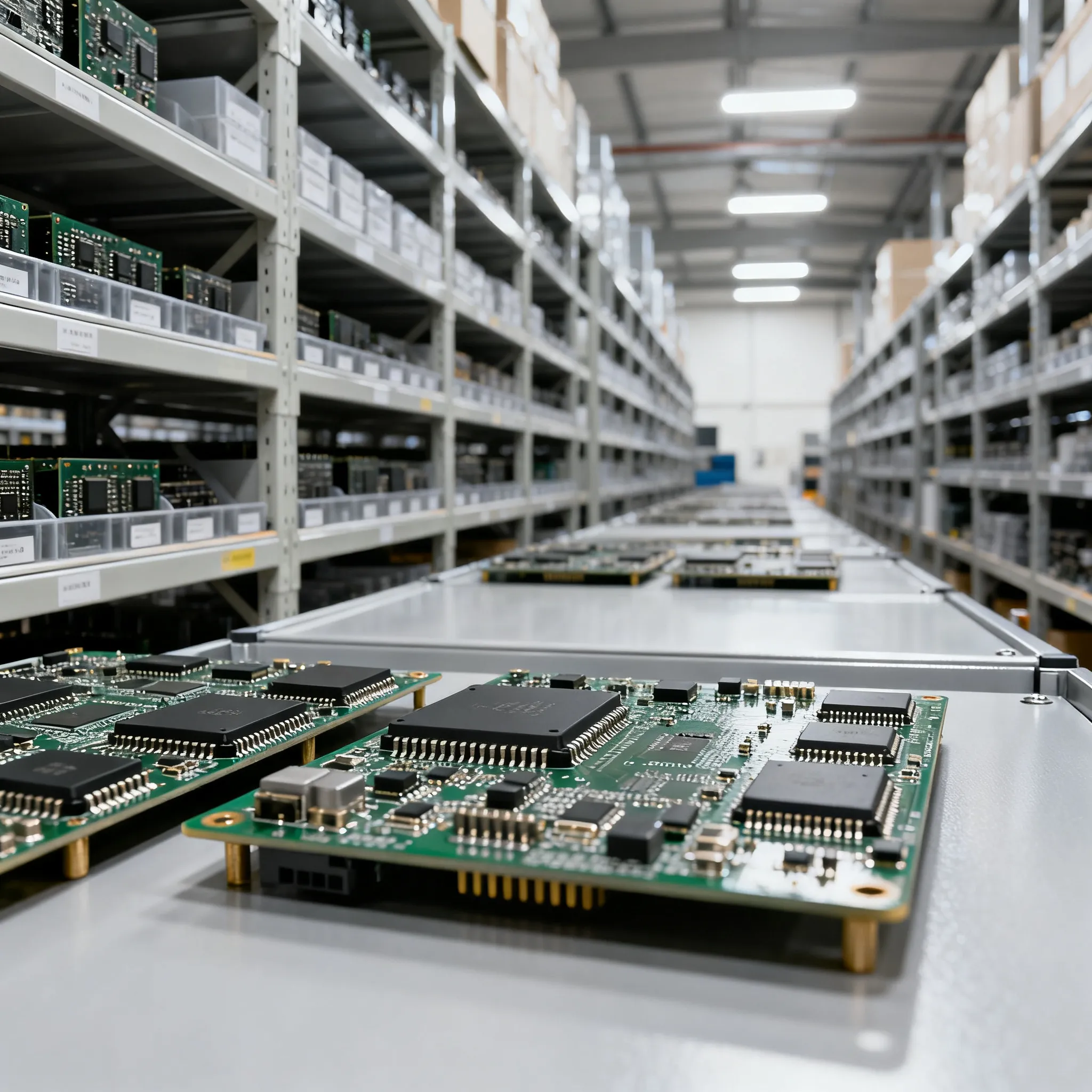
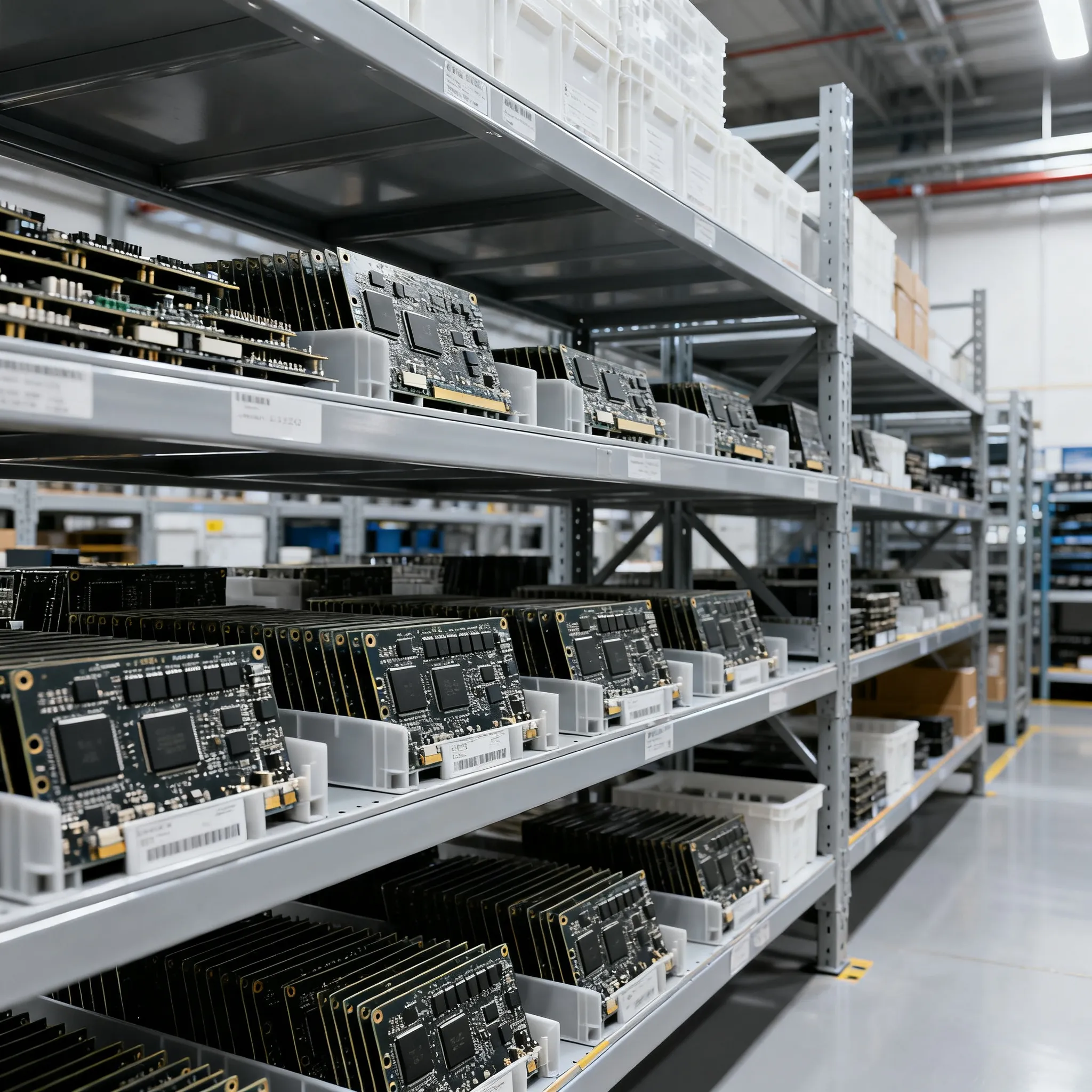
In early 2026, US Customs and Border Protection (CBP) and European distributors reported a sharp rise in counterfeit electronics entering legitimate supply chains. Astute Group documented multiple border seizures, while field failures began triggering costly product recalls and forcing OEMs to re‑examine every link in their procurement chains. In one incident tracked by AGS Devices, a batch of suspect components slipped through incoming inspection, leading to a recall that raised serious questions about supplier vetting. ManufacturingTomorrow warns that the financial and regulatory fallout can extend far beyond the recall itself—heavy fines, mandatory audits, and even loss of essential certifications are common when counterfeits manage to hide in plain sight.
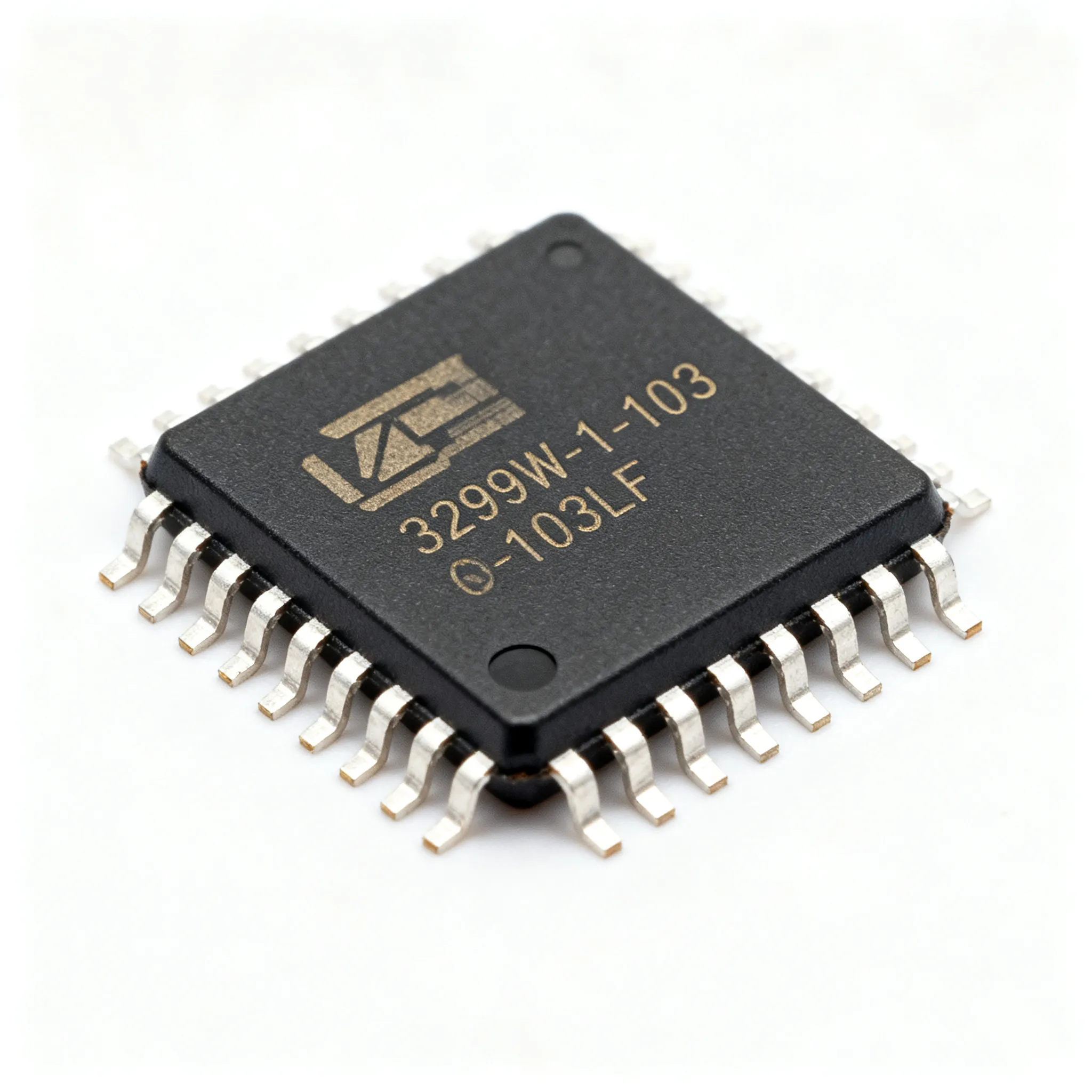
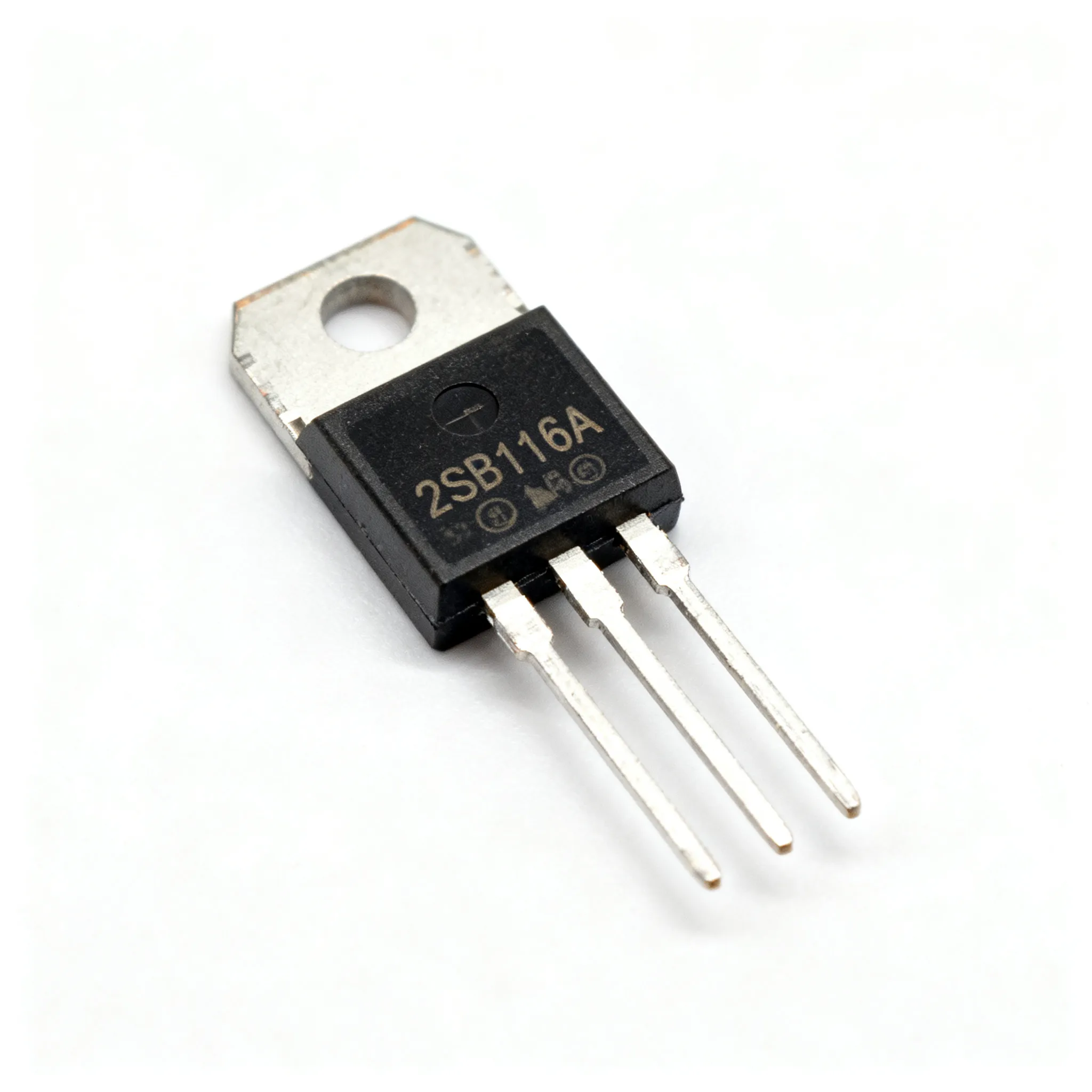
For an OEM buyer, the incoming inspection gate is no longer a reliable single point of defense. Sophisticated counterfeiters replicate date codes, laser etchings, and packaging with enough fidelity to pass basic visual checks. That’s why a dedicated counterfeit electronics database is becoming a critical tool—not just for catching fakes after they arrive, but for preventing risky lots from ever being ordered in the first place. By aggregating globally reported incidents, forensic test results, and supplier watchlists, these databases give procurement teams the intelligence they need to move from reactive firefighting to proactive risk management.
How a Counterfeit Electronics Database Turns Unverified Marks into Actionable Intelligence
A counterfeit electronics database is more than a blacklist. It is a living repository of structured intelligence that converts isolated inspection notes into a shared defense network. ERAI, the world’s largest database of its kind, collects submissions from test houses, OEMs, and government agencies, cross‑referencing part numbers, date codes, lot codes, and supplier identities against a growing body of known suspect inventories. When a buyer searches an MPN before placing a purchase order, the system can instantly flag a part that was reported as non‑conforming or counterfeit six months earlier by another manufacturer—often with supporting images, X‑ray findings, and remarks on packaging anomalies.
The forensic data inside a counterfeit database mirrors the detection techniques described in Screening for Counterfeit Electronic Parts. Typical entries include visual inspection results (inconsistent markings, ghost markings, sanding marks), X‑ray and decapsulation findings (die size mismatch, missing bond wires, blacktopping), and documentation of re‑marking or refurbishment. That granularity allows engineers to compare a suspect part’s physical characteristics against a known‑good baseline without starting from scratch. The following table details the kind of intelligence a robust counterfeit database holds for every flagged part.
| Database Field | Typical Value / Format | Notes |
|---|---|---|
| Part Number (MPN) | Manufacturer‑specific, e.g., AD620ANZ | Cross‑referenced with known good samples |
| Date Code / Lot Code | 4‑digit alphanumeric; YYWW or custom | Checked against manufacturer’s valid format |
| Supplier / Distributor Name | Full legal name and aliases | Linked to risk score and previous reports |
| Visual Anomalies | Inconsistent font, pin‑1 dot misalignment, ghost markings | Documented with microscope images at ≥30X |
| X‑Ray Findings | Die size deviation >10%, missing bond wires, lead frame mismatch | Compared to reference X‑ray from authentic part |
| Decapsulation Results | Die markings absent, extra bond wires, blacktopping evidence | Performed per AS6081 or IDEA‑STD‑1010 |
| Electrical Test Failures | Parametric drift, ESD threshold lower than datasheet | Curve trace and ATE data when available |
| Risk Classification | High / Medium / Low | Based on application criticality and safety impact |
| Report Date and Source | YYYY‑MM‑DD; test house or OEM | Enables traceability and trend analysis |
When a procurement team integrates this intelligence into the sourcing workflow, the database becomes a decision‑support tool, not merely a post‑mortem archive. Instead of relying on a single inspector’s memory, the organization taps into a collective memory that spans thousands of inspections across the industry. This shared intelligence can stop a rogue lot from reaching multiple OEMs simultaneously—a capability that is especially valuable when a single counterfeit batch is distributed through several independent brokers.
Dedicated Counterfeit Tracking vs. General Component Databases: Where to Focus Your Vetting
Not all databases serve the same purpose. A specialized counterfeit electronics database such as ERAI is fundamentally different from the broad third‑party component databases that many electronics contract manufacturers (ECMs) use for vertical search. Matric highlights that general component databases excel at aggregating availability, pricing, and lead times from multiple authorized distributors, saving significant time during the sourcing phase. However, they rarely provide deep counterfeit risk flags or forensic failure data. In contrast, dedicated counterfeit repositories focus exclusively on reported fraud, supplier watchlists, and test house data, aligning with the high‑reliability requirements outlined in Welllinkchips’ 2026 sourcing guide. The table below breaks down the differences so you can decide when to use each tool—or how to layer them for maximum protection.
| Comparison Metric | Dedicated Counterfeit Database (ERAI) | General Component Database (e.g., Matric, Octopart) | Selection Criteria & Failure Boundary |
|---|---|---|---|
| Primary Purpose | Risk mitigation: identify known counterfeit, non‑conforming, and suspect parts | Supply chain efficiency: find availability, pricing, and alternates | Use counterfeit database for high‑risk BOMs; use general database for fast BOM optimization |
| Data Sources | OEM reports, test houses, government agencies, GIDEP | Authorized distributors, independent brokers, manufacturer inventory feeds | Counterfeit database relies on verified incident reports; general databases may list unvetted sources |
| Counterfeit Risk Flags | Detailed forensic reports, supplier blacklists, traceability gaps | Limited or no counterfeit flags; some flag “non‑authorized” stock | If your process requires AS6081‑style evidence, a general database alone is insufficient |
| Supplier Vetting Depth | Continuous monitoring of suspect suppliers, historical incident trend | Basic supplier profile; often depends on self‑declared certifications | For obsolete parts sourced from open market, a counterfeit database is essential |
| Compliance Documentation | Searchable reports that serve as evidence for AS5553/AS6081 audit trails | Not designed to generate compliance artifacts | Auditors may reject a purely availability‑based search as due diligence |
| Coverage of Obsolete Parts | Deep historical records; over 89% of reported counterfeits are obsolete components | Obsolete parts may show “0 stock” and no risk context | If you are supporting legacy military or medical equipment, a counterfeit database is mandatory |
| Cost Structure | Annual subscription, often tiered by usage and API integration | Free or subscription‑based; primarily a sourcing tool | Weigh the subscription cost against a single recall event; the math is almost always favorable |
Most mature OEM procurement organizations layer both types of tools. They use general component databases during the design‑in and BOM‑optimization phase to lock in availability and pricing with authorized distributors. Then, when the BOM contains high‑risk, obsolete, or long‑lead‑time parts—or when the open market is the only viable source—they switch to a counterfeit database for an additional layer of vetting. The following four‑step framework helps procurement teams embed this layered approach without creating process bottlenecks.
- Classify every BOM line by risk. Assign a risk tier (high, medium, low) based on criticality, lifecycle stage, and sourcing channel. Parts sourced from independent brokers or showing zero authorized stock default to high risk.
- Run a counterfeit database check on all high‑risk lines. Before issuing a purchase order, search the MPN, desired date code, and supplier name. Set up automated API calls if volume justifies it.
- Use a general database to identify authorized alternates. If the counterfeit database flags a known suspect lot, pivot to a form‑fit‑function replacement from an authorized distributor listed in your general component search tool.
- Document the search results. Save the database report as a PDF and attach it to the supplier qualification record. This creates the audit trail required by AS5553 and AS6081.
This layered strategy is not just about finding bad parts; it’s about building a defensible procurement process that can withstand scrutiny from customers, regulators, and insurers. AIChipLink’s procurement guide reinforces that a combination of authorized distribution and verified intelligence tools is the most robust defense against the rising tide of counterfeit electronics.
From AS5553 to AS6081: How Databases Help OEMs Meet Anti‑Counterfeit Standards
Counterfeit mitigation standards like SAE AS5553 (for end‑use organizations) and AS6081 (for distributors and test laboratories) require far more than a one‑time inspection. They mandate a documented process for risk assessment, supplier qualification, testing, and reporting—all of which must be auditable. Welllinkchips notes that AS6081‑compliant testing and authorized distribution are foundational for high‑reliability industries such as aerospace, medical, and military. A counterfeit electronics database strengthens that foundation by supplying a verifiable source of suspect‑part intelligence that can be integrated directly into the counterfeiting mitigation plan (CMP).
For example, AS5553 §4.4.2 requires that the organization maintain a process to identify and manage suspect counterfeit parts. When a procurement team queries a database like ERAI and records the result—whether the part is clean or flagged—that action becomes part of the evidence trail. If the database returns a known‑counterfeit alert, the organization can demonstrate that it took proactive steps to avoid purchasing the part, satisfying the standard’s due‑diligence expectations. Altium’s guidance on aerospace supply chains emphasizes that building a database of approved suppliers and cross‑referencing it with real‑time counterfeit intelligence is a practical way to meet AS5553/AS6081 without over‑burdening the quality team.
The table below maps specific standard requirements to the capabilities a counterfeit database provides, helping you build a compliance narrative that auditors will accept.
| Standard / Requirement | What the Standard Expects | How a Counterfeit Database Supports It | Example Evidence Created |
|---|---|---|---|
| AS5553 §4.4.2 – Suspect Part Control | Process to identify, quarantine, and report suspect parts | Database search flags suspect MPNs before purchase; records become part of the quarantine decision | Search result PDF, dated screen capture, internal non‑conformance report |
| AS5553 §4.4.3 – Supplier Assessment | Assess and monitor suppliers for counterfeit risk | Supplier risk scores derived from historical incident reports and watchlist status | Supplier risk profile with ERAI score, updated quarterly |
| AS6081 §5.4 – Inspection and Test | Perform visual, X‑ray, and electrical tests per prescribed methods | Database provides reference images and failure signatures to compare against inspection results | Inspection report cross‑referenced with database images of known counterfeits |
| AS6081 §5.6 – Reporting | Report confirmed counterfeit incidents to the supply chain | One‑click submission to ERAI or similar repository | Submission confirmation ID, archived report |
| IDEA‑STD‑1010 – Acceptability Criteria | Define pass/fail criteria for visual, mechanical, and electrical tests | Database entries often include IDEA‑STD‑1010 classification, aiding consistent judgment | Inspection checklist with IDEA category linked to database record |
| DFARS 252.246‑7007 – Counterfeit Parts | Contractor must have a counterfeit detection and avoidance system | Regular database queries and API integrations demonstrate an active, ongoing system | Automated logs of API calls, annual CMP review referencing database usage |
The database is not a substitute for physical testing. AS6081 still requires visual inspection, X‑ray, decapsulation, and electrical testing of samples, especially when parts are sourced from non‑authorized channels. But the database strengthens the reporting and due‑diligence facets of the standard, creating a closed loop from initial risk assessment to final disposition. In heavily regulated environments, this documented intelligence trail can be the difference between a clean audit and a finding that leads to expensive corrective action.
Questions Procurement Teams Ask Before Integrating a Counterfeit Database
Senior engineers and buyers often need to clarify integration, data ownership, and practical impact before adopting a counterfeit electronics database. The following FAQs address the most common concerns about search scope, alerting, and how database intelligence complements existing supplier qualification processes.
Q: How does a counterfeit electronics database differ from a standard component search tool like Digi‑Key or Octopart?
A: Standard aggregators show availability, pricing, and datasheets from authorized distributors. They are designed to help you find parts to buy. A counterfeit database, on the other hand, focuses on reported fraud, product anomalies, and suspect suppliers. It includes forensic reports, supplier risk scores, and images of non‑conforming parts that are absent from typical part search engines. When you need to know whether a batch of AD620ANZ parts from a particular date code has been counterfeited before, a standard aggregator will not have that answer—a counterfeit database will.
Q: Can a database like ERAI help with obsolete parts, or is it only for active components?
A: Obsolete parts are a major focus. In some years, over 89% of counterfeit incidents involve obsolete components, as noted in multiple industry studies. Databases like ERAI maintain extensive records of previously reported fake or refurbished legacy parts, including date‑code anomalies and re‑marking patterns that are unique to out‑of‑production devices. When you are sourcing a DIP‑package microcontroller that went end‑of‑life a decade ago, the database is often the only source of historical risk data.
Q: What is the typical lead time from a suspicious part being flagged to it appearing in the database?
A: Reputable databases aim for rapid turnaround—often within a few days—once a report is validated. Validation involves checking the supporting evidence (microscope images, X‑ray films, electrical test logs) and sometimes cross‑referencing with the component manufacturer. The speed depends on the volume of incoming submissions. Many databases also offer real‑time notifications and API integrations that push alerts to subscribing OEMs as soon as a new risk is confirmed, so you don’t have to wait for the next manual search cycle.
Q: How do we integrate a counterfeit database with our existing procurement and PLM systems?
A: Most major counterfeit databases offer RESTful API access that allows automated checks against incoming purchase orders and BOMs. You can integrate these calls into your ERP or PLM system so that when a buyer enters an MPN and supplier, the system automatically queries the database and returns a risk status. Some solutions also provide watchlist alerts for specific part numbers or supplier names, which can trigger an email or a dashboard notification. This reduces manual lookups and ensures that every high‑risk part is screened before the PO is issued.
Q: Is a subscription to a counterfeit database sufficient to meet AS5553/AS6081 requirements, or do we still need independent testing?
A: A database is a critical component of a counterfeit mitigation plan, but standards require a multi‑layered approach. AS6081, for example, still mandates visual inspection, X‑ray, decapsulation, and electrical testing of samples—especially when parts are sourced from non‑authorized channels. The database strengthens the due diligence and reporting facets, demonstrating that you actively sought out known‑counterfeit information before purchasing. It does not replace physical testing; it complements it. For high‑risk or safety‑critical parts, both the database check and the physical screening are expected.
Q: What happens if we find a counterfeit part that isn’t yet in the database?
A: You can submit a report with supporting evidence—microscope images, X‑ray films, electrical test data, and packaging photos. Once verified, the incident becomes part of the shared intelligence repository, helping the entire industry. This community reporting loop is how databases stay current and effective against new counterfeiting techniques. In many cases, the database operator will also alert the component manufacturer and relevant authorities, amplifying the impact of your discovery.
References & Further Reading
- Astute Group – Counterfeit Electronics Surge Disrupts Component Supply Chains
- AGS Devices – Counterfeit Components: Risks, Detection, and Avoiding Them
- ManufacturingTomorrow – The Hidden Dangers of Counterfeit Parts in Critical Equipment Applications
- ERAI – Counterfeit Electronics Database & Risk Mitigation Solutions
- Matric – Why Your ECM Should Use Third‑Party Component Databases
- Welllinkchips – The Complete 2026 Electronic Components Sourcing Guide
- Altium – Combatting Counterfeit Components in Aerospace Electronics Supply Chains
- Screening for Counterfeit Electronic Parts – Bhanu Sood and Diganta Das (PDF)
- AIChipLink – Electronic Component Sourcing and Procurement Guide for OEMs
- IFL Manufacturing – OEM Electrical Replacement Parts: Complete Sourcing Guide
Bringing it all together: A counterfeit electronics database is not a magic bullet, but it is the most effective early‑warning system the industry has. When layered with authorized distribution, AS6081‑compliant testing, and a disciplined supplier qualification process, it transforms procurement from a guessing game into a defensible, intelligence‑driven operation. For OEMs managing mixed BOMs that include both high‑volume standard parts and hard‑to‑find legacy devices, pairing a counterfeit database with a flexible sourcing platform that offers competitive MOQs can close the last remaining gap. Explore how IC-Online supports mixed‑BOM procurement with the agility to handle both authorized and open‑market channels while keeping counterfeit risk firmly in check.