Troubleshooting the SMAJ30CA-E3/61: Common Issues and Effective Solutions for Engineers
Expert guide on Troubleshooting the SMAJ30CA-E3/61: Common Issues and Effective Solutions for Engineers. Technical specs, applications, sourcing tips for engineers and buyers.
Introduction
In the ever-evolving field of electronics engineering, selecting the right components for circuit protection is crucial for ensuring system reliability and longevity. Among the plethora of options available, the SMAJ30CA-E3/61 stands out as a robust TVS diode designed to protect sensitive electronics from voltage transients. Understanding its technical parameters, design guidelines, and best practices is essential for engineers aiming to incorporate this component effectively into their designs.
Technical Overview
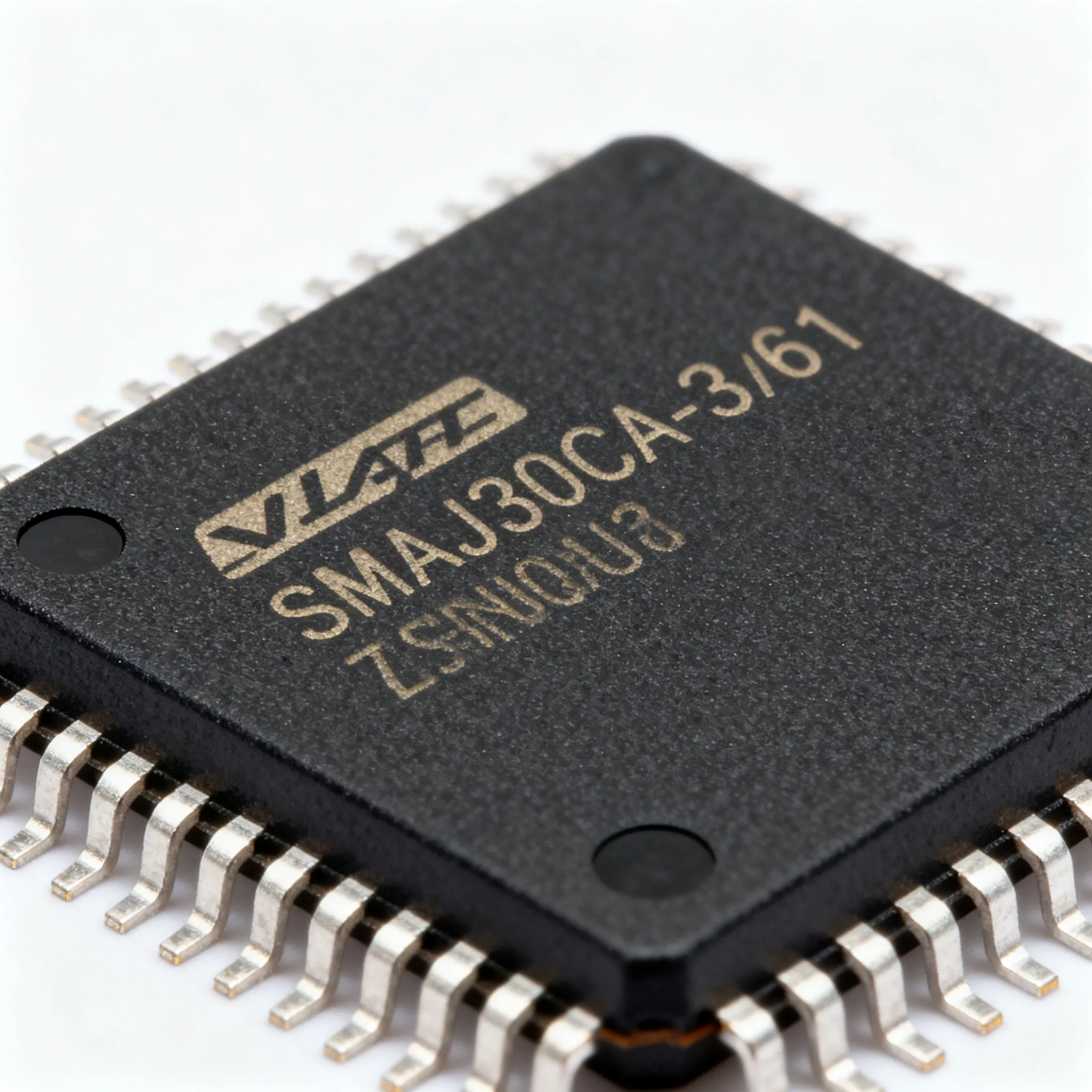
The SMAJ30CA-E3/61 is a Transient Voltage Suppressor (TVS) diode specifically engineered to safeguard electronic circuits from voltage spikes induced by electrical transients. These transients, often caused by lightning strikes or electromagnetic interference, can severely damage sensitive components. The SMAJ30CA-E3/61 offers a unidirectional clamping capability, absorbing excess voltage and preventing it from reaching critical parts of the circuit. With its low clamping voltage and fast response time, this TVS diode is ideal for applications ranging from consumer electronics to industrial equipment.
Detailed Specifications
Understanding the technical specifications of the SMAJ30CA-E3/61 is pivotal for its effective application. Below are the key parameters and their respective values:
| Parameter | Value | Units | Notes |
|---|---|---|---|
| Peak Pulse Power | 600 | Watts | @ 10/1000μs waveform |
| Reverse Stand-Off Voltage | 30 | Volts | Typical operating voltage |
| Breakdown Voltage | 33.3 - 36.8 | Volts | Measured at 1mA |
| Clamping Voltage | 48.4 | Volts | @ IPP |
| Peak Pulse Current | 12.4 | Amperes | @ 10/1000μs waveform |
| Operating Temperature Range | -55 to +150 | °C | Ambient temperature |
| Storage Temperature Range | -55 to +175 | °C | Non-operating temperature |
| Response Time | 1 | ns | Typical response time |
| Capacitance | 360 | pF | @ 1MHz |
| Package Type | DO-214AC (SMA) | - | Surface Mount |
The above parameters highlight the SMAJ30CA-E3/61's capacity to handle significant power surges while maintaining a low clamping voltage, making it ideal for protecting sensitive components.
Design Considerations
When integrating the SMAJ30CA-E3/61 into your design, several considerations should be made to optimize performance and ensure reliability:
| Guideline | Description |
|---|---|
| Component Placement | Place the TVS diode as close as possible to the component it protects to minimize parasitic inductance. |
| PCB Layout | Use wide, short traces to reduce inductance and resistance in the path of the transient. |
| Thermal Management | Ensure adequate heat dissipation through copper planes or heatsinks to prevent thermal overload. |
| Voltage Rating | Verify the diode's reverse stand-off voltage is higher than the maximum operating voltage of the circuit. |
| Surge Current Handling | Ensure the diode's peak pulse current rating meets or exceeds the expected surge current in the application. |
| Environmental Conditions | Consider the operating and storage temperature ranges to ensure reliability under all expected conditions. |
| ESD Protection | Combine with other ESD protection strategies for comprehensive circuit protection. |
| Compliance Standards | Ensure compliance with relevant standards such as IEC 61000-4-2 for ESD protection. |
Following these guidelines will help ensure that the SMAJ30CA-E3/61 performs reliably and extends the life of the protected components.
Step-by-Step Guide
Implementing the SMAJ30CA-E3/61 into your circuit design involves several crucial steps:
- Identify the Protection Requirement: Determine the maximum voltage and current levels the circuit may be exposed to during transients.
- Select the Appropriate TVS Diode: Ensure the SMAJ30CA-E3/61 meets the voltage and current handling requirements of your application.
- Design the PCB Layout: Place the TVS diode close to the component being protected, and use short, wide traces to minimize inductance.
- Perform Thermal Analysis: Use thermal simulation tools to ensure the diode will not overheat under maximum load conditions.
- Verify Compliance: Ensure the design meets all relevant industry standards for ESD and transient protection.
- Prototype and Test: Build a prototype and perform transient tests to validate the protection strategy.
- Evaluate Long-term Reliability: Conduct accelerated life testing to assess the diode's long-term performance in the application.
- Document the Design: Thoroughly document the design and testing process for future reference and compliance audits.
These steps will guide you in effectively integrating the SMAJ30CA-E3/61 into your designs, ensuring optimal protection against voltage transients.
Common Issues & Solutions
While the SMAJ30CA-E3/61 is a reliable component, certain issues may arise during its use. Here are some common problems and their solutions:
- Overheating: If the diode overheats, check for adequate thermal management solutions such as heat sinks or increased copper area on the PCB.
- Unexpected Clamping Voltage: Verify that the diode is not damaged and that it is operating within its specified limits.
- Frequent Failures: Ensure the diode's ratings exceed the maximum expected transient levels in the application.
- PCB Damage: Use proper PCB design practices to minimize inductance and resistance in the diode's path.
- Inadequate Protection: Combine the TVS diode with other protection strategies such as MOVs or gas discharge tubes for enhanced protection.
- Component Mismatch: Double-check the part number and specifications to ensure the correct component is used.
Addressing these issues will help maintain the integrity and reliability of the SMAJ30CA-E3/61 in your applications.
Applications & Use Cases
The versatility of the SMAJ30CA-E3/61 makes it suitable for various applications, including:
- Consumer Electronics: Protects sensitive microcontrollers and ICs in devices such as smartphones and tablets.
- Automotive Systems: Safeguards electronic control units (ECUs) from voltage spikes in vehicles.
- Industrial Equipment: Provides transient protection for PLCs and other industrial control systems.
- Telecommunications: Shields communication equipment from lightning-induced surges.
These use cases demonstrate the broad applicability and critical role of the SMAJ30CA-E3/61 in protecting electronic systems across various industries.
Selection & Sourcing Guide
For sourcing the SMAJ30CA-E3/61, consider using reliable distributors such as IC Online for competitive pricing and fast delivery. Ensure to verify the authenticity and availability of the components before procurement.
FAQ
Below are some frequently asked questions regarding the SMAJ30CA-E3/61:
- What is the main function of the SMAJ30CA-E3/61? It is used to protect electronic circuits from voltage transients.
- Can the SMAJ30CA-E3/61 handle AC voltage transients? No, this component is designed for DC circuits.
- What are the key parameters to consider when selecting a TVS diode? Consider the peak pulse power, clamping voltage, and reverse stand-off voltage.
- Is the SMAJ30CA-E3/61 suitable for automotive applications? Yes, it can be used in automotive systems to protect electronic control units.
- What is the response time of the SMAJ30CA-E3/61? It has a typical response time of 1ns.
- How does the SMAJ30CA-E3/61 compare to other TVS diodes? It offers a good balance of clamping voltage, power handling, and fast response time.
- What is the package type of the SMAJ30CA-E3/61? It is available in a DO-214AC (SMA) surface mount package.
- Can the SMAJ30CA-E3/61 be used in high-frequency applications? Yes, but consider its capacitance value in the design.
- What should I do if the SMAJ30CA-E3/61 fails frequently? Re-evaluate the application conditions and ensure the diode's ratings are not being exceeded.
- Where can I find more information about the SMAJ30CA-E3/61? Consult the datasheet available on distributor websites like DigiKey Electronics.
Conclusion
The SMAJ30CA-E3/61 is a reliable and efficient solution for protecting electronic circuits against voltage transients. By understanding its specifications, design guidelines, and best practices, engineers can effectively integrate this component into a wide range of applications, ensuring enhanced protection and system reliability.