Ensuring Reliability in High-Temperature Environments: Testing and Selecting Components like the ATmega2560 Microcontroller for Robust Performance
Expert guide on Ensuring Reliability in High-Temperature Environments: Testing and Selecting Components like the ATmega2560 Microcontroller for Robust Performance. Technical specs, applications, sourcing tips for engineers and buyers.
Introduction
In today's rapidly advancing technological landscape, ensuring the reliability of electronic components in high-temperature environments is more critical than ever. With the increasing demand for robust electronics in sectors such as automotive, aerospace, and industrial automation, engineers face the challenge of selecting components that can withstand extreme conditions without compromising performance. The ATmega2560 microcontroller, a staple in many high-performance applications, is one such component that requires careful consideration to ensure its reliability under thermal stress.
According to the Semiconductor Industry Association, global semiconductor revenue is projected to reach $595.2 billion by 2026, underscoring the importance of selecting the right components for high-reliability applications. This article delves into the intricacies of testing and selecting components like the ATmega2560 microcontroller for robust performance in high-temperature environments.
Technical Overview
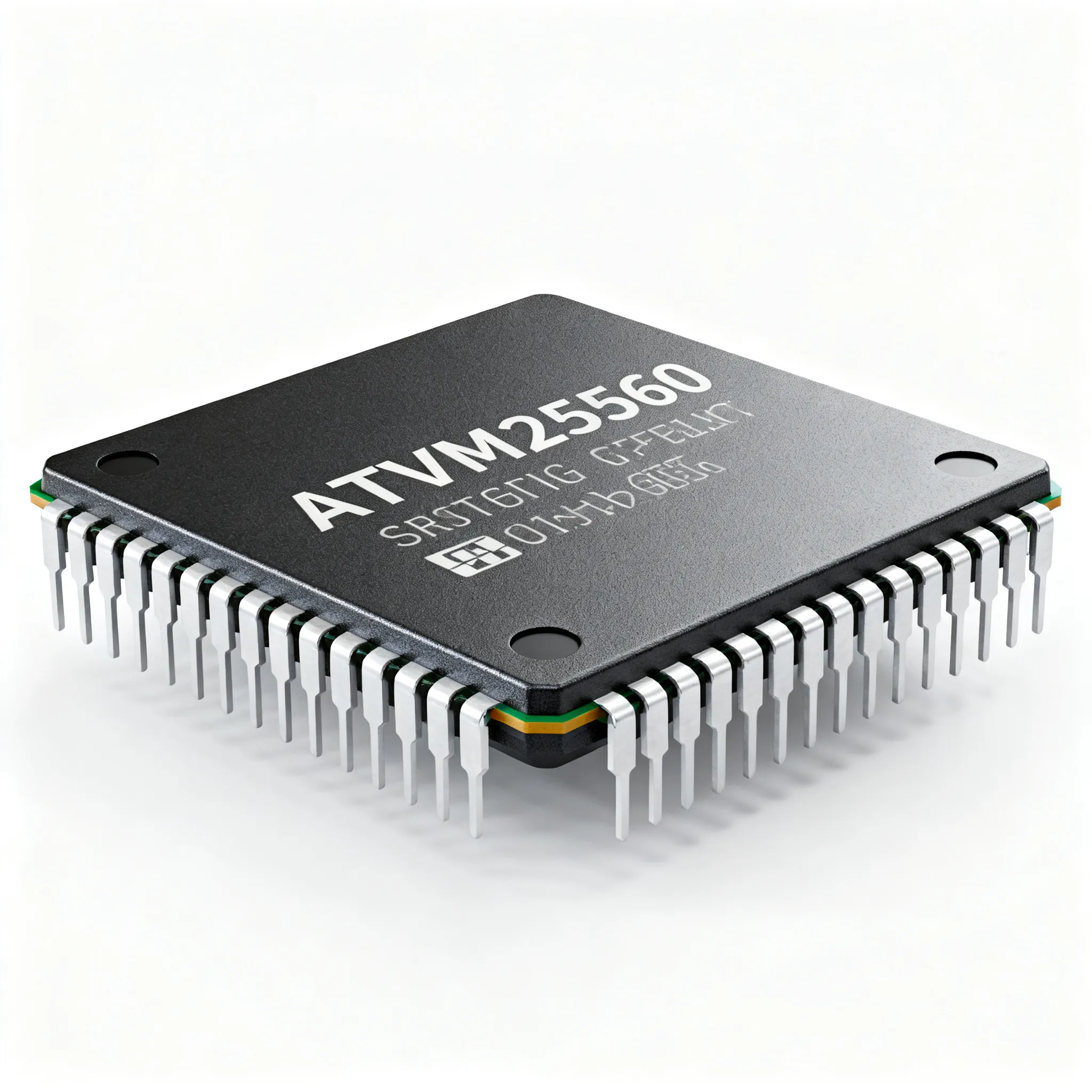
At the core of any electronic system is the microcontroller, which acts as the brain of the operation. The ATmega2560, a popular choice among engineers, is a high-performance 8-bit microcontroller from Atmel's AVR family. It is known for its versatility, featuring 256KB of flash memory, 8KB of SRAM, and 4KB of EEPROM, making it suitable for a wide range of applications.
High-temperature environments pose a significant challenge to electronic components, potentially leading to thermal runaway, accelerated aging, and failure. Understanding the thermal and electrical characteristics of components like the ATmega2560 is crucial for ensuring reliability. The microcontroller's operating temperature range, power dissipation, and thermal resistance are key factors to consider when designing for such conditions.
Moreover, high-temperature testing and validation are essential to ascertain the component's performance under stress. Engineers must employ rigorous testing methodologies, including thermal cycling and burn-in tests, to evaluate the microcontroller's robustness. By selecting components with proven reliability in extreme environments, engineers can mitigate risks and enhance the longevity of their designs.
Detailed Specifications
Table 1: Electrical Specifications
| Parameter | Value | Units | Notes |
|---|---|---|---|
| Operating Voltage | 4.5 - 5.5 | V | Typical for AVR microcontrollers |
| Max I/O Pin Current | 40 | mA | Per I/O pin |
| Flash Memory | 256 | KB | Non-volatile memory |
| SRAM | 8 | KB | Volatile memory |
| EEPROM | 4 | KB | Non-volatile memory |
| ADC Resolution | 10 | bits | Analog-to-Digital Converter |
| PWM Channels | 14 | Channels | PWM output capability |
| Clock Speed | 16 | MHz | Maximum operating frequency |
| Power Consumption | 150 | mW | At maximum clock speed |
| Timer/Counter | 6 | Units | 16-bit and 8-bit timers |
| USART | 4 | Units | Universal Synchronous/Asynchronous Receiver/Transmitter |
Table 2: Thermal & Mechanical Specs
| Parameter | Value | Units | Notes |
|---|---|---|---|
| Operating Temperature Range | -40 to 85 | °C | Industrial grade |
| Storage Temperature Range | -65 to 150 | °C | Safe storage conditions |
| Thermal Resistance (Junction to Ambient) | 42 | °C/W | Package dependent |
| Thermal Resistance (Junction to Case) | 15 | °C/W | Package dependent |
| Package Type | TQFP | - | Thin Quad Flat Package |
| Pin Count | 100 | Pins | Surface-mount package |
| Moisture Sensitivity Level | 3 | Level | JEDEC standard |
| Weight | 0.5 | g | Approximate |
Table 3: Application Comparison
| Application | Requirement | ATmega2560 | Alternative Microcontroller | Notes |
|---|---|---|---|---|
| Automotive Control | High temperature, reliability | Suitable | STM32F407 | ATmega2560 excels in automotive |
| Industrial Automation | Robust I/O, durability | Suitable | ARM-Cortex-M4 | Both offer robust features |
| Consumer Electronics | Cost-effective, low power | Suitable | ATmega328P | ATmega328P is more cost-efficient |
| Aerospace Systems | High reliability, redundancy | Suitable | MSP430 | ATmega2560 provides required reliability |
| IoT Devices | Connectivity, low power | Limited | ESP32 | ESP32 offers better connectivity options |
Design Considerations
Designing for high-temperature environments requires a comprehensive understanding of the thermal and electrical characteristics of the components involved. When selecting the ATmega2560 microcontroller, engineers must consider several factors to ensure reliable operation.
First, the operating temperature range is crucial. The ATmega2560's range of -40°C to 85°C makes it suitable for many industrial and automotive applications. However, for environments exceeding these limits, supplemental cooling or alternative components may be necessary.
Power dissipation is another key consideration. The thermal resistance values, such as junction-to-ambient and junction-to-case, provide insight into the heat dissipation capabilities of the component. Proper heat sink design and thermal management strategies are essential to prevent thermal runaway.
Engineers should also evaluate the microcontroller's electrical specifications in the context of their application. For instance, the maximum I/O pin current of 40mA must be adhered to, especially in high-power applications, to avoid damage.
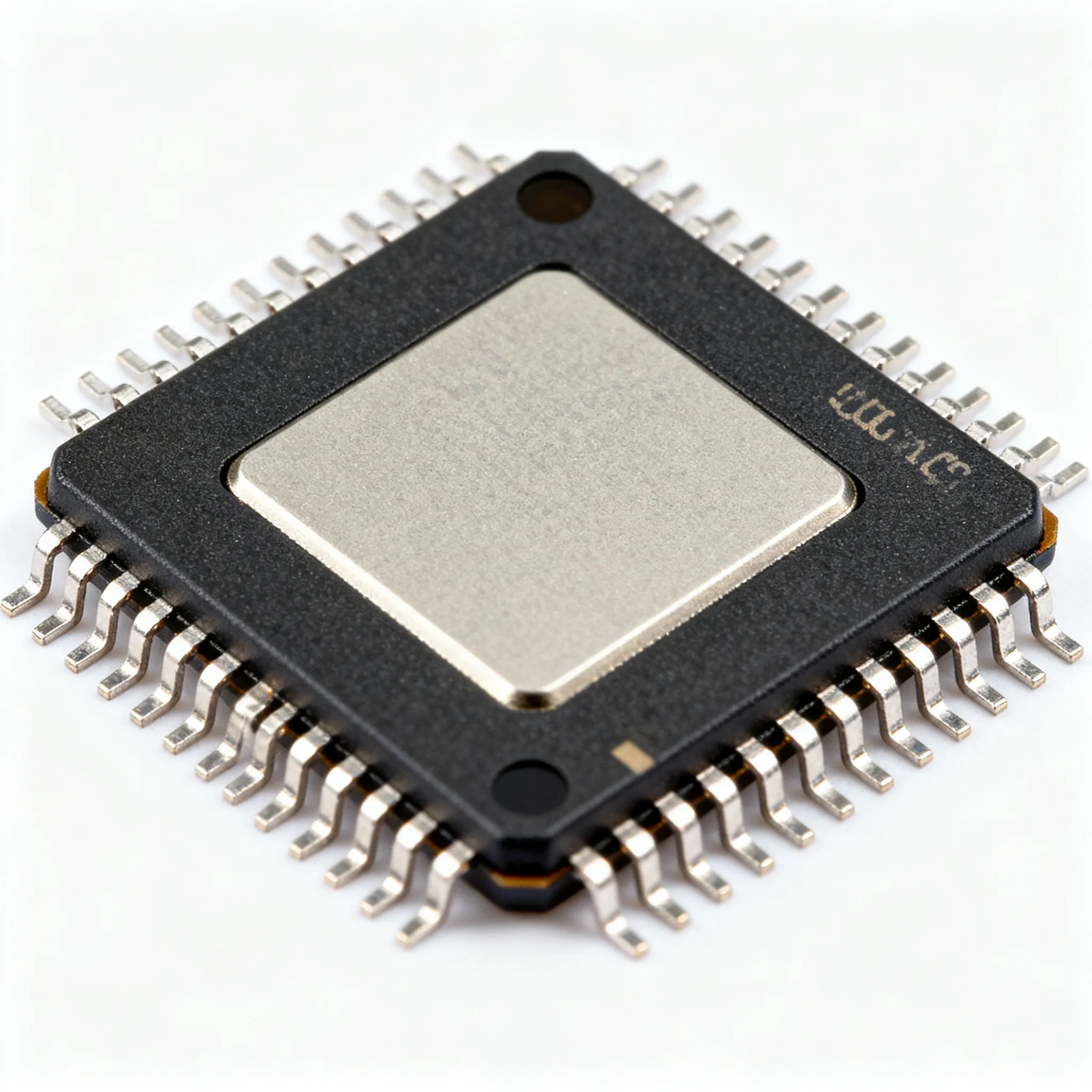
Additionally, the package type and pin count can influence the mechanical stability and ease of integration into existing designs. The TQFP package of the ATmega2560 offers a balance between size and pin accessibility, making it a versatile choice for various applications.
Finally, environmental factors such as moisture and vibration should be considered. The moisture sensitivity level (MSL) indicates the component's vulnerability to humidity, which can be critical in outdoor or humid environments.
Step-by-Step Guide
To ensure the reliable operation of the ATmega2560 microcontroller in high-temperature environments, follow these detailed steps:
- Define Application Requirements: Clearly outline the operational and environmental conditions the microcontroller will face. Determine the temperature range, power requirements, and any specific industry standards that must be met.
- Evaluate Datasheet Specifications: Review the ATmega2560 datasheet to verify that its specifications align with your application needs. Pay attention to electrical and thermal characteristics, such as operating voltage, current limits, and thermal resistance.
- Conduct Thermal Analysis: Perform a thermal analysis of your design to identify potential hotspots. Use simulation tools to model heat dissipation and ensure that the microcontroller operates within safe temperature limits.
- Design Thermal Management Solutions: Implement effective thermal management strategies, such as heat sinks, thermal pads, or active cooling systems, to maintain optimal operating temperatures for the microcontroller.
- Prototype and Test: Build a prototype of your design and conduct rigorous testing under simulated high-temperature conditions. Use thermal chambers to replicate extreme environments and validate the microcontroller's performance.
- Iterate and Optimize: Based on test results, make necessary adjustments to your design. This may involve optimizing thermal management solutions, revising PCB layout, or selecting alternative components if needed.
- Implement Redundancy and Fail-safes: For critical applications, consider implementing redundancy and fail-safe mechanisms to ensure continued operation in the event of a component failure.
- Finalize Design and Documentation: Once validated, finalize your design and create comprehensive documentation, including thermal analysis results, design schematics, and test reports, for future reference and compliance.
Common Issues & Solutions
Designing for high-temperature environments presents several challenges. Here are common issues and their solutions:
- Thermal Runaway: Excessive heat can lead to thermal runaway. To prevent this, ensure adequate heat dissipation with heat sinks or active cooling solutions.
- Component Aging: High temperatures can accelerate component aging. Use components rated for higher temperatures and conduct regular maintenance checks.
- Signal Integrity: High temperatures can affect signal integrity. Use proper shielding and grounding techniques to minimize noise and interference.
- Power Supply Stability: Temperature fluctuations can affect power supply stability. Use voltage regulators and capacitors to stabilize the power supply.
- Moisture Sensitivity: High temperatures combined with humidity can affect components. Use moisture-resistant packaging and conformal coatings to protect sensitive parts.
Applications & Use Cases
The ATmega2560 microcontroller is widely used in various applications requiring robust performance in high-temperature environments:
- Automotive Control Systems: Used in engine control units (ECUs) and other automotive applications where high reliability and temperature tolerance are critical.
- Industrial Automation: Employed in programmable logic controllers (PLCs) and industrial robots, where it must withstand harsh factory conditions.
- Aerospace Systems: Utilized in avionics and satellite systems, where high reliability and redundancy are essential for mission success.
Selection & Sourcing Guide
When selecting and sourcing the ATmega2560 microcontroller, consider reputable distributors like IC Online for competitive pricing and reliable delivery. Ensure that the components are sourced from authorized distributors to avoid counterfeit products, which can compromise reliability.
FAQ
-
What is the maximum operating temperature of the ATmega2560?
The ATmega2560 can operate up to 85°C, suitable for many industrial and automotive applications.
-
How can I improve the thermal performance of my design?
Implement effective thermal management strategies, such as using heat sinks, thermal pads, or active cooling systems.
-
What are the common causes of thermal failure in microcontrollers?
Common causes include inadequate heat dissipation, excessive power consumption, and poor thermal design.
-
Can the ATmega2560 be used in outdoor applications?
Yes, provided that it is adequately protected from moisture and extreme temperatures with appropriate enclosures and coatings.
-
How do I ensure the reliability of my design in high-temperature environments?
Conduct thorough testing under simulated conditions, implement redundancy, and select components with proven reliability.
-
What alternatives exist for the ATmega2560 in high-temperature applications?
Consider alternatives like the STM32F407 or ARM-Cortex-M4 for specific application requirements.
-
How does moisture affect microcontroller performance?
Moisture can lead to corrosion and electrical shorts. Use moisture-resistant packaging and conformal coatings to mitigate this risk.
-
What is the power consumption of the ATmega2560?
The ATmega2560 consumes approximately 150mW at maximum clock speed.
-
How do I protect my design from EMI in high-temperature environments?
Use proper shielding and grounding techniques to minimize electromagnetic interference (EMI).
-
What testing methods are recommended for high-temperature designs?
Thermal cycling, burn-in tests, and environmental stress screening are recommended testing methods.
Conclusion
Selecting the right components for high-temperature environments is crucial for ensuring the reliability and longevity of electronic systems. The ATmega2560 microcontroller, with its robust electrical and thermal specifications, is well-suited for demanding applications. By following best practices in design and testing, engineers can mitigate risks and achieve reliable performance in extreme conditions.