rf module
Expert guide on rf module. Technical specs, applications, sourcing tips for engineers and buyers.
Introduction
In the rapidly evolving world of electronics, RF modules play an integral role in wireless communication systems. As industries continue to pivot towards more connected devices, understanding the intricacies of RF module design becomes crucial for engineers. RF modules are used in a variety of applications ranging from consumer electronics to industrial automation. They facilitate seamless data transmission over radio frequencies, making them indispensable in the design of IoT devices, remote controls, and more. This article delves into the technical parameters, design guidelines, and best practices for RF modules, providing a comprehensive guide for engineers looking to optimize their designs.
Technical Overview
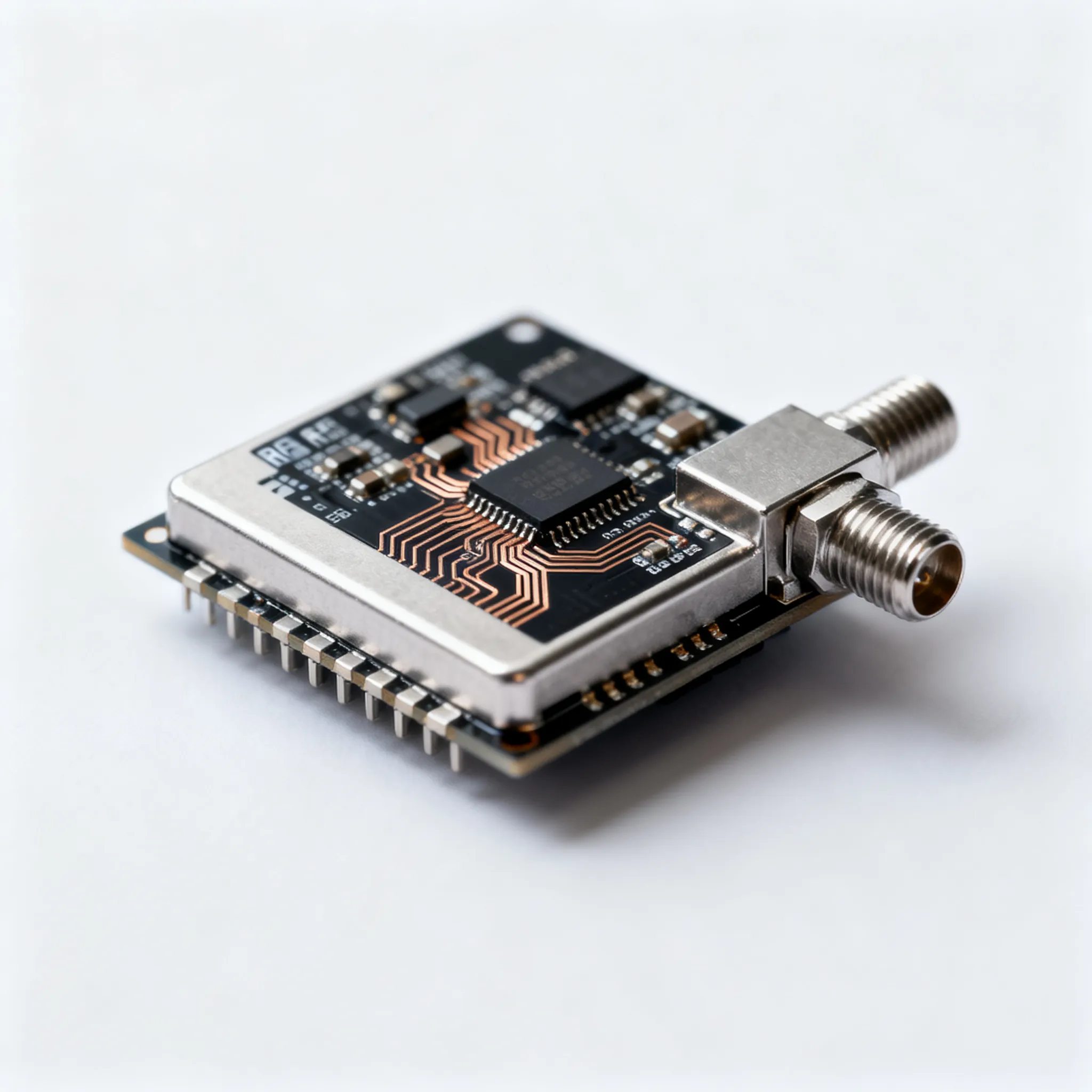
RF modules are critical components that enable wireless communication by transmitting and receiving radio signals. These modules typically operate within specific frequency bands such as 2.4 GHz and 5 GHz, which are commonly used in Wi-Fi and Bluetooth technologies. The core components of an RF module include a transmitter, receiver, and an antenna, each contributing to the module's overall performance. The transmitter converts electrical signals into radio waves, while the receiver does the reverse. Antennas are crucial for enhancing the range and quality of the signal. Key performance indicators for RF modules include transmission power, sensitivity, data rate, and frequency stability. Understanding these parameters is vital for designing efficient and reliable RF communication systems.
Detailed Specifications
Below are tables detailing the key parameters, design guidelines, and best practices for RF modules.
| Parameter | Typical Value | Units | Notes |
|---|---|---|---|
| Frequency Range | 2.4 - 2.5 GHz | GHz | Common for Wi-Fi and Bluetooth |
| Transmission Power | +20 dBm | dBm | Higher power increases range |
| Sensitivity | -90 dBm | dBm | Lower values are better |
| Data Rate | 1 Mbps | Mbps | Determines speed of data transmission |
| Modulation Type | GFSK | Gaussian Frequency Shift Keying | |
| Impedance | 50 Ohms | Ohms | Standard impedance for RF circuits |
| Operating Voltage | 3.3 V | V | Common voltage level for RF modules |
| Current Consumption | 20 mA | mA | Depends on transmission power |
| Temperature Range | -40 to +85 °C | °C | Ensures reliability in various environments |
| Channel Spacing | 1 MHz | MHz | Affects interference and bandwidth |
| Antenna Gain | 2 dBi | dBi | Higher gain improves signal strength |
| Design Guideline | Description |
|---|---|
| Minimize Trace Lengths | Shorter traces reduce signal loss and improve performance. |
| Use Ground Planes | Provide a continuous ground plane to minimize interference. |
| Ensure Proper Antenna Placement | Position antennas away from metal objects to avoid signal obstruction. |
| Match Impedance | Maintain a consistent 50-ohm impedance throughout the RF path. |
| Consider Shielding | Use shielding to protect sensitive components from EMI. |
| Optimize Power Supply Decoupling | Use capacitors close to power pins to reduce noise. |
| Plan for Thermal Management | Ensure adequate heat dissipation for high-power modules. |
| Use High-Quality Components | Select components with low parasitic elements for RF paths. |
| Follow Manufacturer Guidelines | Adhere to datasheet recommendations for optimal performance. |
| Best Practice | Checklist |
|---|---|
| Conduct RF Simulations | Use tools like HFSS or CST to validate designs before prototyping. |
| Perform Antenna Tuning | Use a network analyzer to fine-tune antenna performance. |
| Implement Proper Testing | Conduct thorough testing under various conditions to ensure reliability. |
| Document Design Changes | Keep detailed records of design iterations and modifications. |
| Regularly Update Software | Ensure firmware is up to date for security and performance enhancements. |
| Engage with Community Forums | Participate in forums like IEEE and StackExchange for insights and support. |
| Utilize Manufacturer Support | Leverage technical support from component manufacturers for troubleshooting. |
Design Considerations
Designing RF modules requires careful consideration of several factors to ensure optimal performance. One of the primary considerations is the frequency range, which should match the intended application. For instance, the 2.4 GHz band is suitable for short-range communication, while lower frequencies may be used for longer distances. Impedance matching is crucial to minimize signal reflection and maximize power transfer. This involves designing the RF path to maintain a consistent 50-ohm impedance, which is standard for most RF applications.
Antenna design and placement also play a significant role in the performance of RF modules. The antenna should be positioned to avoid obstructions and interference from other components. In addition, the design should account for environmental factors such as temperature and humidity, which can affect signal propagation. Thermal management is another critical aspect, especially for high-power applications. Adequate heat dissipation mechanisms, such as heat sinks or thermal vias, should be incorporated to prevent overheating.
The choice of components is vital in RF module design. High-quality components with low parasitic elements should be used to minimize losses and improve efficiency. Additionally, the layout of the PCB should follow best practices to reduce electromagnetic interference (EMI). This includes using ground planes, minimizing trace lengths, and ensuring proper decoupling of power supply lines.
Finally, compliance with regulatory standards is essential for RF module design. Different regions have specific regulations governing the use of radio frequencies, and ensuring compliance is necessary to avoid legal issues and ensure market access. By considering these factors, engineers can design RF modules that are efficient, reliable, and compliant with industry standards.
Step-by-Step Guide
Designing an RF module involves several steps that require careful planning and execution. Below is a step-by-step guide to help engineers navigate the design process:
- Define the Application Requirements: Begin by understanding the specific needs of the application. Determine the frequency range, data rate, and transmission distance required for the RF module.
- Select the Right Components: Choose components that meet the defined requirements. Consider factors such as sensitivity, power consumption, and modulation type. Use resources like DigiKey for sourcing components.
- Design the Circuit: Create the schematic for the RF module, ensuring impedance matching and proper component placement. Use simulation tools to validate the design and identify potential issues.
- Design the PCB Layout: Follow best practices for PCB design, such as minimizing trace lengths and using ground planes. Ensure the layout supports proper thermal management and EMI reduction.
- Prototype and Test: Build a prototype of the RF module and conduct testing to verify performance. Use network analyzers and spectrum analyzers to measure parameters like gain, sensitivity, and frequency response.
- Optimize and Iterate: Based on test results, make necessary adjustments to the design. This may involve tuning the antenna or modifying the circuit to improve performance.
- Ensure Compliance: Verify that the RF module meets regulatory standards for the target market. This may involve certification testing and documentation.
- Finalize the Design: Once the design is optimized and compliant, finalize the documentation and prepare for production. Ensure all design changes are well-documented for future reference.
Common Issues & Solutions
Despite careful planning, several issues can arise during RF module design and implementation. Here are some common problems and their solutions:
- Signal Interference: Interference from other electronic devices can degrade RF performance. Solution: Use filtering techniques and proper shielding to minimize interference.
- Poor Antenna Performance: Antenna issues can lead to reduced range and signal quality. Solution: Ensure proper tuning and placement of the antenna to enhance performance.
- Impedance Mismatch: Mismatched impedance can result in signal reflection and loss. Solution: Use impedance matching networks and tools to achieve a consistent 50-ohm impedance.
- Thermal Overheating: High-power modules may overheat, affecting performance. Solution: Implement adequate thermal management, such as heat sinks and thermal vias.
- Regulatory Non-Compliance: Failing to meet regulatory standards can hinder market access. Solution: Conduct thorough compliance testing and ensure all documentation is in order.
Applications & Use Cases
RF modules are used in a wide range of applications across various industries. In consumer electronics, they enable wireless communication for devices such as smartphones, tablets, and smart home gadgets. Industrial automation systems use RF modules for remote monitoring and control, improving efficiency and safety. In the automotive sector, RF modules are employed in keyless entry systems, tire pressure monitoring, and vehicle-to-vehicle communication. The healthcare industry utilizes RF modules in medical devices for wireless data transmission, enhancing patient monitoring and diagnostics. With the rise of IoT, RF modules are becoming increasingly prevalent, facilitating seamless connectivity and data exchange across numerous devices.
Selection & Sourcing Guide
Selecting the right RF module involves considering the specific requirements of your application, such as frequency range, power consumption, and data rate. Utilize resources like IC Online to source components with competitive pricing and fast delivery. Ensure that the selected module complies with relevant regulatory standards and offers the necessary support and documentation for integration into your system.
FAQ
- What is an RF module?
An RF module is a component that enables wireless communication by transmitting and receiving radio signals. - What are the key parameters to consider in RF module design?
Important parameters include frequency range, transmission power, sensitivity, data rate, and impedance. - How do I ensure impedance matching in my RF design?
Use impedance matching networks and maintain a consistent 50-ohm impedance throughout the RF path. - What tools can I use for RF simulations?
Popular tools include HFSS and CST, which help validate designs before prototyping. - How can I improve antenna performance?
Proper tuning and placement, along with using the right antenna type, can enhance performance. - What is the importance of thermal management in RF modules?
Thermal management prevents overheating, ensuring reliable performance and longevity. - How do I ensure compliance with regulatory standards?
Conduct compliance testing and ensure all documentation is complete and accurate. - What are common issues in RF module design?
Common issues include signal interference, impedance mismatch, and thermal overheating. - Can RF modules be used in IoT applications?
Yes, RF modules are widely used in IoT devices for wireless connectivity and data transmission. - Where can I source RF components?
Use distributors like DigiKey and IC Online for sourcing components.
Conclusion
RF modules are pivotal in enabling wireless communication across various applications. By understanding the technical parameters, design guidelines, and best practices, engineers can create efficient and reliable RF systems. As technology continues to advance, the demand for robust RF modules will only grow, making it essential for engineers to stay informed and adept in RF design.