Essential Guide to Selecting the Right IGBT Transistor for Your Projects
Expert guide on Essential Guide to Selecting the Right IGBT Transistor for Your Projects. Technical specs, applications, sourcing tips for engineers and buyers.
Introduction
In the rapidly evolving field of electronics, selecting the right Insulated Gate Bipolar Transistor (IGBT) is crucial for the success of your project. IGBTs are vital components in power electronics due to their efficiency and capability to handle high voltages and currents. With the global semiconductor market projected to reach $595.2 billion by 2026, understanding how to choose the right IGBT is more important than ever. This guide will delve into the specifications, datasheets, and application circuits necessary for making informed decisions.
Technical Overview
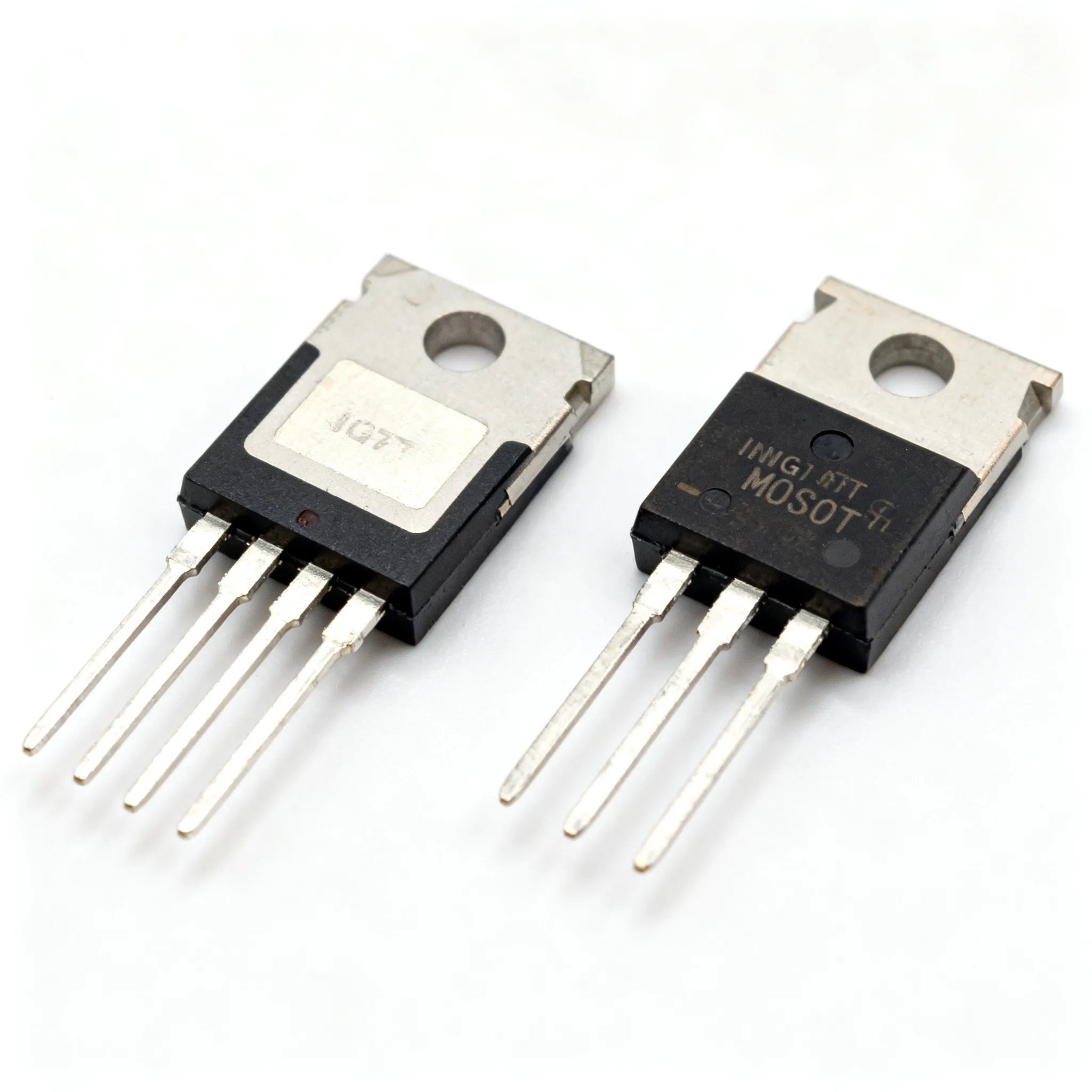
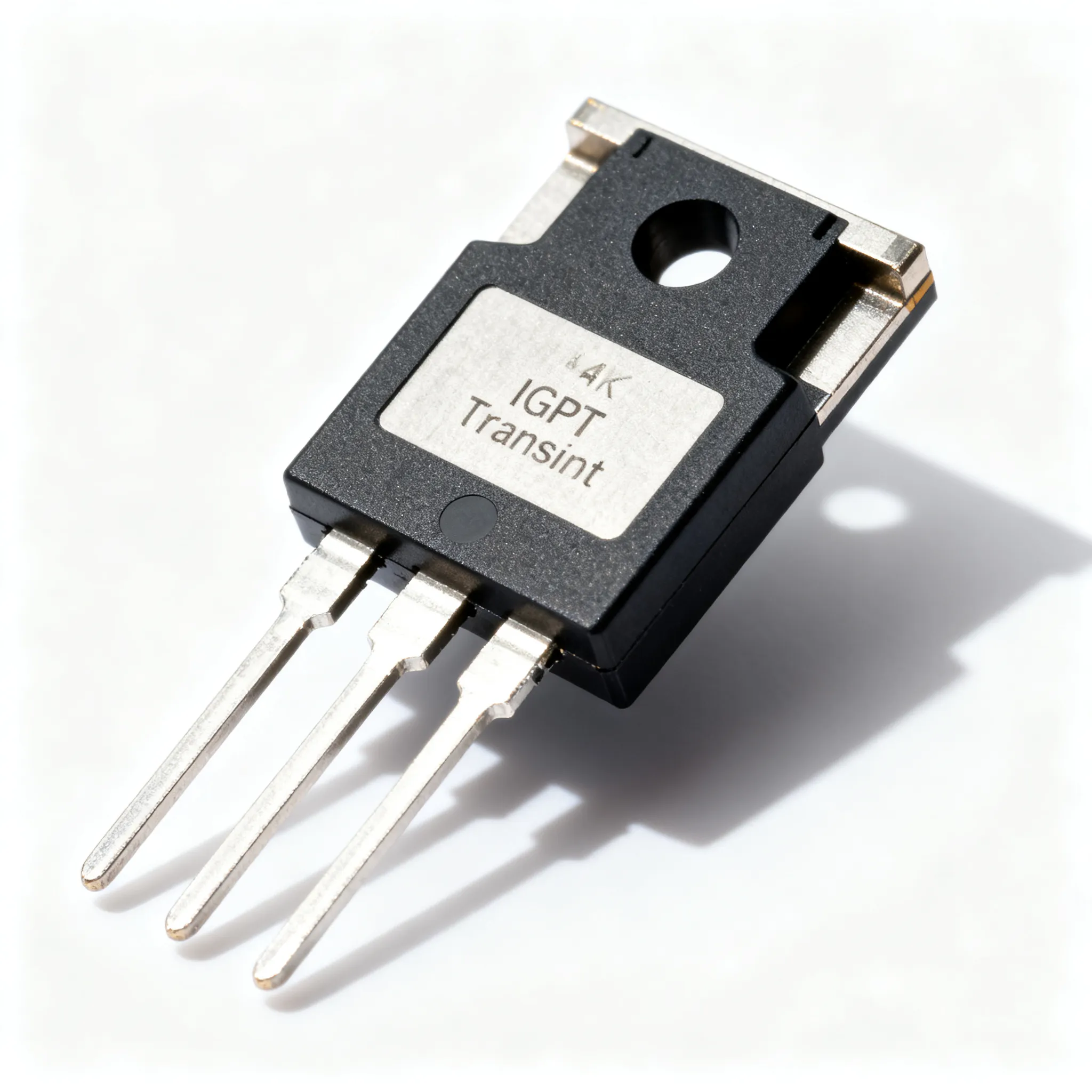
At its core, an IGBT combines the high-speed switching of a MOSFET with the high-current and low-saturation-voltage capability of a bipolar transistor. This combination makes it ideal for applications such as motor drives, inverters, and power supplies. Understanding the basic principles of IGBT operation, including its structure and switching characteristics, is fundamental. The IGBT consists of four layers (PNPN) and three terminals: the gate, collector, and emitter. The gate terminal controls the flow of current between the collector and emitter, similar to how it functions in a MOSFET. However, the IGBT's ability to handle higher currents makes it superior in many high-power applications.
Detailed Specifications
| Parameter | Value | Units | Notes |
|---|---|---|---|
| Collector-Emitter Voltage (VCE) | 1200 | V | Max voltage the IGBT can withstand |
| Collector Current (IC) | 50 | A | Continuous current rating |
| Gate-Emitter Voltage (VGE) | 20 | V | Max gate voltage |
| Turn-On Delay Time | 50 | ns | Delay before the IGBT turns on |
| Turn-Off Delay Time | 150 | ns | Delay before the IGBT turns off |
| Switching Frequency | 20 | kHz | Optimal frequency for operation |
| Power Dissipation | 250 | W | Max power the IGBT can dissipate |
| Short Circuit Withstand Time | 10 | µs | Duration the IGBT can withstand a short circuit |
| Thermal Resistance, Junction-to-Case | 0.1 | °C/W | Efficiency of heat transfer |
| Package Type | TO-247 | - | Standard package for IGBTs |
| Parameter | Value | Units | Notes |
|---|---|---|---|
| Junction Temperature (Tj) | 150 | °C | Max operating temperature |
| Storage Temperature (Tstg) | -55 to 150 | °C | Temperature range for storage |
| Thermal Resistance, Junction-to-Ambient | 62 | °C/W | Efficiency of heat dissipation |
| Weight | 6 | g | Physical weight of the component |
| Mounting Style | Through Hole | - | Type of mounting for the component |
| Lead Finish | Matte Tin | - | Finish type for leads |
| Package Width | 15 | mm | Width of the package |
| Package Height | 4.5 | mm | Height of the package |
| Application | Recommended IGBT | Notes |
|---|---|---|
| Motor Drives | IGBT12345 | High current capability essential |
| Solar Inverters | IGBT67890 | Efficiency at varying loads |
| Welding Equipment | IGBT11223 | Robustness against short circuits |
| Uninterruptible Power Supplies (UPS) | IGBT44556 | Reliable switching under load |
| Electric Vehicles | IGBT77889 | High efficiency and thermal management |
Design Considerations
When designing circuits with IGBTs, consider thermal management, switching frequency, and load characteristics. Adequate heat sinking and cooling mechanisms are crucial to prevent overheating, especially in high-power applications. The switching frequency of the IGBT should be selected based on the application requirements, balancing efficiency and performance. For instance, higher frequencies reduce the size of passive components but increase switching losses and thermal stress.
Additionally, ensure that the IGBT's voltage and current ratings exceed the maximum expected values in the application to account for transient conditions. The gate drive circuit must also be robust, providing sufficient gate voltage and current to achieve fast switching times and minimize losses. Incorporating a snubber circuit can help mitigate voltage spikes and protect the IGBT from damage.
Step-by-Step Guide
Follow these steps to select the right IGBT for your project:
- Identify the application requirements, including voltage, current, and switching frequency.
- Consult the IGBT datasheet for electrical and thermal specifications.
- Ensure the IGBT's ratings exceed the maximum expected values in your application.
- Design the gate drive circuit to provide adequate voltage and current for fast switching.
- Incorporate thermal management solutions, such as heat sinks or fans, to dissipate heat.
- Consider using a snubber circuit to protect against voltage spikes.
- Prototype and test the circuit under various load conditions to verify performance.
- Make adjustments based on test results to optimize efficiency and reliability.
Common Issues & Solutions
IGBT circuits can face several issues, including thermal runaway, excessive switching losses, and gate drive problems. Here are some common issues and solutions:
- Thermal Runaway: Ensure adequate heat dissipation with heat sinks and thermal interface materials.
- Switching Losses: Optimize the gate drive circuit to minimize switching times and reduce losses.
- Voltage Spikes: Use snubber circuits to clamp voltage spikes and protect the IGBT.
- Gate Drive Problems: Ensure the gate drive circuit provides sufficient current and voltage.
- Short Circuit Protection: Implement fast-acting protection circuits to prevent damage during faults.
Applications & Use Cases
IGBTs are used in a wide range of applications, from industrial motor drives and renewable energy systems to consumer electronics and automotive applications. In electric vehicles, IGBTs play a crucial role in the inverter circuits that drive the electric motors. In renewable energy systems, such as solar inverters, IGBTs facilitate efficient conversion of DC to AC power. Their robustness and efficiency make them ideal for use in high-power, high-efficiency applications.
Selection & Sourcing Guide
When selecting and sourcing IGBTs, consider authorized distributors like IC Online. They provide a wide range of components with competitive pricing and fast delivery. Ensure that the distributor offers comprehensive datasheets and support for the components you choose.
FAQ
- What is the main advantage of using IGBTs?
IGBTs combine the high-speed switching of MOSFETs with the high current and voltage capabilities of bipolar transistors, making them ideal for high-power applications.
- How do I choose the right IGBT for my application?
Consider the voltage, current, and switching frequency requirements of your application, and ensure the IGBT's ratings exceed these values.
- What are common IGBT applications?
IGBTs are commonly used in motor drives, inverters, UPS systems, and electric vehicles.
- How can I protect my IGBT from voltage spikes?
Implement snubber circuits to clamp voltage spikes and prevent potential damage.
- What is the role of the gate drive circuit in an IGBT application?
The gate drive circuit provides the necessary voltage and current to switch the IGBT on and off efficiently.
- How do I manage the heat generated by an IGBT?
Use heat sinks, fans, and thermal interface materials to dissipate heat effectively and prevent thermal runaway.
- What is the significance of the IGBT's junction temperature rating?
The junction temperature rating indicates the maximum operating temperature of the IGBT, which should not be exceeded to avoid damage.
- Can IGBTs be used in low-power applications?
While IGBTs are designed for high-power applications, they can be used in low-power applications if their advantages outweigh the cost and complexity.
- What is the difference between IGBTs and MOSFETs?
IGBTs handle higher currents and voltages, making them suitable for high-power applications, while MOSFETs are faster and more efficient at lower power levels.
- Where can I find IGBT datasheets?
Datasheets can be found through component distributors like DigiKey Electronics and authorized distributors like IC Online.
Conclusion
Selecting the right IGBT for your project requires a thorough understanding of its specifications and application requirements. By considering the detailed specifications, design considerations, and common issues outlined in this guide, you can make informed decisions that enhance the efficiency and reliability of your electronic designs. Remember to source components from reputable distributors to ensure quality and support.