What are Microcontrollers and Why They Matter in 2026
What are microcontrollers? These compact chips control tasks in electronics, powering smart devices, automation, and innovation in 2026 and beyond.
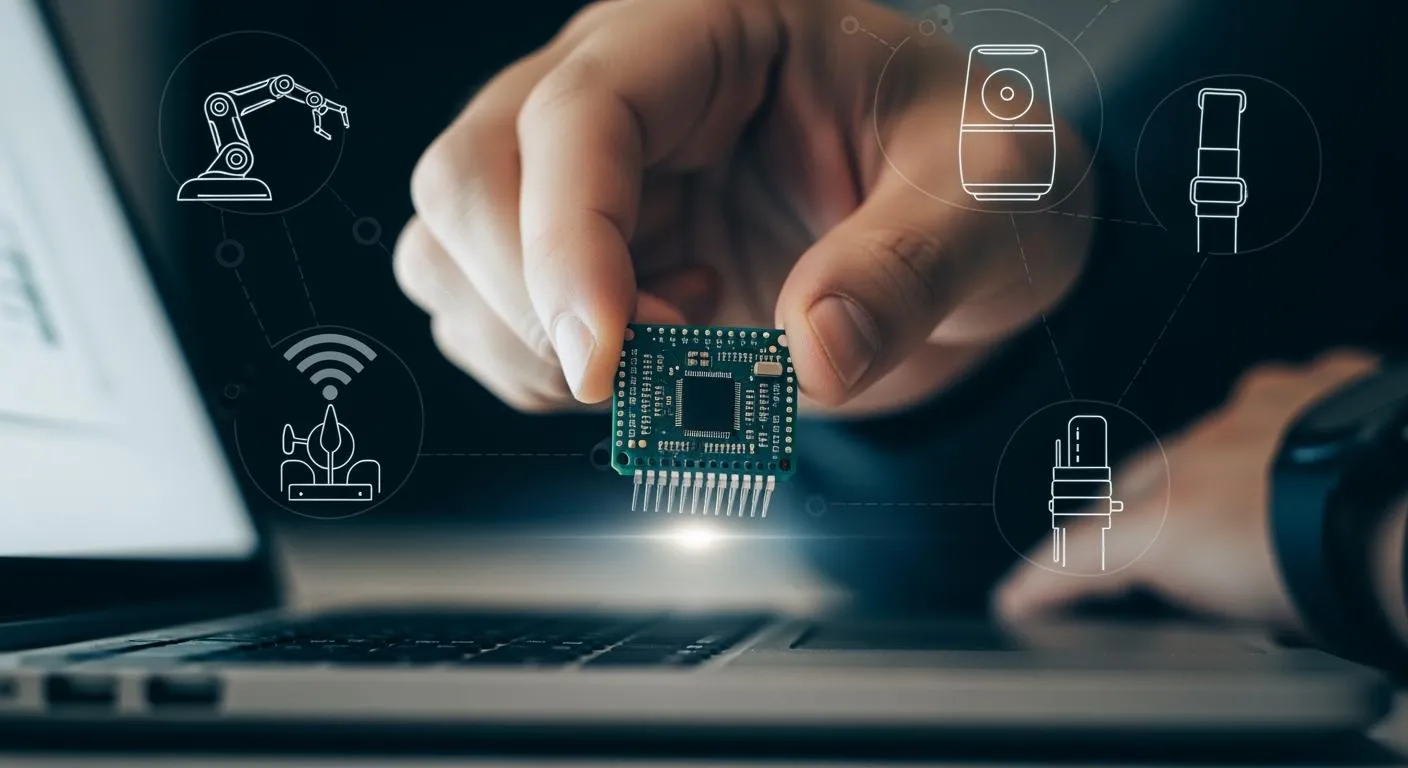
You interact with small computers every day, often without knowing it. These tiny systems, called microcontrollers, power the smart features in your car, home, and favorite devices. A microcontroller acts as the brain that makes decisions, controls sensors, and manages tasks in electronic products. In 2024, manufacturers shipped over 34 billion microcontrollers worldwide. Car electronics alone used more than 11.5 billion, while consumer electronics consumed nearly 8 billion. Understanding what are microcontrollers helps you see why they drive innovation in automation and smart technology as 2026 approaches.
Key Takeaways
- Microcontrollers are small, self-contained chips that control specific tasks in devices, making them essential for automation and smart technology.
- Understanding the differences between microcontrollers and microprocessors helps you choose the right technology for your projects, balancing cost and performance.
- Microcontrollers come in various types, including 8-bit, 16-bit, and 32-bit, each suited for different applications based on their processing power and complexity.
- The future of microcontrollers includes trends like AI integration and 5G connectivity, enhancing their capabilities in smart devices and IoT applications.
- Microcontrollers drive innovation across industries, from consumer electronics to automotive systems, making everyday devices smarter and more efficient.
What are Microcontrollers

What is a Microcontroller
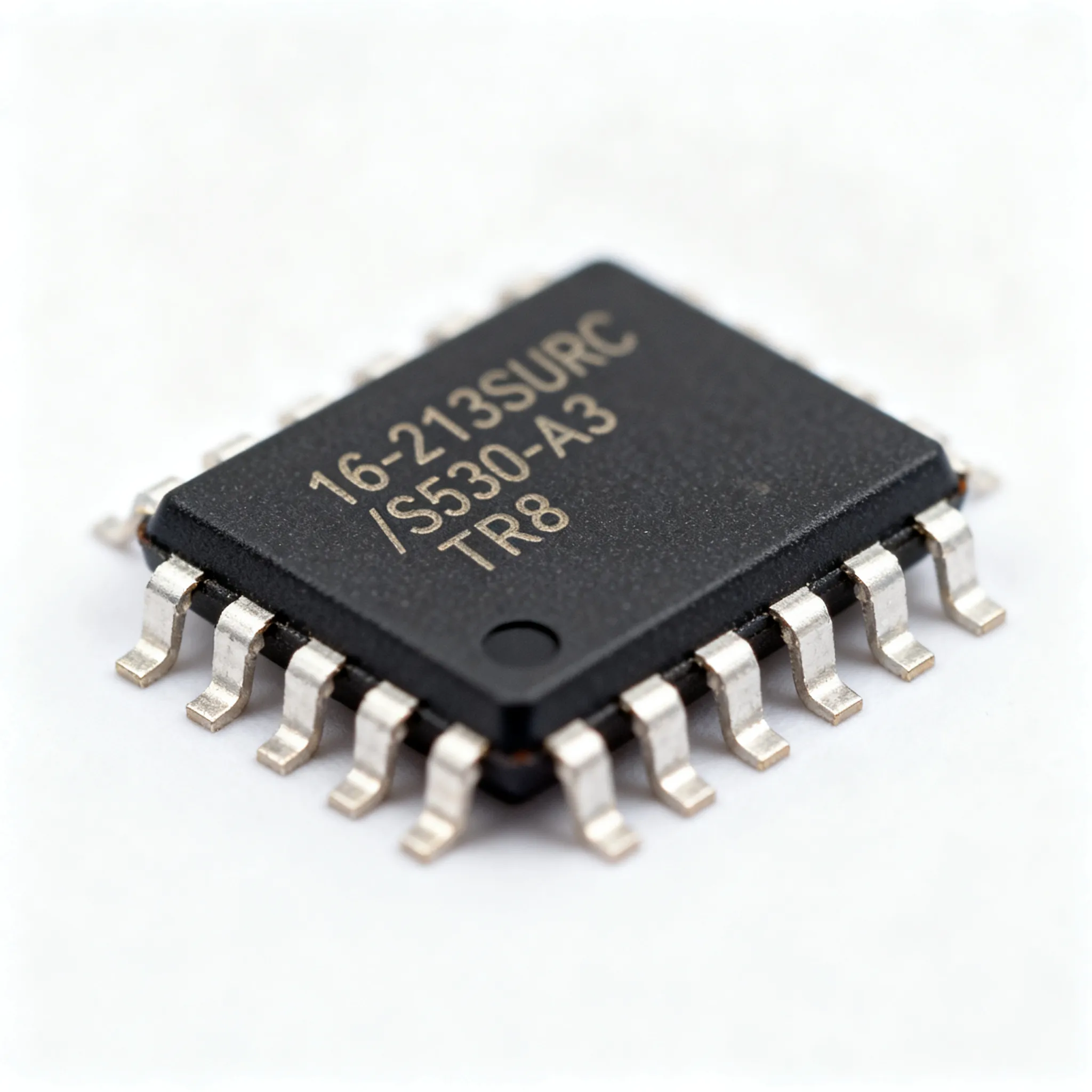
When you ask what are microcontrollers, you discover that these devices are compact integrated circuits that control specific operations in electronic systems. A microcontroller combines a processor, memory, and input/output (I/O) peripherals on a single chip. This design makes it different from other integrated circuits, such as microprocessors, which need extra components to work. You find microcontrollers at the heart of almost every embedded system, from smart thermostats to washing machines.
If you want to understand what is a microcontroller, think of it as a tiny computer built for a special job. It does not need a complex operating system or extra chips. Instead, it handles tasks like reading sensor data, making decisions, and sending commands to other parts of a device. This self-contained nature gives you the advantages of microcontrollers: low cost, small size, and efficient power use.
How Microcontrollers Work
You might wonder how microcontrollers actually work inside your devices. When you press a button on a game controller, the microcontroller reads your input and triggers the right action in the game. This process shows the basics of what are microcontrollers and how they interact with the world.
For example, when you select an option in a video game, the microcontroller receives your button press and makes the game respond instantly.
The operation cycle of a microcontroller follows a clear sequence:
- You power on the device, which activates the microcontroller’s clock and control logic.
- The system prepares for operation as internal capacitors charge.
- Once the voltage stabilizes, the microcontroller starts running instructions stored in its memory.
- The clock keeps everything in sync, allowing the microcontroller to process inputs and control outputs.
Microcontrollers use general-purpose input/output pins (GPIO) to connect with the outside world. You can set these pins as inputs to read signals from sensors or as outputs to control devices like LEDs and motors. This flexibility makes microcontroller programming both powerful and accessible.
Key Components of a Microcontroller
To master microcontroller basics, you need to know the main parts inside every microcontroller unit (MCU). Each component plays a key role in how to control a microcontroller and how it performs in real-world applications.
- Processor Core: This is the brain of the microcontroller. It includes the CPU, arithmetic logic unit, and registers. The processor core runs the instructions that make your device smart.
- Memory: Microcontrollers have both program memory (like flash) and data memory (such as RAM and EEPROM). Program memory stores the code you write during development, while data memory holds temporary information.
- Interrupt Controller: This part manages signals that need immediate attention, such as a button press or sensor alert.
- Timer / Counter: You use these to measure time intervals or count events, which is important for tasks like blinking lights or generating sound.
- Digital I/O: These pins let the microcontroller send and receive digital signals, connecting to switches, displays, and more.
- Analog I/O: Many microcontrollers include analog-to-digital converters, so you can read values from sensors that measure things like temperature or light.
- Interfaces: Communication interfaces such as SPI, USB, or Ethernet allow the microcontroller to talk to other chips or computers.
- Debugging Unit: This hardware helps you test and troubleshoot your microcontroller programming during development.
You see these components working together in every embedded system. The integration of processor, memory, and I/O on one chip gives you the main advantages of microcontrollers: simplicity, reliability, and low power consumption. You do not need extra chips or complex setups, which speeds up development and reduces costs.
If you want to know how to learn microcontrollers, start by exploring these basic parts and practicing simple microcontroller programming projects. You will quickly see why what are microcontrollers is a key question for anyone interested in electronics or automation.
Microcontrollers vs Microprocessors
Core Differences
When you compare microcontrollers and microprocessors, you notice important differences in how they work and what they offer. Microcontrollers, often called MCUs, are self-contained chips that include a CPU, memory, and input/output peripherals. You find everything needed for control tasks on a single chip. Microprocessors, on the other hand, only have a CPU. They need extra chips for memory and I/O functions.
Here is a table to help you see the main differences:
| Feature | Microcontroller (MCU) | Microprocessor (MPU) |
|---|---|---|
| Architecture | Harvard architecture | Von Neumann architecture |
| Integration | CPU, RAM, ROM, I/O on one chip | Only CPU, needs external components |
| Instruction Set | Usually RISC for efficiency | Usually CISC for complex instructions |
| Power Consumption | Low, ideal for battery devices | Higher, suited for high-performance tasks |
| Clock Speed | Lower for efficiency | Higher for more computing power |
| Application Focus | Real-time control | Multitasking, data processing |
You use an MCU when you want a compact, efficient solution for a specific job. You choose a microprocessor when you need more computing power and multitasking.
Practical Impact on Electronics
The choice between an MCU and a microprocessor shapes how you design electronic devices. MCUs give you the advantages of low cost, small size, and energy efficiency. These features make them perfect for an embedded system, such as a smart thermostat or wearable device. You benefit from fewer parts and simpler circuit boards.
Microprocessors offer advantages in performance and flexibility. You use them in devices that need to run complex software, like computers or gaming consoles. However, they require more components and use more power.
- MCUs are cost-effective because they combine all key parts into one chip.
- Microprocessors need extra memory and peripherals, which increases system cost.
- MCUs are optimized for low power, making them ideal for battery-powered products.
- Microprocessors handle demanding tasks but consume more energy.
When you understand these differences, you can choose the right chip for your project and take full advantage of each technology.
Types of Microcontrollers
8-bit, 16-bit, and 32-bit Microcontrollers
You encounter different microcontroller types based on their architecture and bit-width. Each type offers unique advantages and limitations. The bit-width determines how much data the mcu can handle at once and influences its performance.
| Microcontroller Type | Advantages | Limitations | Typical Applications |
|---|---|---|---|
| 8-bit | Very low power consumption, Simple architecture, Small code size, Inexpensive | Limited memory access, Slower math operations, Not ideal for modern protocols | LED control, temperature sensors, basic automation |
| 16-bit | More math power, Better memory handling, Useful for signal control | Smaller community, Similar price to 32-bit | Motor control, analog data acquisition |
| 32-bit | Handles complex tasks, Supports large memory, Built-in advanced features | Higher power use, More complex to configure, Steeper learning curve | Modern applications, multitasking, networking |
You select 8-bit microcontrollers for simple tasks. They use little power and cost less. 16-bit microcontrollers balance performance and price. You use them for moderately complex jobs like motor control. 32-bit microcontrollers excel in advanced applications. They process data quickly and support multitasking.
32-bit architectures can reduce code size by about 30% compared to 8-bit designs. You gain more features and peripherals as bit-width increases.
- 8-bit microcontrollers suit straightforward applications with limited data handling.
- 16-bit microcontrollers fit moderately complex tasks and offer a balance between cost and performance.
- 32-bit microcontrollers handle high-speed processing and complex data management.
Specialized Microcontrollers
You find specialized microcontrollers in many industries. These mcus offer unique features for specific tasks. For example, the ARM Cortex-M series delivers high speed and power savings. Espressif ESP8266 and ESP32 include built-in Wi-Fi, making them ideal for IoT devices. Atmel ATmega328 powers many DIY projects, including Arduino boards. Texas Instruments MSP430 uses very little power, perfect for wearables.
| Microcontroller | Key Features | Applications |
|---|---|---|
| ARM Cortex-M Series | High speed, saves power | Factory machines, cars |
| Espressif ESP8266/32 | Built-in Wi-Fi, affordable | IoT, network devices |
| Atmel ATmega328 | Cheap, easy to grow | Arduino, DIY projects |
| TI MSP430 | Very low power use | Battery-powered gadgets |
Industries such as manufacturing, automotive, pharmaceuticals, and renewable energy rely on specialized mcus for process automation, motor control, and environmental monitoring.
Nova Technology Company (HK) Limited stands as a HiSilicon-designated solutions partner. You benefit from their expertise in chip-level solutions, system integration, and advanced application scenarios. Their professional support helps you deploy specialized microcontrollers in demanding environments, ensuring reliable performance and seamless integration.
Features and Limitations
You must consider the features of microcontrollers and their limitations before choosing one for your project. Modern mcus offer restricted memory, lower processing power, and limited connectivity. These factors affect their suitability for different tasks.
| Feature/Limitations | Description |
|---|---|
| Limited Memory | Restricts program size and complexity. |
| Limited Processing Power | Not designed for general-purpose tasks, resulting in lower capabilities. |
| Limited Connectivity | May lack advanced options like Bluetooth or Wi-Fi, limiting integration with IoT. |
- Microcontrollers often have limited memory, restricting program size and complexity.
- They possess lower processing power compared to other chips, which limits their task handling capabilities.
- Connectivity options are often minimal, which can restrict their functionality in modern applications.
You avoid using mcus for projects that require complex calculations or large data storage. You select them for tasks where efficiency, reliability, and low power use matter most.
Microcontroller Applications

Microcontroller applications shape the world around you. You see their impact in daily life, advanced automation, and the internet of things. These chips enable intelligent control and connectivity, making devices smarter and more responsive. If you wonder what can you use a microcontroller for, you find countless examples in homes, vehicles, factories, and smart homes.
Consumer Electronics
You interact with microcontrollers every day. They manage essential functions in household devices. Here are some examples:
- Microwaves: Control cooking times, power levels, and user inputs.
- Washing machines: Adjust wash cycles, water levels, and spin speeds based on sensor feedback.
- Air conditioners: Regulate temperature, fan speeds, and modes while optimizing energy use.
These examples show how microcontroller applications make devices efficient and user-friendly. You benefit from reliable performance and energy savings.
Automotive and Industrial Uses
Microcontrollers play a vital role in automotive systems and industrial automation. You see their influence in safety, efficiency, and process control. The table below highlights key examples:
| Application Area | Description |
|---|---|
| Powertrain and Engine Control | Ensures engine efficiency, compliance with emission standards, and fuel consumption optimization. |
| Safety Systems | Manages airbags, ABS, and electronic stability control for enhanced vehicle safety. |
| Advanced Driver Assistance Systems | Processes data for features like adaptive cruise control and lane-keeping assistance. |
| Infotainment & Connectivity | Handles multimedia systems and V2X communication for improved user experience. |
| Comfort & Convenience | Controls climate, power windows, and lighting for enhanced comfort and energy management. |
In industrial automation, microcontrollers provide real-time decision-making and integrate sensors and actuators. You rely on these examples for precise process control and efficient operations.
IoT and Smart Devices
Microcontrollers serve as the core control unit in internet of things devices. You find them bridging the gap between physical sensors and digital services. These examples highlight their features:
- Low power consumption makes them ideal for battery-powered devices.
- Cost-effectiveness allows wider adoption in smart homes and IoT applications.
- Integrated design reduces the need for extra components.
Microcontrollers enable devices to be smart and responsive at a low cost. The adoption rate in IoT devices is projected to grow at a compound annual growth rate of 9.3% from 2026 to 2033. You see microcontroller applications in smart homes, wearable devices, and connected appliances.
Nova Technology Company (HK) Limited acts as a HiSilicon-designated solutions partner. You benefit from their expertise in chip-level solutions, system integration, and advanced application scenarios. Their professional support helps you deploy MCUs in complex environments, ensuring reliable performance and seamless connectivity.
These examples show how microcontrollers drive innovation in the internet of things and industrial automation. You experience smarter devices and improved connectivity every day.
Future of Microcontrollers
Trends for 2026 and Beyond
You will see major changes in microcontroller technology as 2026 approaches. The industry is moving toward smarter and more connected devices. Here are some key trends shaping the future:
- AI-enabled microcontrollers are becoming common. You will find these chips in smart home devices, wearables, and industrial automation.
- Open-source architectures are gaining popularity. You can access more development tools and resources, which speeds up innovation.
- 5G integration allows faster and more reliable communication. Devices can connect to the internet with lower latency and higher speeds.
- Enhanced security features protect your data. You will see more secure boot processes and hardware encryption in new designs.
AI capability is now a key feature in many microcontrollers. TinyML frameworks let you run machine learning models on resource-limited processors. By 2028, experts expect that at least 10% of all microcontrollers will have built-in AI acceleration. This shift means you can use mcu technology for real-time data analysis and smarter automation.
Note: Deploying machine learning on microcontrollers was once difficult due to limited resources. Now, platforms like Edge Impulse and TensorFlow Lite for Microcontrollers make it possible to run lightweight AI models on these chips. You get faster decision-making, lower energy use, and better privacy because data stays on the device.
Why Microcontrollers Remain Essential
You might wonder why microcontrollers will stay important as technology evolves. Their role continues to grow for several reasons:
- Microcontrollers are getting smarter with AI and machine learning. You can use them for complex tasks in robotics and autonomous systems.
- Ongoing research focuses on low-power designs. This helps you build IoT and wearable devices that last longer on a single charge.
- AI integration lets devices learn from user actions. You get more personalized and responsive products.
The market for smart devices, automotive electronics, and wireless communication is expanding quickly. The table below shows how microcontrollers support these trends:
| Factor | Description | Projected Market Value |
|---|---|---|
| Rising Demand for Smart Devices | Smart homes need efficient microcontrollers for automation and connectivity. | $100 billion by 2025 |
| Advancements in Automotive Electronics | Electric vehicles and driver-assist systems rely on mcu technology for control and safety. | $300 billion by 2025 |
| Integration of Artificial Intelligence | AI in embedded systems drives demand for advanced microcontrollers, especially in healthcare. | CAGR of over 20% |
| Expansion of Wireless Communication | Smart cities and industrial IoT need microcontrollers for seamless wireless connections. | $1 trillion by 2025 |
Nova Technology Company (HK) Limited stands as a HiSilicon-designated solutions partner in the integrated circuit industry. You can rely on their expertise in chip-level solutions, system integration, and advanced application scenarios to meet the demands of next-generation microcontroller applications.
You will continue to see mcu technology at the heart of innovation, powering the smart and connected world of tomorrow.
You see mcus shaping electronic behavior every day. They drive efficiency in education, agriculture, and healthcare. Smart appliances optimize energy use and robotics achieve precise control.
The integration of AI into embedded systems lets devices make real-time decisions, showing how mcus lead future innovations.
You benefit from their foundational role in automation and smart technology. Recognize the impact of mcus as they continue to transform daily life and inspire new advancements.
FAQ
What is the main purpose of a microcontroller?
You use a microcontroller to control specific tasks in electronic devices. It acts as the brain for automation, sensing, and decision-making in systems like appliances, cars, and smart gadgets.
Can you program a microcontroller without advanced skills?
Yes, you can start programming microcontrollers with basic coding knowledge. Many platforms, like Arduino, offer beginner-friendly tools and tutorials. You learn by building simple projects and experimenting.
How do microcontrollers differ from computers?
Microcontrollers handle single, dedicated tasks. Computers manage many complex jobs at once. You find microcontrollers in devices like washing machines, while computers run operating systems and multitask.
What programming languages can you use for microcontrollers?
You often use C or C++ for microcontroller programming. Some platforms support Python or block-based coding. Choose the language that matches your project and the microcontroller’s capabilities.