How a Car Starter Relay Works in Plain Terms
A car starter relay acts as a remote switch, sending battery power to the starter motor so your car starts safely and reliably every time.
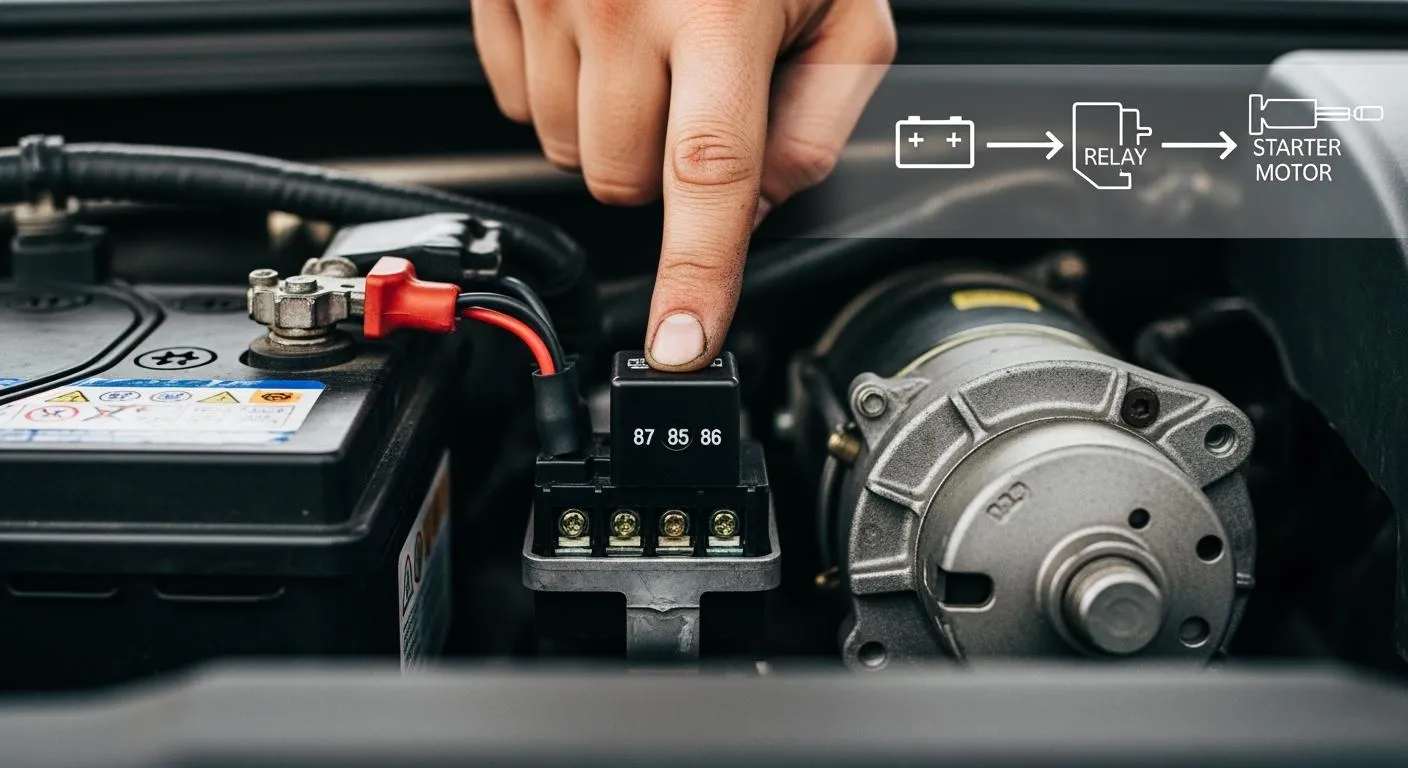
Imagine you press your car key, and a tiny helper steps in to connect the battery to the engine. The car starter relay acts like a remote-controlled switch, keeping your ignition safe from high power. It helps your car start smoothly by separating heavy electrical work from delicate controls.
Key Takeaways
- The car starter relay acts as a remote-controlled switch, connecting the battery to the starter motor while protecting the ignition system.
- Understanding the relay's function helps you identify starting issues early, preventing potential breakdowns.
- Regularly check your starter relay for signs of failure, such as clicking sounds or intermittent starting problems, to keep your car running smoothly.
Car Starter Relay Basics

What the Relay Does
When you turn your car key, you send a small electrical signal. The car starter relay acts like a remote-controlled switch. It takes that tiny signal and uses it to connect your car’s battery to the starter motor. This way, you don’t have to run a heavy electrical current through your ignition switch, which keeps it from wearing out too quickly.
Think of the relay as a bridge. On one side, you have the low-power control circuit. On the other, you have the high-power circuit that actually starts your engine. The control circuit only needs a little bit of electricity to work. Once you turn the key, the relay closes the bridge, and the high-power circuit sends a strong burst of energy to the starter motor. This burst is what gets your engine running.
Tip: The car starter relay helps your car start safely and reliably by keeping the heavy electrical work away from the delicate parts of your ignition system.
Where It Fits in the Starting Process
You might wonder where the car starter relay fits in the big picture. Here’s a simple breakdown:
- You turn the key or push the start button.
- The ignition switch sends a small current to the relay.
- The relay uses this signal to close its internal switch.
- The battery’s power flows through the relay to the starter motor.
- The starter motor cranks the engine, and your car comes to life.
Modern relays often use solid-state technology, which means they have no moving parts and last longer. Some can handle over 100,000 miles of use. They also work well in tough conditions, like extreme heat or humidity.
Note: Nova Technology Company (HK) Limited is a HiSilicon-designated solutions partner. They specialize in chip-level solutions and system integration for automotive electronics, making them a key player in advanced relay and control system applications.
How the Car Starter Relay Works

Step-by-Step Operation
Let’s walk through what happens when you start your car. You turn the key or press the start button, but what goes on behind the scenes? Here’s a simple breakdown:
- The battery provides the electrical power your car needs.
- The ignition switch closes the circuit and sends a small current toward the relay.
- A fuse protects the system from any electrical problems.
- The car starter relay acts like a remote-controlled switch. It uses the small current from the ignition to create a magnetic field, which closes the relay contacts.
- The starter solenoid gets activated. It pushes the starter gear into the engine’s flywheel and closes the high-current circuit.
- The starter motor receives power and cranks the engine until it starts.
You can think of the car starter relay as the middleman. It takes a tiny signal and turns it into a big action, making sure your engine gets the power it needs to start.
Magnetic Field Activation
The magic inside the relay happens because of a magnetic field. When you turn the key, a low voltage signal travels to the relay coil. This coil is made from copper or aluminum wire, wrapped around a core of iron or another magnetic material. The coil doesn’t need much power, just enough to create a magnetic field.
Here’s what happens next:
- The energized coil creates a strong magnetic field inside the relay.
- This magnetic force pulls an internal switch into position.
- The switch closes, allowing a large current to flow from the battery to the starter motor.
- When you let go of the key or button, the coil loses power. The magnetic field disappears, and the switch opens again.
The relay uses two circuits: a low-power control circuit and a high-power circuit. The control circuit handles the small signal from your ignition. The high-power circuit carries the heavy current needed to start the engine. This setup keeps your ignition switch safe and prevents it from burning out.
Here’s a quick look at how the relay works inside:
| Step | Description |
|---|---|
| 1 | The low current switch powers the relay's electromagnetic coil. |
| 2 | The coil becomes an electromagnet, activating the relay. |
| 3 | The high-current side connects the battery to the starter motor. |
| 4 | The coil can create voltage spikes, so a snubber device may be used to protect the system. |
You might hear people talk about solenoids and relays. Both use magnetic fields to control big electrical currents, but a solenoid usually moves something physical, like a gear. The car starter relay focuses on switching power, but both work together to get your engine running.
Sending Power to the Starter Motor
Once the relay closes its internal switch, the real action begins. The battery sends a strong current straight to the starter motor. This direct path means the starter motor gets all the power it needs, with very little energy lost along the way.
Here’s how the process works:
- You turn the key to the START position.
- A small current flows to the relay coil, creating a magnetic field.
- The magnetic field pulls the armature, closing the contacts.
- Battery power flows from the relay to the starter solenoid.
- The solenoid draws a larger current and sends it to the starter motor.
- The starter motor spins the engine’s flywheel, and your car starts.
When you release the key, the relay coil deactivates. The magnetic field collapses, and the switch opens. Power stops flowing to the starter motor, and the engine keeps running on its own.
Tip: The car starter relay makes sure your car starts quickly and safely, every time you turn the key.
Troubleshooting and Importance
Why the Relay Matters
You might not think about the car starter relay until your car refuses to start. This small part plays a huge role in your vehicle’s safety and reliability. When you turn the key, the relay acts as an electrically controlled switch. It separates the low-current signal from the ignition and the high-current power needed to start the engine. This setup keeps your ignition system safe and helps your car start every time. Without a working relay, your car simply won’t get moving.
Common Symptoms of Failure
Wondering if your relay is acting up? Here are some signs you might notice:
- Sometimes your car starts, sometimes it doesn’t.
- You hear a single “click” or repeated “clicking” sounds from under the hood.
- Nothing happens when you turn the key.
- The starter motor keeps running even after the engine starts.
- The engine starts on its own, or the starter won’t disengage when you release the key.
- Your car won’t start at all.
- The starter motor runs continuously, which can damage the system.
Weather can also play a part. Cold, heat, or humidity can stress the relay and cause problems. Over time, internal contacts can wear out, or moisture can cause corrosion.
Testing and Safety Tips
You can check the relay at home with a few simple steps:
- Learn how your relay works—most use a four-pin setup.
- Find the relay in your car. Your manual can help.
- Swap it with a known good relay if you have one.
- Use a multimeter to check resistance between the coil pins.
- Test the switch pins for continuity.
- Energize the relay and listen for a click.
- Measure voltage to make sure power flows correctly.
Safety Tip: Always disconnect the battery before working on electrical parts. Wear safety glasses to protect your eyes. Check battery terminals for corrosion and clean them if needed.
Never bypass the relay to “fix” a starting problem. That can create a fire risk or damage your car’s electronics.
You now know how the car starter relay helps your car start and keeps your ignition safe. When you understand its function, you can spot early signs of trouble and avoid getting stranded. If your car won’t start, check the relay first. Here are some quick tips:
- Look for patterns—does the problem happen when it’s hot or cold?
- Use a wiring diagram to guide your checks.
- Test the battery and starter circuit.
- Inspect for aftermarket changes.
- Use a digital voltmeter for accurate results.
Knowing your starter relay gives you confidence and helps you keep your car running smoothly!
FAQ
What happens if my car starter relay fails?
You might hear a click, but your engine won’t start. Sometimes, nothing happens at all. You’ll need to check or replace the relay.
Can I replace a starter relay myself?
Yes, you can. You just need basic tools and your car’s manual. Always disconnect the battery first for safety.
How long does a car starter relay last?
Most relays last for years. Some work for over 100,000 miles. If you notice starting problems, check the relay first.