The Ultimate Guide: Microcontroller Applications
Expert guide on The Ultimate Guide: Microcontroller Applications. Technical specs, applications, sourcing tips for engineers and buyers.
Introduction
In the rapidly evolving world of electronics, microcontrollers have become indispensable components in a wide array of applications, from consumer electronics to industrial automation. These versatile devices are the brains behind countless electronic systems, providing the computational power and control needed for modern technology. As the semiconductor industry continues to grow, with global revenue projected to reach $595.2 billion by 2026, understanding microcontroller applications is more important than ever. This guide aims to provide an in-depth exploration of microcontroller specifications, datasheets, and application circuits, equipping engineers with the knowledge needed to make informed design decisions.
Technical Overview
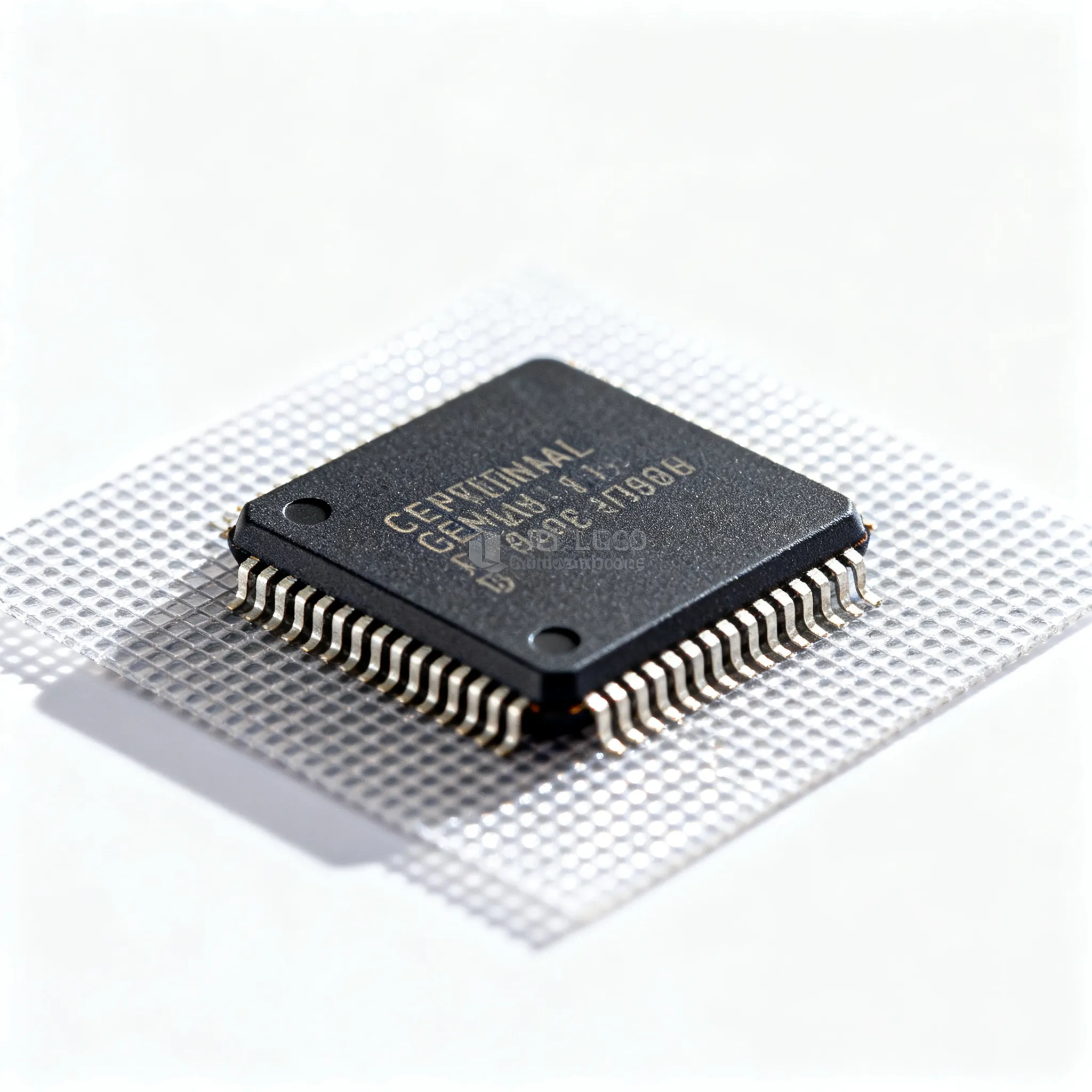
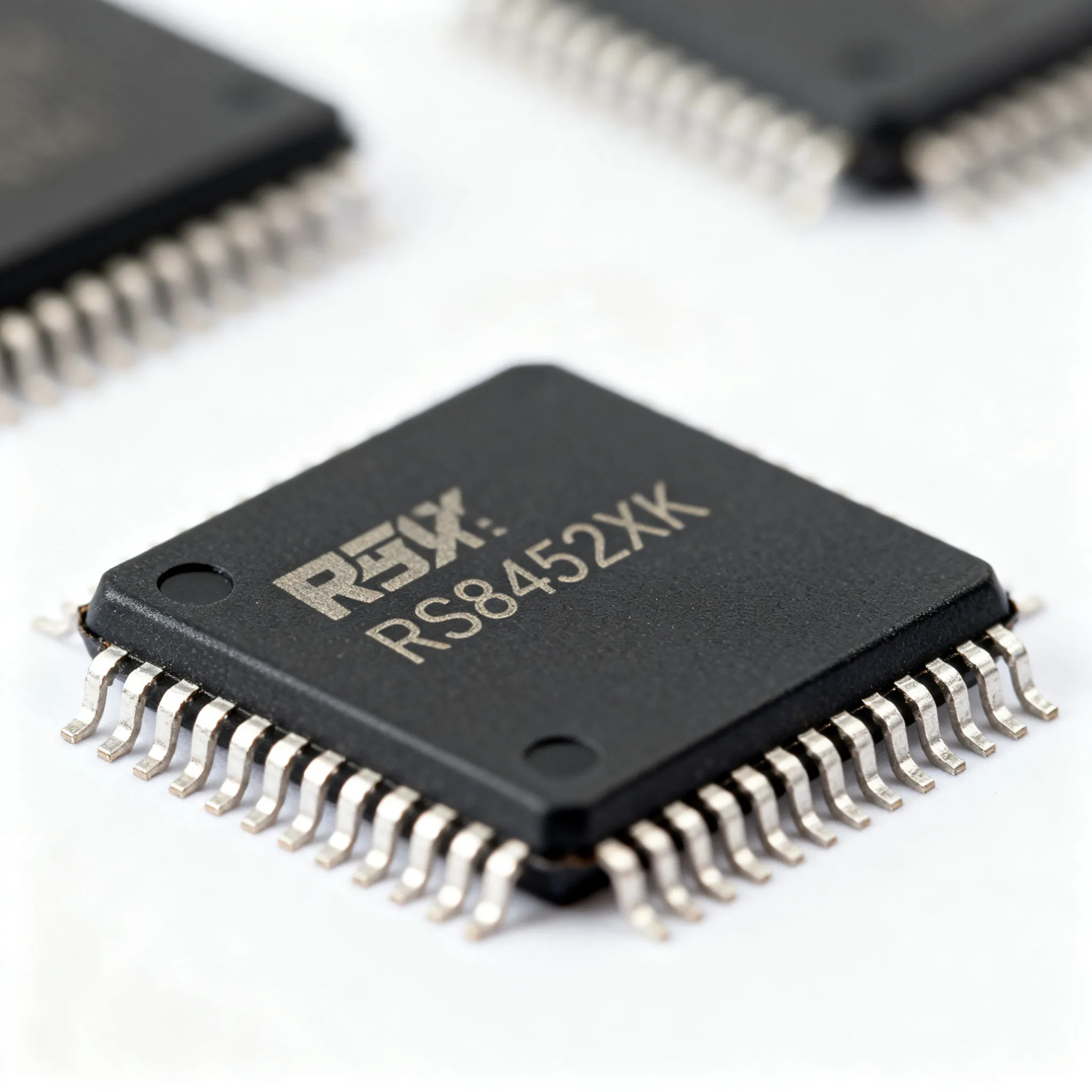
Microcontrollers are compact integrated circuits designed to perform specific tasks within an embedded system. They typically consist of a processor core, memory, and input/output peripherals on a single chip. The core concepts of microcontroller operation include processing instructions, interacting with external devices, and managing data storage. Key principles that underpin microcontroller functionality include clock speed, memory architecture, and power management. Understanding these principles is crucial for selecting the right microcontroller for a given application, as they directly impact performance, efficiency, and cost.
When selecting a microcontroller, engineers must consider a range of specifications, including processing power (measured in MHz or GHz), memory capacity (RAM and flash), and the number and type of I/O pins. Additionally, power consumption is a critical factor, especially in battery-powered applications. Microcontroller datasheets provide detailed information about these specifications, serving as essential resources for engineers during the design process. Application circuits, which illustrate how to connect a microcontroller to other components, further aid in understanding how to implement these devices in real-world systems.
Detailed Specifications
| Parameter | Value | Units | Notes |
|---|---|---|---|
| Processor Speed | 72 | MHz | Maximum clock frequency |
| Flash Memory | 256 | KB | Non-volatile storage |
| RAM | 32 | KB | Volatile memory for temporary data |
| EEPROM | 4 | KB | Used for storing configuration data |
| I/O Pins | 48 | Pins | General-purpose input/output |
| ADC Resolution | 12 | Bits | Analog-to-digital converter |
| DAC Resolution | 10 | Bits | Digital-to-analog converter |
| Supply Voltage | 1.8 - 3.6 | V | Operating voltage range |
| Power Consumption | 2.5 | mA | At full operation |
| Operating Temperature | -40 to 85 | °C | Industrial temperature range |
| Parameter | Value | Units | Notes |
|---|---|---|---|
| Package Type | LQFP | - | Low-profile quad flat package |
| Package Dimensions | 10x10 | mm | Length x Width |
| Pin Pitch | 0.5 | mm | Distance between pins |
| Thermal Resistance | 25 | °C/W | Junction-to-ambient |
| Weight | 0.1 | g | Approximate weight |
| Lead Finish | Matte Tin | - | Lead-free finish |
| Moisture Sensitivity Level | 3 | - | JEDEC standard |
| Mounting Type | SMD | - | Surface mount device |
| Application | Microcontroller | Features | Notes |
|---|---|---|---|
| Home Automation | ATmega2560 | High I/O count, low power | Ideal for smart home devices |
| Industrial Control | STM32F407 | High processing power, robust | Suitable for harsh environments |
| Wearable Technology | MSP430FR6989 | Ultra-low power, compact size | Perfect for battery-operated devices |
| Automotive Systems | XC164CS | Real-time processing, reliability | Designed for automotive standards |
| IoT Devices | ESP8266 | Wireless connectivity, cost-effective | Popular for IoT applications |
The tables above provide a comprehensive overview of the electrical, thermal, and mechanical specifications of microcontrollers, as well as a comparison of their applications. These specifications are crucial for selecting the appropriate microcontroller for a given project. For instance, the processor speed and memory capacity determine the computational power and storage available, while the I/O pins and ADC/DAC resolutions affect the microcontroller's ability to interface with external devices. Thermal and mechanical specifications, such as package type and thermal resistance, influence the microcontroller's physical integration and thermal management in a system.
Design Considerations
When designing a system with a microcontroller, several practical guidelines should be followed to ensure optimal performance and reliability. First, carefully evaluate the application's requirements to select a microcontroller with appropriate specifications. Consider factors such as processing power, memory capacity, and I/O capabilities, as these will directly impact the system's functionality and efficiency.
Power management is another critical consideration, especially for battery-powered applications. Select a microcontroller with low power consumption, and implement power-saving techniques such as sleep modes and efficient power regulation. This will extend battery life and reduce energy costs.
Thermal management is also essential, as excessive heat can degrade performance and reliability. Ensure that the microcontroller is adequately cooled, either through passive methods such as heatsinking or active methods like forced air cooling. Additionally, consider the thermal resistance of the microcontroller's package and its mounting method to optimize heat dissipation.
Another important aspect is the microcontroller's compatibility with other system components. Verify that the microcontroller's I/O pins and communication interfaces are compatible with the peripherals and sensors used in the system. This will facilitate seamless integration and reduce the risk of compatibility issues.
Finally, consider the availability and sourcing of the microcontroller. Verify that the selected microcontroller is readily available from reliable suppliers, and evaluate the cost and lead time to ensure that it aligns with the project's budget and timeline.
Step-by-Step Guide
- Define the Application Requirements: Start by clearly defining the requirements and constraints of your application. Consider factors such as processing power, memory, I/O capabilities, and power consumption.
- Select the Microcontroller: Based on the defined requirements, select a microcontroller that meets or exceeds these specifications. Use resources such as [DigiKey Electronics](https://www.digikey.com/) to compare different models and access datasheets.
- Design the Circuit: Create a schematic diagram of the circuit, including the microcontroller and its connections to other components. Pay attention to power supply design, signal integrity, and grounding.
- Write the Firmware: Develop the firmware that will run on the microcontroller, implementing the desired functionality and control algorithms. Use development tools and software provided by the microcontroller manufacturer.
- Prototype and Test: Build a prototype of the system and test its functionality. Verify that the microcontroller operates as expected and that the system meets the application requirements.
- Optimize for Production: After successful prototyping, optimize the design for production. Consider factors such as cost, manufacturability, and reliability to ensure a smooth transition to mass production.
- Document the Design: Prepare comprehensive documentation, including schematics, firmware, and test results. This documentation will be valuable for future reference and troubleshooting.
- Plan for Maintenance and Updates: Consider the long-term maintenance and potential updates of the system. Plan for firmware updates and ensure that the microcontroller has sufficient resources to accommodate future changes.
Common Issues & Solutions
Despite careful planning and design, engineers may encounter various issues when working with microcontrollers. Here are some common problems and their solutions:
-
Problem: Overheating
Solution: Ensure adequate cooling through heatsinks, fans, or improved airflow in the enclosure. Reevaluate the thermal management strategy and consider using a microcontroller with lower power consumption. -
Problem: Insufficient Memory
Solution: Optimize the firmware to reduce memory usage, or select a microcontroller with larger memory capacity. Consider external memory solutions if necessary. -
Problem: Communication Errors
Solution: Check the connections and signal integrity of communication interfaces. Verify that the communication protocol settings are correctly configured and that there is no interference from other signals. -
Problem: Power Supply Noise
Solution: Improve power supply filtering and decoupling. Use low-noise regulators and ensure proper grounding and shielding to minimize electromagnetic interference. -
Problem: Firmware Bugs
Solution: Conduct thorough testing and debugging of the firmware. Use debugging tools and techniques such as breakpoints and watchpoints to identify and fix issues. -
Problem: Incompatible Peripherals
Solution: Verify that the microcontroller's I/O pins and communication interfaces are compatible with the peripherals. Consider using interface converters or selecting alternative components if necessary.
Applications & Use Cases
Microcontrollers are used in a wide range of applications, each with unique requirements and challenges. In home automation, microcontrollers enable the control of lighting, heating, and security systems, providing convenience and energy efficiency. In industrial control systems, microcontrollers facilitate the automation of manufacturing processes, improving productivity and precision.
Wearable technology relies on microcontrollers to process sensor data and manage communication with other devices, enabling features such as fitness tracking and health monitoring. In automotive systems, microcontrollers perform critical functions such as engine control, safety systems, and infotainment, ensuring reliability and performance.
The Internet of Things (IoT) is another area where microcontrollers play a crucial role. They provide the processing power and connectivity needed for smart devices to communicate and interact with each other, enabling innovative applications in areas such as smart cities, agriculture, and healthcare.
Selection & Sourcing Guide
Selecting and sourcing the right microcontroller is a critical step in the design process. Engineers can use resources such as IC Online to search for microcontrollers based on specific criteria, compare different models, and access datasheets. Consider factors such as availability, cost, and lead time when sourcing components to ensure that they align with the project's requirements and timeline.
FAQ
-
What is a microcontroller?
A microcontroller is a compact integrated circuit designed to perform specific tasks within an embedded system. It typically includes a processor core, memory, and input/output peripherals on a single chip. -
How do I choose the right microcontroller for my application?
Consider factors such as processing power, memory capacity, I/O capabilities, and power consumption. Evaluate the application's requirements and select a microcontroller that meets or exceeds these specifications. -
What are some common applications of microcontrollers?
Microcontrollers are used in a wide range of applications, including home automation, industrial control, wearable technology, automotive systems, and the Internet of Things (IoT). -
How can I reduce power consumption in a microcontroller-based system?
Use a microcontroller with low power consumption, implement power-saving techniques such as sleep modes, and optimize the power supply design to reduce energy costs. -
What are the key thermal management considerations for microcontrollers?
Ensure adequate cooling through heatsinks, fans, or improved airflow. Consider the thermal resistance of the microcontroller's package and its mounting method to optimize heat dissipation. -
What should I do if I encounter communication errors in my system?
Check the connections and signal integrity of communication interfaces. Verify that the protocol settings are correctly configured and that there is no interference from other signals. -
How can I debug firmware issues in a microcontroller?
Conduct thorough testing and debugging using tools such as breakpoints and watchpoints. Review the code for logical errors and ensure that the firmware meets the application's requirements. -
What are the advantages of using microcontrollers in IoT applications?
Microcontrollers provide the processing power and connectivity needed for smart devices to communicate and interact with each other, enabling innovative IoT applications in areas such as smart cities, agriculture, and healthcare.
Conclusion
Microcontrollers are essential components in modern electronic systems, offering the computational power and control needed for a wide range of applications. Understanding their specifications, datasheets, and application circuits is crucial for engineers looking to design reliable and efficient systems. By following the guidelines and best practices outlined in this guide, engineers can make informed decisions and successfully implement microcontrollers in