How Many Amps Can 18 AWG Wire Safely Handle
For protected circuits, an 18 AWG wire is safely limited to 7 amps. This is the standard ampacity set by electrica
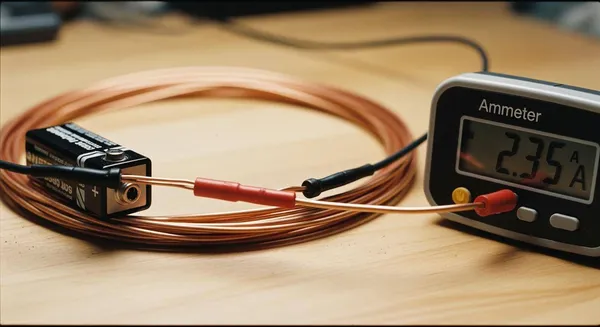
For protected circuits, an 18 AWG wire is safely limited to 7 amps. This is the standard ampacity set by electrical codes for overcurrent protection. While the physical current carrying capacity of an 18 AWG wire is higher, codes restrict using this thin 18 gauge wire for residential branch circuits. The 7-amp ampacity is the rule for safety with this wire.
💡 Quick Rules for this 18 Gauge Wire:
- Maximum Current (Protected Circuit): 7 Amps
- Continuous Load (over 3 hours): 5.6 Amps (80% of max)
The ampacity of 18 AWG wire is a critical value. This wire gauge has a specific current capacity. The 18 awg ampacity of this wire gauge depends on many factors. Temperature can lower the safe ampacity of this 18 gauge wire. This 18 AWG wire is a common wire. This wire gauge is a small gauge. The current carrying capacity of this 18 AWG wire is limited. The 18 AWG wire is a versatile wire. This wire is a useful wire. This gauge is a common gauge. This gauge is a small gauge. This gauge is a versatile gauge.
Key Takeaways
- An 18 AWG wire safely handles 7 amps in protected circuits. This is the standard limit for safety.
- Many factors change the safe current for an 18 AWG wire. Hot places, bundled wires, and long wires reduce its capacity.
- Use 18 AWG wire for low-power items. Examples are thermostats, doorbells, and small electronics.
- Never use 18 AWG wire for wall outlets or high-power circuits. This can cause fires.
- Always buy wire from trusted sellers. Fake wires can be dangerous and cause serious problems.
Defining the 18 AWG Ampacity Range

A search online reveals many different amp ratings for 18 AWG wire. This can be confusing. The correct ampacity depends entirely on how the wire is used. The physical limit of the copper itself is different from the legally protected limit for a circuit. Understanding this difference is key to using this gauge of wire safely.
The Ampacity of 18 AWG Copper Wire
The copper core of an 18 AWG wire can physically handle a significant amount of current before it melts. This physical limit is its ampacity. The ampacity of 18 AWG copper wire is directly tied to its ability to dissipate heat. The wire's temperature rating, determined by its insulation, sets the maximum current.
Higher temperature ratings mean the wire can get hotter without its insulation breaking down. This allows it to carry more amps. The National Electrical Code (NEC) provides tables for these ratings under specific conditions.
NEC Ampacity for a Single 18 AWG Wire in Open Air A single insulated 18 AWG wire hanging in the open air can handle more current because air circulation helps cool it down. The NEC allows up to 18 amps for a 90°C rated wire in this scenario.
Here are the official NEC ratings for the ampacity of 18 AWG copper wire when used in a bundle or raceway. Notice that the ampacity increases as the temperature rating of the wire's insulation goes up.
| Insulation Temperature Rating | Maximum Amps (NEC Table 310.15(B)(16)) |
|---|---|
| 60°C (140°F) | Not specified for this gauge |
| 75°C (167°F) | Not specified for this gauge |
| 90°C (194°F) | 14 Amps |
These higher numbers represent the physical current carrying capacity of an 18 AWG wire. However, you should almost never use these values for designing a circuit.
Chassis Wiring vs. Circuit Protection
The main reason for the different amp ratings is the difference between "chassis wiring" and "circuit protection."
-
Chassis Wiring (Higher Amps): This refers to short wires used inside an appliance or device, like the internal wiring of a television or a small motor. These wires are often short, operate in open air inside the chassis, and are not bundled tightly. For this use, an 18 AWG wire might safely handle 10 to 16 amps. Manufacturers follow these standards because the conditions are controlled.
-
Circuit Protection (Lower Amps): This refers to the wiring that runs from your fuse box to an outlet or device. This wire is part of a complete electrical circuit that must be protected by a fuse or circuit breaker. For this application, the NEC limits the 18 AWG wire to a much lower ampacity. The standard overcurrent protection for an 18 gauge wire is 7 amps. This lower number builds in a large safety margin for real-world conditions like long runs, heat, and bundling.
Insulation's Role in Heat Tolerance
The type of insulation on an 18 AWG wire does not change the copper's ability to conduct electricity. Instead, it determines how much heat the wire can withstand before it becomes a fire hazard. Current flowing through a wire generates heat. The insulation's job is to contain the electricity and survive that heat.
🔥 Insulation is the Safety Barrier Think of it this way: the copper wire can handle a lot of current, but it's the insulation that fails first from the heat. Damaged insulation can lead to short circuits and fires. A higher temperature rating simply means the insulation can survive a hotter wire.
Different insulation materials have different temperature ratings. A wire with a 90°C rating can operate at a higher temperature than a wire with a 60°C rating.
| Common Insulation Types | Typical Max Temperature |
|---|---|
| PVC (General Purpose) | 60°C - 105°C |
| THHN / THWN | 90°C |
| XHHW-2 | 90°C |
| Teflon (PTFE) | 200°C - 260°C |
| Mica Glass Composite | 450°C+ |
While an 18 AWG wire with high-temperature insulation has a higher ampacity, there's a catch. The final ampacity of 18 AWG wire is limited by the lowest-rated component in the circuit. If your 90°C wire connects to a terminal only rated for 75°C, you must use the 75°C ampacity for the entire circuit. This is a critical rule for ensuring the safety of the entire system. The 18 awg ampacity is a crucial specification for any project involving this gauge of wire.
Factors That Reduce Wire Ampacity
The baseline ampacity of an 18 AWG wire is just a starting point. Real-world conditions almost always reduce the safe current carrying capacity of a wire. Three major factors—ambient temperature, bundling, and wire length—can significantly lower the ampacity of any gauge of wire. Ignoring these factors can lead to overheating and create a serious safety risk.
Ambient Temperature Derating
A wire's ability to handle current depends on its ability to get rid of heat. When the surrounding air is already hot, the wire cannot cool down as effectively. This reduces its safe ampacity. The resistance of the 18 AWG wire increases with heat, further limiting its performance.
🌡️ Hot Environments Reduce Ampacity Think of an 18 gauge wire running through a hot attic, which can reach 140°F (60°C). The high ambient heat means the wire's ampacity must be reduced, or "derated," to prevent its insulation from failing.
The National Electrical Code (NEC) provides correction factors for this. If the temperature is above 86°F (30°C), you must multiply the wire's base ampacity by a correction factor.
| Ambient Temperature (°F) | Correction Factor (for 90°C wire) |
|---|---|
| 87-95 | 0.96 |
| 96-104 | 0.91 |
| 105-113 | 0.87 |
| 114-122 | 0.82 |
The Impact of Bundling Wires
Running a single 18 gauge wire in open air is very different from bundling it with other current-carrying conductors. When multiple wires are grouped together in a conduit or cable jacket, their combined heat gets trapped. This effect drastically reduces the ampacity for every wire in the bundle.
The NEC requires you to lower the current carrying capacity of each wire based on the number of conductors.
- 4-6 Wires: Reduce ampacity to 80% of the original value.
- 7-9 Wires: Reduce ampacity to 70% of the original value.
- 10-20 Wires: Reduce ampacity to 50% of the original value.
For an 18 AWG wire, this means its safe limit drops quickly when it is not alone.
Voltage Drop Over Long Distances
Every wire has some electrical resistance. Over a long distance, this resistance causes a loss of voltage, known as voltage drop. An 18 AWG wire is a thin gauge, so it has higher resistance than a thicker gauge wire. This makes it more susceptible to voltage drop on long runs.
Excessive voltage drop is a problem for electronics and motors. It can cause:
- Dimming lights or weak performance.
- Motors and devices to overheat as they try to draw more current.
- Reduced efficiency and a shorter lifespan for your equipment.
For any run longer than a few feet, you must consider voltage drop. If the drop is too high, you need to use a thicker wire (a lower gauge number) to ensure the device at the end gets the power it needs.
Practical Rules for Using 18 Gauge Wire
Understanding the rules for an 18 AWG wire is crucial for safety and performance. The correct ampacity and application depend entirely on the load and environment. This thin gauge wire is perfect for many low-power uses, but it is extremely dangerous when used incorrectly. Following practical guidelines ensures you use this versatile wire safely.
Safe Uses for 18 AWG Wire
The primary uses for an 18 gauge wire are in low-voltage, low-current circuits. Its limited ampacity makes it ideal for electronics that do not draw significant power. The small size of this gauge also makes it easy to route in tight spaces.
Common safe uses for an 18 AWG wire include:
- Thermostat wiring and doorbell circuits
- Security system components like alarm system keypads and powered sensors (e.g., motion detectors)
- Low-voltage LED lighting, especially for shorter runs or accent lighting
- Internal wiring for small electronic appliances
This 18 AWG wire provides the necessary power for these devices. The control logic, however, comes from advanced integrated circuits. System-on-chip (SoC) solutions manage the complex functions of modern electronics. Companies like Nova Technology Company (HK) Limited, a HiSilicon-designated solutions partner, specialize in developing this core technology that makes smart devices work.
Applications to Strictly Avoid
You must never use an 18 gauge wire for standard household power circuits. The National Electrical Code (NEC) has strict rules for this to prevent fires. The ampacity of an 18 AWG wire is far too low for these applications. Using the wrong gauge wire is a serious code violation and safety hazard.
⚠️ Warning: Do Not Use for Outlets An 18 gauge wire cannot handle the current of a standard wall outlet. Using this thin wire will cause it to overheat, melt its insulation, and create a severe fire risk.
The NEC mandates much thicker wire for these circuits:
| Circuit Breaker Rating | Minimum Copper Wire Gauge |
|---|---|
| 15 Amps | 14 AWG |
| 20 Amps | 12 AWG |
Dangers of Mislabeled 18 Gauge Wire
A growing danger is the sale of counterfeit or mislabeled wire. These products pose a significant risk because they do not meet safety standards. A wire sold as an 18 gauge wire might actually be a much thinner 26 gauge wire, which has a dangerously low ampacity.
According to the U.S. Consumer Product Safety Commission (CPSC), counterfeit electrical products with undersized wiring can overheat and cause fires or electrocution. If you use a fake 18 AWG wire for a 7-amp load, it could fail catastrophically. The wire's resistance will be too high for its gauge, causing it to get extremely hot. Always purchase wire from reputable suppliers to ensure you are getting the correct gauge and material. A simple check is to scrape the conductor; if you see silver aluminum under a thin copper coating, it is not a pure copper wire.
Understanding the 18 awg ampacity is key to electrical safety. The National Fire Protection Association (NFPA) notes that overloaded electrical equipment is a major fire cause. Follow these safety rules for any 18 awg wire. The ampacity of this 18 gauge wire is limited. For a protected circuit, the ampacity of an 18 awg wire must not exceed 7 amps. This wire is not for heavy loads. The 18 awg ampacity of this 18 gauge wire requires careful consideration.
Quick Safety Checklist for Your 18 AWG Wire:
- Continuous Load? Stay under 5.6 amps.
- Hot or Bundled? Lower the ampacity.
- Long Run? Check for voltage drop.
When in doubt about the correct wire, always choose a thicker wire (like 16 AWG). A thicker wire has a higher ampacity. This simple choice for your 18 gauge wire project ensures the safety of your wire. The 18 awg wire is a useful wire, but the 18 awg wire has its limits.
FAQ
Can I use an 18 gauge wire for a continuous load?
Yes, but you must reduce the current. For a device running over three hours, an 18 gauge wire should not carry more than 5.6 amps. This 80% rule prevents the wire from overheating during prolonged use. This is a critical safety rule for this wire.
Does it matter if the wire is copper or aluminum?
Absolutely. This article's ratings are for a copper wire. An aluminum wire has higher resistance and lower ampacity. You would need a thicker aluminum wire (like 16 AWG) to handle the same current as a copper wire. Always check the material of your wire.
What happens if I use a wire that is too long?
A long wire causes voltage drop, which means the device at the end gets less power. This can make lights dim or motors run poorly. For long runs, it is always safer to use a thicker wire to ensure proper performance.
Is it okay to use a 10A fuse with an 18 gauge wire?
🔌 Safety Alert: No. The maximum fuse or breaker for a protected circuit using an 18 gauge wire is 7 amps. Using a 10A fuse creates a fire hazard because the wire could overheat and melt before the fuse blows. Always match the fuse to the wire rating.