Optimizing Efficiency: A Case Study on Power Management ICs in Modern Electronics
Expert guide on Optimizing Efficiency: A Case Study on Power Management ICs in Modern Electronics. Technical specs, applications, sourcing tips for engineers and buyers.
Introduction
In the rapidly evolving landscape of modern electronics, power management integrated circuits (PMICs) play a crucial role in optimizing efficiency and performance. As electronic devices become more compact and powerful, the demand for efficient power management solutions continues to grow. PMICs are essential in managing the power supply of various components, ensuring that devices operate optimally while conserving energy. This article delves into the specifications, design considerations, and applications of PMICs, providing a comprehensive guide for engineers and designers looking to integrate these components into their projects.
Technical Overview
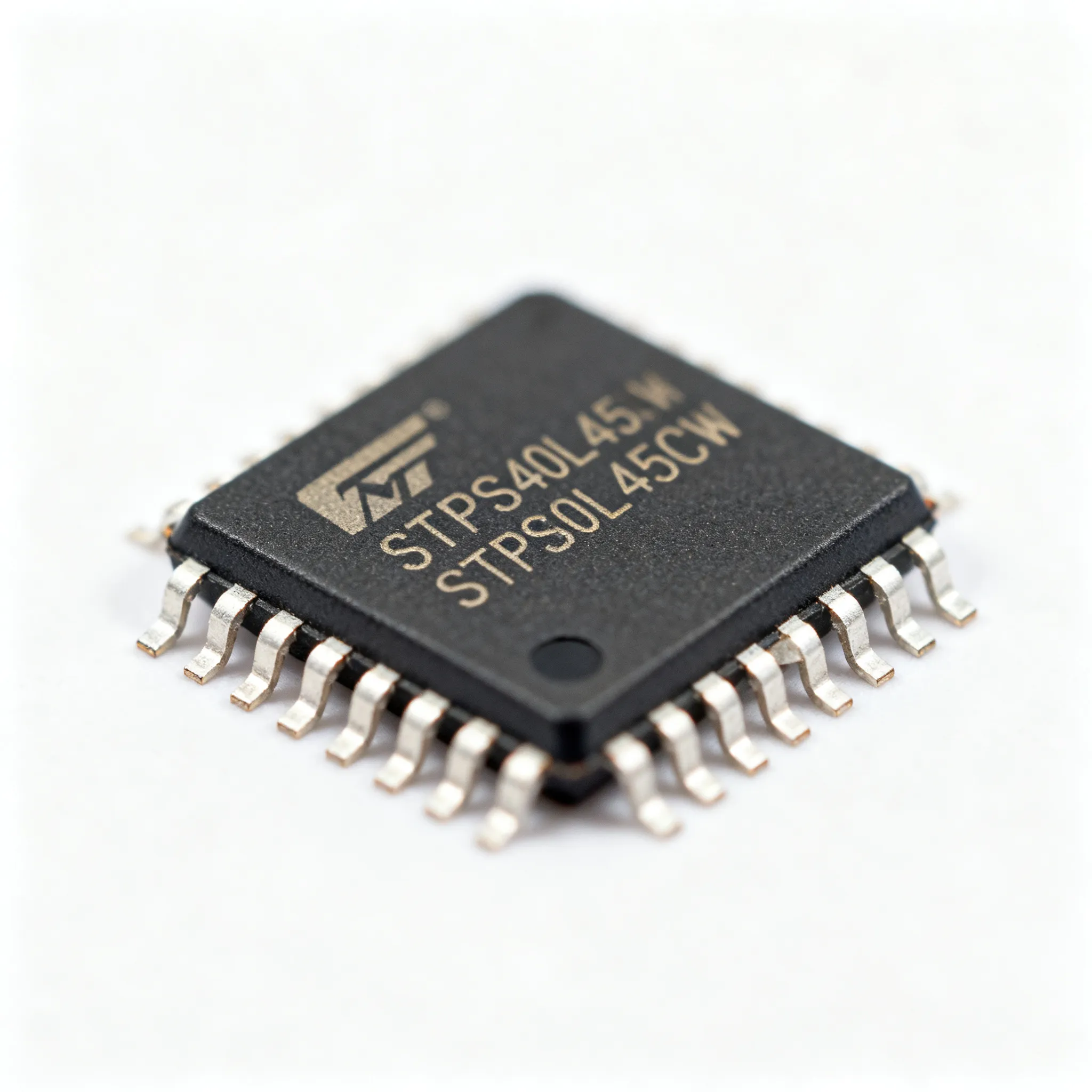
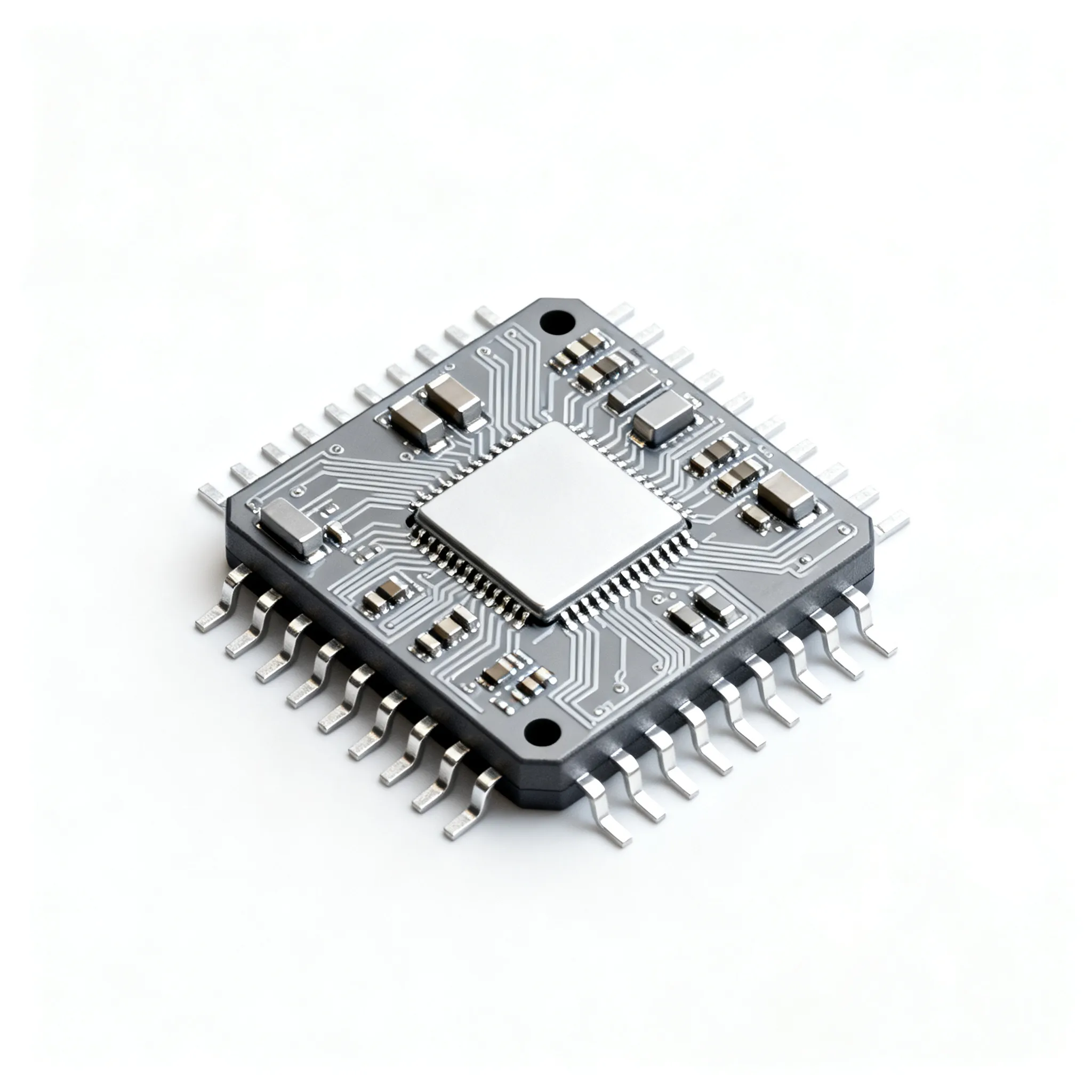
Power management ICs are specialized components designed to manage the distribution and regulation of electrical power in electronic devices. They typically include functions such as voltage regulation, power sequencing, battery management, and system monitoring. The core principle behind PMICs is to maintain a stable power supply to the device's critical components, which is essential for reliable operation and enhanced performance.
PMICs can be found in a wide range of applications, from consumer electronics like smartphones and tablets to industrial equipment and automotive systems. They are designed to handle various power requirements, providing features such as low dropout voltage, high efficiency, and minimal quiescent current. By integrating multiple power management functions into a single chip, PMICs reduce the need for discrete components, thus saving space and reducing complexity in electronic designs.
Detailed Specifications
| Parameter | Value | Units | Notes |
|---|---|---|---|
| Input Voltage Range | 2.7 - 5.5 | V | Wide range for various applications |
| Output Voltage | 1.8, 3.3, 5.0 | V | Multiple fixed options available |
| Output Current | 500 | mA | Max current for load |
| Efficiency | 90 | % | High efficiency for low power loss |
| Quiescent Current | 50 | µA | Low standby power consumption |
| Switching Frequency | 1.2 | MHz | High frequency for small inductors |
| Load Regulation | 0.5 | % | Stable output under varying loads |
| Line Regulation | 0.3 | % | Stable output with input changes |
| Overcurrent Protection | Yes | - | Prevents damage under fault conditions |
| Thermal Shutdown | Yes | - | Protects the IC from overheating |
| Parameter | Value | Units | Notes |
|---|---|---|---|
| Operating Temperature | -40 to 85 | °C | Suitable for industrial environments |
| Storage Temperature | -55 to 125 | °C | Long-term storage conditions |
| Thermal Resistance (Junction to Ambient) | 60 | °C/W | Efficient heat dissipation |
| Package Type | QFN | - | Compact package for space savings |
| Package Dimensions | 4x4 | mm | Small footprint for PCB design |
| Weight | 0.5 | g | Lightweight design |
| Pin Count | 16 | - | Multiple connections for versatile use |
| Moisture Sensitivity Level | 3 | - | Standard handling precautions required |
| Application | Component | Advantages | Considerations |
|---|---|---|---|
| Smartphones | MAX77650 | Compact size, high efficiency | Battery management features critical |
| Wearables | TPS62750 | Low power consumption | Focus on ultra-low quiescent current |
| Industrial Automation | LT8609S | Robust design, wide input range | Consider thermal management |
| Automotive | LM5145 | High reliability, automotive grade | Compliance with automotive standards |
| IoT Devices | ADP5301 | Ultra-low power, compact | Focus on battery life extension |
Design Considerations
When designing with PMICs, several factors must be considered to ensure optimal performance and reliability. First, the input voltage range should match the power sources available in the application. This ensures the PMIC can operate efficiently without requiring additional voltage conversion stages.
Output voltage and current specifications are also critical. Designers must ensure the PMIC can supply the necessary power to the load without exceeding its maximum ratings. Efficiency is another key aspect, as higher efficiency reduces power loss and heat generation, which is especially important in battery-powered applications.
Thermal management is crucial in PMIC designs. Proper heat dissipation techniques, such as using thermal vias and copper planes, can prevent overheating and extend the component's lifespan. Additionally, the PMIC's package type and size should align with the available space on the PCB, considering any potential constraints in the device's form factor.
Step-by-Step Guide
- Identify Power Requirements: Begin by determining the voltage and current needs of your application. This will help in selecting a PMIC with the appropriate specifications.
- Select a Suitable PMIC: Use parametric search tools on websites like DigiKey to find PMICs that meet your requirements. Pay attention to features like efficiency, quiescent current, and protection mechanisms.
- Design the Power Supply Circuit: Refer to the PMIC's datasheet for recommended application circuits. Ensure all components, such as inductors and capacitors, are selected based on the PMIC's specifications.
- Simulate the Circuit: Before prototyping, use simulation software to verify the circuit's performance. This can help identify potential issues and optimize component values.
- Prototype and Test: Build a prototype of your circuit and test it under various conditions. Measure key parameters like output voltage, current, and efficiency to ensure they meet design expectations.
- Optimize Thermal Management: Evaluate the thermal performance of the PMIC. Implement necessary cooling solutions, such as heatsinks or thermal pads, to manage heat dissipation effectively.
- Iterate and Refine: Based on testing results, make any necessary adjustments to the design. This may include tuning component values or improving PCB layout for better performance.
- Finalize the Design: Once satisfied with the performance, finalize the design for production. Ensure all documentation, including schematics and PCB layouts, is complete and accurate.
Common Issues & Solutions
Engineers often encounter challenges when working with PMICs. Here are some common issues and their solutions:
- Overheating: Ensure sufficient thermal management by using proper heat sinks and optimizing PCB layout for heat dissipation.
- Output Voltage Instability: Verify that output capacitors and inductors are within the recommended values specified in the datasheet.
- Inadequate Efficiency: Check for mismatched component values and ensure the PMIC is operating within its optimal range.
- Noise and EMI Interference: Implement proper filtering and shielding techniques to minimize electromagnetic interference.
- Component Selection Errors: Double-check component ratings and compatibility to prevent mismatches that could lead to failure.
Applications & Use Cases
PMICs are versatile components used in various applications. In smartphones, they manage battery charging and power distribution, ensuring efficient operation and longer battery life. In wearables, PMICs enable ultra-low power consumption, critical for devices with limited battery capacity.
In industrial automation, PMICs provide robust power management solutions for equipment operating in harsh environments. Automotive applications benefit from PMICs' high reliability and compliance with stringent automotive standards. IoT devices leverage PMICs to extend battery life and maintain connectivity with minimal power usage.
Selection & Sourcing Guide
When selecting and sourcing PMICs, it's essential to choose components that meet your application's specific requirements. Utilize resources like IC Online to find authorized distributors and access comprehensive component databases. Consider factors such as lead time, pricing, and availability when sourcing PMICs to ensure a smooth procurement process.
FAQ
- What is a PMIC? A power management integrated circuit (PMIC) is a component that manages power distribution and regulation in electronic devices.
- Why are PMICs important? They optimize efficiency, reduce power consumption, and provide stable power supply, crucial for device performance and reliability.
- How do I choose the right PMIC? Consider specifications like input/output voltage, current, efficiency, and protective features relevant to your application.
- What are common PMIC applications? PMICs are used in smartphones, wearables, industrial automation, automotive systems, and IoT devices.
- What is quiescent current? Quiescent current is the current consumed by a PMIC in a no-load condition, affecting battery life in low-power applications.
- How can I improve thermal management? Use heatsinks, thermal pads, and optimize PCB layout to enhance heat dissipation and prevent overheating.
- What is load regulation? Load regulation measures the PMIC's ability to maintain a stable output voltage under varying load conditions.
- What is line regulation? Line regulation refers to the PMIC's ability to maintain a stable output voltage despite changes in input voltage.
- Where can I find PMIC datasheets? Datasheets are available from distributors like DigiKey and manufacturers' websites.
- How do I ensure PMIC reliability? Choose components with appropriate ratings, implement proper thermal management, and follow design guidelines.
Conclusion
Power management ICs are integral components in modern electronics, offering efficient power regulation and distribution. By understanding their specifications, design considerations, and applications, engineers can effectively integrate PMICs into their projects, ensuring optimal performance and reliability. With the right selection and sourcing strategies, designers can leverage PMICs to enhance device efficiency and extend battery life, meeting the demands of today's electronic devices.