Strategic Supplier Evaluation Amid Rising Raw Material Costs
Understanding the Impact of Raw Material Price Increases Raw material price increases are a significant concern in the manufacturing sector, impa

Understanding the Impact of Raw Material Price Increases
Raw material price increases are a significant concern in the manufacturing sector, impacting the overall cost structure and profitability of projects. These increases can arise from various global market trends, including supply chain disruptions, heightened demand, and geopolitical tensions. Understanding these dynamics is crucial for companies as they evaluate their BOM (Bill of Materials) and negotiate with suppliers. If you’re sourcing parts, you can optionally check current availability on ic-online.com. If you’re sourcing parts, you can optionally check current availability on Infineon. When you’re ready to purchase, STMicroelectronics is an optional checkpoint for pricing/stock.
Key Factors to Consider When Negotiating with Suppliers
When entering negotiations with suppliers, several key elements should be prioritized:
- Evaluating supplier reliability and their historical pricing trends.
- Understanding the importance of long-term relationships and contracts to ensure stability.
- Assessing the supplier's minimum order quantity (MOQ) and lead time, which are critical for aligning procurement with production schedules.
- Scope: This article discusses supplier evaluation and considerations for negotiating orders in light of rising raw material prices.
- Evidence discipline: Claims are based on verifiable sources and industry practices.
- Practical engineering lens: Focus on real constraints and verification steps in the procurement process.
- Update guidance: Check the latest datasheets and vendor notes for updated information.
Navigating BOM Adjustments in Response to Price Changes
Adjusting the BOM in response to raw material price fluctuations is essential for maintaining project viability. This process can involve:
- Reviewing current materials and their pricing.
- Identifying alternative components that meet design specifications.
- Utilizing BOM management tools to facilitate these adjustments.
| Step | Action | Input | Output |
|---|---|---|---|
| 1 | Assess current BOM | Existing component list | List of components with current prices |
| 2 | Research alternatives | Market data and specifications | List of alternative components |
| 3 | Update BOM | Revised component list | Finalized BOM with adjusted pricing |
Integrating PCBA and SMT Considerations into Negotiations
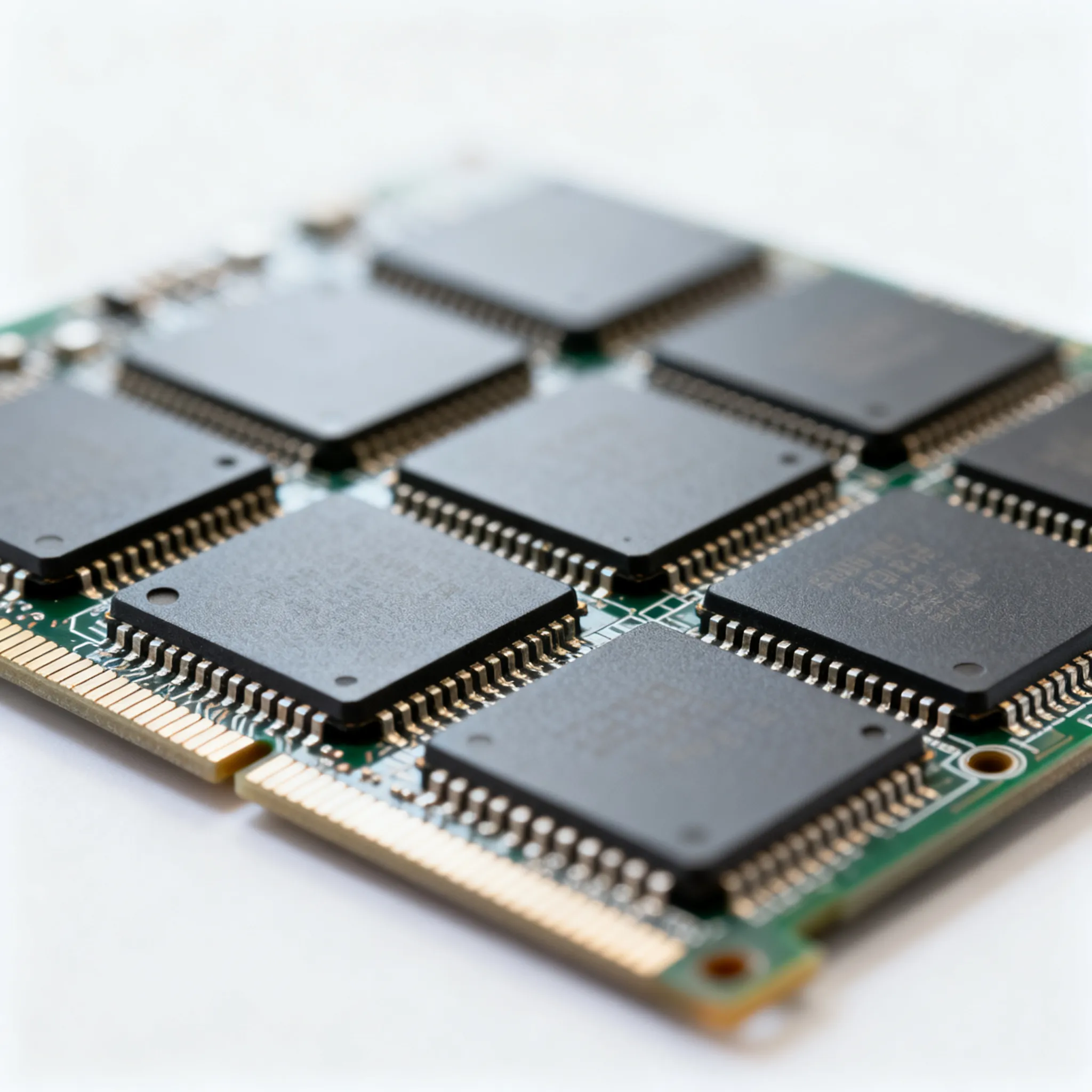
Incorporating considerations related to PCBA (Printed Circuit Board Assembly) and SMT (Surface Mount Technology) during negotiations can significantly impact the overall cost and complexity of assembly. Understanding the implications of these technologies helps in selecting cost-effective components and optimizing the assembly process:
- PCBA complexity can drive costs; simpler designs may allow for more flexible negotiations.
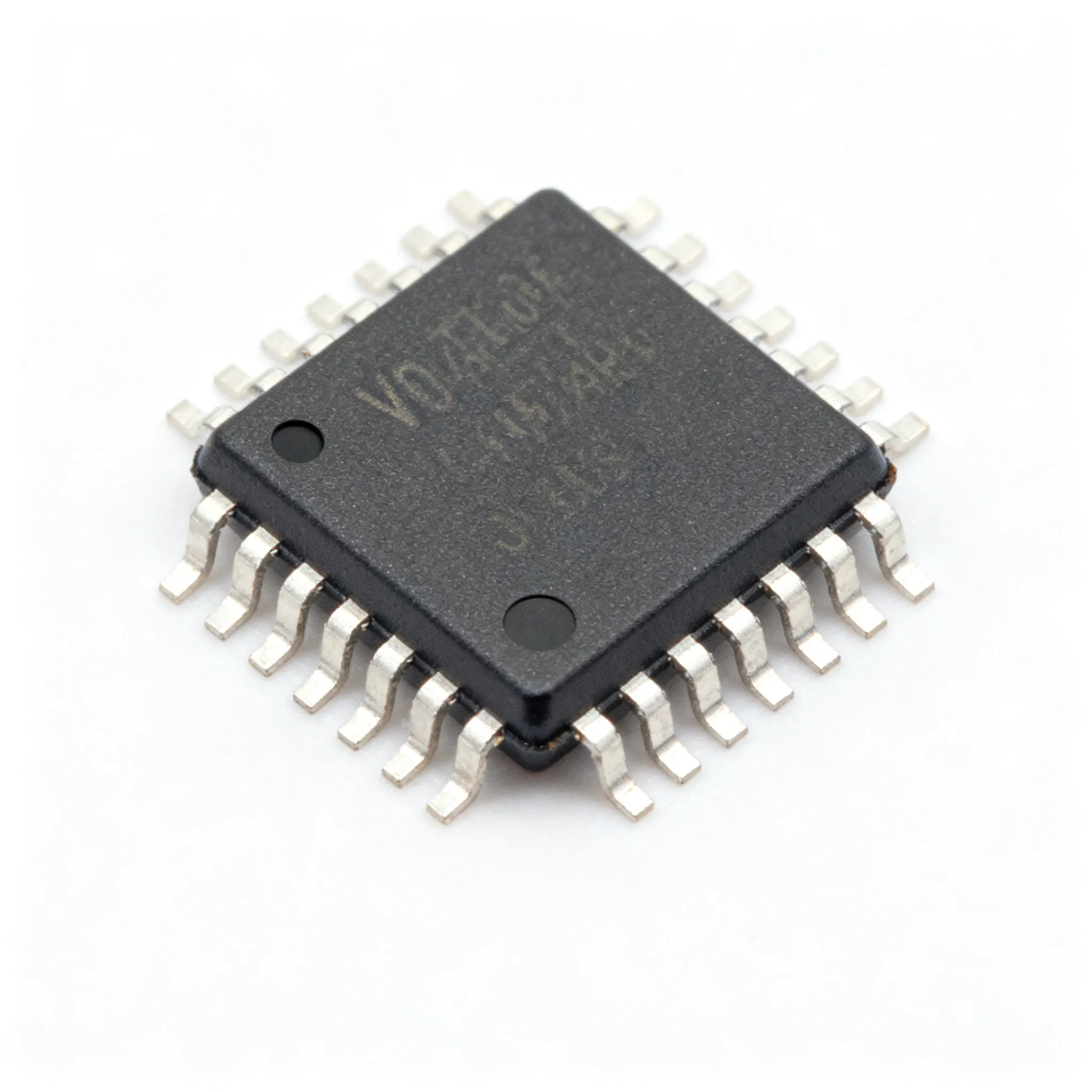
- SMT components often have specific sourcing requirements that need to be addressed with suppliers.
- Evaluation of suppliers should include their capacity to provide reliable SMT components.
Best Practices for Supplier Communication and Order Management
Effective communication with suppliers is vital for successful negotiations. Consider the following best practices:
- Establish clear communication channels and regular updates.
- Utilize formal agreements and documentation to ensure mutual understanding.
- Implement monitoring processes for order fulfillment and quality assurance.
Tools and Resources for Informed Decision Making
Utilizing the right tools can enhance decision-making in supplier negotiations:
- Platforms like Octopart provide real-time pricing and availability information for components.
- Industry standards from organizations like IPC help guide best practices in component sourcing.
- Manufacturer datasheets from sources like Texas Instruments and Analog Devices are crucial for verifying component specifications.
FAQ
What factors contribute to raw material price increases?
- Global supply chain disruptions
- Increased demand in various industries
- Economic inflation and geopolitical events
How can I effectively negotiate with suppliers during price increases?
- Research market trends and competitor pricing
- Build strong relationships with suppliers
- Be transparent about your needs and constraints
What is a BOM and why is it important?
- A BOM is a comprehensive list of materials and components needed for production.
- It helps in cost estimation and inventory management.
- Adjusting the BOM can mitigate the impact of price increases.
How do PCBA and SMT affect my negotiations?
- They determine the complexity and cost of your assembly process.
- Understanding these technologies can help in selecting cost-effective components.
- Suppliers may offer discounts for bulk orders of specific PCBA or SMT components.
What tools can assist in managing BOM and supplier negotiations?
- BOM management software and tools like Octopart.
- Industry resources from IPC and NIST.
- Datasheets from manufacturers for accurate component specifications.
How can I stay updated on market trends affecting raw material prices?
- Subscribe to industry publications and newsletters.
- Follow market analysis reports from reliable sources.
- Engage in professional networks and forums.