Identifying Common Pitfalls in MOSFET Circuit Design
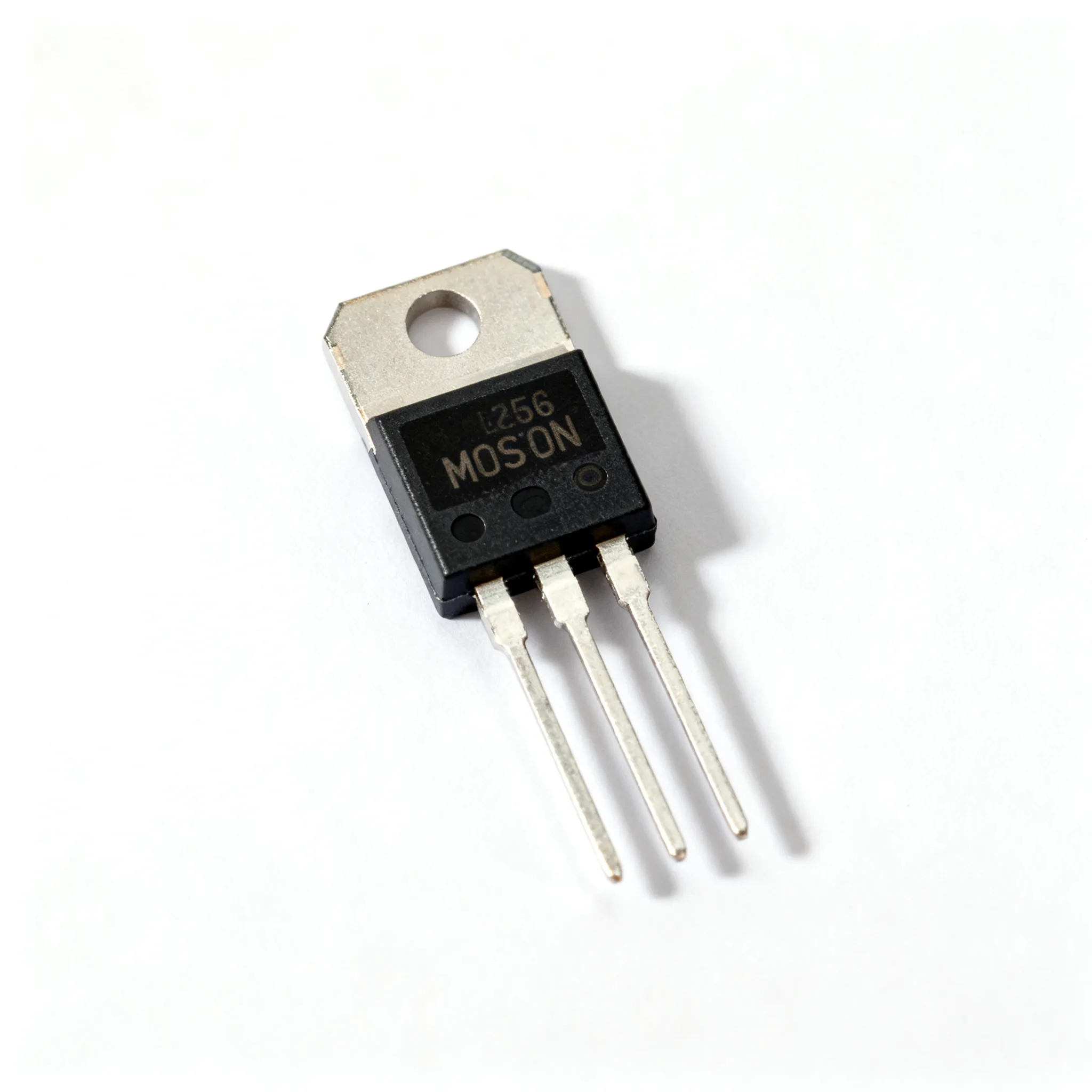
Designing circuits with Metal-Oxide-Semiconductor Field-Effect Transistors (MOSFETs) can present several challenges, especially when engineers encounter unexpected failures. These failures often stem from issues such as inadequate gate drive voltage, thermal management problems, and mismatched component specifications. Recent case studies have highlighted critical failure cases that engineers must consider to improve the reliability of their designs.
One notable case study from
AllPCB explored situations where MOSFETs overheated and smoked due to insufficient gate drive and poor thermal design. This study emphasizes the importance of ensuring that the Safe Operating Area (SOA) is respected and that the thermal design is adequate to dissipate heat efficiently. Another report on
DigiKey's TechForum discussed manufacturing defects leading to catastrophic MOSFET failures, which highlight the need for rigorous component testing and quality control in the supply chain.
Additionally,
Olukey outlined various electrical, thermal, and mechanical stresses that can lead to MOSFET failures. Understanding these failure modes and implementing preventative strategies is crucial for designing reliable power electronics systems.
Understanding MOSFET Operation and Failure Mechanisms
MOSFETs are integral components in electronic circuits, known for their efficiency in switching and amplification applications. However, their operation is subject to specific principles and failure mechanisms that engineers must understand to mitigate risks effectively.
| Parameter | Value/Range | Unit/Notes |
|---|
| Gate Threshold Voltage (Vgs(th)) | 2.0 - 4.0 | Volts |
| Drain-Source On-State Resistance (Rds(on)) | 0.02 - 0.1 | Ohms |
| Continuous Drain Current (Id) | 10 - 50 | Amperes |
| Maximum Drain-Source Voltage (Vds) | 20 - 100 | Volts |
| Power Dissipation (Pd) | 50 - 200 | Watts |
| Junction Temperature (Tj) | -55 to 150 | Degrees Celsius |
| Thermal Resistance (RthJA) | 1.0 - 2.5 | °C/W |
| Switching Frequency | 100 - 500 | kHz |
| Safe Operating Area (SOA) | Defined by Vds, Id, Pd | Graphical Representation |
| Gate Charge (Qg) | 10 - 100 | nC |
Key Takeaways
Understanding these specifications is crucial for selecting the right MOSFET for a given application. For instance, the gate threshold voltage (Vgs(th)) determines the voltage required to turn the MOSFET on, while the Rds(on) influences the conduction losses and efficiency. Engineers must ensure that the selected MOSFET can handle the maximum expected current (Id) and voltage (Vds) to prevent breakdowns.
One of the primary failure mechanisms involves thermal stress, where inadequate heat dissipation leads to overheating. This can cause the junction temperature to exceed safe limits, resulting in permanent damage. Another common issue is electrical overstress, such as exceeding the maximum drain-source voltage or current, which can lead to device breakdown.
| Application | Specification Requirement | Unit/Notes |
|---|
| Power Supplies | Low Rds(on), High Id | Efficiency & Current Handling |
| Motor Control | High Vds, Fast Switching | Voltage Tolerance, Speed |
| Signal Amplification | Low Noise, High Gain | Signal Integrity |
| Battery Management | Low Leakage, Stable Vgs(th) | Battery Life |
| LED Drivers | Stable Id, Low Heat | Thermal Management |
| RF Applications | High Frequency, Low Loss | Signal Quality |
Practical Implications
When designing circuits for specific applications, engineers must prioritize MOSFET parameters that align with the application's requirements. For example, in power supplies, a low Rds(on) is critical to minimize power loss, while in motor control, a high Vds is necessary to handle voltage spikes. Proper selection and design can significantly enhance the performance and reliability of the circuit.
Evaluating Different MOSFET Designs and Their Performance
Selecting the right MOSFET design can be challenging, given the variety of options available. Two common configurations are the enhancement-mode MOSFET and the depletion-mode MOSFET. Let's compare these designs based on key metrics.
| Comparison Metric | Enhancement-Mode MOSFET | Depletion-Mode MOSFET | Selection Criteria & Failure Boundary |
| Gate Voltage Requirement | Positive | Negative/Zero | Depends on circuit biasing needs |
| Application Flexibility | High | Moderate | Consider if circuit needs normally-off operation |
| Switching Speed | Fast | Moderate | Important for high-frequency applications |
| Cost | Moderate | Higher | Budget constraints vs. performance |
| Thermal Performance | Good | Excellent | Critical for high-power applications |
Design Considerations
Enhancement-mode MOSFETs are generally preferred for applications requiring high-speed switching and normally-off operation, such as in digital circuits. They offer good thermal performance and are cost-effective for many standard applications. On the other hand, depletion-mode MOSFETs may be suitable for analog applications where normally-on operation is required, despite their higher cost and slower switching speed.
Ensuring Compliance in MOSFET Circuit Design: Standards and Best Practices
Compliance with industry standards is essential in ensuring the reliability and safety of MOSFET circuit designs. Standards such as IPC-A-610, JEDEC, and AEC-Q100 provide guidelines for design, manufacturing, and testing processes.
| Standard | Requirement | Notes |
|---|
| IPC-A-610 | Acceptability of Electronic Assemblies | Focus on soldering quality and assembly |
| JEDEC | Standardization of Semiconductor Devices | Defines thermal and electrical parameters |
| AEC-Q100 | Stress Test Qualification for Automotive | Ensures reliability under harsh conditions |
| ERAI Traceability | Component Tracking | Prevents counterfeit components |
| IPC/JEDEC J-STD-020 | Moisture/Reflow Sensitivity | Handling and storage guidelines |
| RoHS | Restriction of Hazardous Substances | Environmental compliance |
Practical Implications
Adhering to these standards helps mitigate risks associated with component failures and ensures the longevity and reliability of electronic assemblies. For instance, IPC-A-610 ensures that solder joints are robust, reducing the risk of electrical failure. JEDEC standards help in selecting MOSFETs with appropriate thermal and electrical characteristics, while AEC-Q100 is crucial for automotive applications where reliability is paramount.
Key Considerations for Troubleshooting MOSFET Circuits
When troubleshooting MOSFET circuits, engineers must focus on common failure causes and effective testing methodologies.
- Q: What are the most common causes of MOSFET failure in circuit designs?
A: Frequent causes include inadequate gate drive, thermal stress, and mismatched specifications leading to overheating and failure.
- Q: How can I effectively test MOSFETs in my circuit?
A: Utilize both in-circuit and out-of-circuit testing methods, ensuring to follow detailed procedures from relevant datasheets.
- Q: What specifications should I prioritize when selecting a MOSFET?
A: Focus on Rds(on), Vgs thresholds, and thermal characteristics to ensure suitability for your application.
- Q: How do I mitigate thermal issues in my MOSFET designs?
A: Implement adequate heat sinking, thermal management techniques, and ensure proper layout to enhance heat dissipation.
- Q: What are the implications of using mismatched MOSFETs in a circuit?
A: Mismatched devices can lead to performance issues, increased failure rates, and potential circuit instability.
References & Further Reading
For more resources on MOSFET circuit design and troubleshooting, visit IC-Online.