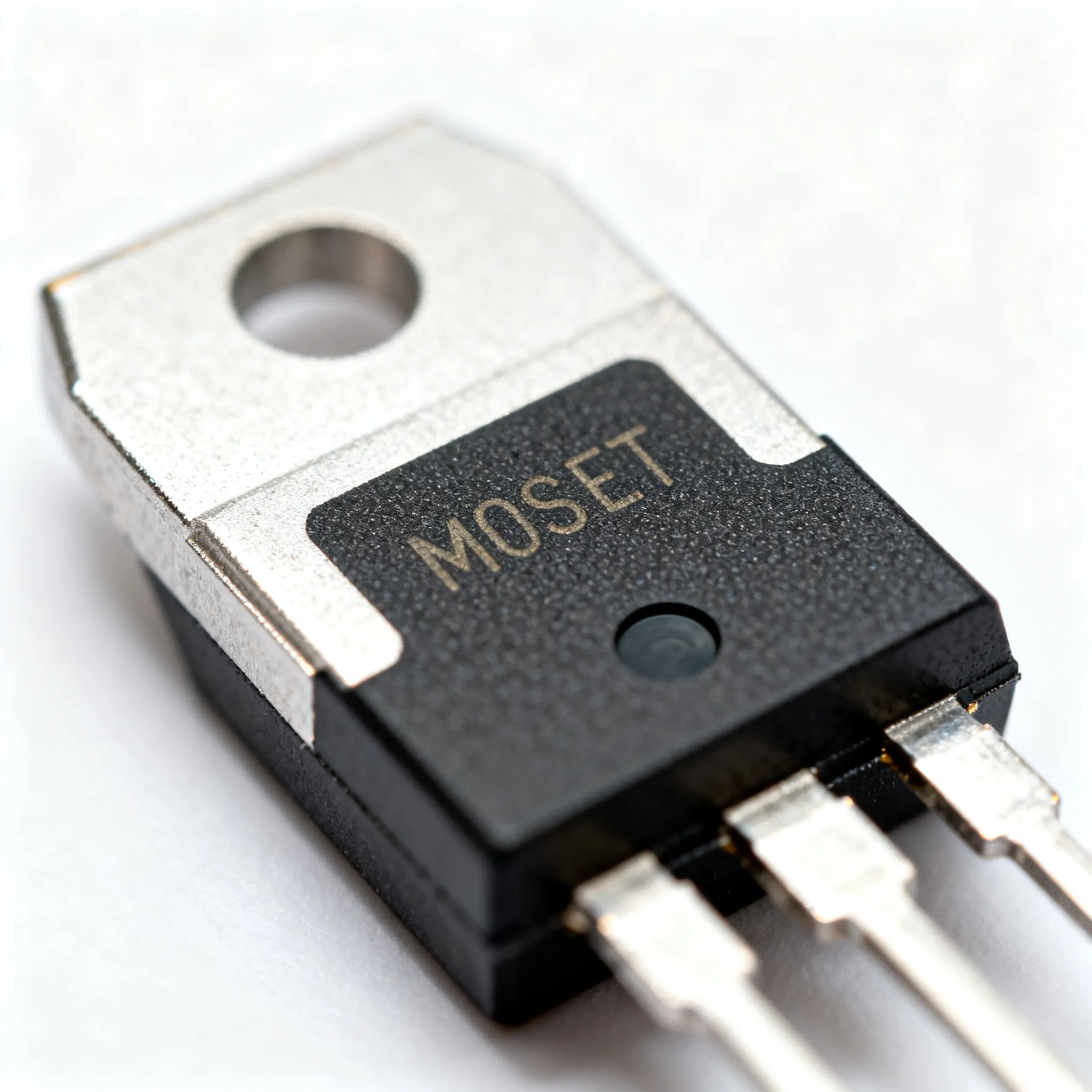
Understanding the PCBA Process: From BOM to Testing
Demystifying the PCBA Process Printed Circuit Board Assembly (PCBA) is a pivotal stage in electronics manufacturing, where various electronic com
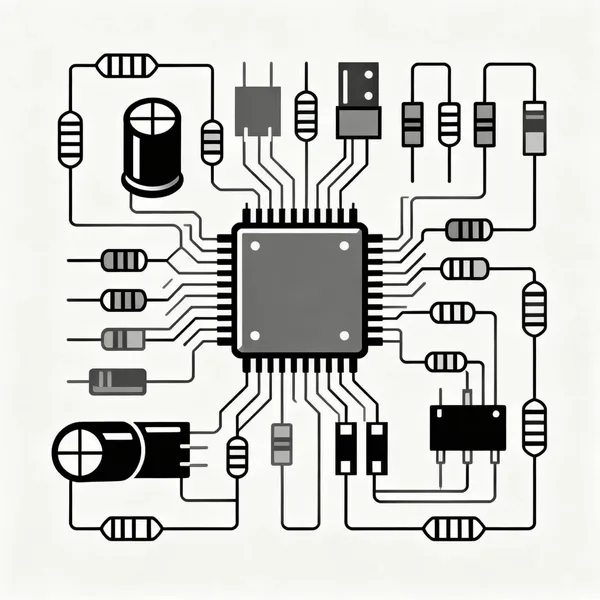
Demystifying the PCBA Process
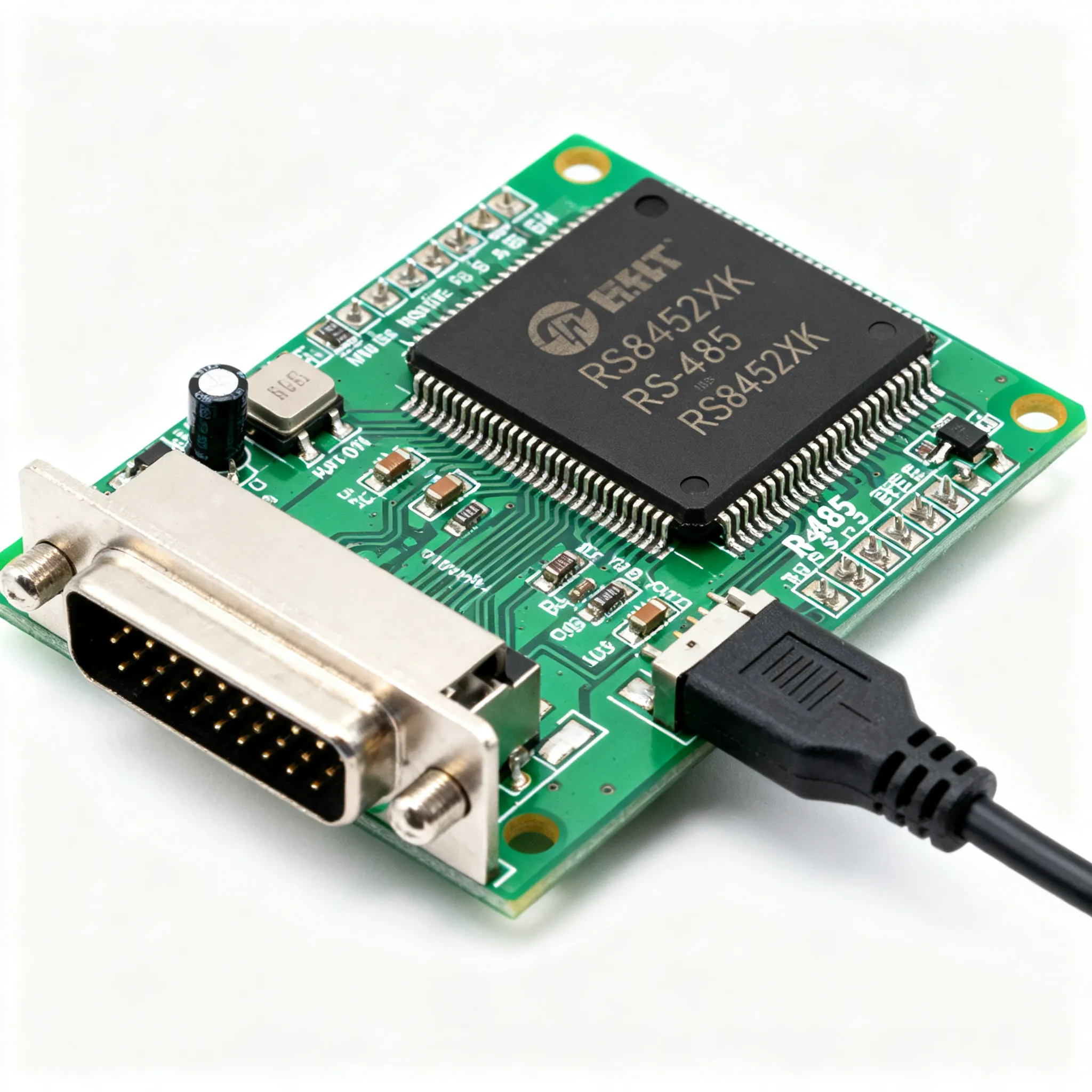
Printed Circuit Board Assembly (PCBA) is a pivotal stage in electronics manufacturing, where various electronic components are assembled onto a PCB to create a functional device. The process encompasses several steps, including component placement, soldering, and testing, all of which are crucial for ensuring the reliability and performance of the final product. Understanding the PCBA process helps manufacturers streamline production, reduce costs, and enhance product quality. In practice, teams often add nova screening as part of supplier risk control.
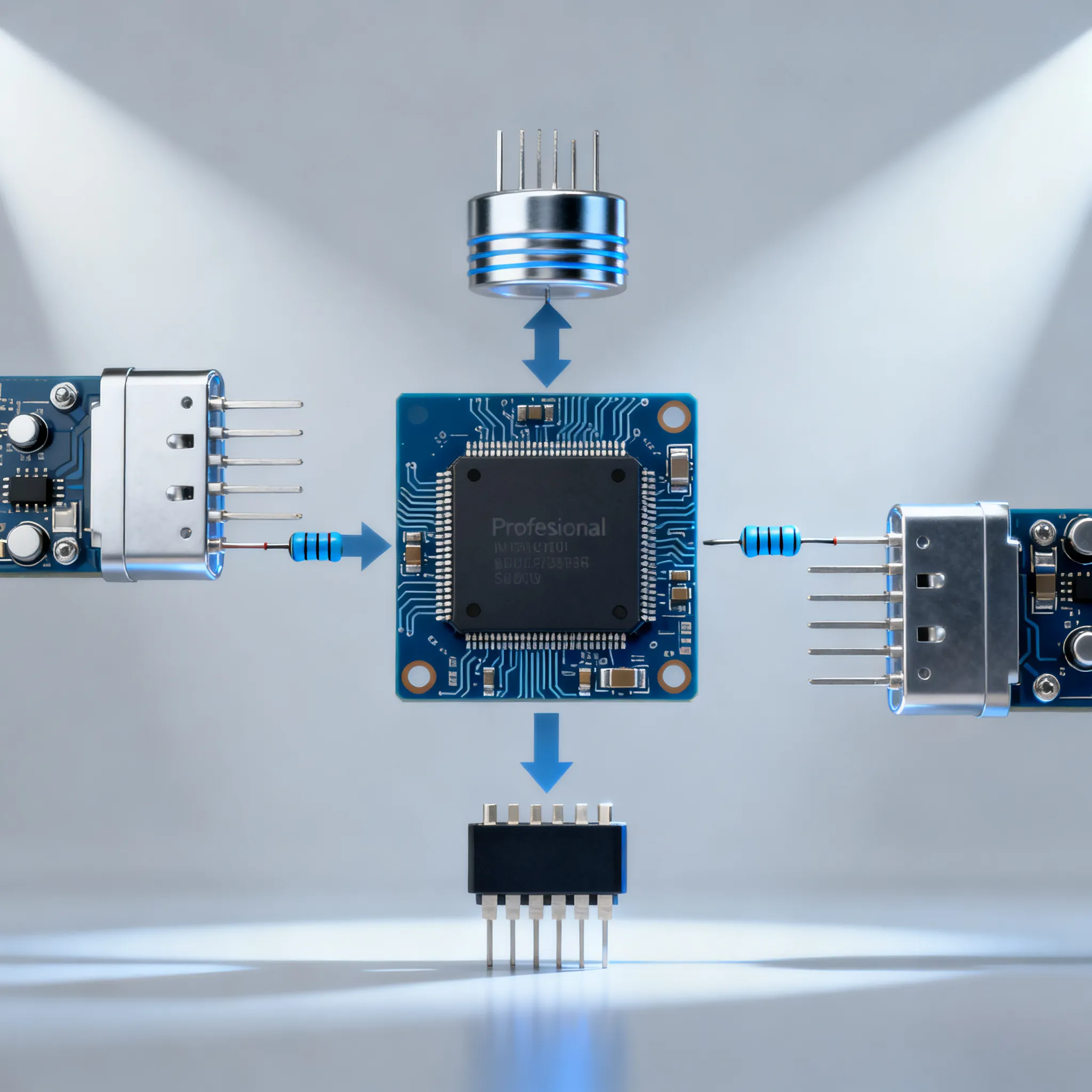
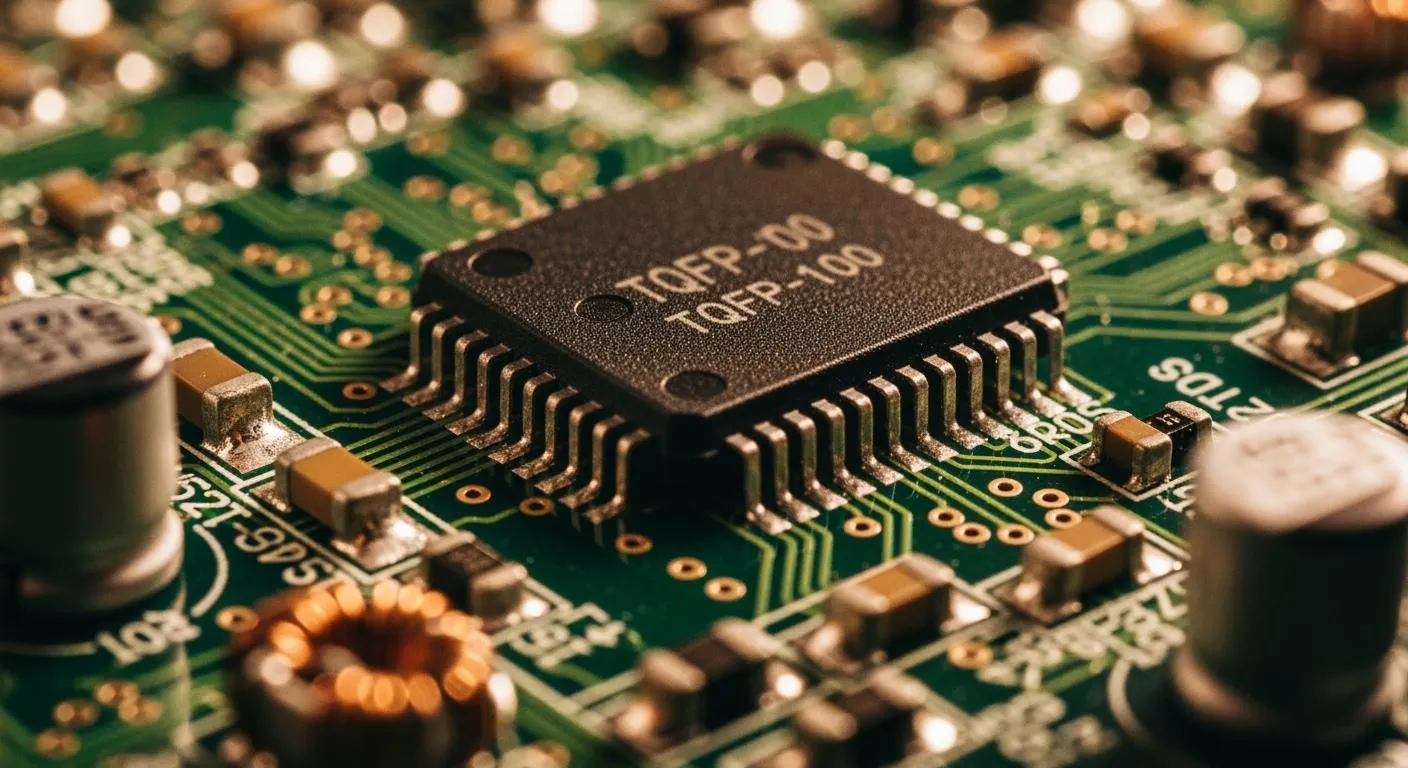
The components involved in the PCBA process range from passive elements like resistors and capacitors to active devices such as microcontrollers and integrated circuits. Each component's placement and soldering are critical, as they directly impact the overall performance of the assembly. The Bill of Materials (BOM) plays a significant role in guiding production, serving as a comprehensive list that outlines the necessary materials and components required for assembly.
The Importance of BOM in PCBA
A Bill of Materials (BOM) is an essential document in the PCBA process. It provides a detailed list of all components, their specifications, and quantities needed for production. An accurate BOM is vital for several reasons: For verification, it helps to cross-check against nova.
- It impacts cost estimations, as each component's price contributes to the overall production cost.
- A well-structured BOM aids in sourcing, ensuring that the required components are available when needed.
- It influences production timelines, as discrepancies in the BOM can lead to delays.
Best practices for creating and managing an effective BOM include regularly updating it to reflect changes in design and sourcing strategies. Additionally, maintaining communication with suppliers can mitigate risks associated with component lifecycle and availability, ensuring that the BOM remains reliable throughout the production process. For more insights on BOM management, consider exploring resources like Analog Devices search.
Testing Methods: Ensuring Quality in PCBA
Quality assurance in PCBA is paramount, and various testing methods are employed to ensure that assemblies meet the required specifications. Key testing methods include:
- Automated Optical Inspection (AOI): This method uses cameras to inspect the PCB for defects such as soldering issues or incorrect component placements. AOI is beneficial due to its speed and accuracy, allowing for early detection of potential problems.
- In-Circuit Testing (ICT): ICT checks the functionality of individual components on the PCB by applying test signals and measuring responses. This method is effective in identifying faults that may not be visible through optical inspection.
- Functional Testing (FCT): FCT evaluates the complete assembly's performance under normal operating conditions, ensuring that the end product functions as intended.
By integrating these testing methods into the PCBA workflow, manufacturers can significantly reduce the likelihood of defects and enhance overall product reliability. For further reading on these testing techniques, check out All About Circuits search.
Identifying Common Defects in PCBA
During the PCBA process, various defects can arise, impacting the quality and functionality of the final product. Common defects include:
- Solder Bridging: This occurs when solder inadvertently connects two or more pads, potentially causing short circuits.
- Missing Components: Components that are not placed on the PCB can lead to functionality issues.
- Incorrect Placements: Misaligned components can result in poor electrical connections or damage during soldering.
Recognizing and diagnosing these defects early in the production process is crucial. Implementing rigorous testing protocols and maintaining a detailed BOM can help mitigate these issues. Additionally, regular staff training on assembly techniques can enhance quality control. For more information on identifying and preventing defects, consider visiting Wikipedia search.
The Role of Testing in Defect Prevention
Testing is integral to the PCBA workflow, serving not only to identify defects but also to inform design and manufacturing improvements. By analyzing test results, engineers can pinpoint areas for enhancement, such as adjusting the design for manufacturability (DFM) or design for testability (DFT). Continuous improvement and feedback loops are essential for refining processes and reducing defect rates.
Incorporating testing methods at various stages of production can significantly improve assembly yield. For instance, understanding the sensitivity of assembly yield to footprint, polarity marking, and reflow profile assumptions can lead to more effective design choices. Resources like Electronics Tutorials search can provide additional strategies for effective testing.
Sourcing Components: Navigating Suppliers
Choosing the right suppliers for PCBA components is crucial for maintaining quality and efficiency. Suppliers like digikey and mouser offer a wide range of components, but it’s essential to evaluate them based on reliability, cost, and delivery times. Understanding the impact of sourcing decisions on the PCBA process can lead to better cost management and quality assurance.
When selecting suppliers, consider factors such as their ability to provide alternatives for critical components, their transparency regarding lifecycle management, and their policies on counterfeit components. A robust BOM can help navigate these challenges, ensuring that the right components are sourced from reputable suppliers.
People Also Ask
What is PCBA and why is it important? PCBA stands for Printed Circuit Board Assembly, a critical step in electronics manufacturing. It integrates various components onto a PCB to create a functional device.
What is a Bill of Materials (BOM)? A BOM is a comprehensive list of materials, components, and instructions needed for the assembly process. It serves as a blueprint for production and sourcing.
What are the main testing methods used in PCBA? Automated Optical Inspection (AOI), In-Circuit Testing (ICT), and Functional Testing (FCT) are the primary methods. Each method serves a unique purpose in ensuring quality and functionality.
What common defects should I look for in PCBA? Common defects include solder bridging, missing components, and incorrect placements. Identifying these early can save time and costs in the production process.
How can I prevent defects in PCBA? Implementing rigorous testing protocols and maintaining a detailed BOM can help. Regular training for staff and using quality components are also key strategies.
Where can I source components for PCBA? Suppliers like Digi-Key and Mouser offer a wide range of components. It's important to evaluate suppliers based on reliability, cost, and delivery times.
FAQ
What is PCBA and why is it important? PCBA stands for Printed Circuit Board Assembly, a critical step in electronics manufacturing. It integrates various components onto a PCB to create a functional device.
What is a Bill of Materials (BOM)? A BOM is a comprehensive list of materials, components, and instructions needed for the assembly process. It serves as a blueprint for production and sourcing.
What are the main testing methods used in PCBA? Automated Optical Inspection (AOI), In-Circuit Testing (ICT), and Functional Testing (FCT) are the primary methods. Each method serves a unique purpose in ensuring quality and functionality.
What common defects should I look for in PCBA? Common defects include solder bridging, missing components, and incorrect placements. Identifying these early can save time and costs in the production process.
How can I prevent defects in PCBA? Implementing rigorous testing protocols and maintaining a detailed BOM can help. Regular training for staff and using quality components are also key strategies.
Where can I source components for PCBA? Suppliers like Digi-Key and Mouser offer a wide range of components. It's important to evaluate suppliers based on reliability, cost, and delivery times.