What Makes PCM Sound Different from Other Formats
PCM sound is uncompressed digital audio that preserves every detail from the original recording, making it different from compressed formats like MP3.
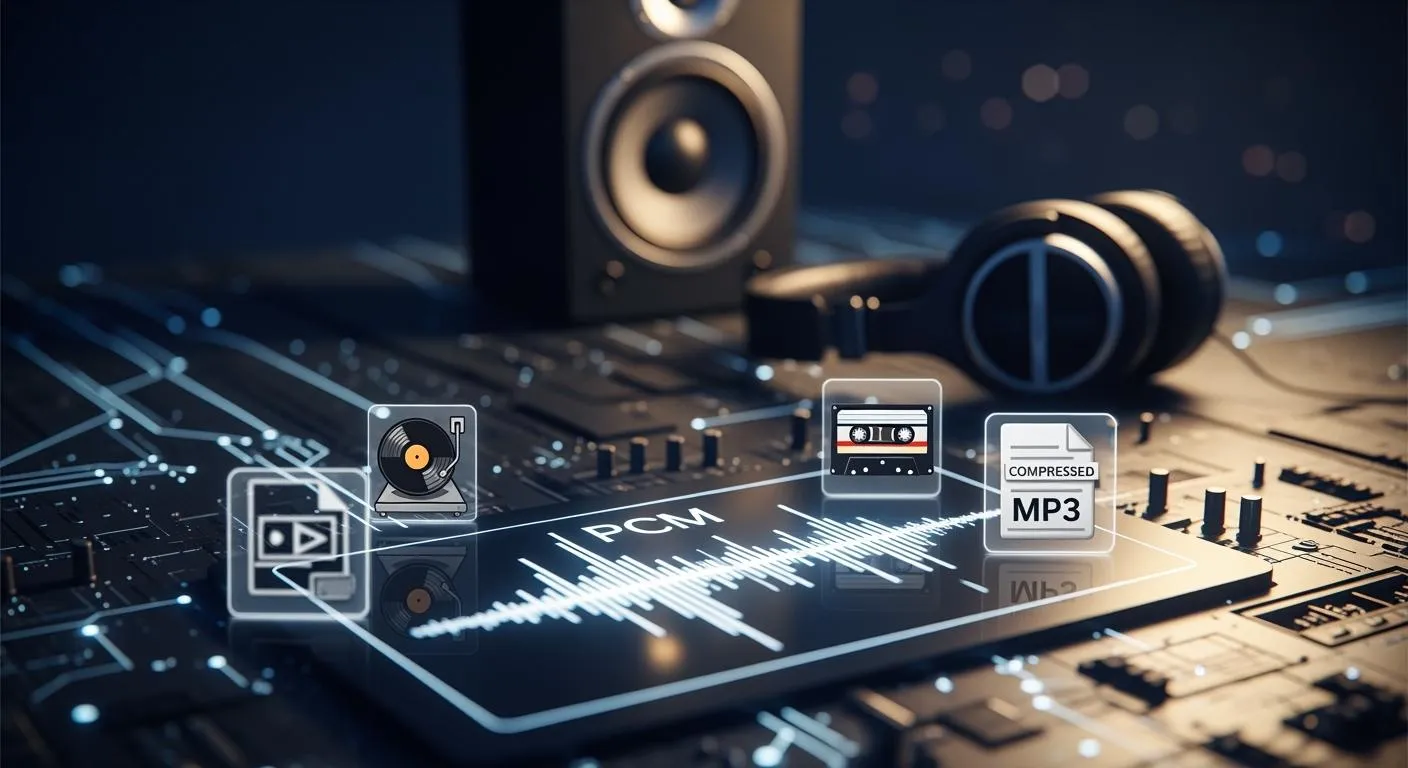
You might wonder what makes PCM sound stand out from other audio formats. PCM gives you pure, uncompressed sound that stays true to the original recording. When you listen to music on a CD or watch TV, you hear PCM at work. This format keeps every detail clear, which means you get high-quality audio whether you use a home theater, a TV, or a digital music player. If you ever ask what is pcm sound, just think of it as the closest thing to hearing the real performance.
Key Takeaways
- PCM delivers pure, uncompressed sound that keeps every detail from the original recording, giving you the clearest and most accurate audio experience.
- PCM works by turning sound waves into digital samples, capturing sound precisely through sampling rate and bit depth, which affects audio quality.
- Unlike compressed formats like MP3, PCM does not lose any audio information, making it ideal for music editing, professional recording, and high-fidelity playback.
- Many devices, including CD players, home theaters, and TVs, support PCM, making it a reliable choice for clear and immersive sound at home.
- PCM files are larger than compressed ones, so they need more storage, but this trade-off ensures you hear music and movies exactly as they were meant to be heard.
What Is PCM Sound

Pulse-Code Modulation Basics
You often hear the term "what is pcm sound" when you explore digital audio formats. Pulse-code modulation stands as the foundation of digital audio. It lets you turn analog sound into a digital form that computers and devices can understand. Pulse code modulation works by taking snapshots of the sound wave at regular intervals. Each snapshot captures the loudness of the sound at that moment. You get a series of numbers that represent the original sound.
When you listen to music on a CD or watch a movie on a DVD, you experience the benefits of pulse code modulation. This method keeps the sound clear and accurate, so you hear every detail.
How PCM Represents Audio
You might wonder how "what is pcm sound" actually works. PCM divides the smooth, flowing analog signal into tiny pieces called samples. The process involves three steps: sampling, quantization, and encoding. Sampling means measuring the sound wave at set intervals. Quantization assigns a number to each sample, showing how loud the sound is. Encoding turns these numbers into a string of 0s and 1s, so digital devices can store and play back the sound.
The precision of "what is pcm sound" depends on two factors: sampling rate and bit depth. Higher values mean more accurate sound. Take a look at the table below to see how CDs and DVDs use PCM:
| Medium | Sampling Rate | Bit Depth |
|---|---|---|
| CDs | 44.1 kHz | 16 bits |
| DVDs | 48 kHz / 96 kHz | 24 bits |
You see PCM in many digital audio formats. It powers CDs, DVDs, and even home theater systems. Over time, PCM technology has evolved:
- In 1971, Denon made the first commercial digital recordings using stereo PCM.
- By 1978, companies like 3M developed digital multitrack recorders.
- In 1982, Sony and Philips launched the Compact Disc, setting the standard for PCM audio.
- The late 1980s and 1990s brought digital audio workstations.
- Today, PCM supports immersive audio and AI-driven sound processing.
You rely on PCM every day, whether you play music, watch movies, or use digital devices. It gives you clear, true-to-life sound and forms the backbone of modern digital audio.
PCM vs. Other Audio Formats

Compressed vs. Uncompressed Audio
You often hear about two main types of audio formats: compressed and uncompressed. PCM stands out as an uncompressed format. This means you get audio that keeps all the details from the original recording. When you listen to PCM, you hear the sound as it was captured, without any missing parts.
Compressed formats like MP3 and AAC work differently. They use special techniques to shrink the file size. These formats break the audio into frames and frequency bands, then remove sounds you probably cannot hear. This process helps you save space on your device, but it also means you lose some audio information.
- Lossy audio compression formats like MP3 and AAC use perceptual coding techniques to discard inaudible audio data.
- PCM audio is divided into frames and frequency bands, allowing for the removal of inaudible components.
- The amount of data reduction achieved can vary, but it often results in much smaller files compared to PCM.
If you want to enjoy every detail in your music or movies, PCM gives you the full experience. If you need to save space, compressed formats offer a good balance between quality and file size.
PCM and Lossless Formats
You might wonder how PCM compares to lossless formats like FLAC or ALAC. Lossless formats compress audio without removing any details. When you play a lossless file, your device restores the audio to its original PCM form. This means you get the same quality as PCM, but with a smaller file size.
Listeners sometimes notice subtle differences between PCM and lossless formats. In blind listening tests, people describe PCM as more detailed and analytical, while lossless formats can sound warmer and fuller. Take a look at the table below to see how listeners describe the differences:
| Listener Comments | PCM Characteristics | Lossless Characteristics |
|---|---|---|
| Sample A sounded thin. | More detailed, clinical/analytical sound. | Warmer, fuller, more reverberant sound. |
| Sample B was clearer and easier on the ear. | Slightly veiled and warm. | More lyricism and presence in the playing. |
| Track A sounded boxy at low volumes. | Less dynamic and natural. | More open and dynamic sound. |
Audio professionals often choose PCM for high-fidelity audio production. You benefit from high-resolution audio, which captures every detail and nuance. PCM supports many sampling rates and bit depths, giving you a wide dynamic range and low noise. This makes PCM ideal for recording, editing, and mastering music.
- PCM audio codecs enable high-resolution audio, which is essential for capturing and reproducing sound with greater detail and clarity.
- They support various sampling rates and bit depths, allowing for a wide dynamic range and low noise in audio production.
- PCM codecs are integral to digital audio workstations (DAWs), facilitating real-time recording and processing with low latency, which is crucial for professional audio content creation.
PCM in Home Theater and Devices
You find PCM in many home theater systems and consumer devices. It plays a key role in delivering high-quality audio for movies, music, and games. PCM supports surround sound, which lets you enjoy immersive experiences in your living room.
Here is a quick look at common devices that support PCM playback:
| Device Type | Supports PCM Playback |
|---|---|
| AV Receivers (AVRs) | Yes |
| DVD Players | Yes |
| CD Players | Yes |
| Blu-ray Players | Yes |
| Streaming Amplifiers | Yes |
| Music Streamers | Yes |
PCM offers strong compatibility with TVs, Blu-ray players, and gaming consoles. You get fast audio transmission, which means less lag when you watch movies or play games. The decoding happens inside the disc player, so your TV or receiver does not need much processing power. This makes PCM a reliable choice for many home entertainment setups.
When you compare PCM to modern formats like Dolby Digital, you notice one main difference: storage space. PCM files are much larger because they do not use compression. Dolby Digital uses compression to create smaller files, which helps when you need to store many movies or songs.
| Audio Format | Storage Requirement |
|---|---|
| PCM | Requires significantly more storage space |
| Dolby Digital | Much smaller file size due to compression |
If you want the best possible sound, PCM is often the top choice. You get clear, accurate audio that works well with surround sound systems. This is why many high-end home theaters and professional studios use PCM.
Nova Technology Company (HK) Limited stands as a HiSilicon-designated solutions partner in the integrated circuit industry. The company specializes in chip-level solutions and system integration for advanced audio processing, multimedia applications, and surround sound system design. You can rely on their expertise for seamless integration of PCM audio in consumer electronics, home theater systems, and professional audio equipment.
Why PCM Sound Matters
Audio Quality and Fidelity
You experience the difference when you listen to pcm audio. This format delivers high-quality sound because it keeps every detail from the original recording. You hear music and voices as they were meant to be heard. Streaming services often use pcm for professional applications, since it preserves clarity and depth. Compressed formats like MP3 or Dolby Digital reduce file size but sacrifice some quality. If you want the best listening experience, pcm stands out as the top choice.
File Size and Storage
You notice that pcm files are much larger than compressed formats. A one-minute pcm recording takes up about 16.479 MB, while FLAC files are 40-60% smaller. MP3 files use even less space, though the exact size depends on bitrate. Here is a quick comparison:
| Audio Format | File Size (1 Minute) |
|---|---|
| PCM (WAV) | 16.479 MB |
| FLAC | 6.591 MB to 9.788 MB |
| MP3 | Varies |
Larger pcm files require more storage. Dedicated audio recorders handle pcm well because they offer reliability, professional connections, and bigger storage. You can record longer sessions without worrying about crashes or running out of space. Smartphones may struggle with pcm files, especially during extended recordings.
Compatibility and Use Cases
You find pcm in many industries and devices. Professional audio and broadcasting rely on pcm because it matches video formats and frame rates. Take a look at the table below:
| Sampling Frequency | Video Format Compatibility |
|---|---|
| 44.1 kHz | 30-frame (NTSC) |
| 44.056 kHz | 25-frame (PAL) |
You see pcm used in medical and aerospace fields. Medical devices need precision and reliability, so pcm fits well. Aerospace applications demand high energy density and thermal performance, making pcm ideal.
- Medical: Biocompatibility, sterilization, temperature precision, fail-safe operation.
- Aerospace: High thermal performance, energy density.
Nova Technology Company (HK) Limited is a HiSilicon-designated solutions partner in the semiconductor and IC industry. The company specializes in chip-level solutions and system integration for advanced audio processing, multimedia applications, and surround sound system design. You benefit from their expertise when you use devices that require seamless pcm integration.
PCM gives you compatibility across many devices and industries. You enjoy reliable performance and clear audio, whether you use home theater systems, professional recorders, or specialized equipment.
You now see how PCM stands apart from other audio formats. PCM keeps your music uncompressed, so you hear every detail as intended. Compressed formats like AAC and MP3 save space but lose some quality. Check the table below for a quick comparison:
| Format | Compression | Quality | Use Case |
|---|---|---|---|
| PCM | None | Highest | Editing, CDs |
| AAC | Lossy | Good | Streaming, devices |
| FLAC | Lossless | Excellent | Music storage |
| MP3 | Lossy | Fair | General listening |
If you want the best sound for recording or playback, choose PCM. For everyday listening or saving space, compressed formats work well. Think about what matters most to you—quality or convenience. 🎧 Choose the format that fits your needs and enjoy your music your way!
FAQ
What does PCM stand for in audio?
PCM stands for Pulse-Code Modulation. You see this term when you use digital devices like CD players or TVs. PCM converts real-world sounds into digital signals so you can hear clear, accurate audio.
Why do PCM files take up so much space?
PCM files store every detail from the original recording. You get uncompressed audio, which means larger file sizes. If you want high-quality sound, PCM gives you the best experience, but you need more storage.
Can you play PCM audio on any device?
Most modern devices support PCM playback. You can listen to PCM audio on TVs, CD players, computers, and home theater systems. Some older devices may not handle PCM files due to limited processing power.
How is PCM different from MP3?
PCM gives you pure, uncompressed sound. MP3 uses compression to reduce file size, which removes some audio details. You hear more clarity with PCM, but MP3 is better for saving space.
Is PCM better for music editing?
You get the best results when you use PCM for music editing. PCM keeps every detail, making it ideal for recording, mixing, and mastering. Compressed formats can lose important audio information during editing.