Why an insulating material used to separate metal surfaces in a capacitor matters.
The dielectric defines the performance of every capacitor. This insulating material used to separate metal surfaces in a cap
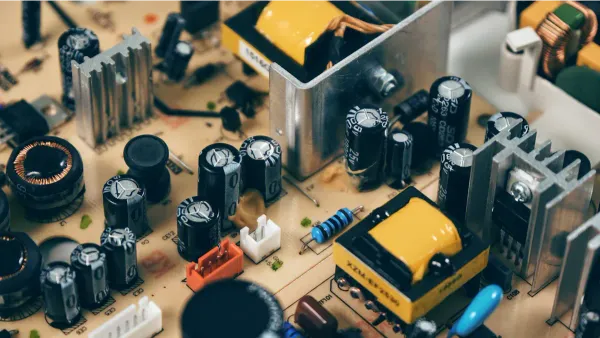
The dielectric defines the performance of every capacitor. This insulating material used to separate metal surfaces in a capacitor is not a passive spacer. The dielectric is an active participant. This special dielectric material dictates a capacitor's energy storage capacity. The choice of dielectric also sets the voltage limit and efficiency for a capacitor. The right dielectric makes a capacitor perfect for its job.
Did You Know? 💡 The global market for capacitors is growing rapidly, showing how vital each capacitor is in modern electronics. The right capacitor choice impacts entire industries.
Metric Value Market Size in 2024 USD 21.3 Billion Market Size in 2034 USD 42.6 Billion
This single material choice transforms a simple capacitor. How does the dielectric turn a basic capacitor into a specialized component for everything from power supplies to precision audio?
Key Takeaways
- The dielectric material in a capacitor is very important. It helps the capacitor store more energy.
- This material also sets the highest voltage a capacitor can safely handle. Going over this limit can break the capacitor.
- The dielectric affects how well a capacitor works. It helps the capacitor store and release energy without much loss.
- Different types of dielectric materials are used for different jobs. This helps engineers choose the best capacitor for each electronic device.
Boosting Energy Storage: The Role of an Insulating Material Used to Separate Metal Surfaces in a Capacitor
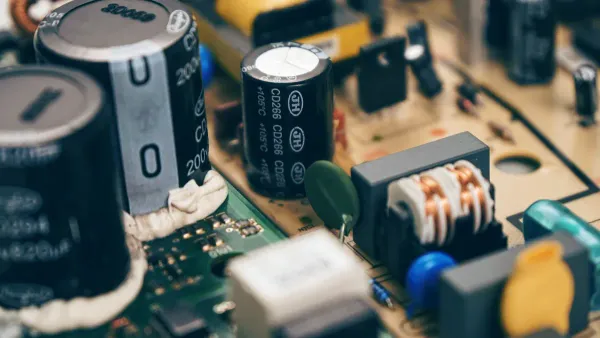
A capacitor's primary job is energy storage. The insulating material used to separate metal surfaces in a capacitor is the key to maximizing this capability. This material, the dielectric, does more than just prevent the plates of a parallel plate capacitor from touching. The dielectric actively increases the amount of energy a capacitor can hold. This boost in energy storage is a fundamental principle in capacitor design. The choice of dielectric directly impacts the specific capacitance of the device.
The Dielectric Constant (K) Explained
The dielectric constant is a simple multiplier. It tells you how much more charge a capacitor can store with a specific dielectric compared to a vacuum. A vacuum has a dielectric constant of 1. Every material has a dielectric constant greater than 1. This value is also known as relative permittivity (εr). Older texts often used the term dielectric constant, and it remains common today. The capacitance of a parallel plate capacitor is directly tied to this value.
Different materials have vastly different dielectric constant values. This property allows engineers to design capacitors for specific needs.
- Polymer Films: Materials like polypropylene have a low dielectric constant, often around 2.2.
- Mica: This stable material has a higher dielectric constant, typically averaging 8.1.
- Ceramics: Certain ferroelectric ceramics possess an extremely high dielectric constant, sometimes reaching into the thousands (1,000 to 100,000).
A higher dielectric constant means more energy storage in the same physical space. This is crucial for creating compact and efficient capacitors. The specific capacitance of a parallel plate capacitor increases with a higher dielectric constant.
The Mechanism of Molecular Polarization
An electric field from the capacitor plates affects the dielectric. The field causes the molecules inside the dielectric to align, a process called polarization. Even in materials without permanent molecular dipoles, the electric field can create temporary ones. There are three main types of polarization:
- Electronic Polarization: The electric field shifts an atom's electron cloud relative to its nucleus. This happens in all insulating materials.
- Ionic Polarization: In materials with ions (like salts), the field displaces positive and negative ions in opposite directions.
- Orientational Polarization: In materials with permanent dipoles (like water), the field rotates these dipoles to align with it.
This alignment of dipoles within the dielectric creates an internal electric field. This internal field opposes the main field from the capacitor plates. As a result, the plates "appear" closer together, which dramatically increases the capacitance of a parallel plate capacitor. This effect is a key differentiator from the energy storage mechanism in supercapacitors. While supercapacitors achieve high specific capacitance through surface area, a standard capacitor relies on its dielectric. The energy storage in a parallel plate capacitor is enhanced by this polarization.
The Result: Higher Capacitance
Molecular polarization directly leads to higher capacitance. The internal electric field from the aligned dielectric molecules reduces the overall voltage between the plates for a given amount of charge. This allows the capacitor to store more charge at the same voltage. The relationship is straightforward.
The formula for this effect is:
C = κ * C₀Where:
- C is the final capacitance with the dielectric.
- κ (kappa) is the dielectric constant of the material.
- C₀ is the original capacitance in a vacuum.
This equation shows that the capacitance of a parallel plate capacitor is multiplied by the dielectric constant. For example, barium titanate is a ceramic with a dielectric constant of about 3,000. A parallel plate capacitor using it would have 3,000 times more capacitance than an identical one with a vacuum. This massive increase in specific capacitance is why the insulating material used to separate metal surfaces in a capacitor is so important. It transforms a simple parallel plate capacitor into a powerful energy storage component. This principle is distinct from the high-power delivery of supercapacitors. The dielectric constant is the defining factor for the capacitance of a parallel plate capacitor.
The energy storage density of these capacitors is impressive, though different from the goals of supercapacitors. The specific capacitance of a parallel plate capacitor is a direct result of its dielectric constant. This is why a tiny ceramic capacitor can have the same capacitance as a much larger film capacitor. The dielectric constant makes all the difference in the capacitance of a parallel plate capacitor. While supercapacitors focus on rapid charge/discharge cycles, traditional capacitors use the dielectric to optimize for specific applications. The energy storage in a capacitor is a function of its dielectric. The dielectric constant is a critical parameter. The design of a parallel plate capacitor hinges on its dielectric. The capacitance of a parallel plate capacitor is a direct outcome of this choice, a concept that does not apply to supercapacitors in the same way. The energy storage potential of a capacitor is unlocked by its dielectric. Supercapacitors offer another path to high capacitance. However, for a conventional capacitor, the dielectric constant is paramount. Supercapacitors have their own unique structure. The capacitance of a parallel plate capacitor is a testament to material science, a field that also advances supercapacitors. The specific capacitance of supercapacitors is a different topic.
Setting the Maximum Voltage of a Capacitor
The dielectric in a capacitor does more than boost capacitance. It also sets a critical safety limit: the maximum voltage the device can handle. This voltage rating is not an arbitrary number. It is a direct consequence of the dielectric material's properties. Exceeding this limit can lead to component failure. Understanding this limit is essential for designing safe and reliable electronic circuits. The voltage limit of a parallel plate capacitor is a fundamental design parameter. This is a different consideration from the energy density goals of supercapacitors.
Understanding Dielectric Strength
Every insulating material has a breaking point. Dielectric strength measures the maximum electric field a dielectric can withstand before it breaks down and starts to conduct electricity. A higher dielectric strength means the material can handle a higher voltage across a given thickness. This property is intrinsic to the dielectric itself. The design of a parallel plate capacitor depends heavily on this value.
Key Concept: Dielectric strength is measured in volts per unit of thickness, often megavolts per meter (MV/m) or kilovolts per millimeter (kV/mm).
Different materials exhibit vastly different dielectric strengths. This allows engineers to select the right dielectric for a specific voltage application. The choice of dielectric is crucial for a parallel plate capacitor.
| Material | Dielectric Strength (MV/m) |
|---|---|
| Alumina (Al₂O₃) | 13.4 |
| Window Glass | 9.8–13.8 |
| Borosilicate Glass | 20–40 |
| PTFE (Teflon, insulating film) | 60–173 |
The thickness of the dielectric also plays a major role. A thicker dielectric generally results in a higher overall breakdown voltage for the capacitor. However, the relationship is not linear. The electrical breakdown strength (the dielectric strength value) often decreases as the material gets thicker. Several factors influence the final breakdown voltage of a parallel plate capacitor:
- Material composition and purity
- Thickness of the dielectric sheet
- Environmental conditions like temperature and humidity
- Presence of contaminants or defects
Engineers must balance these factors to create a reliable capacitor. The dielectric in a parallel plate capacitor is carefully chosen. This is unlike the charge storage mechanism in supercapacitors. The dielectric strength of a parallel plate capacitor is a key specification. The design of supercapacitors focuses on other metrics. A parallel plate capacitor relies on its dielectric. The role of the dielectric in a parallel plate capacitor is multifaceted. Supercapacitors have a different structure. The dielectric in a parallel plate capacitor is vital. Supercapacitors use an electrolyte. A parallel plate capacitor needs a solid dielectric. Supercapacitors are designed for high power.
The Consequences of Dielectric Breakdown
When the voltage across a capacitor exceeds its dielectric strength, dielectric breakdown occurs. The insulating material used to separate metal surfaces in a capacitor permanently loses its insulating properties. It becomes a conductor. This creates a short circuit between the capacitor plates. A sudden, high-current surge flows through the dielectric, causing catastrophic failure.
This failure is often visible and destructive. The intense heat from the current surge can cause several physical signs:
- Bulging or cracking of the capacitor casing
- Discoloration or burn marks
- Smoke or a distinct burning smell
A failed capacitor can damage other components in the circuit or cause the entire system to fail. This makes understanding and respecting the voltage rating of a capacitor critical for safety and reliability. The failure of a single parallel plate capacitor can have wide-ranging effects. The dielectric breakdown is a permanent failure. This is a risk that designers of systems using supercapacitors also manage, though the failure modes can differ. The integrity of the dielectric is paramount for any capacitor.
Why Voltage Rating is a Critical Factor
The voltage rating on a capacitor is the manufacturer's guarantee of the maximum DC voltage it can safely handle continuously. However, good engineering practice involves using a safety margin. Engineers rarely operate capacitors at their maximum rated voltage. This practice is called derating. Derating extends the life and improves the reliability of capacitors.
Industry standards recommend operating a capacitor at a percentage of its rated voltage. The exact percentage depends on the capacitor type and application.
| Capacitor Type | Recommended Operating Voltage (% of Rated) | Key Reason |
|---|---|---|
| Ceramic | 50–70% | Accounts for DC bias effects and transient spikes |
| Tantalum | 50–70% | Prevents thermal runaway and failure |
| Electrolytic | 70–80% | Controls electrolyte evaporation and extends life |
Operating a capacitor within these derated limits protects it from unexpected voltage spikes and slows down aging mechanisms. For mission-critical applications, the derating can be even more conservative. This careful management of voltage ensures the dielectric performs its job for the intended lifespan of the product. This principle applies to all capacitors, though the specific concerns for supercapacitors relate more to their unique chemistry and construction. The reliability of supercapacitors is also a major design consideration. The voltage rating of a standard capacitor is a hard limit defined by its dielectric. The world of supercapacitors has its own set of operating rules.
Impact on Capacitor Efficiency and Stability
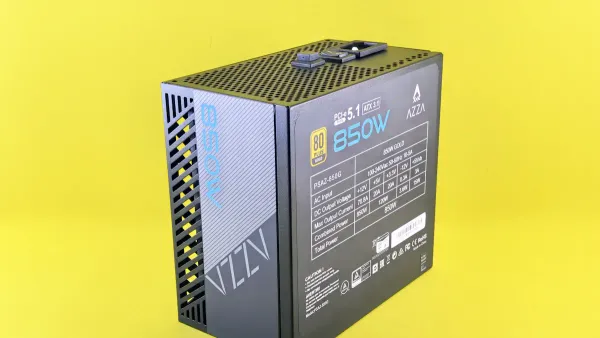
The choice of dielectric material directly controls a capacitor's efficiency and stability. An ideal capacitor would store and release energy without any loss. Real-world capacitors, however, always lose some energy, mostly as heat. The properties of the dielectric are the primary reason for this behavior. This section explores how the dielectric affects efficiency, high-frequency performance, and stability under changing temperatures.
Dielectric Loss and Dissipation Factor
Every time a capacitor charges and discharges, the dielectric material consumes a small amount of energy. This phenomenon is called dielectric loss. The constant realignment of molecules within the dielectric generates friction and heat. This parasitic effect reduces the efficiency of the capacitor. A material's ability to convert electric field energy into heat is a key measure of its dielectric loss.
Did you know? 🧐 In power supplies, this heat generation is a major concern. Higher permittivity in a dielectric can lead to more heat unless its loss is near zero. This heat can reduce the reliability and lifespan of the entire circuit. The efficiency of a parallel plate capacitor is tied to its dielectric.
Engineers measure this inefficiency using the dissipation factor (DF). A lower DF means a more efficient capacitor. The dielectric in a parallel plate capacitor is chosen to minimize this loss for specific applications.
Performance at High Frequencies
A capacitor's performance changes with the frequency of the electrical signal. This is largely due to its Equivalent Series Resistance (ESR). ESR is an internal resistance that causes energy loss. The dielectric is a major contributor to ESR, especially at lower frequencies.
- Low Frequencies: Dielectric loss from polarization delay is the main source of ESR.
- High Frequencies: The resistance of the metal plates and other factors become more significant.
Different capacitors behave differently at high frequencies. Ceramic capacitors have a very low ESR. This makes them excellent for high-frequency tasks like filtering noise in digital circuits. Electrolytic capacitors have a higher ESR, making them less suitable for these roles. The dielectric in a capacitor dictates its high-frequency capability. The design of a parallel plate capacitor must account for this.
Temperature and Capacitance Stability
Temperature changes can significantly alter a capacitor's performance. The dielectric material expands, contracts, or changes its properties with temperature, affecting capacitance. The stability of a parallel plate capacitor depends on its dielectric.
| Capacitor Type | Temperature Stability |
|---|---|
| NPO Ceramic | Extremely stable, capacitance changes very little. |
| X7R Ceramic | Less stable, capacitance can change by ±15%. |
| Electrolytic | Poor stability, performance degrades in cold and heat. |
For aluminum electrolytic capacitors, the effect is severe. A 10°C increase in temperature can cut the capacitor's lifespan in half. Low temperatures also hurt performance, as the dielectric thickens and resistance increases. The choice of dielectric is therefore critical for any capacitor intended for environments with fluctuating temperatures. A stable dielectric ensures a reliable capacitor.
Common Dielectrics and Their Applications
The insulating material, or dielectric, inside a capacitor defines its job. Engineers choose a specific dielectric to get the right balance of size, cost, and performance. This choice creates specialized capacitors for everything from tiny gadgets to large power systems. The energy density of a capacitor is a direct result of this material choice.
Ceramics: For High-Frequency Filtering
Ceramic capacitors are extremely common in modern electronics. Their small size and low cost make them a popular choice. The ceramic dielectric allows for good energy density. However, not all ceramic capacitors are the same. They are split into two main classes. Selecting the right capacitor is vital, and partners like Nova Technology Company (HK) Limited, a HiSilicon-designated solutions partner, help engineers source these components for advanced designs.
- Class 1 capacitors offer high stability and low loss. They are ideal for precision circuits like timers and oscillators where performance must not change with temperature. Their energy density is lower.
- Class 2 capacitors provide much higher capacitance in the same volume. This makes them perfect for general-purpose roles like bypassing and decoupling, where absolute precision is less critical. This capacitor type contrasts with supercapacitors, which are built for high power density.
Electrolytics: For Bulk Power Storage
Aluminum electrolytic capacitors are the workhorses for bulk energy storage. Their dielectric is an ultra-thin layer of aluminum oxide. This design achieves a very high energy density for a low cost. These capacitors are essential in power supplies.
Their primary uses include:
- Input filtering to smooth out incoming power.
- Energy storage for circuitry with wide voltage ranges.
- Output filtering to provide a stable, low-ripple voltage.
The main trade-off is that this capacitor type is polarized. Connecting it backward will destroy the dielectric and the capacitor. Their performance is also less stable than other types, a different goal from the high power density of supercapacitors. This capacitor is not like supercapacitors.
Film Types: For Stability and Audio
Film capacitors use a thin plastic film as their dielectric. Materials like polypropylene offer excellent stability and very low electrical loss. This makes them a top choice for high-quality audio circuits, such as crossover networks. Their stable dielectric ensures a clean signal path. The trade-off is size. A film capacitor is physically larger than a ceramic capacitor with the same capacitance, offering a different energy density profile. This capacitor focuses on quality over raw energy storage, unlike supercapacitors which target high power density. The energy storage in this capacitor is very efficient.
Tantalum: For High Capacitance Density
Tantalum capacitors offer a unique blend of features. They provide a very high energy density, packing a lot of capacitance into a tiny package. This makes them ideal for space-constrained applications. The tantalum dielectric is also very stable over time and temperature. This capacitor offers better performance than aluminum electrolytic capacitors but at a higher cost. The energy storage capability of this capacitor is impressive for its size.
| Feature | Tantalum Capacitors | Aluminum Electrolytic Capacitors |
|---|---|---|
| Size | High capacitance in a compact size. | Generally larger for the same capacitance. |
| Stability | Excellent stability over time and temperature. | Less stable; performance changes with temperature. |
This high energy density makes this capacitor a great choice, though supercapacitors offer even higher energy density. The energy storage in this capacitor is reliable. Supercapacitors have a different energy storage mechanism. The power density of supercapacitors is their main advantage. The energy density of a tantalum capacitor is excellent. Supercapacitors are different from this capacitor. Supercapacitors are not a direct replacement for this capacitor. Supercapacitors have lower energy density than batteries.
Beyond Traditional Capacitors: The Rise of Supercapacitors
The world of energy storage extends beyond the traditional capacitor. Supercapacitors represent a different approach to storing electrical energy. While a standard capacitor uses a solid dielectric, supercapacitors use a mechanism called an electric double-layer. This design gives them an extremely high power density, allowing them to charge and discharge very quickly. Their unique structure makes them ideal for applications requiring rapid bursts of power.
What Makes Supercapacitors Different
Supercapacitors do not store energy in a solid dielectric. Instead, they use an electrochemical double layer. This process involves the physical adsorption of electrolyte ions onto the surface of porous electrodes. These electrodes have a massive surface area, which is key to their energy storage capability. This method creates an extremely small charge separation distance, boosting capacitance. The result is a capacitor with incredible power density.
However, this design comes with a trade-off in energy density. Supercapacitors store less energy for their size compared to batteries. This difference in energy density is a critical factor in their application.
| Device | Specific Energy Density (Wh/kg) |
|---|---|
| Supercapacitors | 10–100 |
| Lithium-ion Batteries | 150–200 |
This lower energy density means supercapacitors are not ideal for long-term energy storage. Their strength lies in delivering high power density. Hybrid supercapacitors aim to bridge this gap, offering a balance of high energy density and high power density.
The Role of the Electrolyte and Separator
Inside supercapacitors, the electrolyte and separator take the place of a traditional dielectric. The electrolyte contains mobile ions that form the double layer on the electrodes. The separator is a thin, porous membrane that acts as a gatekeeper.
Its primary functions are to:
- Prevent a short circuit by keeping the electrodes from touching.
- Allow ions from the electrolyte to pass through freely.
Common materials for these components vary widely.
- Electrolytes: These can be organic, aqueous, or based on ionic liquids.
- Separators: Materials like cellulose, polyolefins, and nonwoven fabrics are often used.
The interaction between these parts is crucial for supercapacitor performance. The right combination ensures efficient energy storage and delivery. This is a different approach to energy storage than a standard capacitor.
Applications in High-Power Energy Storage
The high power density of supercapacitors makes them perfect for specific jobs. They excel where quick energy capture and release are needed. One major application is in regenerative braking systems for electric vehicles. Supercapacitors can absorb the large surge of energy created during braking far more effectively than batteries. This captured energy can then be reused, improving overall efficiency.
They also provide critical backup power. Their fast response time is essential for protecting volatile memory.
Supercapacitors are an excellent choice for providing backup power to SDRAM. They protect memory from large voltage drops and provide backup power in battery-powered devices during disconnections.
These applications highlight the unique value of supercapacitors. While they may not have the high energy density of batteries, their high power density and rapid energy storage capabilities make them an indispensable capacitor technology. Many modern systems use both capacitors and supercapacitors to achieve optimal energy storage. The future may see more use of hybrid supercapacitors, which combine high energy density with high power density.
The insulating material used to separate metal surfaces in a capacitor is its most important part. This dielectric defines the performance of every capacitor. The dielectric boosts energy storage. It also sets the voltage limit for a capacitor. The dielectric controls the efficiency of energy storage.
- The dielectric is the core engineering choice for a capacitor.
- This choice defines the function of the capacitor.
- It matches the capacitor to its specific job in electronics.
Understanding the dielectric is key to selecting the right capacitor. This knowledge helps engineers choose the best capacitors for any project. Proper capacitor selection ensures reliable energy storage.
FAQ
What is the most important part of a capacitor?
The dielectric is the most important part of a capacitor. This material separates the metal plates. It also determines how much energy the capacitor can store. The dielectric sets the voltage the capacitor can handle.
Can a capacitor work without a dielectric?
A capacitor can use a vacuum or air as a dielectric. However, a solid dielectric material greatly increases the energy storage of the capacitor. The material choice defines the capacitor's performance and application.
Why do different capacitors have different shapes and sizes?
The dielectric material inside a capacitor dictates its size. A capacitor with a high dielectric constant can be very small. A film capacitor uses a different material, making that capacitor physically larger for the same capacitance.