Understanding Faulty Camshaft Sensor Symptoms and Their Link to Engine Electronics
Faulty camshaft sensor symptoms include rough idle, engine stalls, and poor starting, all linked to electronic hardware and ECM signal issues.
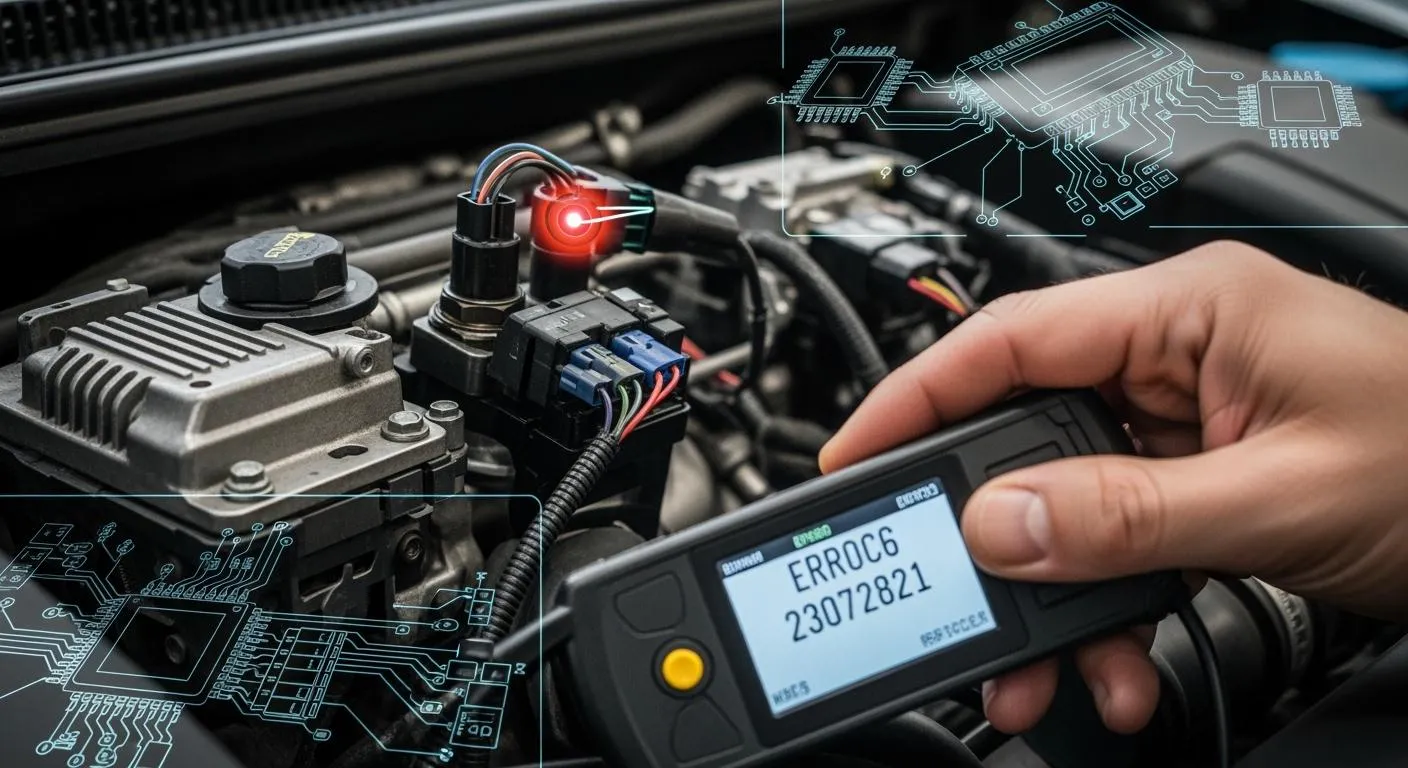
You turn the key and notice the check engine light flicker on your dashboard. That moment of uncertainty can signal issues with your car’s electronics. Faulty camshaft sensor symptoms often show up as trouble starting, rough idling, or unexpected engine stalls. Modern vehicles frequently display diagnostic codes like P0335 and P0336 when the sensor malfunctions:
| Code | Description |
|---|---|
| P0335 | Crankshaft Position Sensor “A” Circuit Malfunction |
| P0336 | Crankshaft Position Sensor “A” Circuit Range/Performance |
| P0337 | Crankshaft Position Sensor “A” Circuit Low Input |
| P0338 | Crankshaft Position Sensor “A” Circuit High Input |
| P0339 | Crankshaft Position Sensor “A” Circuit Intermittent |
Recognizing these signs early helps you protect your engine and prevent bigger electronic failures.
Key Takeaways
- Recognize faulty camshaft sensor symptoms early to protect your engine and avoid costly repairs.
- Common signs include a check engine light, engine stalling, rough idling, and poor fuel efficiency.
- Regular maintenance and inspections can help prevent sensor failure and keep your engine running smoothly.
- Use basic diagnostic steps like visual inspections and OBD-II scanning to identify camshaft sensor issues.
- Seek professional help if problems persist after basic checks to ensure reliable vehicle performance.
What Is a Camshaft Position Sensor?

You rely on the camshaft position sensor every time you start your car. This small but vital device sits near the camshaft and tracks its position and rotational speed. Modern engines depend on the camshaft position sensor to deliver precise information to the engine control module. Without accurate readings, your engine cannot perform at its best.
Role in Engine Management
The camshaft position sensor plays a central role in engine management. You benefit from its ability to:
- Monitor the position and speed of the camshaft.
- Help the engine control module optimize performance.
- Provide data for ignition timing and fuel injection.
- Improve fuel efficiency and reduce emissions.
When the camshaft position sensor works correctly, your engine runs smoothly. It prevents misfires and ensures proper combustion. You notice better power and lower fuel consumption. The sensor’s data allows the engine control module to command spark and fuel delivery at the right moment. This process maximizes engine performance and keeps your vehicle reliable.
Connection to Engine Electronics
The camshaft position sensor communicates directly with the engine control module. You see the results in how your car responds to acceleration and idling. The engine control module uses signals from both the crankshaft and camshaft position sensors to regulate timing. If these signals fall out of sync, the engine struggles to calculate fuel delivery and ignition timing. You may experience rough idling or trouble starting.
Accurate camshaft position sensor data is critical for fuel injection and ignition timing. The sensor tracks the camshaft’s position relative to the crankshaft. This information lets the engine control module adjust valve timing and optimize combustion. You avoid engine damage and enjoy smooth operation.
Advancements in camshaft position sensor technology have improved reliability. Manufacturers use miniaturized designs, low power consumption, and advanced signal processing. These features ensure accurate output signals and flexible installation in modern vehicles.
Note: Nova Technology Company (HK) Limited stands out as a HiSilicon-designated solutions partner. The company specializes in chip-level solutions and system integration for the integrated circuit industry. You find their expertise in automotive electronics, where precise sensor data and robust IC designs support reliable engine management.
You depend on the camshaft position sensor for efficient, safe, and powerful engine performance. Understanding its function helps you recognize symptoms early and maintain your vehicle’s health.
Faulty Camshaft Sensor Symptoms

You may notice several symptoms when the camshaft position sensor starts to fail. Recognizing these faulty camshaft sensor symptoms early helps you protect your engine and avoid costly repairs. The sensor plays a critical role in sending timing signals to the engine control module. When it malfunctions, your car’s electronics struggle to keep the engine running smoothly.
Signs of a Bad Camshaft Position Sensor
You can spot signs of a bad camshaft position sensor by paying attention to how your car behaves. The most common symptoms include:
- The check engine light appears on your dashboard. This warning often signals issues with the camshaft position sensor.
- You experience a stalled engine while driving or idling. The engine may suddenly stop running, which can be dangerous.
- The automobile is unable to start. You turn the key, but the engine cranks without firing.
- You feel rough idle. The engine shakes or vibrates when you stop at a light.
- You notice reduced power from the engine. Acceleration feels sluggish, and the car struggles under load.
- Poor fuel efficiency becomes obvious. You visit the gas station more often than usual.
- Car shaking increases, especially when the engine misfires.
If you see these symptoms, your car’s electronics may not receive accurate timing signals. The engine control module relies on the camshaft position sensor to manage ignition and fuel injection. Incorrect signals lead to rough engine operation and difficulty starting.
Stalled Engine and Rough Idle
You may experience a stalled engine or rough idle when the camshaft position sensor fails. The sensor sends unreliable signals to the engine control unit. This causes engine misfires, unexpected stalling, and rough idle. Oil contamination can degrade the sensor’s ability to provide accurate timing signals. The engine computer tries to adjust ignition timing and fuel delivery, but the results are poor. You feel the engine shake, and the car may stall without warning.
- Degraded timing signals force the engine computer to compensate. This leads to rough engine operation, reduced fuel efficiency, and increased emissions.
- Severe fouling of the sensor can cause unexpected engine stalling. This poses safety risks, especially in traffic.
The engine control module may compensate for noisy cam signals by retarding timing. You lose power under load, and the car feels sluggish.
The Automobile Is Unable to Start
You may find that the automobile is unable to start when the camshaft position sensor fails. The engine cranks, but it does not fire. The engine control module cannot time the first injection event correctly. Incorrect signals from the sensor lead to bad fuel timing. You struggle to start the car, especially when the engine is warm.
- Misfires and noticeable shaking occur due to bad cam timing.
- Random signal drops from an intermittent sensor cause engine stalls and loss of timing.
- The engine control module may over-fuel the engine to compensate for faulty timing data. This affects performance and increases emissions.
On newer emissions-controlled engines, a confirmed cam sensor fault can lead to engine derating. The system protects the aftertreatment components by reducing engine power.
You may also notice poor fuel economy and increased emissions. The camshaft position sensor disrupts the timing of fuel injection and ignition. Inefficient combustion leads to higher emissions and reduced efficiency. The engine may misfire due to incorrect data about the camshaft’s position.
How Electronic Hardware and ECM Signal Issues Cause Symptoms
Faulty camshaft sensor symptoms link directly to electronic hardware and ECM signal issues. The camshaft position sensor faces extreme heat cycles, constant vibration, and moisture exposure. Over time, these conditions degrade the internal components and electrical connections. Failed seals allow moisture and debris to enter, causing sensor failure.
- A malfunctioning camshaft position sensor causes the engine to crank but not fire.
- Incorrect signals lead to rough engine performance and difficulty starting.
- The ECM may compensate for noisy signals by retarding timing, resulting in loss of power.
- Intermittent sensor faults cause random signal drops, leading to engine stalls.
- Faulty timing data prompts the ECM to inject incorrect amounts of fuel, affecting fuel economy.
You can prevent further damage by recognizing these symptoms early. The camshaft position sensor has better longevity than crankshaft sensors, but it still faces harsh conditions. Regular maintenance helps you avoid unexpected failures and keeps your engine running smoothly.
Why These Symptoms Occur
Sensor Failure and Electronic Malfunctions
You often wonder what causes the camshaft sensor to fail. The camshaft position sensor faces harsh conditions inside your engine. Heat, vibration, and exposure to oil or coolant can damage the sensor’s internal components. Driving in hot weather or under heavy loads increases the risk. Road debris, salt, and moisture may enter the sensor housing, leading to corrosion or loose wiring. Over time, these environmental factors degrade the sensor and its electrical connections.
When the camshaft position sensor malfunctions, your engine control module receives incorrect signals. You notice several issues:
- Engine misfires disrupt your driving experience. Incorrect sensor data affects fuel injection timing and can damage the engine.
- Poor fuel economy becomes a problem. The sensor’s failure causes the engine to inject the wrong amount of fuel, wasting gas.
- Rough idling makes your car shake or vibrate. Unstable sensor signals lead to a stalled engine or unexpected stops.
- Difficulty starting the engine frustrates you. The sensor sends unreliable signals, making it hard to start your car and straining the battery.
- Jerking or stalling while driving poses safety risks. Inconsistent signals cause sudden power loss and unpredictable engine behavior.
You see how electronic malfunctions in the camshaft position sensor circuit affect overall engine performance. The sensor’s reliability depends on its ability to withstand heat and vibration. Regular checks help you spot early signs of failure.
Impact on Engine Timing and Fuel Delivery
The camshaft position sensor plays a key role in engine timing and fuel delivery. When the sensor fails, your engine control module cannot calculate the correct timing for fuel injection and ignition. You experience engine misfires and performance issues. The sensor’s inaccurate data leads to erratic or inconsistent engine timing.
You notice poor fuel economy as the engine injects incorrect fuel amounts. The air-fuel mixture becomes unstable, causing rough idling and potential stalling. Difficulty starting the engine is another symptom. Increased emissions result from improper timing, which may cause your vehicle to fail emissions tests.
- Erratic engine timing affects acceleration. You lose power when you press the gas pedal.
- The camshaft position sensor’s failure disrupts fuel delivery, leading to sluggish performance.
You need to understand what causes the camshaft sensor to fail. Environmental factors like heat and vibration, oil leaks, and moisture contribute to sensor degradation. Regular maintenance and early detection help you avoid costly repairs and keep your engine running smoothly.
Diagnosing and Fixing Camshaft Sensor Issues
Basic Diagnostic Steps
You can diagnose camshaft position sensor problems by following a clear process. Start with a visual inspection. Look for damaged wires, loose connectors, or signs of corrosion. Next, check for trouble codes using an OBD-II scanner. Codes like P0340 or P0344 often point to camshaft sensor issues. Here is a step-by-step guide:
- Visual Inspection: Examine the sensor and wiring for damage or loose connections.
- Check Power Supply: Use a digital multimeter to confirm the sensor receives the correct voltage, usually 5V or 12V.
- Measure Signal Output: With the engine running, check if the sensor sends a steady signal.
- Resistance Testing: For some sensors, measure resistance to spot faults.
- Oscilloscope Testing: Advanced users can use an oscilloscope to analyze the sensor’s signal waveform.
Tip: Keeping the sensor clean and inspecting wiring regularly helps prevent many issues.
Testing the Sensor and Electronics
Learning how to test a camshaft position sensor gives you confidence in diagnosing engine problems. A digital multimeter works well for checking voltage, resistance, and signal output. For a deeper analysis, use an oscilloscope. This tool lets you see the sensor’s waveform in real time. A healthy sensor shows a steady pattern, while irregularities reveal faults. This method is especially useful for catching intermittent problems that basic tools might miss.
You can also monitor engine performance for early warning signs. If you notice rough idling or trouble starting, test the sensor before replacing it. Knowing how to test a camshaft position sensor can save you time and money.
When to Seek Professional Help
Sometimes, sensor issues require expert attention. You should seek professional help if:
- The engine continues to stall or misfire after basic checks.
- Trouble codes return even after repairs.
- You lack the tools or experience for advanced diagnostics.
- Both camshaft and crankshaft sensors show faults.
Professional mechanics use advanced diagnostic equipment and have the expertise to ensure a lasting solution. Temporary fixes may not address the root cause and can affect your vehicle’s reliability and safety.
| DTC Code | Description | Possible Causes |
|---|---|---|
| P0340 | Camshaft Position Sensor A Circuit Malfunction | Open or short circuits, damaged sensor, faulty PCM |
| P0344 | Camshaft Position Sensor A Circuit Intermittent | Intermittent wiring faults, damaged sensor |
Regular maintenance, such as cleaning the sensor and checking connections, helps prevent future failures. Always follow manufacturer instructions for installation and care.
You protect your engine when you spot faulty camshaft sensor symptoms early. Understanding how these issues connect to your car’s electronics helps you act fast. If you ignore warning signs, you may face:
- Engine misfires and rough idling
- Poor fuel economy and increased emissions
- Loss of power and possible engine damage
Timely diagnosis and repair keep your engine healthy. Use this knowledge to maintain your vehicle, and always seek a professional if problems continue.
FAQ
What happens if you ignore a faulty camshaft position sensor?
You risk engine misfires, poor fuel economy, and possible engine damage. The check engine light may stay on. Your car could stall or fail to start. Early repair prevents bigger problems.
Can you drive with a bad camshaft position sensor?
You can drive for a short time, but it is not safe. The engine may stall or lose power suddenly. You should fix the issue as soon as possible to avoid breakdowns.
How much does it cost to replace a camshaft position sensor?
Replacement costs vary. Most repairs range from $100 to $300, including parts and labor. Prices depend on your vehicle’s make and model.
Will a faulty camshaft sensor always trigger a check engine light?
Most of the time, yes. The engine control module detects signal problems and turns on the check engine light. Sometimes, symptoms appear before the light comes on.