How Do You Troubleshoot a Starter Solenoid Effectively
You want to know how do you test a starter solenoid without hassle. Start by listening for a click when you turn t
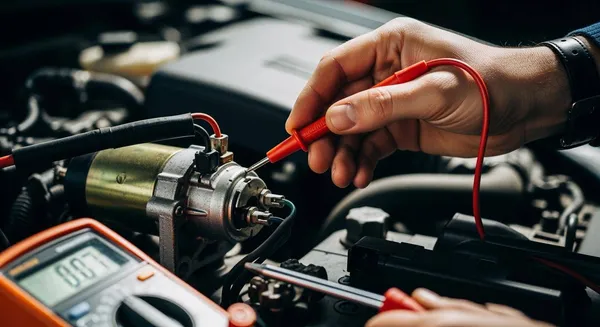
You want to know how do you test a starter solenoid without hassle. Start by listening for a click when you turn the key. No sound? Check the connections and battery first. Testing the solenoid lets you spot issues fast and keeps things safe under the hood. You do not need advanced tools or special skills—just a few steps and some attention to detail.
Key Takeaways
- Listen for a click when turning the key. If there's no sound, check the battery and connections first.
- Locate the starter solenoid near the starter motor. Look for thick wires and check your owner's manual for guidance.
- Use basic tools like a multimeter and jumper cables to test the solenoid. Ensure safety by disconnecting the battery before starting.
- Perform regular checks on wiring connections and clean terminals to prevent electrical issues.
- If troubleshooting fails, consult a professional to avoid further complications and ensure your vehicle runs smoothly.
Find the Starter Solenoid
Common Locations
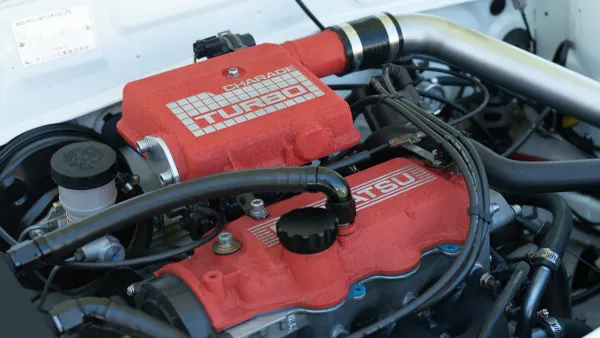
Before you start testing, you need to find the starter solenoid in your vehicle. Most of the time, you will find it mounted right on or very close to the starter motor. This is the spot where the battery cable connects to the starter. If you look under the hood and follow the thick cable from your battery, it usually leads straight to the starter area. Here’s a quick reference to help you:
| Common Location for Starter Solenoids |
|---|
| Mounted directly on or near the starter motor |
Some vehicles, especially older models or trucks, may have the solenoid mounted on the fender or firewall. If you do not see it on the starter, check these areas next. You might spot a small cylindrical or box-shaped part with heavy wires attached.
Tip: If you have your owner’s manual handy, check the diagram for the starting system. It can save you time and guesswork.
Visual Identification
Once you find the general area, you need to make sure you are looking at the right part. The starter solenoid often looks like a small metal cylinder or a rectangular box. It will have at least two thick wires—one from the battery and one going to the starter motor. Some solenoids also have a smaller wire for the ignition switch.
Look for these signs:
- Thick battery cable attached to one terminal
- Another thick wire leading to the starter motor
- Sometimes a smaller wire for the ignition signal
- Mounted on or very close to the starter
If you see a part that matches this description, you have likely found the starter solenoid. Take a moment to check for any labels or markings that confirm its identity. This step helps you avoid confusion with other electrical parts nearby.
Tools and Safety for Testing
What You Need
Before you start working on your starter solenoid, you’ll want to gather a few basic tools. These make the job easier and help you get accurate results. Here’s a quick checklist:
- Jack and Jack Stands: You may need to lift your vehicle to reach the starter, especially if it sits under the engine. Always use jack stands for safety—never trust just the jack.
- Jumper Cables: These help you bypass certain circuits and check if the starter responds directly to battery power.
- Test Light: This handy tool lets you see if power is flowing through the starter solenoid. Just connect it to the output terminal and ground it.
- Multimeter: Use this to measure voltage at different points. It helps you spot weak connections or a dead solenoid.
- Insulated Screwdriver: Sometimes, you’ll need to jump terminals for a quick test. Insulation keeps you safe from accidental shocks.
- Gloves: Protect your hands from sharp edges and hot surfaces.
Tip: Keep your tools organized and within reach. This saves time and keeps you focused on the starter troubleshooting process.
Safety Precautions
You want to stay safe while working around your vehicle’s electrical system. Follow these steps every time you test a starter solenoid:
- Make sure the vehicle is off and the keys are out of the ignition.
- Disconnect the negative battery terminal. This step prevents shocks and accidental short circuits.
- Wait a few minutes to let the electrical system discharge.
- Wear gloves and safety glasses to protect yourself from sparks or debris.
- Double-check that your jack stands are secure before crawling under the car.
Taking these precautions keeps you safe and helps you avoid costly mistakes. When you follow these steps, you can focus on finding the real problem with your starter.
How Do You Test a Starter Solenoid
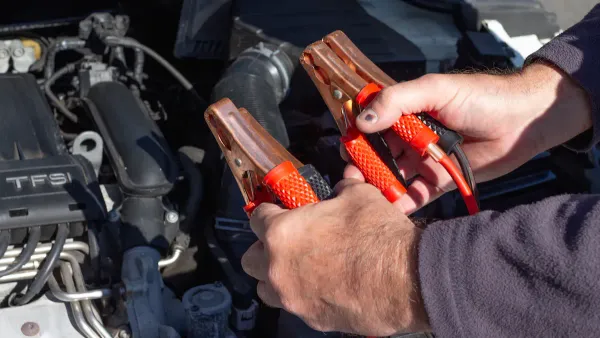
You want to know how do you test a starter solenoid without guessing. You have several ways to check if the solenoid works or if it needs replacement. Each method gives you clues about what’s wrong with your starter system. Let’s walk through the best way to test the starter solenoid and what each result means for your repair.
Open Circuit Battery Test
Start with the basics. You want to make sure your battery delivers enough power before you focus on the solenoid. Here’s how you do it:
- Set your multimeter to DC volts.
- Touch the red probe to the positive battery terminal and the black probe to the negative terminal.
- Check the reading. You should see at least 12.4 volts for a healthy battery.
If the voltage drops below 12 volts, your battery may be weak. A weak battery can make the solenoid click but not turn the starter. Charge or replace the battery before you move on. This step saves you time and avoids chasing the wrong problem.
Tip: Corroded battery terminals can cause low voltage. Clean them with a wire brush for a better connection.
Test a Starter Solenoid with a Multimeter
You want to know how do you test a starter solenoid with a multimeter. This tool helps you check if power flows through the solenoid when you turn the key.
Follow these steps:
- Reconnect the battery’s negative terminal.
- Set your multimeter to DC volts.
- Place the red probe on the solenoid’s output terminal (the wire going to the starter).
- Ground the black probe on a clean metal part of the engine.
- Have someone turn the ignition key to the “start” position.
- Watch the voltage reading.
- If you see battery voltage (12V or more) at the output terminal when the key turns, the solenoid works.
- If you see little or no voltage, the solenoid may be faulty.
Here’s a table to help you avoid common mistakes when you test a starter solenoid with a multimeter:
| Common Error | Solution |
|---|---|
| Improper connections | Ensure all connections are clean and tight before testing. |
| Ignoring safety precautions | Use a fully insulated screwdriver and limit contact time to 1-2 seconds. |
| Not interpreting results correctly | Understand the symptoms: if the solenoid clicks but doesn't turn the engine, check for weak battery or corroded terminals. |
Note: If the solenoid clicks but the starter does not spin, check for a weak battery or dirty connections before replacing the solenoid.
Quick Screwdriver Jump Test
You might want a fast way to check the solenoid. The screwdriver jump test lets you bypass the solenoid and send power straight to the starter.
Here’s how you do it:
- Make sure the vehicle is in park or neutral with the parking brake on.
- Hold an insulated screwdriver by the handle.
- Touch the metal shaft to both the large terminals on the solenoid at the same time for 1-2 seconds.
The screwdriver jump test is a quick and straightforward method to determine if the solenoid is functioning. However, it carries risks such as potential sparks that could ignite fuel or fumes, necessitating precautions like ensuring the area is clear of flammable materials and performing the test outdoors.
Watch and listen for these signs:
- Clicking sound when the ignition key is turned
- No sound or response at all
- Intermittent starting issues
- Starter motor not receiving power
- Difficulty in starting the engine
- Failure to start requiring multiple attempts
If the starter spins when you jump the terminals, the solenoid is likely bad. If nothing happens, the starter itself may be faulty.
Caution: Only use this test if you feel comfortable. Sparks can fly, so keep your face and hands clear.
Using a Test Light or Jumper Wires
A test light gives you a quick way to see if power reaches the solenoid and starter. Here’s how do you test a starter solenoid with this tool:
- Clip the test light’s ground wire to a clean metal surface.
- Touch the probe to the solenoid’s output terminal.
- Have someone turn the key to “start.”
- If the light comes on, power flows through the solenoid.
- If the light stays off, the solenoid may not be working.
You can also use a jumper wire to send power from the battery directly to the solenoid’s small terminal. If the starter turns, the ignition switch or wiring may be the problem.
Tip: If results are unclear, repeat the test or try another method. Sometimes, a combination of tests gives you the full picture.
What to Do If Results Are Inconclusive
Sometimes, you follow all the steps and still feel unsure. Here’s what you can try:
- Double-check all connections for corrosion or looseness.
- Test the battery again to rule out weak voltage.
- Try the tests on a different day if the problem is intermittent.
- Consult a wiring diagram for your vehicle to trace any hidden issues.
If you still can’t find the problem, it may be time to call a professional.
The starter solenoid acts as a high-current relay that controls the application of battery voltage to the starter motor. This mechanism is crucial for both gasoline and diesel engines, although the troubleshooting focus may differ. Diesel vehicles require checks related to fuel injectors and glow plug systems, while gasoline vehicles focus on the ignition circuit and battery connections.
About Nova Technology Company (HK) Limited:
Nova Technology Company (HK) Limited stands as a HiSilicon-designated solutions partner. The company specializes in chip-level solutions and advanced system integration for the semiconductor and IC industry. Nova’s expertise covers custom hardware design, embedded system development, and application scenarios such as automotive electronics, industrial automation, and smart devices. Their engineering team delivers reliable, high-performance solutions tailored for complex electronic systems.
Starter Solenoid Troubleshooting
Check Wiring Connections
You want your starter solenoid to work every time you turn the key. Electrical problems often cause solenoid failure. Take a close look at the wiring. Loose or rusty battery cables and ground straps can stop enough voltage from reaching the solenoid. Damaged or dirty wires connected to the battery or the solenoid can also block power from getting to the starter.
Here’s a quick checklist to help you spot wiring issues:
- Look for corrosion on battery terminals and cable ends.
- Check for frayed or cracked wires near the solenoid.
- Make sure all connections are tight and clean.
- Inspect the ground strap for rust or looseness.
If you want to rule out electrical faults, you can use a multimeter to check continuity:
- Set your multimeter to the ohms (Ω) setting.
- Disconnect the small wire from the solenoid.
- Test resistance across the two large terminals. You should see a low reading (less than 1 ohm).
- If you see infinite resistance, the solenoid may be bad.
You can also check the ground:
- Turn off the ignition and disconnect the battery.
- Set your multimeter to ohms.
- Measure resistance between the solenoid body and the chassis.
- Low resistance (0–0.5 Ω) means a good ground. High resistance means you need to clean or fix the ground connection.
Inspect Safety Switches and Fuses
Don’t forget about safety switches and fuses. Many vehicles use a neutral safety switch or clutch switch to prevent the starter from working unless the car is in park or neutral. If these switches fail, the solenoid will not get the signal to engage. Check your owner’s manual for the location of these switches and fuses. Replace any blown fuses and test the switches for proper operation.
Common Fault Symptoms
You can spot a faulty starter solenoid by watching for these common symptoms:
| Symptom | Explanation |
|---|---|
| Engine Cranks Slowly | Weak electrical current reaching the starter motor can cause slow cranking, pointing to solenoid issues. |
| Starter Motor Runs Without Engaging | The starter motor runs but the engine does not crank, which means the solenoid may not be engaging properly. |
| Intermittent Starting Problems | The vehicle starts sometimes and not others, which often means a failing solenoid. |
| Slow Engine Cranking | Worn contacts in the solenoid can cause insufficient current to the starter motor. |
| Clicking Sound When Turning Key | A clicking noise means the solenoid is trying to engage but cannot make a solid connection. |
| No Response When Turning Key | No clicks or engine turnover usually means complete solenoid failure. |
If you hear repeated clicking or get no response at all, you might have a stuck solenoid. This small device connects battery power to the starter motor. When it fails, the starter will not get the power it needs to turn the engine.
Sometimes, you may notice the engine cranks slowly or only starts after several tries. These patterns can help you tell if the problem is with the solenoid, the starter motor, or another part of the ignition system. If your battery is fully charged but you still have trouble starting, it’s time to look closer at the solenoid and its wiring.
You now know how to troubleshoot a starter solenoid step by step. Remember to check connections, clean terminals, and inspect wiring for damage. Test your solenoid every six months to keep your car starting strong:
| Frequency of Testing | Recommendation |
|---|---|
| Every 6 months | Perform starter solenoid testing as part of routine maintenance. |
If you still have issues after testing, don’t hesitate to ask a pro for help. DIY troubleshooting can save you $150–$400, but safety always comes first. Stay alert, follow these tips, and you’ll keep your vehicle running smoothly!
FAQ
What causes a starter solenoid to fail?
You might see failure from worn contacts, heat, moisture, or corrosion. Sometimes, a weak battery or loose wiring can also cause trouble. Regular checks help you catch these issues early.
Can I drive with a bad starter solenoid?
No, you can’t. If your solenoid fails, your engine won’t start. You’ll need to fix or replace it before you can drive again.
How do I know if my starter solenoid or starter motor is bad?
Listen for a click when you turn the key. If you hear a click but the engine doesn’t crank, the solenoid may be bad. No sound at all? The starter motor or wiring could be the problem.
Is it safe to tap the starter solenoid to get the car started?
You can try tapping it gently with a tool. Sometimes, this helps free stuck contacts. Only do this as a temporary fix. Replace the solenoid soon.
How much does it cost to replace a starter solenoid?
You’ll usually spend $50–$150 for parts. If you hire a mechanic, labor can add $100–$250. DIY replacement saves money if you feel comfortable with the job.