Mastering Microcontrollers: A Step-by-Step Design Tutorial for Your Projects
Expert guide on Mastering Microcontrollers: A Step-by-Step Design Tutorial for Your Projects. Technical specs, applications, sourcing tips for engineers and buyers.
Introduction
In today's rapidly evolving electronics industry, microcontrollers serve as the backbone for countless applications, from simple consumer electronics to complex industrial systems. These versatile components allow engineers to integrate control systems into their designs, offering flexibility and efficiency. With global semiconductor revenue expected to reach $595.2 billion by 2026, understanding microcontroller design is more crucial than ever. This article will guide you through mastering microcontrollers, offering insights into component specifications, datasheets, and application circuits.
Technical Overview
Microcontrollers are compact integrated circuits designed to govern a specific operation in an embedded system. They incorporate a processor, memory, and input/output peripherals on a single chip. The core concepts of microcontroller functionality include processing speed, memory size, power consumption, and interfacing capabilities. These parameters determine a microcontroller's suitability for various applications, whether in consumer electronics, automotive systems, or industrial controls.
Understanding the principles of microcontroller operation involves familiarity with its architecture, including the central processing unit (CPU), memory types (such as SRAM, EEPROM, and Flash), and peripheral interfaces (like GPIO, UART, SPI, and I2C). Additionally, the ability to interpret datasheets and evaluate electrical, thermal, and mechanical specifications is essential for successful design implementation.
Detailed Specifications
| Parameter | Value | Units | Notes |
|---|---|---|---|
| Operating Voltage | 3.3 - 5.5 | V | Typical range for most microcontrollers |
| Processing Speed | 16 | MHz | Common speed for entry-level models |
| Flash Memory | 64 | KB | Non-volatile memory for program storage |
| SRAM | 2 | KB | Volatile memory for data processing |
| EEPROM | 1 | KB | For storing non-volatile data |
| GPIO Pins | 32 | - | General-purpose input/output pins |
| ADC Resolution | 10 | bits | Accuracy of analog-to-digital conversion |
| DAC Resolution | 8 | bits | Resolution of digital-to-analog conversion |
| Power Consumption | 20 | mA | At maximum operating frequency |
| PWM Channels | 6 | - | For motor control applications |
| Parameter | Value | Units | Notes |
|---|---|---|---|
| Operating Temperature | -40 to 85 | °C | Industrial-grade temperature range |
| Storage Temperature | -55 to 150 | °C | Safe storage conditions |
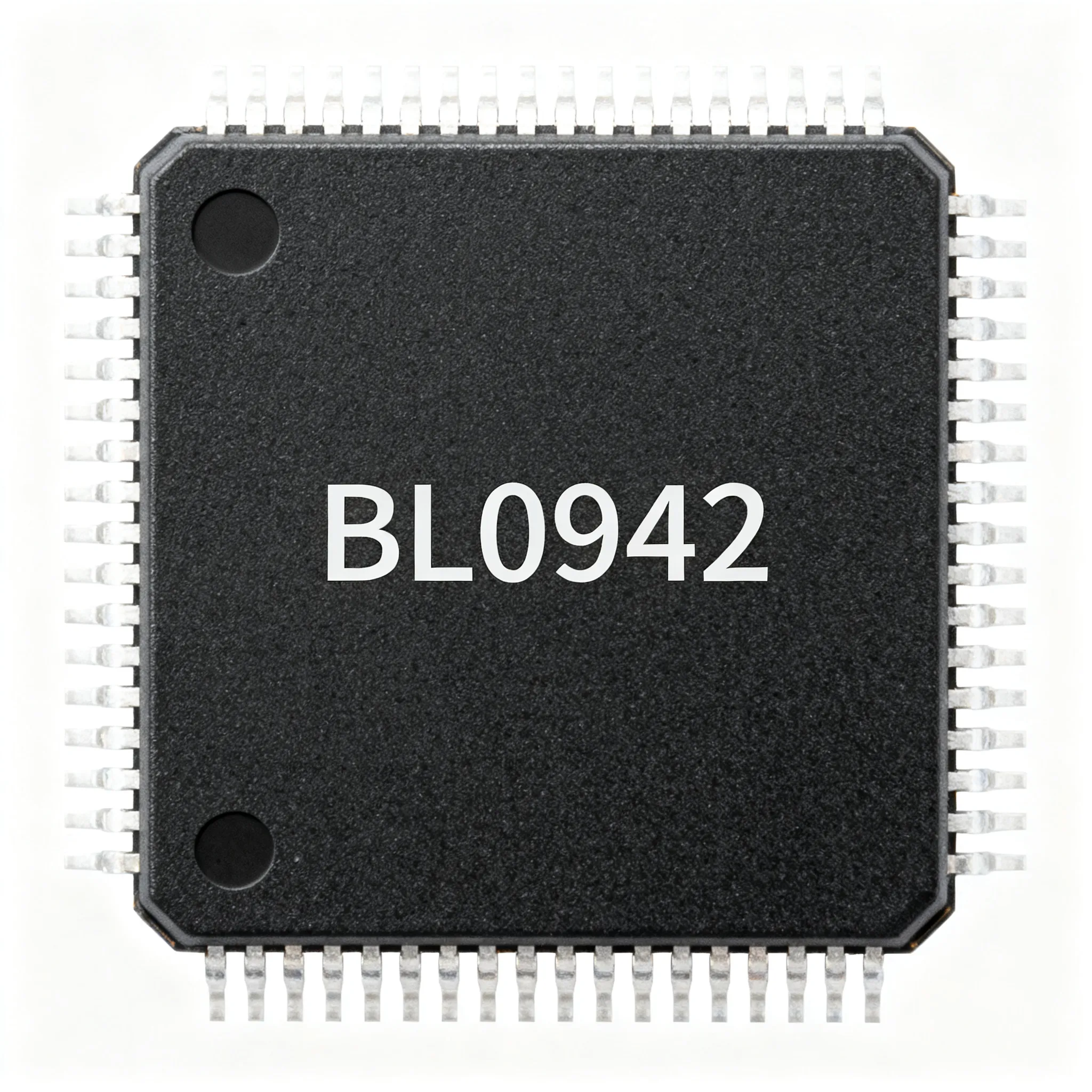
| Package Type | LQFP | - | Low-profile quad flat package |
| Package Dimensions | 10x10 | mm | Standard size for LQFP package |
| Thermal Resistance | 45 | °C/W | Junction-to-ambient thermal resistance |
| Weight | 0.5 | g | Typical package weight |
| Lead Count | 64 | pins | Number of leads in the package |
| Moisture Sensitivity Level | 3 | - | Indicates floor life and storage conditions |
| Application | Microcontroller Model | Features | Notes |
|---|---|---|---|
| Consumer Electronics | XYZ123 | Low power, compact size | Ideal for portable devices |
| Automotive Systems | ABC456 | High temperature tolerance | Suitable for engine control units |
| Industrial Automation | DEF789 | Robust I/O, real-time processing | Perfect for PLCs and SCADA systems |
| Healthcare Devices | GHI012 | Precision ADC, low noise | Critical for patient monitoring |
| IoT Applications | JKL345 | Wireless connectivity | Essential for smart home devices |
The tables above provide a detailed breakdown of the electrical, thermal, and mechanical specifications that are critical when selecting a microcontroller for your project. Understanding these parameters helps ensure that the microcontroller will perform optimally under the specific conditions and constraints of your application.
Design Considerations
Designing with microcontrollers involves several key considerations to ensure optimal performance and reliability. Firstly, the selection of a microcontroller should be based on the specific requirements of the application, such as processing power, memory capacity, and peripheral interfaces. For instance, a design requiring high-speed data processing may benefit from a microcontroller with a higher clock speed and ample RAM.
Power efficiency is another critical factor, especially for battery-powered devices. Microcontrollers with low power consumption and sleep modes can significantly extend battery life. Additionally, thermal management is essential to prevent overheating and ensure long-term reliability. This may involve selecting a microcontroller with appropriate thermal resistance and implementing effective heat dissipation techniques.
Integration with other components in the system is also a crucial aspect of microcontroller design. This includes ensuring compatibility with sensors, actuators, and communication interfaces. Properly configuring GPIO pins and selecting the right communication protocols (I2C, SPI, UART) are vital for seamless integration.
Furthermore, considering the environmental conditions in which the device will operate can influence the choice of microcontroller. Industrial applications may require microcontrollers with extended temperature ranges, while consumer electronics may prioritize compact size and low cost.
Step-by-Step Guide
Designing a project with a microcontroller involves several systematic steps. Here's a comprehensive guide:
- Define Project Requirements: Understand the functional requirements and constraints of your project. Determine the necessary processing power, memory, and peripheral interfaces.
- Select the Microcontroller: Use resources like DigiKey to compare microcontroller specifications and choose one that fits your project needs. Consider factors like voltage range, clock speed, and I/O capabilities.
- Design the Circuit: Create a schematic that integrates the microcontroller with other components. Pay attention to power supply design, ensuring stable voltage levels, and consider decoupling capacitors to minimize noise.
- Develop Firmware: Write the code that will run on the microcontroller, using development tools and IDEs compatible with your chosen microcontroller model. Test the firmware in a simulation environment before loading it onto the hardware.
- Prototype and Test: Build a prototype of your design and test it under real-world conditions. Validate functionality, check for any errors, and make necessary adjustments to the design and firmware.
- Optimize for Production: Once the prototype is validated, optimize the design for production. This may involve refining the PCB layout, selecting cost-effective components, and preparing for mass manufacturing.
- Document the Design: Create detailed documentation, including schematics, firmware code, and test results. This is essential for future reference and potential troubleshooting.
- Implement Quality Assurance: Establish quality control measures to ensure that each unit produced meets the design specifications and performs reliably.
Common Issues & Solutions
Designing with microcontrollers can present several challenges. Here are some common issues and their solutions:
-
Problem: Overheating of the microcontroller.
Solution: Ensure proper heat dissipation by using heat sinks or fan cooling. Check the thermal resistance specifications and avoid exceeding the maximum junction temperature. -
Problem: Inadequate power supply causing unstable operation.
Solution: Use a stable power supply with sufficient current capacity. Implement decoupling capacitors near the power pins to filter out noise and voltage spikes. -
Problem: Firmware bugs causing unexpected behavior.
Solution: Implement thorough testing and debugging procedures. Use simulation tools to verify code logic and perform step-by-step debugging to identify and fix errors. -
Problem: Incompatibility with peripheral devices.
Solution: Ensure correct configuration of communication interfaces (I2C, SPI, UART). Verify that voltage levels and protocols are compatible with connected devices. -
Problem: Limited memory leading to performance issues.
Solution: Optimize the code to reduce memory usage. Consider using external memory components if additional storage is required.
Applications & Use Cases
Microcontrollers are integral to various real-world applications. In consumer electronics, they enable the functionality of devices like smartphones and smartwatches. In automotive systems, microcontrollers control engine operations, manage infotainment systems, and enhance safety features.
Industrial automation relies on microcontrollers for process control, robotics, and data acquisition in manufacturing environments. In healthcare, microcontrollers power medical instruments, patient monitoring systems, and portable diagnostic devices. Lastly, the rise of the Internet of Things (IoT) has expanded microcontroller applications to smart home devices, wearable technology, and environmental monitoring systems.
Selection & Sourcing Guide
Selecting the right microcontroller for your project involves evaluating specifications and ensuring availability. Utilize resources like IC Online to compare options and source components with competitive pricing and fast delivery. Always verify datasheets and cross-reference specifications to ensure compatibility with your design requirements.
FAQ
-
What is a microcontroller?
A microcontroller is a compact integrated circuit designed to perform specific control functions within an embedded system. It includes a processor, memory, and input/output peripherals. -
How do I choose the right microcontroller for my project?
Consider the application's requirements, such as processing power, memory, peripherals, and power consumption. Evaluate datasheets and compare models using resources like DigiKey. -
What are the common communication protocols used with microcontrollers?
Common protocols include I2C, SPI, UART, and CAN. Each protocol has its advantages and is suitable for different types of data transfer and communication needs. -
How can I reduce power consumption in my microcontroller-based design?
Utilize low-power modes, optimize firmware for efficiency, and select components with low power requirements. Implement power management techniques to extend battery life. -
What is the difference between Flash and EEPROM memory in microcontrollers?
Flash memory is used for storing the program code and is non-volatile, meaning it retains data without power. EEPROM is also non-volatile and is used for storing small amounts of data that must be saved between power cycles. -
Why is thermal management important in microcontroller design?
Proper thermal management prevents overheating, which can lead to malfunction or reduced lifespan of the microcontroller. It ensures reliability and performance stability. -
How do I debug a microcontroller program?
Use debugging tools and software provided by the microcontroller manufacturer. Set breakpoints, monitor variables, and step through code to identify and fix errors. -
What are some real-world applications of microcontrollers?
Microcontrollers are used in consumer electronics, automotive systems, industrial automation, healthcare devices, and IoT applications, among others. -
Can microcontrollers be used for wireless communication?
Yes, many microcontrollers have integrated wireless communication modules, such as Bluetooth, Wi-Fi, or Zigbee, enabling connectivity in IoT applications.
Conclusion
Mastering microcontrollers involves understanding their specifications, design considerations, and real-world applications. By following a structured design process and leveraging resources for component selection and sourcing, engineers can create robust and efficient systems. As the electronics industry continues to grow, the role of microcontrollers in enabling innovation and enhancing functionality remains pivotal.