Real-World Applications of DAC Chips: Enhancing Signal Quality in Electronics Projects
Real-World Applications of DAC Chips: Enhancing Signal Quality in Electronics Projects table { border-coll
Introduction
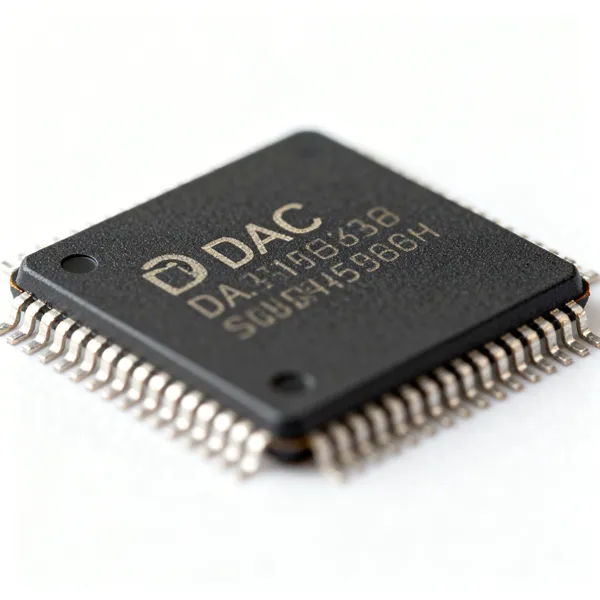
In today's rapidly advancing technological landscape, the importance of Digital-to-Analog Converters (DACs) cannot be overstated. DACs are pivotal in bridging the digital and analog worlds, enhancing signal quality across a myriad of electronics applications. With the rise in demand for high-fidelity audio, precision instrumentation, and advanced communication systems, DACs are more relevant than ever. The global semiconductor industry, as reported by the Semiconductor Industry Association, is experiencing exponential growth, underscoring the need for efficient DAC solutions. This article delves into the critical role DAC chips play in modern electronics, their specifications, and real-world applications.
Technical Overview
Digital-to-Analog Converters (DACs) are essential components that convert digital data into analog signals. This conversion is crucial for applications where digital information needs to interface with the real world, such as audio playback, video displays, and RF modulation. DACs work by taking binary input data and producing a proportional voltage or current. The core concept revolves around precision and resolution, typically measured in bits, with common configurations ranging from 8 to 32 bits. Higher resolution DACs provide finer granularity and greater accuracy in signal representation, which is vital for high-fidelity audio and precise instrumentation.
Another important aspect of DACs is their sampling rate, which determines how often the analog signal is updated. A higher sampling rate allows for more accurate signal reproduction, crucial in applications like high-definition audio and video. Additionally, DACs must handle various output ranges and load conditions, requiring robust design and integration capabilities. These components can be found in integrated circuits (ICs) with features like built-in amplifiers and filters, enhancing their functionality and ease of integration into larger systems.
Detailed Specifications
| Parameter | Specification | Units | Notes |
|---|---|---|---|
| Resolution | 16 | Bits | Commonly used in audio applications |
| Sampling Rate | 192 | kHz | Supports high-definition audio |
| Output Voltage Range | 0 to 5 | V | Standard output for many DACs |
| Supply Voltage | 3.3 | V | Common voltage for low-power devices |
| Power Consumption | 50 | mW | Typical power usage |
| Signal-to-Noise Ratio (SNR) | 98 | dB | High SNR for clear audio output |
| Total Harmonic Distortion (THD) | 0.002 | % | Low distortion for high fidelity |
| Output Current | 10 | mA | Max current delivery |
| Latency | 10 | ns | Fast processing time |
| Interface | SPI | N/A | Common interface for communication |
| Parameter | Specification | Units | Notes |
|---|---|---|---|
| Operating Temperature Range | -40 to 85 | °C | Suitable for industrial applications |
| Storage Temperature Range | -65 to 150 | °C | Extended storage conditions |
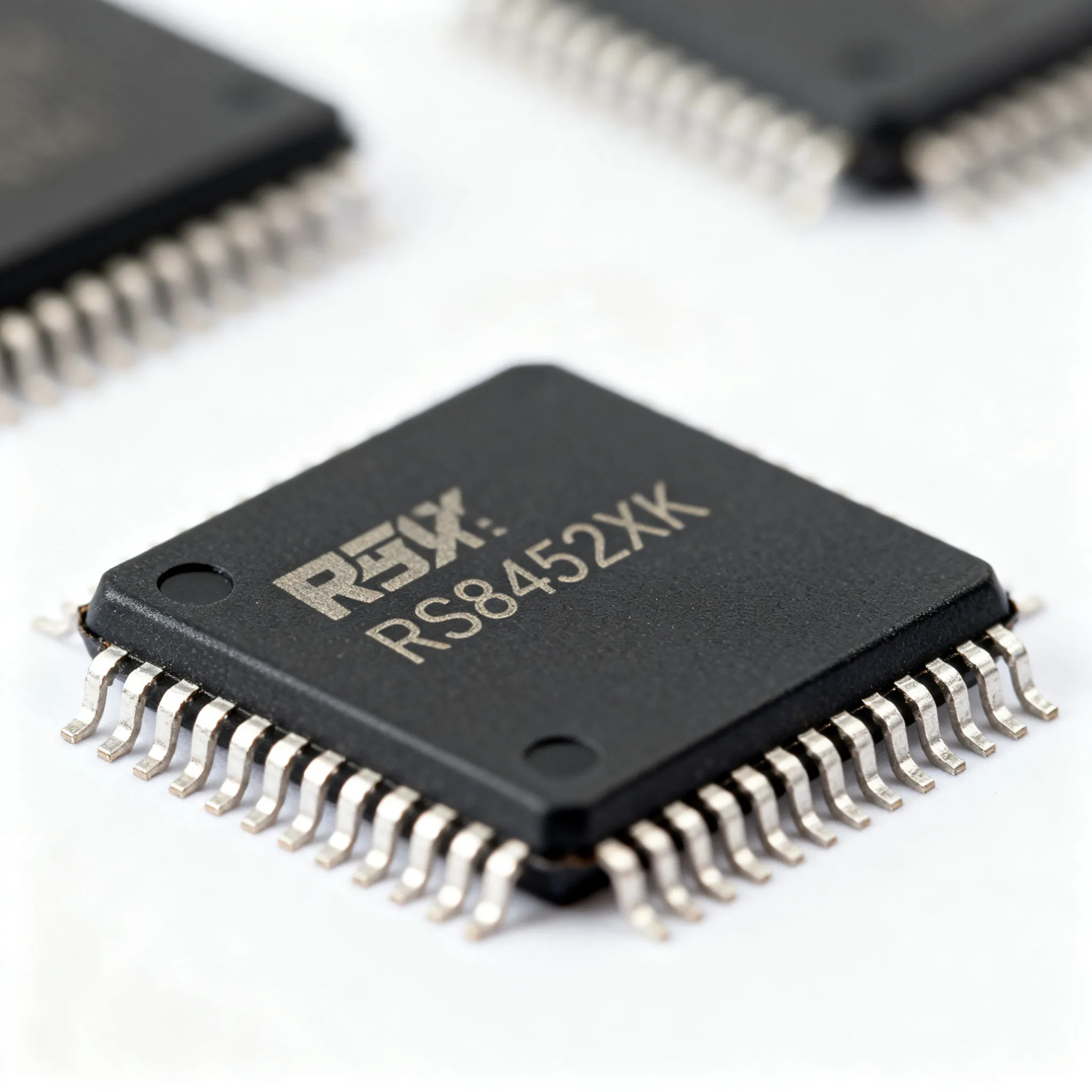
| Package Type | QFN | N/A | Quad Flat No-leads package |
| Package Dimensions | 5x5 | mm | Compact form factor |
| Thermal Resistance (Junction to Ambient) | 30 | °C/W | Ensures efficient heat dissipation |
| Weight | 0.5 | g | Lightweight design |
| Pin Count | 32 | N/A | Sufficient for multiple functionalities |
| Lead Finish | Matte Tin | N/A | RoHS compliant |
| Application | DAC Type | Key Specification | Benefits |
|---|---|---|---|
| Audio Processing | Audio DAC | High SNR, Low THD | Enhanced audio clarity and quality |
| Video Display | Video DAC | High Resolution | Improved image quality |
| Instrumentation | Precision DAC | High Accuracy | Reliable measurement and control |
| Communication Systems | RF DAC | High Sampling Rate | Better signal transmission |
| Control Systems | General Purpose DAC | Wide Output Range | Versatile application support |
Design Considerations
Designing with DACs involves several critical considerations to ensure optimal performance and integration into electronic systems. First, the resolution of the DAC should match the application's requirements. Higher resolution DACs offer finer detail but may increase cost and complexity. For audio applications, a 16-bit DAC may suffice, while instrumentation might require 24 or 32 bits for precision.
Next, consider the sampling rate, which must be high enough to accurately reproduce the desired signal. For audio, rates of 44.1 kHz to 192 kHz are common, while video and RF applications might necessitate even higher rates. Additionally, ensure that the output range of the DAC is suitable for the load it will drive, whether it be a speaker, display, or another device.
Power supply and consumption are also crucial factors, especially for battery-powered devices. Choosing a DAC with low power consumption can extend battery life and reduce heat generation. Moreover, the interface type, such as SPI or I2C, should align with the system's architecture to facilitate seamless communication between components.
Thermal management is another important aspect, particularly in high-performance applications. Efficient heat dissipation through appropriate packaging and thermal resistance specifications can prevent overheating and ensure reliability. Lastly, consider the DAC's physical dimensions and pin configuration to ensure compatibility with the overall design layout.
Step-by-Step Guide
- Identify Application Requirements: Determine the specific needs of your project, such as resolution, sampling rate, and output range, to select the appropriate DAC type.
- Select a Suitable DAC: Use component databases like DigiKey to explore various DAC options and compare specifications to find the best fit for your application.
- Design the Circuit: Incorporate the DAC into your circuit design, ensuring proper power supply connections and signal paths. Use reference designs from datasheets when available.
- Implement Thermal Management: Consider the thermal specifications and design heat dissipation measures, such as heat sinks or ventilation, to maintain optimal operating temperatures.
- Test the System: Once assembled, conduct thorough testing to verify the DAC's performance. Check signal quality, output accuracy, and system stability under various conditions.
- Troubleshoot Issues: Address any discrepancies by reviewing the circuit design, verifying component connections, and consulting the DAC's datasheet for guidance.
- Optimize for Production: If the project is moving to production, consider component availability and cost-effectiveness. Use distributors like IC Online for sourcing components.
- Document the Design: Maintain detailed documentation of the design process, including schematics, test results, and any modifications made during development for future reference and potential improvements.
Common Issues & Solutions
- Noise Interference: Use proper grounding and shielding techniques to reduce noise. Implement filtering capacitors near the DAC to minimize high-frequency interference.
- Output Distortion: Ensure that the DAC's output range matches the load requirements. Use buffer amplifiers if necessary to drive larger loads without distortion.
- Inaccurate Output: Verify that the DAC's resolution and sampling rate are adequate for the application. Calibration and compensation techniques can also improve accuracy.
- Power Supply Issues: Ensure the DAC receives a stable and clean power supply. Use voltage regulators and decoupling capacitors to maintain consistent voltage levels.
- Thermal Overheating: Review the thermal design and consider additional cooling solutions if the DAC operates at elevated temperatures. Reduce power consumption if possible.
- Communication Errors: Check the interface connections and signal integrity. Use proper termination and impedance matching techniques for high-speed communication.
Applications & Use Cases
DACs find widespread application across various sectors, each leveraging their ability to convert digital signals to analog with precision. In audio processing, DACs are essential for converting digital recordings into analog signals that can drive speakers, providing high-quality sound reproduction. Video displays also rely on DACs to translate digital video data into analog signals for screen rendering, crucial for high-definition displays and projectors.
In instrumentation, precision DACs are used for generating accurate analog signals for measurement and control purposes, essential in laboratory and industrial environments. Communication systems employ RF DACs to modulate digital signals into analog for transmission over radio frequencies, ensuring efficient and reliable data transfer. Lastly, in control systems, general-purpose DACs are used to convert digital control signals into analog for interfacing with various actuators and sensors.
Selection & Sourcing Guide
Choosing the right DAC involves evaluating the application's technical requirements and matching them with the DAC's specifications. Consider factors like resolution, sampling rate, output range, and power consumption. Utilize resources like IC Online for sourcing DACs, offering a wide range of components with competitive pricing and fast delivery. Additionally, take advantage of component distributors' parametric search features to streamline the selection process and ensure availability for production needs.
FAQ
- What is the primary function of a DAC? A DAC converts digital data into analog signals, essential for interfacing digital systems with the real world.
- How do I choose the right DAC for my application? Consider factors like resolution, sampling rate, output range, and power consumption based on your application's requirements.
- What are common applications of DACs? DACs are used in audio processing, video displays, instrumentation, communication systems, and control systems.
- Why is resolution important in DACs? Higher resolution provides finer signal granularity, improving accuracy and quality in applications like audio and instrumentation.
- How can I reduce noise in DAC applications? Use proper grounding, shielding, and filtering techniques to minimize noise interference in DAC circuits.
- What is the role of sampling rate in DACs? The sampling rate determines how often the analog signal is updated, affecting the signal's accuracy and quality.
- Can DACs operate at high temperatures? Many DACs are designed for wide temperature ranges, but thermal management is crucial to prevent overheating.
- What interfaces are commonly used with DACs? SPI and I2C are popular interfaces for DAC communication, offering reliable data transfer capabilities.
- How do I troubleshoot DAC output distortion? Verify the DAC's output range, check the load requirements, and consider using buffer amplifiers if needed.
- Where can I source DAC components? Utilize distributors like DigiKey and IC Online for a wide selection of DAC components.
Conclusion
Digital-to-Analog Converters are indispensable in modern electronics, enabling seamless interaction between digital systems and the analog world. By understanding their specifications and applications, engineers can effectively enhance signal quality in various projects, from audio processing to communication systems. With careful selection and design considerations, DACs can significantly improve performance and reliability, meeting the demands of today's increasingly sophisticated technologies.