RF Module Pricing Breakdown: Real Benchmark Data for Informed Sourcing Decisions
RF Module Pricing Breakdown: Real Benchmark Data for Informed Sourcing Decisions Introduction In the rapidly evo
Introduction
In the rapidly evolving landscape of electronics, sourcing the right RF module is crucial for ensuring optimal performance and cost-effectiveness in your projects. With global semiconductor revenue projected to reach $595.2 billion by 2026, understanding the intricate details of RF module specifications, datasheets, and application circuits is more important than ever. This article provides a comprehensive breakdown of RF module pricing, backed by real benchmark data, to help you make informed sourcing decisions.
Technical Overview
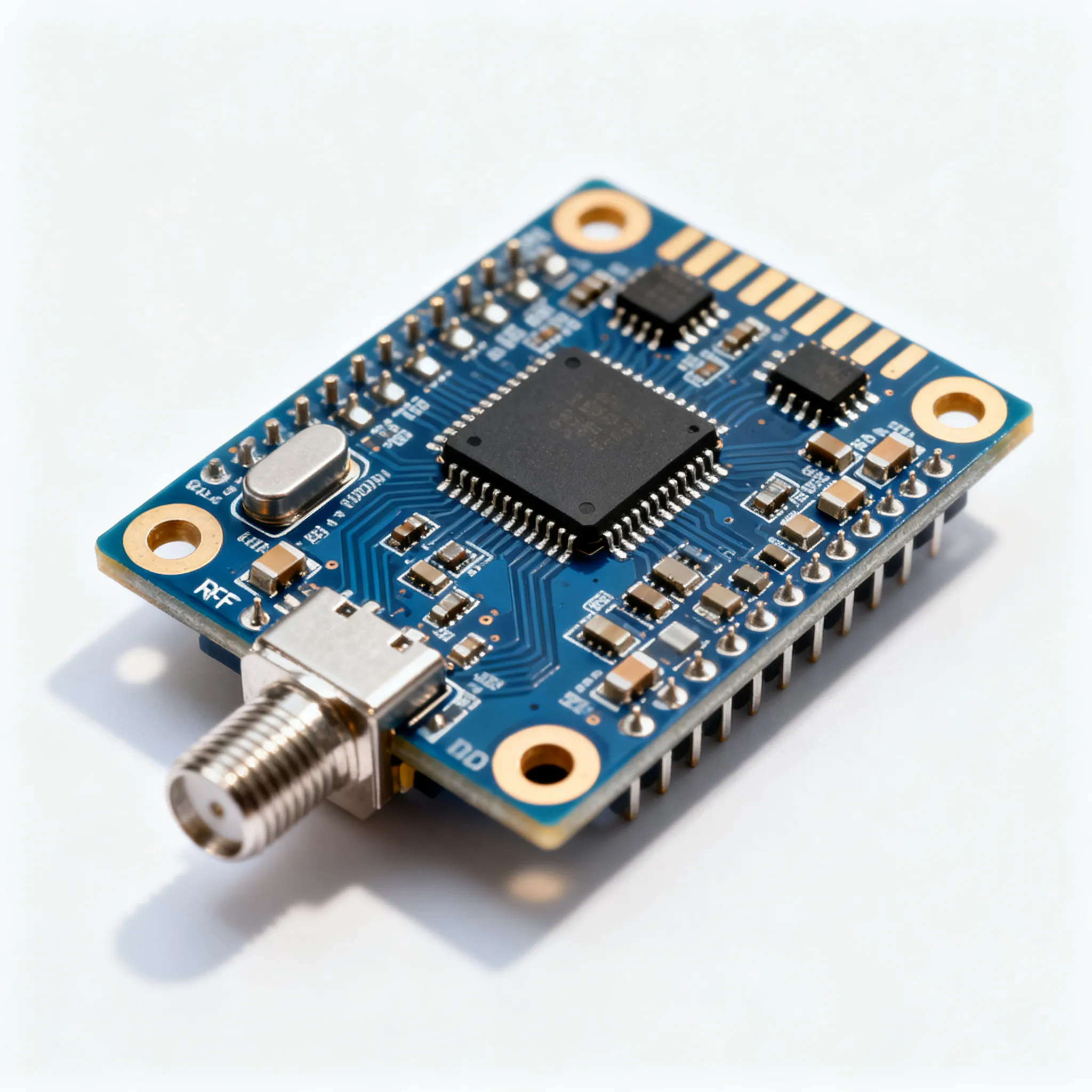
RF modules are integral to wireless communication systems, facilitating the transmission and reception of radio signals. These modules are used across various applications, from consumer electronics to industrial automation and telecommunications. Understanding the core principles of RF design, such as frequency range, modulation techniques, and power output, is key to selecting the right module for your needs. Additionally, factors like noise figure, sensitivity, and linearity are critical in determining the module's performance. The integration of advanced semiconductor technologies has enabled the development of RF modules with enhanced capabilities, allowing for greater efficiency and reliability in complex applications.
Detailed Specifications
| Parameter | Specification | Units | Notes |
|---|---|---|---|
| Frequency Range | 2400 - 2500 | MHz | Common for WiFi and Bluetooth |
| Output Power | 20 | dBm | Max output for long-range communication |
| Sensitivity | -100 | dBm | Lower values indicate better sensitivity |
| Modulation Type | GFSK | N/A | Gaussian Frequency Shift Keying |
| Data Rate | 1 | Mbps | Maximum data throughput |
| Voltage Supply | 3.3 | V | Standard operating voltage |
| Current Consumption | 30 | mA | At maximum output power |
| Impedance | 50 | Ohms | Standard RF impedance |
| Noise Figure | 5 | dB | Lower values are better |
| Operating Temperature | -40 to 85 | °C | Industrial grade |
| Parameter | Specification | Units | Notes |
|---|---|---|---|
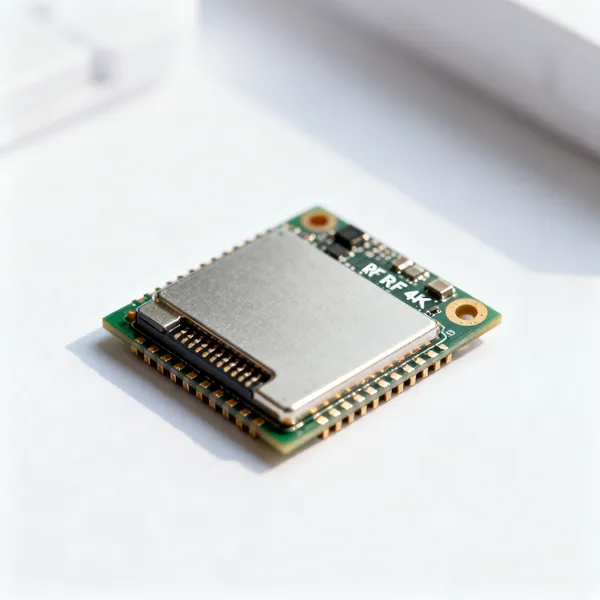
| Package Type | QFN | N/A | Quad Flat No-leads |
| Dimensions | 6x6 | mm | Compact size |
| Weight | 0.5 | g | Lightweight design |
| Thermal Resistance | 30 | °C/W | Effective heat dissipation |
| Soldering Temperature | 260 | °C | Maximum reflow temperature |
| PCB Mounting | Surface Mount | N/A | SMT compatible |
| Material | FR-4 | N/A | Standard PCB material |
| Shielding | Yes | N/A | EMI shielding included |
| Application | Key Features | Notes |
|---|---|---|
| IoT Devices | Low Power, High Sensitivity | Ideal for battery-powered devices |
| Wireless Audio | Low Latency, High Data Rate | Ensures high-quality audio transmission |
| Industrial Automation | Robust, Wide Temperature Range | Suitable for harsh environments |
| Smart Home | Interoperability, Easy Integration | Seamless connectivity with other devices |
| Telecommunications | High Output Power, Long Range | Supports extensive network coverage |
The tables above provide detailed insight into the electrical, thermal, and mechanical specifications of RF modules, as well as a comparison of their applications. These specifications are critical for determining the suitability of a module for specific use cases. For instance, frequency range and modulation type directly impact communication capabilities, while thermal resistance and package type influence durability and ease of integration. Understanding these parameters allows engineers to make informed decisions when selecting components for their projects.
Design Considerations
When designing with RF modules, several key considerations must be taken into account to ensure optimal performance and reliability. First, the selection of the frequency band is crucial, as it determines the range and data rate of the communication system. The choice of modulation technique also affects the efficiency and robustness of the signal transmission. Additionally, power management is essential, especially in battery-operated devices, where low power consumption can significantly extend battery life.
The physical layout of the PCB is another critical factor. Proper shielding and grounding techniques are necessary to minimize electromagnetic interference (EMI) and ensure signal integrity. The placement of the RF module on the PCB should be carefully considered to avoid coupling with other components that could introduce noise or distortion.
Thermal management is equally important, as RF modules can generate significant heat during operation. Adequate heat dissipation mechanisms, such as thermal vias and heat sinks, should be incorporated into the design to prevent overheating and ensure stable performance. Furthermore, compliance with regulatory standards, such as FCC or CE, is mandatory for the legal deployment of RF devices. These standards dictate acceptable levels of emissions and interference, ensuring safe and reliable operation within specified parameters.
Step-by-Step Guide
Designing with RF modules involves a series of methodical steps to ensure successful implementation:
- Define Requirements: Clearly outline the performance criteria, including frequency range, data rate, and power constraints, based on the application's needs.
- Select the Module: Use parametric search tools available on platforms like DigiKey to filter modules that meet your specifications.
- Review Datasheets: Thoroughly examine the datasheets to understand the electrical and mechanical characteristics, ensuring compatibility with your design.
- Design the PCB Layout: Implement best practices for RF design, including proper grounding and shielding, to minimize interference and maximize performance.
- Prototype and Test: Build a prototype to validate the design. Perform rigorous testing to measure performance against the defined requirements.
- Optimize for Production: Refine the design for manufacturability, considering factors such as cost, assembly, and scalability.
- Regulatory Compliance: Ensure the final design adheres to relevant regulatory standards, conducting necessary certifications and tests.
- Documentation and Support: Create detailed documentation for assembly and troubleshooting, offering support for end-users and maintenance.
Common Issues & Solutions
During the design and implementation of RF modules, engineers may encounter several challenges. Here are five common issues and their solutions:
- Signal Interference: Use proper shielding and filtering techniques to minimize EMI. Isolate the RF module from noisy components and use twisted pair cables for signal transmission.
- Poor Range Performance: Verify the antenna design and placement. Ensure that the antenna is oriented correctly and free from obstructions. Consider using a higher gain antenna if necessary.
- Excessive Power Consumption: Optimize the power management settings of the RF module. Implement sleep modes and reduce transmission power when full range is not needed.
- Thermal Overheating: Incorporate thermal management solutions such as heat sinks or fans. Ensure adequate ventilation and consider using a module with a lower thermal resistance.
- Regulatory Non-compliance: Conduct pre-compliance testing during the design phase. Use certified components and follow guidelines to ensure the device meets all regulatory requirements.
Applications & Use Cases
RF modules are utilized in a wide array of applications, each with unique requirements. In IoT devices, low power consumption and high sensitivity are paramount, enabling long battery life and reliable connectivity. Wireless audio applications demand low latency and high data rates to ensure seamless audio streaming. In industrial automation, robustness and a wide operating temperature range are crucial for withstanding harsh environmental conditions. Smart home devices benefit from interoperability and easy integration, allowing for seamless interaction with various systems. Telecommunications applications require high output power and long-range capabilities to support extensive network coverage.
Selection & Sourcing Guide
When sourcing RF modules, it is essential to partner with reputable distributors who offer a wide selection of components, competitive pricing, and reliable delivery. IC Online is an authorized distributor that provides access to a comprehensive database of electronic components, including RF modules. Utilize their platform to compare specifications, check availability, and explore datasheets to make informed purchasing decisions.
FAQ
1. What is the typical range of an RF module?
The range varies depending on the frequency, power output, and environmental conditions. Typical ranges can be from a few meters to several kilometers.
2. How do I choose the right antenna for my RF module?
Consider factors such as frequency band, gain, polarization, and form factor. The antenna should be compatible with the module's impedance and operating frequency.
3. Can RF modules be used for both transmission and reception?
Yes, many RF modules are transceivers, meaning they can both send and receive signals.
4. What is the impact of noise figure on RF module performance?
A lower noise figure indicates better sensitivity, allowing the module to detect weaker signals and improve overall performance.
5. Are there any licensing requirements for using RF modules?
It depends on the frequency band and power level. Some bands are license-free, while others require compliance with specific regulations.
6. How does temperature affect RF module performance?
Extreme temperatures can impact the module's efficiency and reliability. Ensure the module's operating temperature range is suitable for the intended application.
7. What is the significance of modulation type in RF modules?
Modulation type affects the data rate, bandwidth, and robustness of the communication link. Choose a modulation scheme that aligns with your application's requirements.
8. How can I reduce power consumption in my RF design?
Implement power-saving modes, optimize transmission power, and use efficient power management techniques to minimize consumption.
Conclusion
Understanding the specifications and applications of RF modules is essential for making informed sourcing decisions. By carefully analyzing datasheets, considering design factors, and leveraging the resources of reputable distributors, engineers can select the right components to meet their project's requirements. As the demand for wireless communication continues to grow, staying informed about the latest trends and technologies will be key to success in this dynamic field.