Annular Ring Tips for Stronger PCBs
You need to pay close attention to annular ring design in every pcb project. Annular rings play a key role in both electrica

You need to pay close attention to annular ring design in every pcb project. Annular rings play a key role in both electrical connectivity and mechanical support for electronic components and integrated circuits. Proper sizing and placement help you avoid weak connections and ensure long-term reliability.
Key Takeaways
- Annular rings are crucial for strong electrical connections and mechanical support in PCBs. Proper design prevents weak spots and enhances reliability.
- Follow IPC standards for annular ring sizes to ensure durability and avoid costly failures. Always check your design against these guidelines.
- Use a design checklist to catch common mistakes like undersized rings and misalignment. This step improves the reliability of your PCBs.
- Choose high-quality materials, like copper, for annular rings. Good material ensures strong connections and supports the performance of your electronic components.
- Implement quality control measures, such as automated inspections, to verify annular ring integrity. This practice helps maintain high manufacturing standards.
Annular Ring Basics

What Is an Annular Ring
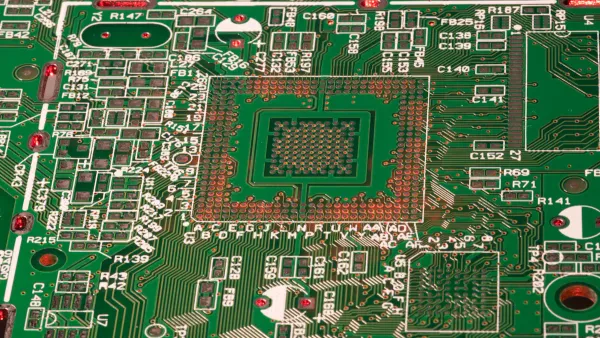
You often see annular rings when you look at a pcb. An annular ring is the copper area that surrounds a drilled hole on the pcb. This ring connects the hole to the copper tracks that run across the board. You need to understand this part because it helps electronic components and integrated circuits work properly.
- An annular ring forms a bridge between the hole and the copper path.
- It creates a strong contact area for soldering components.
- Manufacturers follow IPC standards to size annular rings for durability.
If you design a pcb, you must pay attention to the annular ring. A well-sized annular ring keeps your connections strong and helps your board last longer.
Tip: Always check the copper area around each hole. A good annular ring prevents weak spots and improves reliability.
Annular Ring Function in PCB
Annular rings do more than just sit around holes. They play several important roles in pcb design, especially for electronic components and integrated circuits.
- They stabilize the electrical connection between the via and the copper pad.
- They give you flexibility if the hole is not perfectly centered, so your board still works.
- They provide mechanical support for components and vias.
- They ensure a reliable electrical connection between different layers of the pcb.
| Function | Description |
|---|---|
| Electrical Connection | Ensures reliable electrical connections between different PCB layers. |
| Mechanical Support | Provides mechanical support for components and vias. |
| Stabilization | Stabilizes the electrical connection between the via and the copper pad. |
| Contact Area | Gives the drilled holes the required contact area for soldering components. |
You must use proper annular rings to keep your pcb strong. If you ignore the size or placement, your board may fail. Manufacturers use IPC guidelines to make sure annular rings support both mechanical strength and dependable electrical connections. This attention to detail helps you achieve better reliability in your electronic projects.
Annular Rings and PCB Reliability
Electrical Connection
You need to make sure every connection on your pcb is strong and dependable. The annular ring forms a joint between the copper trace and the via it connects to. This joint is essential for electronic components and integrated circuits because it lets signals travel between layers of your pcb. When you design a multilayer pcb, you rely on the annular ring to keep the electrical path solid. If you use the right size and placement for each annular ring, you prevent problems like breakout and tangency. These problems can break the electrical path and cause your board to fail.
Annular rings surround the holes drilled in vias. These areas act as interconnection nodes between different layers. You need these nodes to keep strong electrical conductivity through the vias. If you use a bad annular ring, you risk weak connections and higher failure rates. Smaller electrical contact areas can lead to weak spots. Misaligned drill holes may even cut through the annular ring, breaking the connection. Mechanical stress or thermal cycling can make these weak spots worse, causing your pcb to fail.
Note: Always control your pcb design and manufacturing process. Pick the right drill sizes and annular ring dimensions to lower the risk of failure.
When you work with multilayer pcbs, you must keep the conductivity of vias high. The copper around the holes, which forms the annular ring, is what keeps this conductivity strong. If you ignore the size or placement, you can create a path for failure. Careful design and manufacturing help you avoid these issues and boost the reliability of your electronic components and integrated circuits.
Mechanical Support
Annular rings do more than carry electricity. They also give your pcb mechanical strength. When you place electronic components and integrated circuits on your board, you want them to stay secure. The annular ring provides mechanical reinforcement around each via. This support helps your board resist flexing and vibration, which can happen during use or handling.
Here is a table that shows how annular rings help your pcb:
| Aspect | Description |
|---|---|
| Structural Support | Gives mechanical reinforcement around vias, helping your board resist flexing and vibration. |
| Durability | Makes your pcb more durable, so it can handle stress during assembly and operation. |
If you use a bad annular ring, your board can crack or break when you insert or remove components. This risk is higher in high-density pcbs, where space is tight and every connection matters. You need to make sure each annular ring is large enough to handle the stress from soldering and daily use.
Manufacturing and drilling tolerances also affect the strength of your annular rings. Small changes in drilling can make the annular ring uneven. This can weaken both the electrical and mechanical connection. Inaccurate layer registration or changes in copper thickness can also hurt the integrity of the annular ring. You must pay attention to these details to keep your pcb reliable.
Tip: Always check your annular ring size and placement before sending your design to the manufacturer. This step helps you avoid costly mistakes and keeps your electronic components and integrated circuits safe.
PCB Annular Ring Design
Size Guidelines
You need to follow clear size guidelines when designing an annular ring for your pcb. The right size helps you avoid weak connections and supports the reliability of your electronic components and integrated circuits. If you use a bad annular ring, you risk poor soldering and broken circuits.
The industry recommends different minimum and optimal annular ring sizes based on the type of via and pcb. Here is a table to help you choose the right size:
| PCB Type | Minimum Annular Ring Size | Optimal Annular Ring Size |
|---|---|---|
| Laser-Drilled Vias | Less than 2 mil | 5 mil drill diameter |
| Mechanically Drilled Vias | Minimum 3 mil | 5.9 mil for through-hole |
| Rigid PCB | 1 mil annular ring | D + 0.012” |
| Flex PCB | 1 mil annular ring | D + 0.014” |
| Rigid-Flex PCB | 1 mil annular ring | D + 0.014” |
| Microvias | Minimum 2 mil | N/A |
| Mechanically Drilled | Minimum 4 mil | N/A |
You should also consider the difference between single-layer and multilayer pcb designs. Multilayer boards often need wider annular rings to ensure strong connections between layers. The table below shows the recommended annular ring width for different conditions:
| PCB Type | Recommended Annular Ring Width | Condition |
|---|---|---|
| Multilayer PCB | 250 µm | Maximum Material Condition (MMC) |
| Multilayer PCB | 150 µm | Least Material Condition (LMC) |
| Single-layer PCB | Varies based on design | N/A |
- Always make sure your annular ring width meets industry standards.
- Choose a size that matches your pcb’s application and the needs of your electronic components and integrated circuits.
- A larger annular ring gives you more room for error and helps prevent signal problems.
Tip: If you design for high-density or high-reliability applications, use the optimal annular ring size instead of the minimum.
Alignment and Tolerance
You must pay close attention to alignment and tolerance when working with annular rings. During pcb manufacturing, drilled holes can shift from the center of the pad. This shift can happen because of drill bit wander, layer movement during lamination, or errors in imaging registration. If your annular ring is too small, even a slight misalignment can cause a breakout, which breaks the connection and makes soldering difficult.
An annular ring’s size specification needs to be large enough to compensate for the drill to wander from the center of the hole. When the pad is too small, it might lead to a breakout, resulting in broken, incomplete circuits or improper soldering.
You can use the following table to understand the alignment and tolerance standards from IPC-2221:
| Aspect | Specification |
|---|---|
| Minimum Pad Diameters | Defined based on via and hole sizes |
| Annular Ring Requirements | Specified for robust connections |
| Minimum Annular Ring Size | Defined in the standard |
| Aspect Ratio of Vias | Hole depth vs. diameter specifications |
| Tolerances for Drilling | Specified in the guidelines |
To help your pcb handle these manufacturing challenges, you should:
- Design annular rings wider than the minimum to allow for drill wander and misregistration.
- Check with your fabricator about their drilling tolerances and adjust your design as needed.
- Use the IPC-2221 guidelines to set your minimum annular ring size and pad diameters.
A well-aligned annular ring keeps your electronic components and integrated circuits connected, even if the hole is not perfectly centered. This practice improves the reliability of your pcb and reduces the risk of failure.
Material Considerations
You need to choose the right materials for your annular rings to support both electrical and mechanical performance. Most annular rings use copper because it conducts electricity well and forms strong connections around holes in your pcb. Copper also helps signals pass between layers, which is important for electronic components and integrated circuits.
- Copper is the most common material for annular rings.
- The absence of copper in the annular ring can cause your pcb to fail or lose functionality.
- Good copper plating ensures strong electrical paths and mechanical support.
If you use poor-quality copper or skip copper plating, your annular ring may not hold up under stress. This can lead to cracks, broken connections, or even total failure of your electronic components and integrated circuits.
Note: Always work with your pcb fabricator to confirm the copper thickness and plating quality for your annular rings. This step helps you avoid problems and ensures your board meets industry standards.
When you design annular rings, remember that the right size, alignment, and material all work together. These factors help you build a pcb that supports your electronic components and integrated circuits with strong, reliable connections.
Common Pitfalls
Undersized Rings
You might think a small annular ring saves space, but it often causes more problems than it solves. When you use small pad sizes, the drill hole can take up too much space, leaving little copper around the hole. This weakens the connection for your electronic components and integrated circuits. Many designs show undersized or missing annular rings, which can affect up to 30% of jobs in pcb manufacturing. Poorly planned annular rings can also delay production.
- Small pad sizes can lead to failure because the drill hole uses up most of the copper.
- Prototyping helps you find and fix annular ring problems before mass production.
- Undersized or missing annular rings are common and can slow down your pcb project.
If you use an undersized annular ring, you risk unreliable connections. You may also see more noise and signal problems, which can cause your circuit to malfunction. A bad annular ring can make your pcb less reliable, especially in high-reliability applications.
Tip: Always check your annular rings during the design phase to avoid costly mistakes later.
Misalignment
Misalignment happens when the drilled hole does not line up with the center of the pad. This can occur during drilling or imaging. Even a small shift can cause big problems for your pcb. Misalignment can lead to short circuits, pad lifting, and signal integrity issues. The table below shows some common issues caused by misalignment:
| Issue | Description |
|---|---|
| Short Circuits | Drill-to-copper clearance drops, raising the risk of short circuits. |
| Pad Lifting | Small annular rings increase the chance of pad lifting or bad solder joints. |
| Signal Integrity | Misalignment can cause crosstalk and interference between vias. |
| Irregular Shapes | Annular rings may become irregular, hurting structural strength. |
| Pad Breakout | Severe misalignment can make the via exit the pad, breaking connections. |
| Connection Failures | Weak vias and failed connections can result from improper annular ring size. |
You need to design annular rings wide enough to handle small shifts during manufacturing. This helps keep your electronic components and integrated circuits working as they should.
Ignoring Manufacturer Specs
You should always follow your manufacturer's guidelines for annular ring design. Ignoring these specs can lead to open circuits, poor solder joints, and delays in production. Manufacturers set minimum annular ring widths for different types of pcb fabrication. For example, average performance boards need at least 10 mil, while high-performance boards may use 5 mil. If you use a ring less than 2 mils, you risk a breakout, which can cause open circuits.
| Risk Type | Description |
|---|---|
| Open Circuits | Breakouts from small annular rings can stop current flow. |
| Poor Solder Joints | Not enough copper can make soldering fail after assembly. |
| Insufficient Annular Ring | Tight tolerances can cause defects and delay production. |
Note: Always check with your pcb fabricator to confirm the right annular ring size for your electronic components and integrated circuits.
Annular Ring Tips
Design Checklist
You can prevent most annular ring problems by following a clear checklist during your pcb design process. A good annular ring design supports both electrical and mechanical needs for electronic components and integrated circuits. Use this checklist to help you avoid common mistakes:
- Follow IPC-2221 and IPC-7351 standards for approved annular ring widths.
- Match annular ring sizes to your pcb manufacturer's capabilities.
- Adjust ring sizes based on the size of your electronic components.
- Measure hole size accurately, as it affects the annular ring width.
- Make sure the pad diameter is at least twice the hole diameter.
- Use high-quality drill bits to keep the annular ring width consistent.
- Set the pad diameter to at least 1.5 times the drill size for proper soldering.
- Run design rule checks (DRC) to verify alignment and spacing.
- Check for common issues like inadequate size, misalignment, or plating defects.
A good annular ring gives your pcb strong mechanical support and reliable electrical connections. This checklist helps you catch errors early, which improves long-term reliability for your electronics.
Tip: Always review your checklist before sending your pcb design for manufacturing. This step can save you time and prevent costly mistakes.
Quality Control
You need strong quality control to ensure every annular ring meets your design goals. Start by measuring the diameter of each hole and the surrounding pad. Use this formula:
Annular Ring Width = (Pad Diameter - Hole Diameter) / 2
Aim for a minimum width of 6-7 mils to reduce breakout risks. You can also use teardrop pads to add strength at the trace-via junction. Advanced drilling methods help minimize misregistration, which keeps your annular rings centered.
Automated optical inspection (AOI) systems use high-resolution cameras to check for defects in annular rings. These systems compare images to set standards and spot problems like breakouts or tangent conditions. Design for manufacturability (DFM) tools also scan your pcb files before production. They highlight errors and let you set minimum annular ring widths.
| Quality Control Step | Purpose |
|---|---|
| Measure hole and pad sizes | Confirms correct annular ring width |
| Use AOI systems | Detects defects and misalignments |
| Apply DFM tools | Finds errors before manufacturing |
| Increase ring width | Reduces risk of breakout |
| Use teardrop pads | Adds strength to trace-via connections |
A good annular ring, checked with these methods, keeps your electronics safe and your pcb reliable.
Annular rings help you build reliable PCBs for electronic components and integrated circuits. When you follow best practices, you avoid weak connections and costly failures. The table below shows how good annular ring design improves your board:
| Key Aspect | Impact on PCB Reliability and Performance |
|---|---|
| Soldering Quality | Strong solder joints and better electrical connections |
| Mechanical Stability | More support for components and longer board life |
| Manufacturability | Fewer defects and easier production |
- Use a checklist for every design.
- Work closely with your manufacturer to catch problems early.
Paying attention to annular rings keeps your PCBs strong and dependable for years.
FAQ
What is the main purpose of an annular ring in printed circuit boards?
You use annular rings to connect vias and pads in printed circuit boards. These rings help electronic components and integrated circuits stay connected. The ipc standard gives you clear rules for ring size and placement to keep your board reliable.
How does the ipc standard affect annular ring design?
You follow the ipc standard to set minimum annular ring widths. This standard helps you avoid weak connections in electronic components and integrated circuits. The ipc standard also guides you on pad diameters and drilling tolerances for printed circuit boards.
Why do manufacturers insist on following the ipc standard for annular rings?
Manufacturers use the ipc standard to make sure your printed circuit boards meet quality and reliability goals. The ipc standard reduces the risk of open circuits and poor solder joints in electronic components and integrated circuits.
What happens if you ignore the ipc standard when designing annular rings?
If you ignore the ipc standard, you risk weak connections and failed electronic components. Your integrated circuits may not work as expected. The ipc standard protects your design from common problems in printed circuit boards.
How can you check if your annular rings meet the ipc standard?
You measure the pad and hole sizes on your board. Then, you compare these measurements to the ipc standard. This step helps you catch errors before you build your electronic components and integrated circuits.