Assembly PCB Best Practices for IoT and Wearable Devices
Creating reliable IoT and wearable devices requires careful PCB assembly, following the best practices in the industry. You should address challenges such as compact size, power efficiency, and durability. This ensures your devices perform effectively in daily scenarios. Implementing best practices in PCB assembly
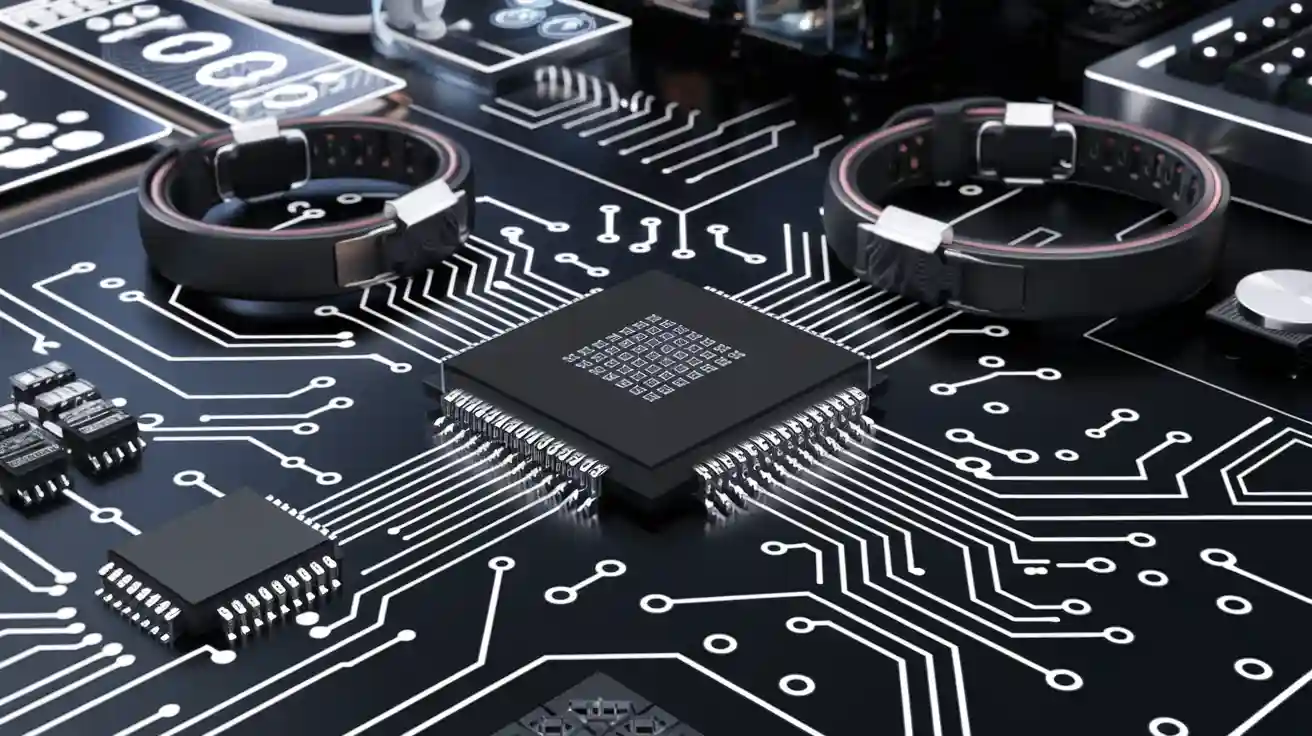
Creating reliable IoT and wearable devices requires careful PCB assembly, following the best practices in the industry. You should address challenges such as compact size, power efficiency, and durability. This ensures your devices perform effectively in daily scenarios. Implementing best practices in PCB assembly enhances designs for these critical aspects. As a result, your devices will operate more efficiently and have a longer lifespan. Emphasizing best practices in assembly establishes a solid foundation for exceptional products. These products will meet the expectations and needs of users.
Key Takeaways
-
Keep designs small to fit IoT and wearable devices. Use layered and bendable PCBs to save room.
-
Make batteries last longer with power-saving methods. Lowering sleep mode power can boost battery life by 20%.
-
Ensure good connections by keeping signals clear. Use proper wires and grounding to stop interference.
-
Choose strong materials and coatings for durability. This helps devices handle tough conditions and keeps users happy.
-
Work with experienced PCB makers early in the design. Their skills can prevent errors and make products better.
Unique Challenges in IoT and Wearable PCB Assembly
Size Constraints and Miniaturization
IoT and wearable gadgets need small designs, making size a challenge. Making parts smaller adds more features to tiny PCBs. This boosts how well they work and keeps them safer from damage. But tiny parts need careful assembly since they can break easily.
-
Smaller parts fit more circuits in tiny spaces for wearables.
-
Tight layouts protect parts but need special assembly skills.
Power Efficiency and Battery Optimization
Saving power is key for IoT devices because it affects battery life. Using less power helps devices last longer without charging often. For instance, lowering sleep and shutdown currents makes batteries last much longer. The table below shows how fixing power use helps save energy:
|
Functional Block |
Sleep Mode Current (nA) |
Shutdown Current (nA) |
|---|---|---|
|
RTC |
150 |
6 |
|
Load Switch |
10 |
10 |
|
Battery Freshness |
10 |
10 |
|
Total System Current |
170 |
26 |
By using smart power-saving tips, battery life can improve by 20%.
Connectivity and Signal Integrity
Keeping IoT devices connected needs good signal management. Bad wiring or grounding can mess up signals and cause problems. IoT devices with many boards face issues like signal noise and mismatched wiring. To keep connections strong:
-
Match wiring and connectors to avoid signal problems.
-
Use one ground point to stop noise from spreading.
These tips help keep connections steady, even in tricky designs.
Durability and Environmental Resistance
Making IoT and wearable devices strong is very important. These gadgets often deal with tough conditions like water, heat changes, and physical wear. PCBs must be built to handle these challenges to work well and stay reliable.
Key Strategies for Durability
-
Use Protective Coatings: Add special coatings to protect PCBs from water, dirt, and chemicals. This layer stops damage and helps the device last longer.
-
Choose Robust Materials: Pick strong materials like FR-4 or polyimide for PCBs. These materials resist heat and stress, making them great for wearables.
-
Reinforce Solder Joints: Make solder joints stronger to avoid cracks from shaking or heavy use. Good solder paste improves sticking and keeps parts secure.
💡 Tip: Test your PCB in real-world-like conditions to find weak spots before making many devices.
Environmental Resistance
IoT and wearable gadgets often work outside or in tricky places. You should plan for things like water, extreme heat, and sunlight.
-
Waterproofing: Use cases or potting compounds to keep water away from PCBs.
-
Temperature Tolerance: Build PCBs to handle very hot or cold temperatures. Strong parts keep working even in tough weather.
-
UV Protection: For outdoor gadgets, use UV-safe materials to stop sunlight damage.
Focusing on durability and environmental safety makes devices last longer in hard conditions. This improves user happiness and lowers repair or replacement costs.
Design Best Practices for IoT and Wearable PCBs
Compact PCB Layout Optimization
Making a small PCB layout is very important for IoT and wearable devices. These devices need to save space while working well. You can do this by using multilayer PCBs. These let you stack circuits on top of each other, saving room. Another good choice is flexible PCBs, which are great for tiny designs.
To make the layout better, place parts in smart spots. Keep high-frequency parts close together to avoid signal problems. Separate power and ground planes to keep signals clear. These steps help your device work well, even in tight spaces.
💡 Tip: Use design tools with auto-routing to make layouts easier and avoid mistakes.
Material Selection for Performance and Longevity
Picking the right materials is key to making strong and reliable PCBs. Materials like FR-4 or polyimide are great because they handle heat and stress well. These are especially useful for medical wearables that need to last long and feel comfortable. Strong outer layers resist damage, and flexible films keep water out.
For devices touching skin, use safe adhesives that don’t cause irritation. Adding soft materials like foam can protect the device from drops. Choosing the best materials helps your device last longer and work better.
🌟 Hisilicon Solution: For advanced designs, try the Hisilicon solution. It offers top technology to improve PCB design and device performance. Learn more at Hisilicon Solution.
Thermal Management in Small Devices
Managing heat is very important for small IoT and wearable devices. Too much heat can break parts or make them stop working. Add thermal vias and heat sinks to your design. Thermal vias move heat away from hot parts, and heat sinks spread it out.
You can also use materials that carry heat well, like copper layers. Keep hot parts away from sensitive ones to stop overheating.
🔥 Pro Tip: Test your design for heat issues early to fix problems before building.
By following these tips, your IoT and wearable devices will stay cool, work better, and last longer.
Antenna Design for Reliable Connectivity
Making antennas for IoT and wearable devices needs careful planning. Antennas help devices stay connected, even with interference or obstacles. Good antenna design improves signal strength, speed, and device performance.
Important Points for Antenna Design
-
Size and Placement: Antennas must fit small spaces without losing quality. Keeping antennas away from metal parts reduces signal problems.
-
Frequency Range: Pick antennas that work with Wi-Fi, Bluetooth, and 5G. Wide frequency ranges make devices more flexible.
-
Impedance Matching: Match impedance to avoid losing signals and boost efficiency.
Why Better Antenna Design Matters
-
Higher Bandwidth: Better antennas give more bandwidth than basic designs.
-
Basic antenna: Bandwidth of 198 MHz.
-
Improved antenna: Bandwidth of 1600 MHz.
-
-
Wide Frequency Range: Advanced antennas cover 0.45 GHz to 15 GHz for UWB and 21 GHz to 30 GHz for 5G.
Comparing Antenna Performance
The table below shows how different antenna methods perform:
|
Technique |
Return Loss (S11) |
Gain (dBi) |
Directivity (dBi) |
Bandwidth (GHz) |
VSWR |
Efficiency (%) |
|---|---|---|---|---|---|---|
|
Main |
-28.3 |
6.31 |
7.03 |
0.17 |
1.08 |
84 |
|
CPW |
-41.3 |
4.05 |
4.45 |
2.18 |
1.01 |
91 |
|
EBG |
-34.16 |
7.24 |
7.84 |
1.43 |
1.05 |
87 |
|
DGS |
-34.73 |
6.61 |
7.59 |
1.07 |
1.03 |
80 |
Tips for Better Connectivity
-
Use Smart Methods: Techniques like EBG and DGS make antennas work better and reduce signal issues.
-
Test in Different Places: Check antennas in various conditions, including user body types. Stable bandwidth keeps connections strong for everyone.
-
Plan Antennas Early: Add antennas during PCB design to save time and money.
💡 Tip: Pick antennas with high efficiency and low VSWR to keep signals strong and reduce energy waste.
Focusing on antenna design helps IoT and wearable devices stay connected, even in tough situations.
Manufacturing Best Practices for IoT and Wearable PCBs
Selecting the Right PCB Stack-Up
Picking the right PCB stack-up helps devices work well. A good stack-up keeps signals clear, reduces noise, and manages heat. For example:
-
Signal Integrity: Stops signals from getting weak or messy.
-
Power and Ground Planes: Makes devices stable and lowers resistance.
-
Thermal Management: Uses thermal vias to move heat away.
To make the stack-up better:
-
Choose materials that handle heat and keep signals strong.
-
Decide how many layers are needed for fast circuits.
-
Add enough power and ground layers to stop noise.
Adding extra layers now can save money later if upgrades are needed.
Grounding and Shielding Techniques
Good grounding and shielding stop electromagnetic interference (EMI) from causing problems. EMI can mess up signals or lose data. Multi-layer PCBs with ground planes block RF noise and keep devices working well.
Smaller holes in shielding materials work better at high frequencies. Using copper sheets with tiny holes improves shielding.
For best results, use one grounding point and avoid overlapping ground planes. These steps keep signals clear and reduce interference.
Surface Mount Technology (SMT) Considerations
Surface Mount Technology (SMT) helps make small, smart devices. It uses tiny parts to save space and improve signal quality. SMT also lowers electrical noise by placing parts close together.
The table below shows SMT's advantages:
|
Benefit |
Explanation |
|---|---|
|
Smaller Designs |
Fits many small parts into tight spaces. |
|
Better Signal Quality |
Keeps signals clean and strong at high speeds. |
|
Saves Money |
Automation cuts costs and speeds up production. |
|
Handles Heat Well |
Direct mounting moves heat away, making devices last longer. |
Using SMT gives better performance, saves money, and ensures high-quality devices.
Working with Skilled PCB Manufacturers
Teaming up with skilled PCB manufacturers can improve your IoT and wearable devices. These experts use advanced tools and methods to deliver great results. Their knowledge helps you avoid mistakes and create better designs, assemblies, and tests.
Why Teamwork is Important
Experienced manufacturers know the challenges of IoT and wearable devices. They can handle tiny parts, save power, and make devices durable. Their expertise boosts production, lowers costs, and improves quality. For example, they can reduce defects, speed up production, and make products more reliable.
Real Benefits of Teaming Up
The table below shows how companies benefited by working with expert PCB manufacturers:
|
Manufacturer Type |
Key Results |
|---|---|
|
Consumer Electronics Manufacturer |
|
|
- Defect rates dropped from 2% to 0.02% |
|
|
- New model production time cut by 65% |
|
|
- Labor costs per unit reduced by 78% |
|
|
- Energy use per unit lowered by 42% |
|
|
Automotive Electronics Supplier |
- Handled 230+ product types on one production line |
|
- First-pass success rate rose from 92% to 99.7% |
|
|
- Warranty claims fell by 83% |
|
|
- Used factory space 45% more efficiently |
|
|
- Met ISO/TS 16949 standards with automated records |
|
|
Medical Device Startup |
- Gained FDA approval with detailed tracking |
|
- Cut new product testing time by 70% |
|
|
- Kept zero defects for critical parts |
|
|
- Increased production from 100 to 5,000 units monthly |
|
|
- Reduced product launch time from 18 months to 7 months |
Tips for Better Collaboration
To get the best results, involve manufacturers early in your design process. Share your needs and challenges so they can suggest improvements. Stay in touch often to solve problems quickly and stay on track.
💡 Tip: Pick manufacturers with experience in IoT and wearable devices. Their skills will help you follow industry best practices.
Working with expert PCB manufacturers improves production and ensures your devices are high-quality and reliable.
Testing Best Practices for IoT and Wearable PCBs
Functional Testing for Connectivity and Performance
Functional testing checks if your IoT and wearable devices work well. These devices need strong connectivity to communicate with other systems. To test this, try different network conditions like weak signals or interference. This helps find problems that might break communication.
You should also test how the device handles tasks like sending and storing data. For example, check how fast it sends data or if it stays connected for a long time. Testing under real situations, like syncing with the cloud, shows how well it performs.
💡 Tip: Automated tools can test many scenarios quickly and thoroughly.
Environmental Testing for Durability
IoT and wearable devices often face tough conditions, so durability testing is important. This testing checks if the device works in heat, cold, humidity, or dust. For example, putting the device in extreme temperatures ensures it works in all weather.
Water resistance tests involve submerging the device or exposing it to moisture. This ensures the PCB and parts stay safe in wet conditions. Dust tests check if the device works in dusty places.
Durability tests also check if materials and coatings protect the device. For instance, coatings should stop rust when exposed to liquids. These tests prove the device can handle real-world challenges without breaking.
🌟 Note: Durability testing shows your device can survive tough conditions like dust, water, and temperature changes.
Power Consumption and Battery Life Testing
Battery life is very important for IoT and wearable devices. Testing power use helps improve battery performance and predict how long it lasts. By checking power use in active, idle, and sleep modes, you can find ways to save energy.
For example, measuring sleep mode power can show where to reduce usage. Testing also checks how new features affect battery life. Using data models, you can estimate how long the battery will last in different situations.
|
Key Findings |
Description |
|---|---|
|
Battery Lifetime Prediction |
Uses data to guess how long the battery will last. |
|
Early Aging Data Importance |
Shows how early battery wear affects its health and performance. |
|
Performance Metrics |
Achieved 15.1% error for normal cells and 21.8% error for unusual cells. |
Understanding how batteries age helps design longer-lasting devices. Things like usage patterns and temperature affect battery wear. Accurate predictions prevent sudden shutdowns or poor performance.
|
Key Findings |
Description |
|---|---|
|
Capacity Fade |
Explains how battery capacity drops with repeated use. |
|
Predictive Importance |
Highlights the need for accurate battery life predictions. |
|
Influencing Factors |
Lists things like usage and temperature that affect battery aging. |
🔋 Pro Tip: Use smart data methods to predict battery life and meet user needs for long-lasting devices.
Iterative Testing and Early Prototyping
Testing and prototyping early are key for making reliable IoT devices. These steps help find mistakes quickly, saving time and money. Testing in real-life situations improves designs and ensures they meet user needs.
Why Testing in Steps is Important
Testing in steps lets you check your device at each stage. Instead of waiting for the final product, test smaller parts first. This helps catch problems before they become expensive to fix.
-
Spot Problems Early: Testing shows issues with design, function, or performance.
-
Better User Experience: Early feedback ensures the device matches what users want.
-
Save Money: Fixing mistakes during testing costs less than fixing them later.
💡 Tip: Start testing as soon as you have a working model. Early feedback helps improve your design.
Benefits of Making Prototypes Early
Prototypes give you something real to test and improve. They show how your device works and interacts with users. Early prototypes let you try different materials, layouts, and features.
-
Faster Progress: Prototypes speed up design by giving quick insights.
-
Teamwork Boost: Sharing prototypes helps teams and manufacturers work better together.
-
Lower Risks: Testing prototypes reduces big mistakes in the final product.
Real-Life Examples of Success
Some companies show how early testing and prototypes help. These examples prove that user feedback can improve designs:
|
Company |
Key Findings |
Impact on Design Process |
|---|---|---|
|
Dropbox |
Changed their approach, making the product easier to use. |
|
|
Spotify |
User feedback on early versions improved playlists. |
Led to 500 million users and focus on user needs. |
|
EcoTech |
User input cut development time by 30%. |
Improved design based on user ideas about looks and function. |
These examples show how testing early can fix big issues and improve designs. Listening to users early helps create products they love.
Steps for Better Testing
Follow these steps to get the most out of testing:
-
Make a Simple Model: Start with a basic version of your device.
-
Test in Real Life: Check how it works in everyday situations.
-
Get Feedback: Ask users, makers, and others for their thoughts.
-
Improve the Design: Use feedback to make the device better.
-
Test Again: Keep testing and improving until it’s perfect.
🌟 Note: Testing isn’t done just once. Keep testing to meet new needs.
By testing and prototyping early, you can make IoT devices that work well and are easy to use. These methods improve quality and help your product succeed.
Why Teamwork and Early Testing Matter
Working with Manufacturers Early
Teaming up with manufacturers early can make your IoT and wearable devices better. They have the skills to improve your designs and make them more efficient. Their advice helps avoid mistakes and follow industry rules.
Manufacturers also connect you to helpful resources. They know suppliers and partners that can lower costs and speed up delivery. Sharing ideas with them improves your product’s quality.
-
Local support gives access to nearby resources.
-
Quick delivery reduces waiting time for parts.
-
Expert advice makes products work better.
Why Early Prototypes and Feedback Help
Making prototypes early lets you test ideas fast. It helps find problems before they get expensive to fix. Early models let users and teams share feedback. This ensures your product meets what people need.
Prototypes also make development faster. You can try different materials and designs without full production. Fixing issues early saves both time and money.
💡 Tip: Start with simple prototypes to test ideas and gather feedback.
How Collaboration Avoids Problems
Working with manufacturers helps you avoid common design problems. They can spot issues like signal noise or overheating early. Their knowledge makes your product stronger and more reliable.
By staying in touch, you can solve challenges like small designs or saving power. Regular updates keep the project on schedule and avoid delays. Teamwork ensures your product is ready to be built and sold.
🌟 Note: Good partnerships with manufacturers lead to faster, better, and stronger products.
Using smart methods for IoT and wearable PCB assembly helps devices work better and last longer. Important steps include saving power, keeping analog and digital parts apart, and designing layouts to stop signal problems. Testing devices in different situations makes them more reliable.
|
Key Practice |
Description |
|---|---|
|
Helps IoT gadgets use less energy and makes batteries last. |
|
|
Stay Reliable |
Keeps devices working well in many different situations. |
|
Easy Design and Production |
Speeds up making devices and lowers costs for IoT products. |
|
Use Advanced Tools |
Modern machines improve how PCBs are made and their quality. |
|
Follow Quality Rules |
Meeting ISO and IPC standards ensures strong and safe devices. |
|
Test Early Prototypes |
Helps startups and makers try ideas before making many devices. |
Fixing problems early in design and production avoids big mistakes. For example, using machines and following rules improves device quality and makes customers happy. These steps make products stronger and more successful in the market.
By using these tips, you can build IoT and wearable devices that are smart, tough, and ready for users.
FAQ
What materials work best for IoT and wearable PCBs?
Pick materials like FR-4 or polyimide. These handle heat and stress well, making them great for small, tough devices. For medical wearables, use adhesives and coatings that are safe for skin to ensure comfort.
How do I make IoT device batteries last longer?
Lower power use by reducing sleep mode currents and using efficient parts. Test your device in different situations to find where energy can be saved. Smart power-saving methods can make batteries last 20% longer.
Why is antenna design so important for IoT devices?
Good antenna design keeps devices connected with strong signals. Placing antennas correctly and matching impedance reduces interference. Advanced methods like EBG and DGS improve bandwidth and efficiency, even in tough conditions.
What tests are key for wearable devices?
Do functional, environmental, and battery life tests. Check connectivity in weak signals and durability in heat or water. Early prototypes help find problems and improve designs before making many devices.
How does working with manufacturers help PCB assembly?
Experienced manufacturers improve designs, lower defects, and speed up production. Share your needs early to get advice on materials, layouts, and testing. Teamwork lowers costs and makes better products.