Buck and Boost Transformers for Industrial and Commercial Use
You may wonder, what is a buck and boost transformer? This device helps you adjust voltage levels to keep your equipment run

You may wonder, what is a buck and boost transformer? This device helps you adjust voltage levels to keep your equipment running safely and efficiently. Many businesses rely on steady voltage for HVAC systems, lighting, and small machines. When voltage changes too much, you can face problems like:
- Overloading of generators, which can damage them and cause downtime.
- Damage to sensitive equipment, leading to costly repairs.
- Inconsistent performance under variable loads, making machines less reliable.
A buck boost transformer gives you a simple way to protect your equipment and improve performance.
Key Takeaways
- Buck and boost transformers adjust voltage levels, ensuring equipment runs safely and efficiently.
- These transformers can either raise or lower voltage by 5% to 20%, making them ideal for small load applications.
- Regular maintenance, such as inspecting connections and cleaning, helps prevent issues and ensures reliable performance.
- Choosing the right transformer involves matching it to your power supply and equipment needs for optimal voltage regulation.
- Buck and boost transformers are cost-effective solutions that enhance equipment longevity and reduce the risk of damage.
What Is a Buck and Boost Transformer?
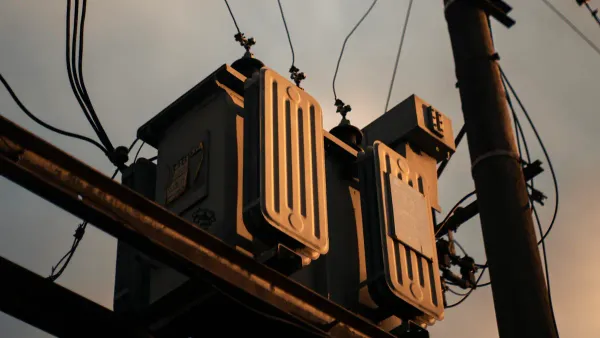
Basic Definition
You may ask, what is a buck and boost transformer? This device helps you adjust voltage levels for your electrical equipment. A buck boost transformer can either raise (boost) or lower (buck) the voltage, depending on what your system needs. Electrical engineering standards define a buck boost transformer as a transformer that changes the voltage level applied to equipment. You use it for small loads, usually up to 20% of its rated capacity. Many people use a buck boost transformer in places where the supply voltage does not match the equipment requirements. For example, you might see it in uninterruptible power supply (UPS) systems or other devices that need a different voltage than what is available.
Unlike standard isolation transformers, a buck boost transformer works as an autotransformer. This means the primary and secondary windings connect together, which makes the unit smaller and more efficient. When you wonder what is a buck and boost transformer, remember that it is not meant to isolate circuits but to correct voltage by a small amount, usually between 5% and 20%.
How Buck Boost Transformers Work
A buck boost transformer changes the voltage by adding or subtracting a small amount from the incoming line voltage. You can use it to fix voltage that is too high or too low. The typical voltage adjustment range for a buck boost transformer in industrial settings is between 5% and 20%. This range lets you either reduce (buck) or increase (boost) the voltage to match your equipment’s needs.
- You use a buck boost transformer when your equipment needs a voltage that is just a little different from what your power supply gives.
- The transformer has four windings: two primary and two secondary. This structure allows you to wire the transformer in different ways to get the voltage correction you need.
- Most buck boost transformers use a dry-type design. This means they do not use oil for cooling. The dry-type design makes the transformer safer because there is no risk of fire or explosion from flammable oils. It also helps protect your equipment from voltage spikes and electrical noise.
Tip: Dry-type buck boost transformers do not provide electrical isolation. If your application needs isolation for safety, you should choose a different type of transformer.
Key Features
When you look at what is a buck and boost transformer, you will notice several important features:
-
Voltage Adjustment Range: Buck boost transformers can adjust voltage by 5% to 20%. This range is perfect for correcting small voltage differences.
-
Four-Winding Structure: The four windings give you flexibility in wiring, so you can set up the transformer for many different voltage corrections.
-
Dry-Type Design: This design improves safety and performance. You do not have to worry about oil leaks or fire hazards.
-
Efficiency: Buck boost transformers are more efficient than many other voltage regulation devices. They waste less energy and help your equipment last longer.
-
Certifications and Standards: When you choose a buck boost transformer, you should look for important certifications. Here is a table of common standards:
Standard/Certification Description NEMA 3R Guidelines for indoor and outdoor use of electrical equipment. NEMA ST-20 Exceeds standards for buck-boost transformers. UL Listed Certification for safety in the United States. CSA Certified Certification for safety in Canada.
You will find buck boost transformers in both single-phase and three-phase versions. Single-phase models work well for small applications like HVAC and lighting. Three-phase models handle heavy loads, such as industrial machinery and data centers. Both types help reduce energy loss and improve the lifespan of your equipment.
If you ever wonder what is a buck and boost transformer, remember that it is a simple, cost-effective way to keep your voltage steady and your equipment safe.
Buck and Boost Transformer Applications

Industrial Uses
You will find many industrial applications for a buck boost transformer. In factories, you often need to keep machines running at the right voltage. If the voltage drops or rises, your equipment can stop working or even get damaged. A buck boost transformer helps you solve this problem by adjusting the voltage to the correct level. Many industrial setups use these transformers to keep small machinery and control panels safe. You might see them in renewable energy installations, where they adjust the voltage from solar panels or wind turbines to match what your system needs. This adjustment helps your equipment work better and last longer.
Commercial Uses
In commercial buildings, you use buck boost transformers for many applications. Lighting systems are a common example. When you install LED lights or other sensitive lighting equipment, you need stable voltage. A buck boost transformer keeps the voltage steady, which helps your lights work efficiently and last longer. This stability also protects your lighting devices from power surges or drops. You will also find these transformers in heating and cooling systems. They help HVAC units run smoothly by making sure the voltage stays within a safe range. This protection is important for sensitive electronics in offices, stores, and restaurants.
Note: Buck boost transformers regulate voltage, ensuring a steady power supply for sensitive equipment. They are versatile and work with many KVA sizes and voltage combinations. You can use them for lighting, heating, and cooling systems in commercial settings.
Typical Scenarios
You will see buck boost transformers in many real-world applications. Here are some of the most frequent scenarios:
- Lighting systems: Maintain optimal voltage levels for LEDs and other components.
- Renewable energy installations: Adjust generated voltage to match grid or load requirements, enhancing efficiency.
- Industrial setups: Ensure stable machinery operation and tackle voltage fluctuations.
When you choose a buck boost transformer for your application, you help protect your equipment and improve performance. These transformers give you voltage stability, which is crucial for both industrial and commercial applications. You can rely on them to keep your systems running smoothly and safely.
Buck and Boost Converters Explained
Buck Converter
You use a buck converter when you need to lower a voltage to power your devices safely. This type of dc-dc converter steps down the voltage from a higher level to a lower one. The basic operation of a buck converter involves two switches and an inductor. When the switch closes, the inductor stores energy. When the switch opens, the inductor releases this energy to the load. This switching action lets you control the current and keep the output voltage steady. The buck converter works by turning DC into AC and then back to DC through rapid switching. You can adjust the on-time of the switch to match the load current, which helps regulate the output voltage. Buck converters play a key role in power conversion for many electronic devices. You often find them in computers, battery chargers, and LED drivers. The buck converter gives you high efficiency, usually between 90 and 95 percent, which means less energy is wasted as heat.
Boost Converter
A boost converter does the opposite job. You use a boost converter when you need to increase the voltage from a lower level to a higher one. This type of dc-dc converter is common in battery-powered devices, solar panels, and electric vehicles. The boost converter uses a similar switching process as the buck converter. When the switch closes, the inductor stores energy. When the switch opens, the inductor releases energy, but this time it adds to the input voltage, raising the output voltage. The boost converter helps you get more voltage from a small power source. However, boost converters require more energy to operate, which makes them less efficient than buck converters. The inductor current in a boost converter flows directly to ground during the on-time, not through the load. Only part of the inductor current helps power the output, which lowers the overall efficiency. Even so, boost converters remain important for power conversion in many modern devices.
Buck vs. Boost Converters
You may wonder how buck and boost converters compare. Both types belong to the family of buck and boost converters, which handle voltage changes for different needs. The main difference is simple: a buck converter steps voltage down, while a boost converter steps voltage up. Buck converters usually give you higher efficiency because more of the inductor current goes to the load. Boost converters, on the other hand, need more energy and lose some efficiency since not all the current helps the output. In most cases, you choose a buck converter when you want to lower voltage and a boost converter when you need to raise it. Some systems use buck-boost converters, which can do both jobs depending on the situation. You see buck and boost converters in many power conversion applications, from small gadgets to large industrial systems. They help you get the right voltage for your equipment and keep everything running smoothly.
Selecting and Installing Buck Boost Transformers
Choosing the Right Transformer
When you select a buck boost transformer, you need to match it to your power supply and equipment. Start by checking the voltage difference between your power supply and what your equipment needs. This helps you pick the right voltage regulator for your system. You also need to know if your setup uses a single-phase or three-phase power supply. The type of load matters too. Some machines need more voltage regulation than others. Use the table below to guide your choice:
| Factor | Consideration |
|---|---|
| Voltage Difference | Identify the percentage of voltage adjustment needed. |
| Phase | Single-phase or three-phase system compatibility. |
| Load Type | Ensure the transformer can handle your equipment’s load. |
You should always choose a voltage regulator that matches your power supply and load. This helps you get the best voltage regulation and keeps your equipment safe.
Load and Voltage Considerations
Load requirements play a big role in picking the right transformer. Your buck boost transformer must have primary and secondary voltage and current ratings that fit your power supply and equipment. If you choose the wrong size, your voltage regulator may not work well. It could overheat or fail to provide steady voltage regulation. Always check the ratings before you install the transformer. This step helps you avoid problems with your power supply and keeps your voltage regulator working smoothly.
Tip: Careful planning helps you avoid voltage mismatches and keeps your equipment running without interruptions.
Installation and Safety
Proper installation keeps your power supply safe and your voltage regulator working well. Follow these safety steps:
- Always de-energize and ground the transformer before you start work.
- Use insulated tools and wear rubber-insulating gloves and sleeves.
- Connect the primary leads to the power supply first, then connect the secondary leads to your equipment.
- Make sure all connections are tight and secure before turning on the power supply.
- Test the transformer to check for correct voltage regulation before using your equipment.
You may face some challenges during installation. Voltage mismatches can cause equipment to drop out, especially if you use long cables. Some devices are sensitive to voltage sags, which can lead to shutdowns. Careful installation and regular monitoring help prevent overvoltages and protect your voltage regulator.
| Regulatory Requirement | Impact on Buck-Boost Transformers |
|---|---|
| National Electrical Code (NEC) | Ensures safety and proper functionality during installation. |
| Local Code Requirements | Must be adhered to for compliance and safety. |
Always follow the NEC and local codes when installing your voltage regulator. This keeps your power supply safe and ensures proper voltage regulation for your equipment.
Maintenance and Troubleshooting
Routine Maintenance
You want your buck boost transformer to deliver the best reliability. Regular care helps you avoid problems and keeps voltage regulation steady. Here are some simple tasks you should perform:
- Inspect the transformer regularly for any signs of wear.
- Check for loose connections that might affect reliability.
- Clean the transformer surface to prevent dust buildup.
- Look at the insulation for any damage or wear.
- Remove dirt and debris with a soft brush or cloth.
These steps help you maintain reliability and ensure your transformer provides consistent voltage regulation. When you follow a routine, you reduce the risk of unexpected failures and keep your equipment safe.
Common Issues
Even with good maintenance, you may face some common problems. Knowing what to look for helps you act quickly and protect reliability. Here is a table of typical failure modes you might encounter:
| Failure Mode | Description |
|---|---|
| Open Windings | This can lead to a single phasing situation, potentially causing equipment issues. |
| Short Circuits | Can result in a high current surge, leading to circuit protective devices activating. |
| Full Primary Voltage | If one transformer fails, there is a risk of full primary voltage reaching the load, which can be dangerous. |
You should watch for these issues to keep reliability high. Quick action helps you avoid damage and maintain proper voltage regulation.
Repair or Replace
When you notice a problem, you need to decide if you should repair or replace the transformer. Use these troubleshooting techniques to help you make the right choice:
- If the transformer overheats, check ventilation and tighten all connections to restore reliability.
- If you hear abnormal noise, inspect wiring and internal parts for damage.
- If you see overvoltage or undervoltage, verify all connections and examine the transformer for faults.
If you cannot fix the issue or if reliability drops, replacement may be the best option. Keeping your transformer in top shape ensures steady voltage regulation and protects your equipment. Reliable transformers mean fewer interruptions and better performance for your business.
Buck boost transformers give you reliable voltage regulation for industrial and commercial settings. You can see their main benefits in the table below:
| Benefit | Description |
|---|---|
| Cost-effective | Saves money compared to installing new power services. |
| Compact and easy to install | Fits well in tight spaces. |
| Improves equipment longevity | Extends the life of your machines by keeping voltage steady. |
| Enhances energy efficiency | Handles only the voltage difference, not the full load. |
| Reduces risk of damage | Protects devices from voltage problems. |
You may notice some limitations. Buck boost transformers do not offer full modularity or the highest efficiency found in other solutions. You should consider these factors when choosing your voltage regulation method.
New trends include smart materials, digital monitoring, and advanced designs for renewable energy. You can assess your needs by checking load requirements, voltage characteristics, and transformer capacity. Using a buck boost transformer calculator helps you pick the right size for your facility.
FAQ
What is the main purpose of a buck and boost transformer in power systems?
You use a buck and boost transformer to keep voltage steady in power systems. This helps you protect equipment and maintain high reliability. You often see these transformers in places where voltage changes can cause problems for sensitive devices.
Can I use a buck and boost transformer for battery charging?
Yes, you can use a buck and boost transformer for battery charging. It helps you match the voltage to your battery’s needs. This keeps your battery safe and improves high reliability during the charging process.
How do buck and boost transformers support high reliability applications?
You get high reliability in your equipment when you use buck and boost transformers. These transformers keep voltage stable, which prevents damage. High reliability applications, like switch-mode power supplies, depend on steady voltage for safe operation.
Are buck and boost transformers suitable for power supplies in battery systems?
You can use buck and boost transformers in power supplies for battery systems. They help you adjust voltage for battery charging and discharging. This keeps your battery healthy and supports high reliability in your setup.
What are some common uses for buck and boost transformers with batteries?
You often use buck and boost transformers with batteries in backup systems, solar setups, and battery charging stations. These transformers help you keep voltage at the right level, which improves battery life and ensures high reliability.