Can we use SMA connector to transmit clock signal easily
Yes, you can use sma connector to transmit clock signal easily. Many engineers ask, can we use sma connector to tr
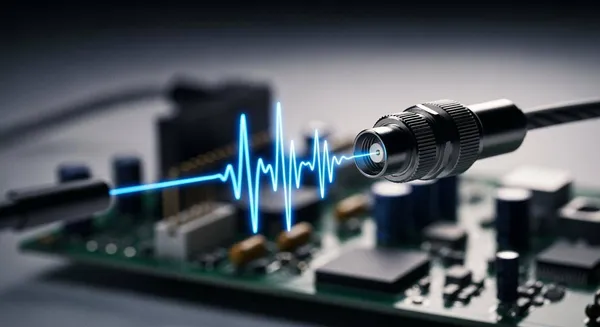
Yes, you can use sma connector to transmit clock signal easily. Many engineers ask, can we use sma connector to transmit clock signal in real projects? You can find sma connectors in labs, test benches, and production boards. When you wonder, can we use sma connector to transmit clock signal between devices, the answer is yes. You can trust sma for clear signal delivery. Can we use sma connector to transmit clock signal for both single-ended and differential clocks? No, you should use sma for unbalanced signals only. If you ask, can we use sma connector to transmit clock signal at high speed, sma handles it well.
Key Takeaways
- SMA connectors are ideal for transmitting unbalanced clock signals, ensuring clear and reliable signal delivery.
- These connectors support a wide frequency range, from DC to 18 GHz, making them suitable for both low-speed and high-speed applications.
- Using high-quality SMA connectors and low-loss cables minimizes signal loss and distortion, enhancing overall performance.
- Always match the impedance of your SMA connectors and cables to 50 ohms to maintain signal integrity and reduce reflections.
- Regular maintenance and inspection of SMA connectors help prevent issues like signal loss and ensure stable clock signal transmission.
Why Use SMA Connector for Clock Signals
Nova Technology Company (HK) Limited stands as a HiSilicon-designated solutions partner. You can rely on Nova for advanced chip-level solutions, system integration, and tailored applications in the IC industry. Nova supports semiconductor projects that demand robust clock signal transmission, making sma connector applications ideal for high-performance designs.
Electrical Properties of SMA
You need to understand the electrical properties that make the sma connector a top choice for clock signals. The sma connector offers reliable performance in many coaxial rf connector applications. You can see why engineers prefer sma for transmitting clock signals in high-frequency applications. The table below shows the key electrical properties that help maintain signal integrity and reliability:
| Electrical Property | Description |
|---|---|
| Insulation Resistance | You get high resistance when voltage is applied to the insulating part. Insulation material, temperature, humidity, and contamination affect this value. |
| Withstand Voltage | You can apply maximum voltage without breakdown. Contact spacing, insulator materials, and environmental conditions influence this property. |
| Low Standing Wave Ratio | You achieve efficient signal transmission with minimal reflection. This is crucial for maintaining signal integrity in clock signal applications. |
| Low Loss | You experience minimal signal degradation over distance. This is essential for high-frequency clock signals. |
| High Power Handling | You can transmit high power levels without failure. This is important for robust clock signal transmission. |
| Ease of Installation | You benefit from quick and reliable connections. This enhances usability in various electronic systems. |
You can trust the sma connector to deliver low loss and low standing wave ratio. These features help you maintain signal quality, especially when you use coaxial cables for clock signals. You also get high insulation resistance and withstand voltage, which protect your system from electrical faults.
The sma connector supports a wide frequency range. You can use it from DC up to 18 GHz. Some precision variants extend the frequency range to 26.5 GHz. This wide frequency range covers most clock signal requirements in modern electronic applications.
- You can use sma for clock signals in many coaxial rf connector applications.
- The frequency range lets you transmit signals for both low-speed and high-speed designs.
- You can rely on sma connector performance for both lab and production environments.
When you compare sma connector to other RF connectors, you notice differences in insertion loss and frequency range. The table below helps you see how sma stands out:
| Specification | 2.92 mm rf connector | SMA Connector |
|---|---|---|
| Frequency Range | Up to 40 GHz | Up to 18 GHz (26.5 GHz for precision) |
| Insertion Loss | Lower insertion loss at high frequencies | Higher loss as frequency increases |
You can choose sma connector for most clock signal applications because it balances performance and cost. The table below shows why sma connector is economical compared to other coaxial rf connector types:
| Connector Type | Cost Factors | Reason for Cost |
|---|---|---|
| SMA | Economical | Mass production, less stringent tolerances, and material use |
| 2.92mm | Expensive | Tighter tolerances, precision materials (stainless steel), complex air dielectric design |
You save money and get reliable performance with sma connector. This makes it popular in many electronic applications.
Compatibility with Clock Signal Types
You need to know which clock signal types work with sma connector. The sma connector is designed for unbalanced signals. You can use it for TTL, ECL, and LVPECL clock signals. The table below shows compatibility:
| Clock Signal Type | Compatibility with SMA Connectors |
|---|---|
| TTL | Yes |
| ECL | Yes |
| LVPECL | Yes |
You can use sma connector for single-ended clock signals. You should not use sma for balanced or differential signals. If you need to transmit differential clocks, you must choose other connector types.
You can use sma connector in many applications, including test benches, lab setups, and production boards. You can rely on sma for clear signal delivery in chip-level solutions and system integration projects. You can use coaxial cables with sma connector to ensure stable signal transmission.
Tip: Always check the signal type before connecting your clock source to an sma connector. You avoid signal distortion and maintain system reliability.
You can see that sma connector offers flexibility and reliability for clock signal transmission. You can use it in a wide frequency range, from DC to 18 GHz, and even up to 26.5 GHz with precision variants. You can trust sma connector for most clock signal applications in the IC industry.
Practical Considerations for SMA Clock Transmission
Signal Integrity and Frequency Range
You need to pay close attention to signal integrity when using an SMA connector for clock transmission. Signal quality can drop if you overlook certain design details. Common pitfalls include:
- Thermal relief issues: Adding a thermal relief structure to the SMA connector pad can introduce resonance artifacts that harm your signal.
- Impedance mismatches: The slot from a thermal relief can cause impedance mismatches, leading to reflections and signal degradation.
- Resonance effects: Slot wave modes may create resonances that interfere with your clock signal, especially if the resonance falls within your signal's bandwidth.
The frequency range of your SMA connector also matters. Standard SMA connectors support up to 18 GHz, while precision types reach 26.5 GHz. This wide range covers most clock signal needs in modern IC and RF systems.
| Connector Type | Frequency Range |
|---|---|
| Standard SMA | Up to 18 GHz |
| Precision SMA | DC to 26.5 GHz |
SMA Connector Quality and Cable Choice
The quality of your SMA connector and cable directly affects signal transmission. High-quality connectors ensure minimal signal loss, which is crucial for high-frequency clock signals. They also operate efficiently up to 18 GHz and withstand repeated use without losing performance.
Choosing the right cable helps you maintain signal strength. Here is a quick comparison:
| Cable Type | Characteristics | Signal Loss Impact |
|---|---|---|
| RG316 | Thin, light, flexible; tolerates high temperatures; resists kinking | Higher signal loss compared to others |
| RG58 | Sturdier, cost-effective; suitable for mid-length indoor links | Increased attenuation at higher frequencies |
| LMR-200/240 | Foam-PE dielectric, double shielding; low loss, weather-resistant | Best for outdoor reliability and stability |
Tip: Use low-loss cables like LMR-200 or LMR-240 for long or high-frequency clock signal runs.
Impedance and Matching
You must match the impedance of your SMA connector and cable to your system. SMA connectors maintain a standard 50-ohm impedance, which is ideal for most RF and clock signal applications. This consistent impedance minimizes signal reflection and helps you preserve signal quality.
- Always check that your entire signal path, including the SMA connector and cable, matches the 50-ohm standard.
- Avoid introducing slots or structures that disrupt impedance, as this can cause signal reflections and loss.
By focusing on these practical considerations, you ensure reliable clock signal transmission in your IC and RF projects.
How to Use SMA RF Connector for Clock Signals
Step-by-Step Connection Guide
You can set up a clock signal path with an sma rf connector in just a few steps. Start by gathering your components. You need a clock source, a destination device, a coaxial cable, and two sma rf connectors. Make sure each connector matches the 50-ohm impedance standard.
-
Inspect the sma rf connector
Check each connector for dust or damage. Clean the mating surfaces if needed. A clean connector ensures a strong signal. -
Attach the sma rf connector to your board
Align the sma rf connector with the board’s mounting hole. Solder the center pin to the clock signal pad. Secure the ground pins to the board’s ground plane. -
Connect the coaxial cable
Use a high-quality cable, such as LMR-200, for low loss. Tighten the sma rf connector by hand, then use a torque wrench for a snug fit. Do not overtighten. -
Link the destination device
Attach the other end of the cable to the device’s sma rf connector. Confirm the connection is firm. -
Power on and check the system
Turn on your devices. Watch for any error lights or resets. If the system boots up, your clock signal is likely present.
Tip: Always use the same type of sma rf connector and cable for both ends. This practice keeps impedance consistent and reduces reflections.
Testing and Troubleshooting
You should verify your clock signal after connecting with an sma rf connector. Use an oscilloscope to check timing, jitter, and signal levels. For deeper analysis, use a vector network analyzer to measure insertion loss and return loss. These tests help you spot issues like crosstalk or noise.
- Check for low jitter. Low jitter means your clock signal is stable and accurate.
- Measure phase noise and wideband noise. These values affect mixed-signal systems.
- Inspect for near-end and far-end crosstalk. Crosstalk can distort your clock signal.
If you do not detect a clock signal at the output, follow these steps:
- Confirm the external clock matches your device’s specifications.
- Reset the board and watch for boot-up errors. A reset may mean the clock signal is missing.
- Check the sma rf connector for loose connections or bent pins.
- Test the cable with another known-good system.
Note: The external clock signal is critical for devices like ADCs, DACs, and FPGAs. Always verify the clock path when troubleshooting.
You can maintain reliable clock transmission by following these steps with your sma rf connector setup.
Common Issues with SMA Clock Signal Transmission
Signal Loss and Distortion
You may face signal loss or distortion when using an sma connector for clock transmission. Several factors can cause these problems. The table below shows the most common causes and their explanations:
| Cause of Signal Loss | Explanation |
|---|---|
| Contamination | Contaminants can degrade signal quality and cause long-term damage. |
| Improper Torque | Ignoring proper torque specifications can lead to over-tightening or under-tightening, resulting in poor signal transmission. |
| Damaged Connectors | Using worn or damaged connectors can increase insertion loss and degrade signal quality. |
| Improper Cable Handling | Bending cables too sharply or twisting them can weaken connections, leading to signal loss. |
| Neglecting Inspections | Accumulation of dust, debris, or moisture can lead to performance issues and signal loss. |
Longer cables can also create problems. You may notice that as cable length increases, the electrical signal weakens. This happens because longer cables add capacitance and resistance, which can cause attenuation and distortion. You might see data errors or even a complete loss of connection if the cable is too long. Noise interference also becomes more likely with longer cables.
Tip: Always use the shortest cable possible for your sma clock connections. This practice helps you maintain strong and clear signals.
Connector Wear and Maintenance
You need to keep your sma connector in good condition to ensure reliable clock transmission. Over time, connectors can wear out from repeated use or improper handling. Dust, moisture, and other contaminants can build up and cause problems.
To extend the lifespan of your sma connector, follow these maintenance practices:
- Clean and decontaminate the connector regularly to remove dust and moisture.
- Use weatherproofing accessories if you work in harsh environments.
- Handle and mate the connector carefully to avoid mechanical stress or damage.
You can prevent many common issues by inspecting your sma connector before each use. If you see any signs of wear or damage, replace the connector right away. Good maintenance helps you avoid unexpected failures and keeps your clock signals stable.
You can rely on SMA connectors for easy and reliable unbalanced clock signal transmission. Their compact size, secure threaded coupling, and strong high-frequency support make them a top choice for many projects. Quality connectors and cables help you avoid signal loss and distortion. Remember, SMA connectors work best for unbalanced signals. For consistent results, follow best practices like using proper fixture design, smooth transmission line interfaces, and verifying connector frequency ratings. 🛠️
FAQ
Can you use SMA connectors for differential clock signals?
No, you should not use SMA connectors for differential signals. SMA connectors work best for unbalanced, single-ended clock signals. For differential clocks, choose connectors designed for balanced transmission.
What is the maximum frequency you can transmit with an SMA connector?
You can transmit clock signals up to 18 GHz with standard SMA connectors. Precision SMA connectors support up to 26.5 GHz. Always check your connector’s specifications before use.
How do you prevent signal loss when using SMA connectors?
You should use high-quality connectors and low-loss cables. Keep cable lengths short. Clean connectors before each use. Match the impedance of all components to 50 ohms.
What tools do you need to install SMA connectors properly?
You need a torque wrench for tightening, a lint-free cloth for cleaning, and a quality coaxial cable. These tools help you achieve secure and reliable connections.
How do you test a clock signal sent through an SMA connector?
Use an oscilloscope to check signal shape, timing, and jitter. For advanced analysis, use a vector network analyzer to measure insertion loss and return loss.