Definition of Actuating as the Heart of Machines
You can define actuating as the process of putting something into action or motion. This action makes actuating th
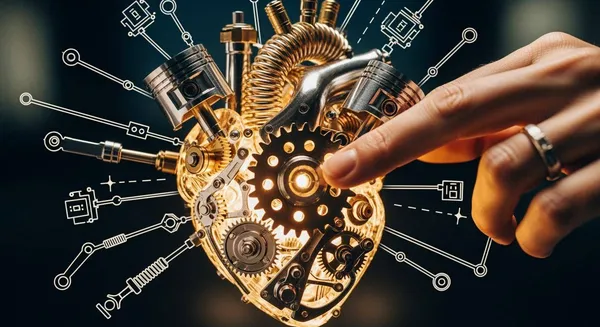
You can define actuating as the process of putting something into action or motion. This action makes actuating the heart of machines, since it turns energy into movement or function. In engineering, the definition of actuating involves specific device performance, while general usage means simply causing something to act.
Key Takeaways
- Actuating is the process that turns energy into motion, making it essential for machines to function.
- Actuators convert different energy types into movement, enabling precise control in various applications like robotics and automation.
- Understanding actuating helps you recognize its role in both machines and personal motivation, driving actions toward achieving goals.
Definition of Actuating
Mechanical Meaning
You encounter the definition of actuating most often in engineering and technology. In mechanical systems, actuating means starting movement or action by converting energy into force. You see this in devices called actuators. These devices take electrical, hydraulic, or pneumatic energy and turn it into motion. This motion can be straight (linear) or turning (rotary).
Here is a simple table to help you understand how experts describe actuating in mechanical engineering:
| Definition | Description |
|---|---|
| Actuator | A device that converts fluid power into mechanical force and motion. |
| Motion Types | Can provide either linear (straight line) or rotary motion using actuators. |
You find actuators in many machines. For example, a pump uses an actuator to move water or oil. A detonator uses an actuator to trigger a controlled explosion. In modern technology, you also see actuators in robotics, cars, and even in microelectromechanical systems (MEMS).
Some common types of actuators include:
- Electrohydrodynamic actuators: These use electric fields to move fluids, which helps pumps work with low power.
- Electrothermal actuators: These create movement by heating materials, often used in small devices.
- Fluidic soft actuators: These control fluid pressure in soft materials, allowing for complex movements like walking robots.
When you look inside a machine, you see that actuating starts with a signal from a sensor or controller. The actuator receives this signal and begins to move or operate. This process makes actuating the first step in making machines work. Engineering textbooks explain that sensors, transducers, and actuators must work together. You need to choose the right actuator and connect it properly for the machine to function well.
Industry standards, such as the ISA-96 series, set clear rules for actuators. These standards help engineers select the right actuator for each job, making sure machines stay safe and reliable.
Motivational Meaning
You also use the definition of actuating in a motivational sense. In psychology, actuating means starting or driving behavior. Motivation pushes you to act, whether you want to reach a goal, solve a problem, or make a decision.
Psychologists say motivation does three things:
- It starts behavior.
- It directs your actions toward a goal.
- It keeps you going until you finish.
You see motivation in many areas, such as school, sports, or work. For example, when you decide to study for a test, your motivation actuates your actions. In companies, leaders try to actuate employees by creating a positive environment. If people lack motivation, they may feel tired or lose interest in their work.
Motivation is important for success. It helps you achieve goals and avoid problems like burnout. Different theories explain how motivation works, but all agree that actuating is the spark that gets things moving.
Tip: When you think about actuating, remember that it means more than just starting a machine. It also means starting action in yourself or others.
By understanding the definition of actuating, you can see how it connects machines and people. In both cases, actuating means turning potential into action.
Actuating as the Heart of Machines

Central Role in Machines
When you look at any machine, you find that actuating sits at the center of its operation. The definition of actuating highlights its job as the process that brings machines to life. Mechanical actuators generate and transfer energy, making them essential for everything from simple tools to advanced robotics. Engineers continue to improve actuators, such as by developing water-responsive materials, to overcome current limits and boost the performance of robotics and energy systems. This ongoing innovation shows how important actuating is for the future of technology.
You can think of actuators as the engines that turn digital commands into real-world actions. In automation, actuators make machines move, open, close, or adjust with precision. If an actuator fails, especially in fields like aerospace or life sciences, the results can be serious. That is why engineers demand flawless performance from actuators to avoid downtime and keep systems safe.
Actuators are not just parts—they are the heart that keeps machines running smoothly and safely.
Control and Movement
Actuating gives you control over machines by converting energy into motion. When you send a signal, the actuator responds by producing force, torque, or displacement. This action allows machines to push, pull, lift, or rotate with accuracy. You see this in everything from robotic arms to automated valves.
- Actuators control motion by turning energy into mechanical movement.
- They translate control signals into physical actions, making tasks like lifting or rotating possible.
- Automation systems use actuators to reduce human error and improve efficiency.
Actuators work with controllers and sensors to ensure machines operate as intended. Feedback loops monitor actuator performance, allowing real-time adjustments. This teamwork enables precise control and reliable movement in industrial and everyday systems.
Types and Examples of Actuating
Common Actuator Types
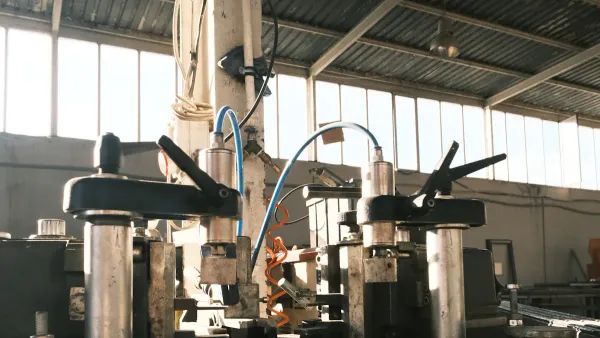
You see many actuator types in machines today. Electric actuators are the most common because they offer versatility, precision, and cost-effectiveness. You can use them for simple valve control or complex robotic systems. Many industries now prefer electric actuators over hydraulic and pneumatic systems. Electric actuators use less energy and need less maintenance.
Here is a table that shows how electrical, hydraulic, and pneumatic actuators differ:
| Actuator Type | Power Source | Key Components | Advantages | Disadvantages |
|---|---|---|---|---|
| Pneumatic | Compressed air | Cylinders, Valves, Pistons | High speed, cost-effective | Less precision, noisy, energy inefficient |
| Hydraulic | Hydraulic fluid | Cylinders, Valves, Pistons | High force, smooth motion | Complexity, potential leakage |
| Electrical | Electric power | Motor, Drive Mechanism, Controller | High precision, energy efficient | Higher initial cost, heat generation |
Micro actuators are now common in consumer electronics. You find them in smartphones, tablets, and wearable devices. These actuators help create precise movements in small spaces.
Nova Technology Company (HK) Limited stands out as a HiSilicon-designated solutions partner. You benefit from their expertise in chip-level solutions and system integration. Nova Technology Company (HK) Limited supports the integrated circuit industry with advanced application scenarios, including smart devices and industrial automation.
Actuating Process in Machines
You follow several steps when actuating a machine:
- Store actuators properly before installation.
- Identify products and check all parts.
- Follow safety precautions from manuals.
- Mount the actuator to the valve with correct alignment.
- Connect the power supply and set limit switches.
Engineering diagrams, such as P&ID diagrams, show how actuators control systems. You see valves and actuators working together to manage flow and pressure.
Real-World Examples
You encounter actuators in many everyday devices. Here is a table with practical examples:
| Example | Description |
|---|---|
| Elevators | Actuators control elevator doors and car movement. |
| Pumps | Actuators regulate fluid flow for efficient operation. |
| Power windows | Electric motor actuators raise and lower car windows. |
| Power seat adjusters | Electric motors adjust car seat positions. |
| Hospital beds | Electric linear actuators change bed height and position. |
| Automatic door closers | Actuators close doors automatically after opening. |
| Smart home devices | Motorized blinds and TV lifts use actuators for convenience. |
Actuators also play a key role in safety-critical devices like detonators. You see electrical explosive devices, pressure cartridges, and mechanical primers used to initiate actuation. Gas energy drives pistons, creating mechanical shock. Dampeners reduce shock in sensitive applications.
You understand the definition of actuating better when you see how these devices turn energy into action. Actuators improve energy efficiency in water treatment, manufacturing, and energy generation. They help machines work reliably and safely.
Tip: You can spot actuators in almost every automated system around you. They make technology smarter and more efficient.
You see actuating as the process that operates or controls mechanisms, turning energy into motion. This action drives technology in automation and robotics.
- Rotary actuators give machines movement, versatility, and precise control.
- At home, you notice actuators in TV lifts, motorized blinds, and adjustable desks.
Next time you use a device, look for the actuator at work!
FAQ
What is the main purpose of an actuator in a machine?
An actuator changes energy into movement. You use it to start, stop, or control parts of a machine.
Can you find actuators in everyday devices?
Yes! You see actuators in cars, elevators, hospital beds, and even in smart home gadgets like motorized blinds.
How do you choose the right actuator for a project?
You consider the type of movement, force needed, power source, and space available. Always check the machine’s requirements first.