Essential Functions of an Integrated Circuit in Modern Electronic Systems
Integrated circuits are very important in modern electronic systems. These devices put many functions, like amplification and logic control, on one small chip.
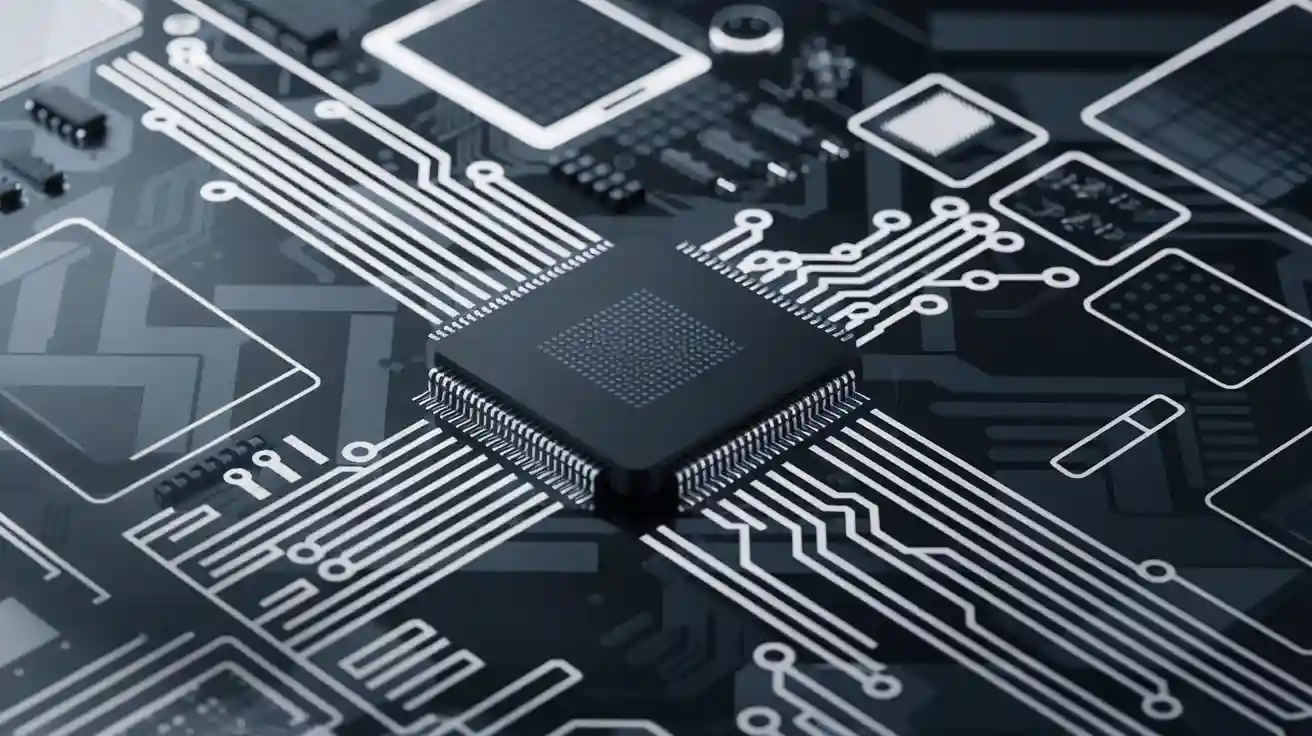
Integrated circuits are very important in modern electronic systems. These devices put many functions, like amplification and logic control, on one small chip. Engineers use integrated circuits instead of big separate parts. This helps electronics work better and last longer. The design of an integrated circuit makes electronic systems smaller and more efficient. Integrated circuits also help advanced electronics by giving better power management and faster data processing. Every function in these circuits is important for how today’s electronics work and are made.
Key Takeaways
-
Integrated circuits put many functions on a tiny chip. This makes devices smaller, faster, and more dependable. They do signal processing jobs like making sounds louder, cleaning up signals, and cutting out noise. This helps sound, pictures, and communication get better. Logic gates and microcontrollers inside help devices decide and control things fast and right. Power management circuits keep voltage steady and share power well. This helps devices use less energy and work longer. Memory units and communication interfaces store data safely. They also help devices share information easily.
Signal Processing in Integrated Circuits
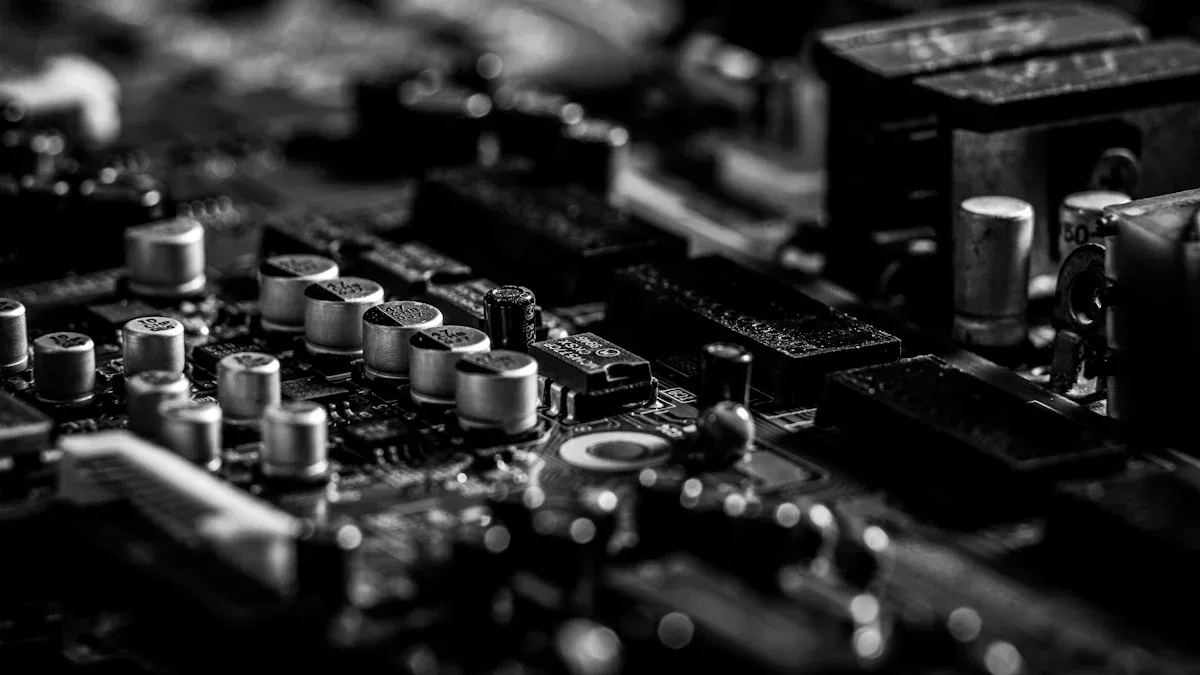
Integrated circuits are very important for signal processing. They work with both analog and digital signals in many devices. Signal processing in integrated circuits makes devices work better and cuts down on noise. These circuits use transistors and other parts to handle signals fast and correctly. Signal processing helps electronics do well in communication, entertainment, and industry.
Amplification Function
Amplification is a main job in signal processing. Integrated circuits use transistors to make weak signals stronger. This helps signals get ready for more steps or for output. For example, audio amplifiers in phones and speakers use integrated circuits for clear sound. Engineers make these circuits to work well and use little power. Amplification also helps in medical tools like hearing aids, where small sounds need to be louder for better hearing.
Note: Amplification in integrated circuits lets devices use tiny signals. This makes many modern uses possible.
Integrated circuits give steady amplification, which makes electronics more reliable. They also help lower noise during signal processing. This gives better sound and picture quality in many devices.
Oscillation and Filtering
Oscillation and filtering are also key parts of signal processing in integrated circuits. Oscillators make repeating signals, like clock pulses, to control timing in computers and other devices. Integrated circuits use oscillators in things like watches, radios, and wireless gadgets. These circuits keep devices working well by giving steady timing signals.
Filtering takes out unwanted parts of a signal. Integrated circuits use filters to block noise and let only the needed signals through. For example, in audio devices, filters take away background noise so music sounds clear. In communication, filters help split channels and make signals better.
-
Types of filters in integrated circuits:
-
Low-pass filters let low signals through and block high noise.
-
High-pass filters let high signals through and block low noise.
-
Band-pass filters let signals in a certain range through and block others.
-
Signal processing in integrated circuits also does encoding and decoding. These jobs change signals into new forms for storage or sending. For example, digital cameras use encoding to save pictures, and TVs use decoding to show images. Integrated circuits do these jobs fast, which helps many electronics work better.
Noise reduction is another big part of signal processing. Integrated circuits use special designs to get rid of unwanted signals. This makes talking clearer and devices work better.
Tip: Good signal processing in integrated circuits means better performance and longer device life.
Integrated circuits put amplification, oscillation, filtering, encoding, and noise reduction all on one chip. This helps make electronics smaller and work better. Many things, from phones to factory machines, need these signal processing jobs to work well.
Logic and Control Function
Logic Gates and Decision-Making
Logic gates are a big part of integrated circuits. These gates follow simple rules to handle signals. Each gate gets one or more inputs and gives an output. The output depends on the logic of the gate. For example, an AND gate only gives a high output if all inputs are high. An OR gate gives a high output if at least one input is high. Engineers use these gates to help electronics make choices.
Many logic gates can fit on one chip in an integrated circuit. This makes decision-making fast and steady. Devices like computers, calculators, and digital watches use these circuits to do their jobs. Logic gates help electronics follow steps and fix problems. In many cases, logic gates work together to control how a device acts when it gets different signals.
Note: Logic gates in integrated circuits let devices make choices fast and right.
Microcontrollers and Embedded Control
Microcontrollers are like tiny computers inside many electronics. Each microcontroller has a processor, memory, and input/output parts. Integrated circuits with microcontrollers control things like washing machines, cars, and toys. These circuits do jobs like reading sensors, moving motors, and showing things on screens.
Engineers design integrated circuits to put all needed parts on one chip. This helps make devices smaller and work better. Application specific integrated circuits, or ASICs, go even further. An ASIC is a special kind of integrated circuit made for one job. For example, a car’s airbag system uses an application specific integrated circuit to act fast in an emergency.
A table below shows some common uses for microcontrollers and ASICs:
|
Application |
Type of Integrated Circuit |
|---|---|
|
Home appliances |
Microcontroller |
|
Automotive safety systems |
Application specific integrated circuit |
|
Industrial robots |
ASIC |
|
Smart toys |
Microcontroller |
Integrated circuits give steady control in many electronics. Their logic and control jobs help make today’s devices smarter and safer.
Power Management by Integrated Circuits
Integrated circuits are very important for power in devices. They help devices use energy in a smart and safe way. Power management is needed in most modern systems. Power management integrated circuits give each part the right power. These circuits help devices last longer and work better.
Voltage Regulation
Voltage regulation is a basic job for integrated circuits. Many devices need steady voltage to work well. If voltage changes too much, devices can break or stop. Integrated circuits keep voltage at the right level. They use special parts to watch and fix voltage if needed.
For example, a phone needs steady voltage for its screen and processor. Integrated circuits in the phone check voltage all the time. They adjust power so the phone works well. Some voltage regulators use feedback systems. This system checks output and makes fast changes.
Tip: Good voltage regulation keeps devices safe and working longer.
Power Distribution
Power distribution means sending the right power to each part. Integrated circuits help split power between different sections. They make sure no part gets too much or too little power. This helps stop overheating and saves energy.
Many devices use more than one integrated circuit for power. For example, a laptop has circuits for the screen, keyboard, and battery. Each part gets the power it needs to work well. Some integrated circuits turn off parts when not in use. This saves power and helps the device last longer.
-
Main benefits of power distribution by integrated circuits:
-
Better energy use
-
Less heat
-
Longer device life
-
Safer operation
-
Integrated circuits make power management easy and safe. They help devices use energy in smart ways. Without these circuits, electronics would not work as well or last as long.
Data Storage and Communication Function
Memory Units in Semiconductor Devices
Memory units keep and handle data in many devices. These units use semiconductor materials to store information. An integrated circuit can have different memory types, like RAM, ROM, and flash memory. Each type has its own job in different uses. RAM holds data a device needs right now. ROM keeps important instructions that never change. Flash memory saves things like photos, music, and files in phones and cameras. Semiconductor memory units work quickly and use little energy. They help computers, tablets, and smart appliances run well. Many uses need memory to handle data from a sensor. For example, a temperature sensor in a smart thermostat sends numbers to the memory unit. The integrated circuit uses this data to control heat or cooling. In the internet of things, memory units help devices remember settings and past actions.
Note: Good memory units in semiconductor devices keep data safe and easy to find.
Communication Interfaces
Communication interfaces help devices share information. An integrated circuit often has these interfaces to connect with other parts or systems. Common interfaces are USB, SPI, I2C, and UART. Each one helps send data between chips, sensors, and controllers. A sensor in a car can use a communication interface to send speed or temperature data to the main computer. In home automation, sensors talk to a central hub using these interfaces. Many uses need fast and safe data transfer.
-
Key roles of communication interfaces:
-
Link sensors to controllers
-
Help data sharing in smart devices
-
Allow remote monitoring in industry
-
Communication interfaces in semiconductor devices help many modern uses. They let devices work together and react to real-time data. This teamwork makes life safer, more comfortable, and more efficient.
Integration, Miniaturization, and Reliability
Semiconductor Integration
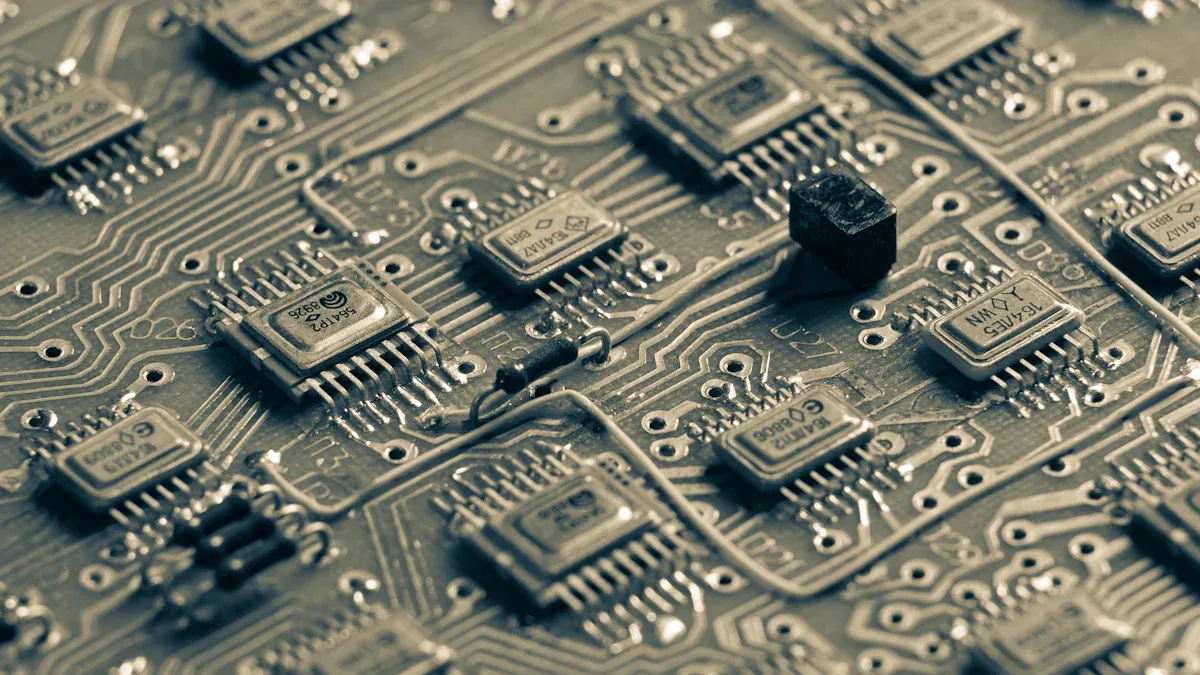
Engineers use semiconductor integration to put many jobs on one chip. This helps devices get smaller and lighter. A smartphone uses one chip for processing, memory, and communication. The chip design means fewer separate parts are needed. With fewer parts, devices take up less space and weigh less.
Semiconductor integration also makes electronics cheaper to build. Factories can make many chips at the same time. This saves both time and money. Devices with integrated circuits work well because signals move shorter distances inside the chip. Shorter paths help the chip work faster and use less energy. High performance is needed for computers, tablets, and smart home devices.
Tip: Semiconductor integration lets small gadgets have strong technology.
Protection and System Reliability
The chip’s packaging keeps it safe from harm. Engineers use tough materials to cover the chip. This keeps out dust, water, and heat. Good packaging helps the chip last longer and work well. It also stops electrical problems that could hurt the device.
Integrated circuits make systems more reliable by using fewer connections. Fewer connections mean there are fewer things that can break. The chip design also has features to stop power surges and overheating. These features help keep devices safe and working right.
A table below shows how packaging and integration help devices:
|
Feature |
Benefit |
|---|---|
|
Strong packaging |
Protects semiconductor |
|
Fewer connections |
Increases reliability |
|
Built-in safeguards |
Prevents damage |
Semiconductor integration and good packaging help devices work better, last longer, and cost less.
Integrated circuits help modern electronics do many jobs. They handle signal processing, logic control, power management, and data storage. These jobs make devices faster, last longer, and use less energy.
-
Phones, computers, and cars need integrated circuits to work well.
-
Engineers use these circuits to make technology smaller and more dependable.
Integrated circuits are important for the future of technology. As these tiny chips get better, people will see even more advanced devices.
FAQ
What is the main job of an integrated circuit in electronics?
An integrated circuit helps control and handle signals or power. It makes devices work faster and use less space. It also helps them last longer.
How do integrated circuits help save energy?
Integrated circuits give each part just the right power. This stops energy from being wasted and keeps things cool. Many devices use less electricity because of these chips.
Why do engineers use integrated circuits instead of separate parts?
Engineers pick integrated circuits because they do many jobs on one chip. This makes devices smaller and more reliable. It also costs less to make them.
Can integrated circuits store information?
Yes, integrated circuits can keep data safe. Memory chips like RAM and flash memory hold information. Devices use these chips to remember files, settings, and instructions.
Are integrated circuits important for safety in devices?
Integrated circuits help protect devices from getting hurt. They control voltage and stop things from getting too hot. Many safety systems in cars and home devices use these chips.