Is Your HiSilicon Supply Chain Safe? Find Out Now
Current U.S. trade restrictions, including the BIS Entity List, directly impact HiSilicon. This regulatory environment makes

Current U.S. trade restrictions, including the BIS Entity List, directly impact HiSilicon. This regulatory environment makes authorized distributors the only path for securing supply. Many companies, however, operate with significant risk and exposure.
A vast majority—over 70%—of all semiconductor sourcing happens through risky, non-authorized channels.
This reality threatens production lines and product integrity. Procurement managers need a clear, actionable framework to achieve total supply chain security and eliminate these vulnerabilities. This guide provides that essential framework.
Key Takeaways
- Buying HiSilicon parts from unauthorized sellers is very risky. It can lead to fake parts, legal problems, and harm your company's name.
- Always buy HiSilicon parts from official, authorized distributors. They guarantee real parts, steady supply, and full support.
- Check your suppliers carefully. Ask for proof of their authorization and a clear history of where the parts came from.
- Watch out for warning signs of risky sellers. These include very low prices, unprofessional websites, and unclear contact information.
- Use the official HiSilicon website to find authorized sellers. This helps you avoid problems and keeps your supply chain safe.
THE GEOPOLITICAL RISK FACTOR

Geopolitical tensions create significant supply chain turmoil. A 2024 Gartner survey found that global trade policy uncertainty is now the top concern for 69% of supply chain executives. This environment directly impacts any company using HiSilicon components. Procurement managers face a complex web of regulations that makes sourcing a high-stakes activity.
NAVIGATING TRADE RESTRICTIONS
The U.S. government placed Huawei and its affiliate HiSilicon on the Commerce Department's Entity List. This action severely restricts their access to American technology. The Bureau of Industry and Security (BIS) uses the "direct product rule" to close loopholes. This rule targets foreign-made semiconductors produced using U.S. software or equipment. Furthermore, the U.S. defense bill (NDAA Section 889) prohibits government agencies from doing business with companies that use HiSilicon components. These powerful supply chain headwinds have pushed China to accelerate its goal of chip self-sufficiency.
THE COMPLEX SECURITY CAMERA SUPPLY CHAIN
The security camera industry is especially vulnerable. It relies heavily on specialized Systems-on-a-Chip (SoCs) where HiSilicon was a market leader. The global chip shortage made these components even harder to find. This scarcity pressured many manufacturers to look beyond safe, authorized channels. The situation highlights a critical need for robust supply chain security to avoid production halts and compliance violations.
THE GREY MARKET MINEFIELD
A staggering 71-75% of all semiconductor sourcing occurs through unauthorized channels. This "grey market" is a minefield of risk. It offers no traceability, no quality guarantees, and no protection from counterfeit parts.
"The resurgence of protectionist trade policies...has disrupted demand forecasting and inventory planning across industries," explains USD professor Simon Croom. "To navigate these shifts, leaders must diversify their supplier base, invest in advanced analytics...and strengthen compliance programs."
Sourcing from these channels exposes your company to defective products and severe legal penalties for violating trade restrictions.
SECURING SUPPLY VIA AUTHORIZED CHANNELS

Navigating the current market requires a strategic shift away from risk and toward reliability. The only effective method for securing supply and mitigating compliance dangers is to partner exclusively with authorized distributors. These partners provide a controlled, transparent, and stable procurement environment that the grey market simply cannot offer.
GUARANTEED AUTHENTICITY
Authenticity is the bedrock of product quality and reliability. Authorized distributors are the only source that can guarantee 100% genuine components. They provide a fully traceable path directly from the factory floor to your production line.
An authorized channel offers a "direct-from-factory" chain of custody. This eliminates any opportunity for counterfeit or refurbished parts to enter the supply stream.
Without this assurance, the burden of verification falls entirely on the procurement team. This process is both complex and costly. A company would need to perform numerous checks to confirm a shipment's legitimacy, including:
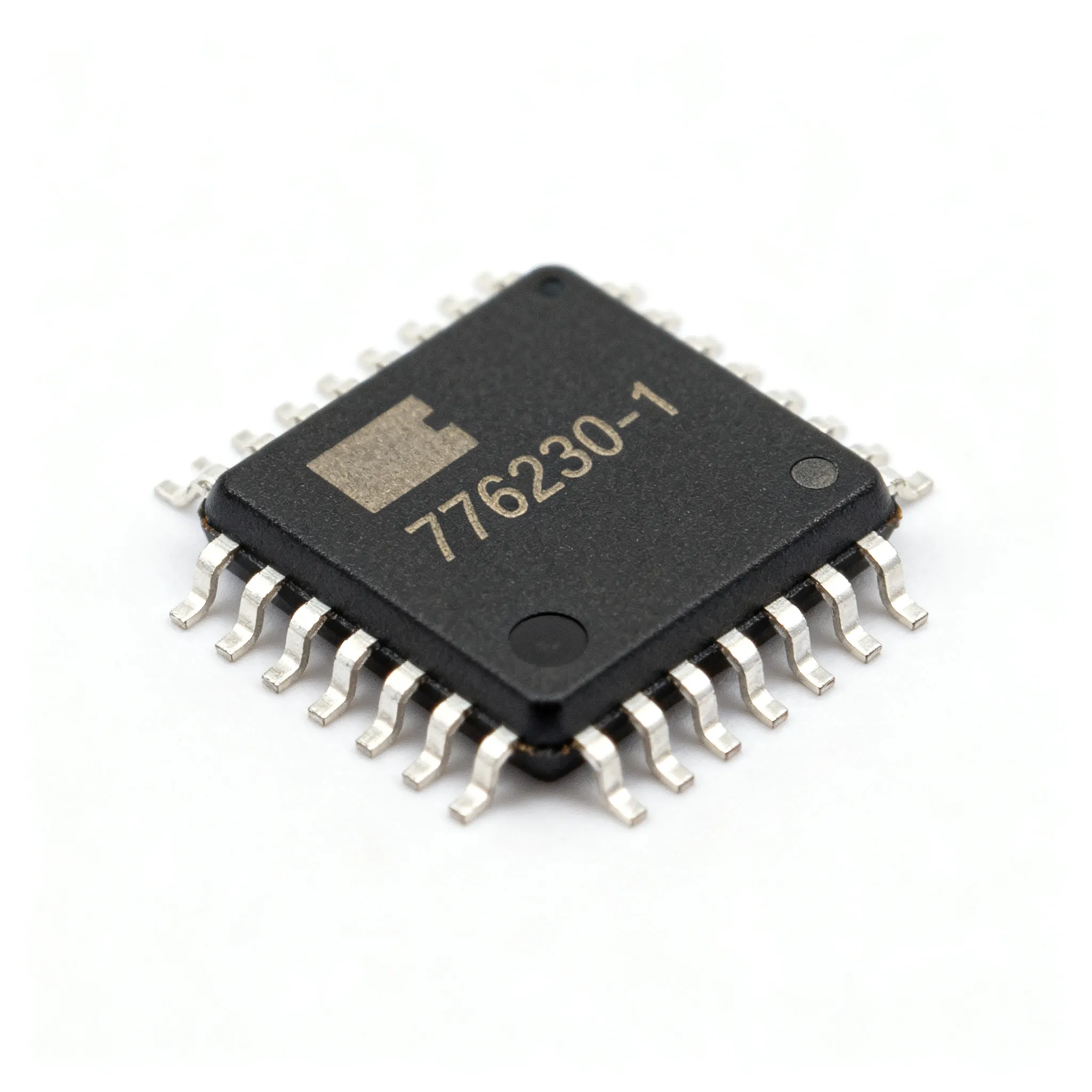
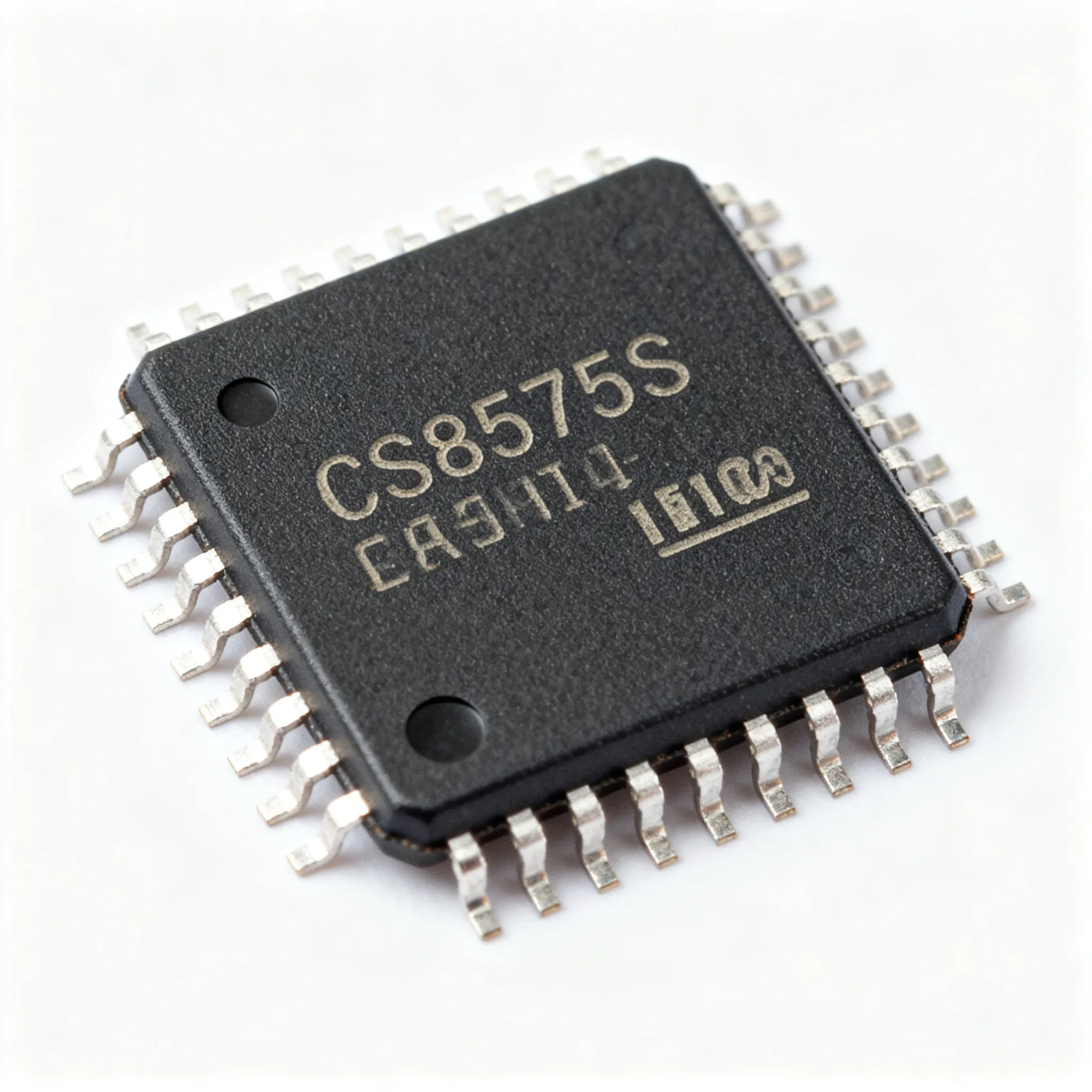
- Visual and Microscopic Inspection: Examining chip surfaces for scratches, odd markings, or signs of polishing. Genuine components have rounded edges, while refurbished parts often have sharp, right-angled edges from being sanded down.
- Marking and Printing Analysis: Verifying logos, serial numbers, and production date codes. Authentic chips use laser marking that is clear and durable, whereas counterfeit parts may have blurry, easily erasable, or slightly raised silk-screened printing.
- Packaging Verification: Ensuring outer boxes, anti-static bags, and reels match the original manufacturer's standards. Inconsistent or low-quality packaging is a major red flag.
These manual checks are resource-intensive and not foolproof. Sourcing through authorized channels removes this entire layer of risk and operational overhead.
SUPPLY STABILITY AND FORECASTING
The grey market is defined by price volatility and unpredictable stock. Authorized distributors, however, provide stability through sophisticated inventory management. This commitment to supply chain security is critical in a market where geopolitical factors can disrupt availability overnight. As nations pursue goals like chip self-sufficiency, these stable partnerships become even more valuable.
Authorized partners use advanced strategies to prevent stockouts and ensure consistent delivery, including:
- Improved Demand Forecasting: They use historical sales data and market trends to predict future needs accurately.
- Vendor-Managed Inventory (VMI): In a VMI system, the supplier takes responsibility for monitoring and replenishing stock levels, reducing the management burden on your team.
- Safety Stock Maintenance: They keep a buffer of critical components to protect against unexpected demand spikes or supplier delays.
- Strong Supplier Relationships: Open communication allows them to anticipate needs and secure inventory, especially during peak times or new product launches.
This strategic approach to inventory makes securing supply a predictable process, allowing your company to plan production schedules with confidence.
EXCLUSIVE TECHNICAL SUPPORT
Beyond the components themselves, authorized distributors provide invaluable post-sale support. This includes access to manufacturer warranties, technical documentation, and expert assistance—protections that are absent in the grey market. The difference in support and recourse is stark.
| Market Type | Warranty & Support | Return Policy |
|---|---|---|
| Authorized Distributor | Full manufacturer-backed warranty | Clear RMA and return verification process |
| Grey Market | Variable to non-existent | Limited to no options for defective parts |
Authorized distributors are contractually required to honor the full manufacturer's warranty. They have robust Return Merchandise Authorization (RMA) processes to handle any issues with defective parts. This ensures that if a problem arises, you have a clear and reliable path to a resolution. Grey market sellers offer no such guarantee, leaving companies to absorb the total financial loss from faulty components.
A GUIDE TO VETTING YOUR SUPPLIERS
A failure to properly vet suppliers creates significant business liabilities. The process of securing supply goes beyond just finding available parts; it involves rigorous due diligence to protect the entire organization. Companies that neglect this process expose themselves to severe risks, including:
- Compliance Issues: Using unauthorized components can lead to product recalls or serious legal liability, especially concerning trade restrictions.
- Reputation Damage: Products that fail in customers' hands due to substandard parts can permanently damage a brand's reputation.
- Compromised Integrity: Counterfeit components undermine product quality and performance from the inside out.
A systematic vetting process is the only way to mitigate these dangers.
THE VERIFICATION CHECKLIST
A robust verification process relies on documentation and proof. Procurement teams should request and scrutinize specific documents before engaging with any new supplier. A comprehensive checklist provides a consistent framework for evaluation.
Key documents for supplier verification include:
- Certificates of Analysis (COA): This document is essential for confirming that a batch of components meets all required technical specifications.
- Safety Data Sheets (SDS): These sheets are crucial for ensuring the safe handling and storage of materials.
- Staff Training and Qualifications: A supplier should provide records of staff training for equipment operation, component handling, and safety protocols.
- Equipment Maintenance and Calibration: Teams should review documentation for critical equipment. This ensures scales, temperature monitors, and other tools are accurate and consistently maintained.
ESSENTIAL QUESTIONS TO ASK
Asking the right questions separates legitimate partners from risky sellers. A procurement manager should approach every potential supplier with a prepared list of inquiries designed to confirm authenticity and reliability.
| Category | Essential Question | What to Look For |
|---|---|---|
| Authorization | "Can you provide proof of your official authorization from the manufacturer?" | A formal letter or certificate of authorization. The supplier should appear on the manufacturer's official partner list. |
| Traceability | "Can you provide a complete chain of custody for these components?" | Documentation tracing the parts directly from the factory to their warehouse, with no gaps. |
| Inventory | "How do you manage your inventory to guarantee supply stability?" | A clear explanation of their forecasting, safety stock, and vendor-managed inventory (VMI) systems. |
| Compliance | "What is your process for ensuring compliance with U.S. trade regulations?" | A documented compliance program and knowledge of restrictions like the Entity List and NDAA Section 889. |
For HiSilicon components, teams can directly verify a supplier's claims. A business should cross-reference any potential partner with the 'Where to Buy' section on HiSilicon's official website. This page lists official 'Sales Partners' and includes their contact information, supported products, and regions of operation. This simple check is a powerful tool for eliminating unauthorized sellers immediately.
RED FLAGS OF UNAUTHORIZED SELLERS
Unauthorized sellers often leave a trail of warning signs. Recognizing these red flags is critical for avoiding the grey market minefield.
One of the most obvious indicators is price. A suspiciously low price that significantly undercuts the market should be treated with extreme caution. These price discrepancies often mean the seller acquired the products through unauthorized or illicit means.
Beyond pricing, procurement teams should watch for other common warning signs: 🚩
- Unprofessional Websites: A site that lacks clear contact information, looks outdated, or has broken links is a major red flag.
- Generic Contact Information: Suppliers using only a mobile number or a free email address (e.g.,
[email protected]) lack professionalism. A legitimate business will use an email address that matches its company domain (e.g.,[email protected]). - Questionable Physical Addresses: Teams should use tools like Google Maps to verify a supplier's address. If it leads to a residential home, an empty lot, or a P.O. box, the supplier is likely not a legitimate distributor.
- Poor Communication: Emails containing spelling mistakes or exhibiting urgent, pushy sales tactics are hallmarks of unprofessional operations.
These signs, whether alone or in combination, signal a high-risk supplier that should be avoided.
The current regulatory environment makes sourcing HiSilicon components from unauthorized channels a significant business and compliance liability. Companies face severe penalties for sanctions violations and other compliance failures. A strict policy of partnering exclusively with verified, authorized distributors is the only path to true supply chain security. This approach is essential for securing supply long-term.
Procurement teams must audit their current suppliers immediately. Use the provided checklist to eliminate any grey market exposure before it leads to production shutdowns or catastrophic product failures.
FAQ
Why is the grey market so risky for HiSilicon parts?
The grey market offers no traceability. Companies risk receiving counterfeit or defective components. These parts lack manufacturer warranties and can lead to product failures. Sourcing from these channels also creates serious legal and compliance liabilities for the business.
How can a company verify a HiSilicon supplier?
A business should check the official HiSilicon website. The "Where to Buy" page lists all authorized sales partners by region. A supplier not on this list is not an authorized distributor. This simple check provides immediate confirmation and security.
What happens if a company uses unauthorized components?
Using unauthorized parts exposes a company to significant dangers. These risks include product recalls, legal penalties for violating trade laws, and severe damage to the brand's reputation. It undermines the integrity and reliability of the final product.
Are low prices the only sign of a grey market seller?
Low prices are a major red flag 🚩. However, procurement teams should also watch for other signs. These include unprofessional websites, generic email addresses, and an inability to provide official authorization documents. A combination of these signs indicates high risk.