Low Volume PCB Assembly: Cost-Effective Solutions for Prototyping and Small Production Runs
When making a prototype or small batch, money matters a lot. Low volume PCB assembly can seem hard since unit costs go up. Also, finding trustworthy partners can be tough.
When making a prototype or small batch, money matters a lot. Low volume PCB assembly can seem hard since unit costs go up. Also, finding trustworthy partners can be tough. The good news is, you can save money and keep quality high. Smart designs and efficient steps help you save time and cut waste. This way, your project gets done quicker and smoother.
Key Takeaways
-
Pick manufacturers who focus on low volume PCB assembly. They know your needs and help save time and money.
-
Use Design for Manufacturability (DFM) to make better PCB designs. It lowers mistakes and makes production easier.
-
Choose common parts to save money and simplify assembly. Standard parts cost less and are easy to find and use.
-
Build good relationships with your suppliers. Talking often and showing respect gets you better support and faster service.
-
Plan for growth by designing PCBs that can scale. This helps you handle more orders without changing suppliers.
Challenges in Low Volume PCB Assembly
Making a small number of PCBs has its own problems. These issues can affect your money, schedule, and project success. Let’s look at the main challenges and their effects.
Dealing with High Per-Unit Costs
Small PCB batches cost more per board. Why? Setup and fixed fees stay the same, no matter the quantity. This makes small orders feel pricey. To save money, use smart designs and good materials. For instance, choosing common parts can lower costs without losing quality.
Finding Limited Supplier Choices
It’s hard to find suppliers for small PCB orders. Many companies prefer big orders because they earn more. This means fewer options for you. Some suppliers may also lack skills for small jobs. Working with experts in small runs can help. They know how to meet your specific needs.
Solving Quality Control Problems
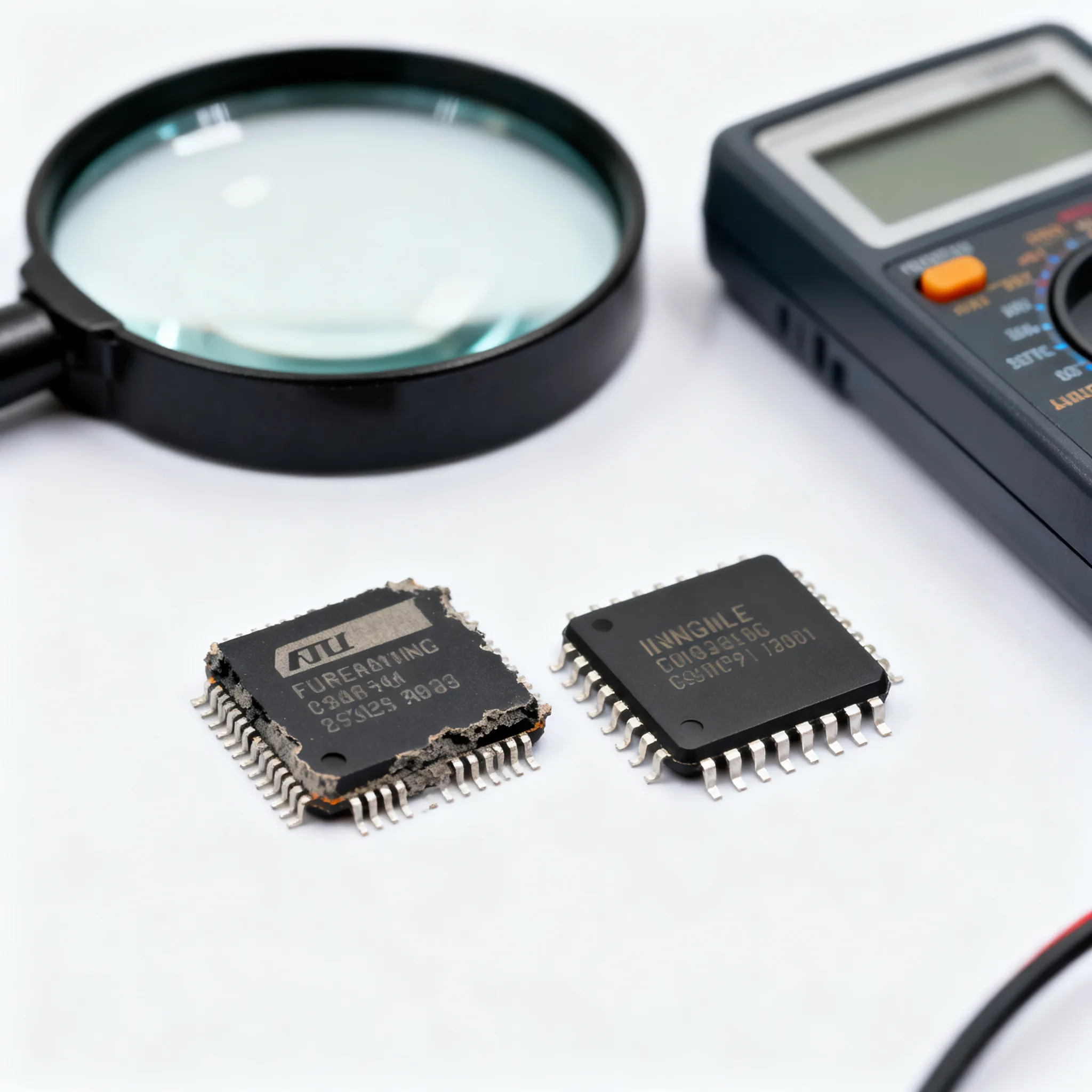
Quality is very important for small PCB batches. A tiny mistake can cause big trouble. Testing and fixing problems early is key. Old methods often miss small errors in the process. New tools, like machine learning, can improve accuracy. Experienced engineers can also help avoid mistakes and keep quality high.
Cost-Effective Solutions for Low Volume PCB
When working on low volume PCB assembly, saving money while keeping quality is key. By making smart decisions and using proven methods, you can improve results and create a better product. Here are three helpful solutions to guide you.
Working with Specialized Manufacturers
Picking the right manufacturer is very important for your project. Specialized manufacturers focus on small PCB orders and know your specific needs. They use efficient processes to handle small jobs well. This can save both time and money.
Tip: Choose manufacturers experienced with prototype boards. Their skills help them manage small runs while keeping quality high.
Research shows specialized manufacturers often perform better than general ones. For example:
-
Wu (2007) found that specialized firms use fewer resources to increase sales.
-
Liu and Wang (2009) showed Taiwanese PCB companies focusing on certain stages had better results.
-
Wang et al. (2010) highlighted areas like production and marketing where specialized firms excel.
By choosing experts, you lower costs and ensure your boards meet top standards.
Using Design for Manufacturability (DFM)
Design for Manufacturability (DFM) is a big help for small PCB projects. It means designing boards to fit the manufacturing process. This reduces mistakes and makes production smoother.
When you work with your manufacturer during design, they can give feedback. This helps fix problems before production starts. It saves time and avoids costly errors. For example, a bad design could stop production or waste materials. DFM prevents these issues and improves the final product.
Think of DFM as a link between design and production. It helps both teams work together, improving efficiency and cutting costs. It’s a proven way to boost performance in low volume PCB assembly.
Choosing Standardized Components
Using standardized parts is an easy way to save money. These parts are common, cheaper, and simple to find. They also make assembly easier and reduce mistakes.
Custom parts might seem nice but can cost more. They may need special handling or take longer to get, delaying your project. Standardized parts keep costs low and speed up production.
Note: Standardized parts don’t just save money—they also make boards more reliable. Manufacturers know these parts well, so there are fewer errors and better quality.
Adding standardized parts to your design helps keep your low volume PCB assembly on budget and on schedule.
Ensuring Quality in Low Volume Runs
Keeping high quality is very important in small PCB runs. One mistake can ruin your whole project. But don’t worry—there are simple ways to ensure your PCBs are top-notch. Let’s explore three helpful strategies.
Why Thorough Testing Matters
Testing is the best way to ensure quality. Skipping it can lead to big, costly problems later. By testing carefully, you can find and fix issues early.
Start with functional testing to check if the board works. Next, use in-circuit testing (ICT) to test each part. If you’re unsure how to start, ask your manufacturer for help. Many experts offer testing services for small PCB orders.
Tip: Write down your testing steps. This helps you learn what works and makes future projects easier.
Picking the Right Materials
Good materials are key to making strong PCBs. Cheap materials might save money now but can fail later. Always pick materials that fit your project’s needs.
For example, use heat-resistant materials for high-temperature boards. For sensitive uses, choose materials with great electrical properties. Talk to your supplier—they can suggest the best options for your project.
Note: Good materials not only improve quality but also make your PCBs last longer.
Working with Skilled Engineers
Experienced engineers can greatly improve your project. They know how to avoid mistakes and solve problems. Their help makes designing and building PCBs much easier.
Ask your manufacturer if they have engineers to assist you. These experts can check your design, offer tips, and make sure your PCB is ready for production. Their advice can save time, money, and stress.
Pro Tip: Build a good relationship with your engineers. The better they know your goals, the more they can help you succeed.
Quick Turnaround Strategies for Low Volume PCB Assembly
When making small batches, time matters as much as money. Finishing quickly helps meet deadlines and launch products faster. Below are ways to speed up your low volume PCB assembly process.
Improving Design Files and Documents
Clear design files make production faster. Organized files let manufacturers start work right away. Check your schematics, BOM, and Gerber files for mistakes before sending them. Fixing errors early avoids costly delays later.
A good prototyping process reduces mistakes and smoothens manufacturing. Solving problems early improves quality and reliability. For example:
-
Look for missing or wrong parts.
-
Make sure your design fits the manufacturer’s rules.
-
Add clear instructions for assembly.
Spending time on better documentation saves time during production.
Choosing Nearby Suppliers
Local suppliers can cut waiting times a lot. Being close means faster shipping and easier communication. Local companies often share your time zone, solving problems quicker. Some, like Avanti Circuits Inc., offer same-day services with great quality.
Why pick local suppliers?
-
Shipping is faster over short distances.
-
No delays from customs or trade rules.
-
Easier teamwork with shared time zones and languages.
Local suppliers help you finish faster without losing quality.
Using Automated Tools
Automation speeds up small batch production. Machines handle tasks like soldering and placing parts accurately. This reduces mistakes and saves time. Many factories use robots and software to make assembly quicker.
For instance, automated optical inspection (AOI) finds defects fast. These tools save time and improve quality, perfect for small runs.
Tip: Ask your manufacturer about their automation tools. The right machines can make your project faster and better.
By improving designs, using local suppliers, and adding automation, you can finish low volume PCB assembly projects quickly and efficiently.
Best Practices for Low Volume PCB Assembly
Building Strong Supplier Relationships
Good supplier relationships are key to your low volume PCB assembly. Working closely with suppliers helps both sides succeed. Suppliers who understand your needs will prioritize your orders and give advice.
Here’s how to build strong connections:
-
Communicate clearly: Share your goals, deadlines, and needs early.
-
Be consistent: Use the same suppliers for future projects. Trust grows over time.
-
Show appreciation: Thank them or give positive feedback when they do well.
Tip: Treat suppliers like teammates. When they feel valued, they’ll work harder to help you.
Planning for Scalability
Even small projects should plan for future growth. What if your prototype becomes popular? Thinking ahead now avoids problems later.
Design your PCB to handle bigger production needs. Pick parts that are easy to find in large amounts. Choose a manufacturer who can handle both small and big orders. This way, you won’t need to switch suppliers as demand grows.
Pro Tip: Ask your supplier if they can scale up. A good supplier will help you grow smoothly from small to large batches.
Budgeting for Contingencies
Surprise costs can happen anytime during your project. A part might go out of stock, or a design change could cost more. That’s why having extra money in your budget is important.
Set aside 10-20% of your budget for unexpected costs. This extra money helps you solve problems without delays. Track your spending and adjust your budget as needed.
Note: A smart budget isn’t just about saving—it’s about being ready for surprises.
By following these tips, you’ll do well in low volume PCB assembly. Strong supplier ties, scalable designs, and smart budgeting will keep your projects smooth and stress-free.
Low volume PCB assembly doesn’t have to feel difficult. Work with specialized manufacturers, use common parts, and plan for growth. These steps save both time and money while keeping quality high.
Remember: Success comes from balancing cost, quality, and efficiency.
Using these tips makes prototyping and small production runs easier. Start now, and your PCB projects will improve quickly. Ready to move forward? A few smart choices can lead to great results!
FAQ
What is low volume PCB assembly?
Low volume PCB assembly means making a small number of circuit boards. It’s great for testing designs or small production needs without making too many.
How can I reduce costs in small PCB runs?
You can save money by using common parts and better designs. Work with manufacturers who focus on small jobs to avoid waste and improve efficiency.
Why is testing important for small PCB batches?
Testing makes sure your boards work properly. It finds mistakes early, saving time and money. Functional and in-circuit testing are helpful for checking quality.
How do I choose the right manufacturer for small runs?
Pick manufacturers who know how to handle small PCB orders. They understand the challenges and can provide solutions that fit your needs.
Can small runs scale up to larger production?
Yes! Design your PCB to grow with demand. Use easy-to-find parts and choose manufacturers who can handle both small and big orders. This makes scaling up easier.