Never Underestimate the Importance of Flux Soldering
Solder flux is the unsung hero in modern electronics. The primary mission of this flux in any soldering process is
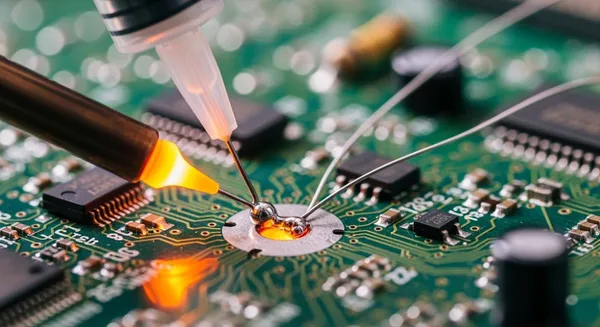
Solder flux is the unsung hero in modern electronics. The primary mission of this flux in any soldering process is chemical cleaning. Metals naturally develop an invisible oxide layer. This barrier prevents solder from forming a proper bond.
A weak solder flux cannot remove this barrier, which directly compromises solder joint quality. The right flux is therefore critical for all soldering.
This powerful flux chemistry makes successful flux soldering possible. It allows the solder to wet the surface correctly, ensuring the success of the soldering operation and a permanent solder bond. The reliability of the entire soldering process hinges on this initial cleaning action by the flux.
Key Takeaways
- Solder flux cleans metal surfaces. It removes invisible rust. This helps solder stick well.
- Flux protects the metal during heating. It stops new rust from forming. This makes a strong connection.
- Flux helps solder flow smoothly. It makes the solder spread evenly. This creates a good, reliable joint.
- Different jobs need different fluxes. Consumer electronics use 'no-clean' flux for speed. Important systems need strong flux and careful cleaning.
- Always use the right flux for electronics. Never use plumbing flux. Cleaning flux residue is important for devices to last.
The Science of Flux Soldering
Successful soldering depends on fundamental chemistry. Solder flux is not just a cleaning agent; it is a multi-functional chemical tool that performs three critical actions. It cleans the metal, protects it from heat, and helps the solder flow. Understanding this science reveals why flux is essential for every reliable solder joint.
The Primary Mission: Removing Metal Oxides
The primary job of solder flux is to chemically remove metal oxides. These invisible layers form on all metal surfaces exposed to air. The solder flux contains a mild acid. This acid initiates a chemical reaction to clean the surface before soldering.
The basic reaction is: Metal Oxide + Acid → Salt + Water
During this process, the acid in the flux interacts with the metal oxide. Hydrogen from the acid bonds with oxygen from the oxide, creating water. The remaining elements from the acid combine with the metal to form harmless metallic salts. This reaction leaves behind a perfectly clean metal surface, ready for the solder to bond.
The Protective Shield: Preventing Oxidation During Soldering
Cleaning the metal is only the first step. The intense heat required for soldering would cause new oxides to form instantly on the clean surface. Solder flux prevents this re-oxidation. As the joint heats up, the flux melts and spreads, creating a protective barrier over the metal.
This liquid shield blocks oxygen in the surrounding air from reaching the hot metal. The flux keeps the surface clean throughout the heating process, right up until the solder solidifies. This blanketing action is crucial. It ensures the solder bonds directly to pure metal, forming a strong and durable metallurgical connection.
The Flow Enhancer: Promoting Solder Wetting
Finally, solder flux acts as a wetting agent. It dramatically improves how molten solder flows and adheres to a surface. This property is achieved by reducing the surface tension of the liquid solder. Much like a drop of soap helps water spread across a plate, flux helps solder spread across a metal pad. This action is critical for achieving good "wetting."
- Good Wetting: The solder flows smoothly and forms a concave fillet with a low contact angle (under 90°). This indicates a strong, continuous bond.
- Poor Wetting: The solder fails to flow, beading up into balls with a high contact angle (over 90°). This signals a weak or failed joint.
By lowering surface tension, the flux in flux soldering encourages the molten solder to cover the entire joint evenly. This prevents voids or gaps and ensures a uniform, reliable connection.
Flux in Consumer Electronics
The world of consumer electronics runs on speed, scale, and precision. Companies produce millions of smartphones, laptops, and televisions, where every single connection must be perfect. In this high-stakes environment, the choice of solder flux and its application method are fundamental to successful PCB manufacturing. The right flux soldering strategy ensures both manufacturing efficiency and the long-term reliability of the devices people use every day.
High-Volume Manufacturing Applications
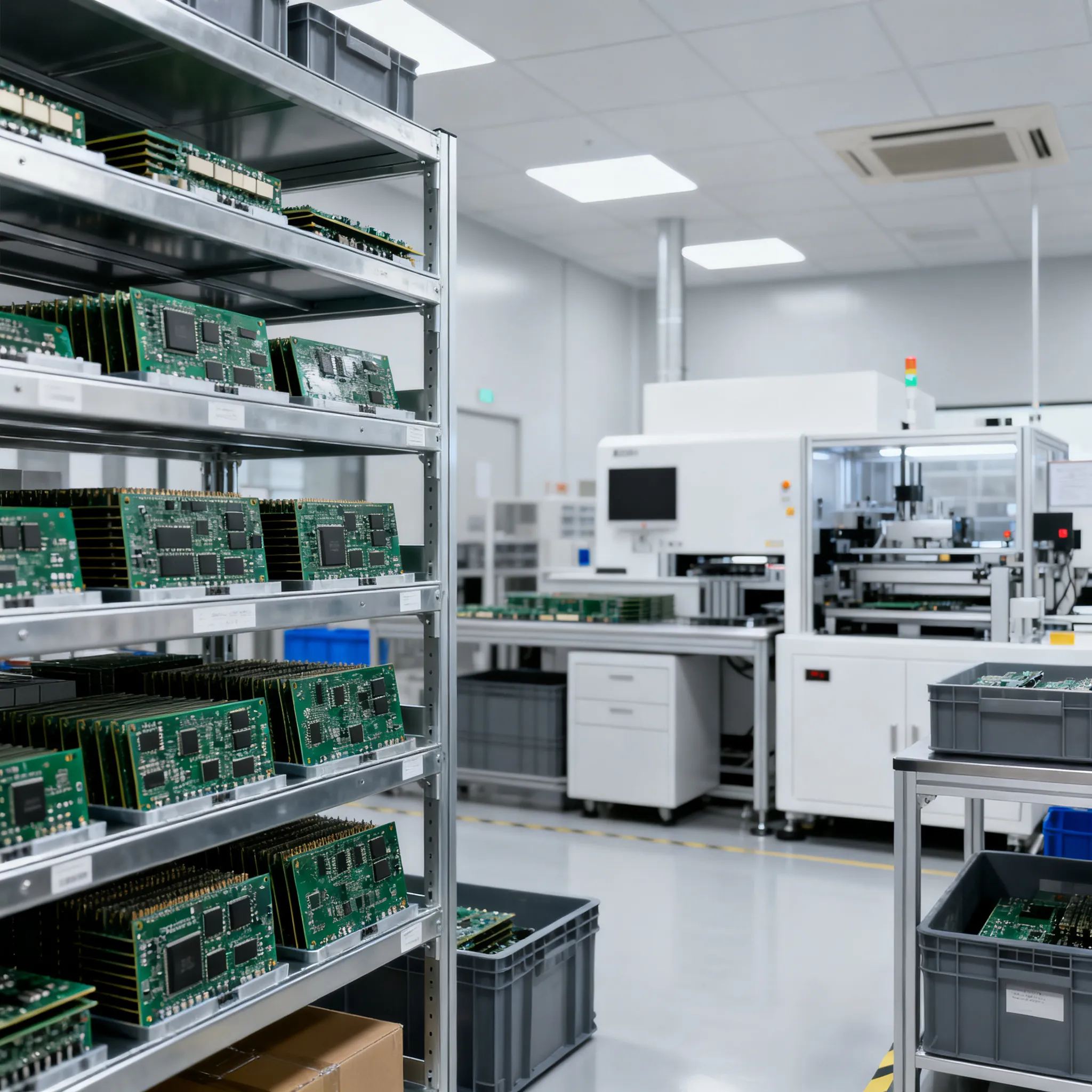
In automated PCB manufacturing, efficiency is paramount. Manufacturers use high-speed processes like wave and reflow soldering to assemble thousands of boards daily. The application of solder flux is integrated directly into these automated workflows.
- Wave Soldering: This process is common for boards with through-hole components. Before the board passes over a wave of molten solder, a sprayer applies a layer of liquid flux to the underside. This flux cleans all the component leads and pads, preparing them for a solid connection.
- Reflow Soldering: This method is standard for surface-mount devices (SMDs). It uses a thick substance called solder paste, which is a mixture of tiny solder spheres and solder flux. A machine precisely applies this paste to the PCB pads. The flux is already part of the paste, eliminating a separate application step and streamlining the soldering process.
To support these fast-paced operations, manufacturers primarily rely on two types of solder flux.
No-Clean Flux: This is the most popular choice in consumer electronics. It is designed to leave behind a minimal, non-corrosive residue. This eliminates the need for a post-soldering cleaning step, saving significant time and cost in high-volume PCB manufacturing. Its formulation offers fast wetting and reduces common soldering defects. Water-Soluble Flux: This type of flux provides excellent wetting action but leaves behind an active residue. This residue must be washed away with deionized water after soldering. While it requires an extra step, its aggressive cleaning power can be beneficial for certain applications.
The selection between these options is a critical decision in PCB manufacturing, balancing speed against the need for cleanliness.
Impact on Device Longevity
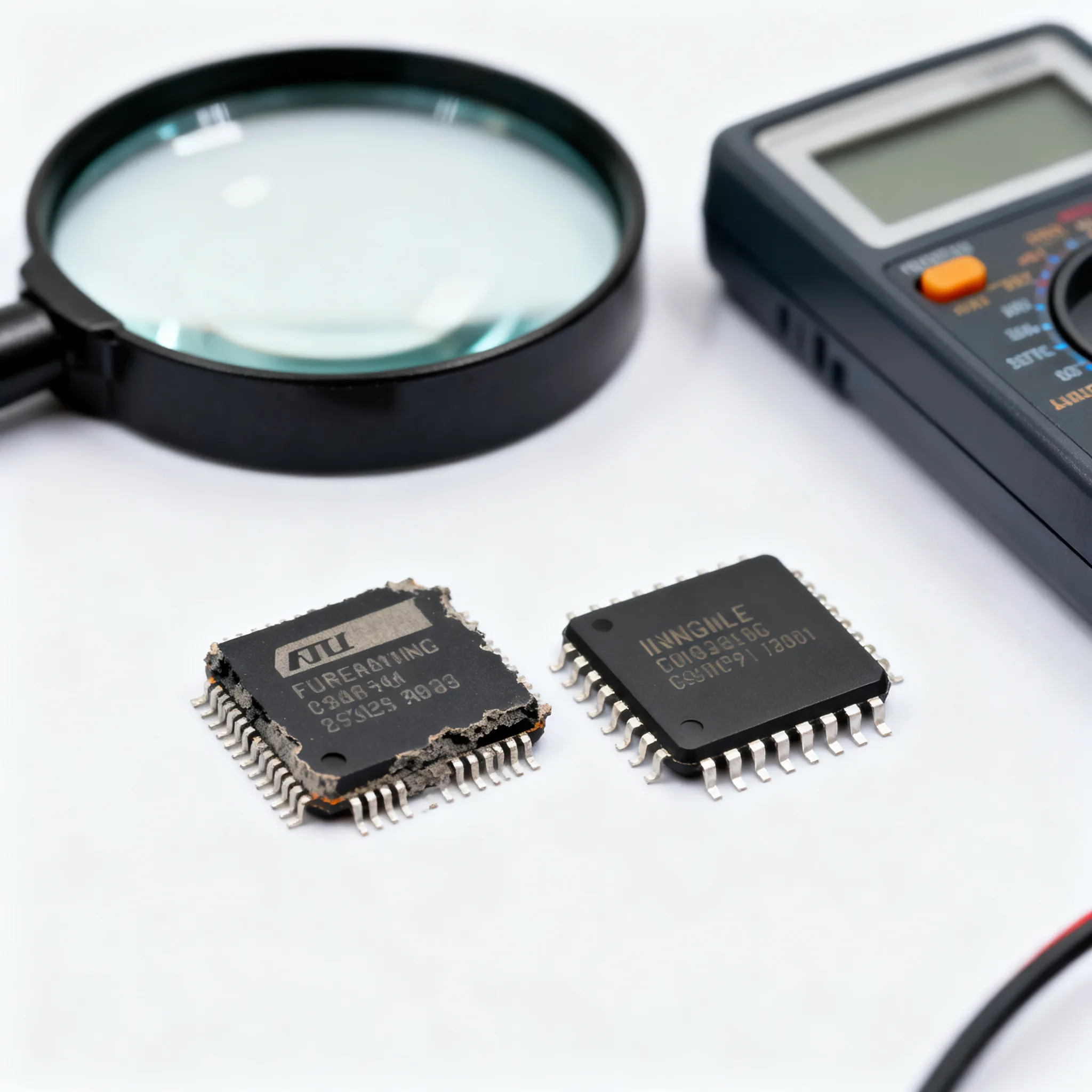
The role of solder flux does not end when the solder solidifies. The residue left behind, even from no-clean flux, can significantly impact a device's long-term performance and lifespan. This residue can act like a "chronic disease" for electronics, causing problems that only appear months or years after production.
Improperly managed flux residue leads to several critical failure modes:
- Electrochemical Migration: Ionic materials left in the flux can become conductive in humid environments. This creates tiny, unintended electrical pathways between circuits, leading to signal leakage or short circuits that cause device failure.
- Corrosion: Active ingredients in the flux can slowly corrode copper traces and weaken solder joints over time. This corrosion increases electrical resistance and can eventually cause an open circuit, rendering the device useless.
- Signal Degradation: On a microscopic level, resin-based residues can lower the insulation properties of the board surface. This is especially problematic for high-frequency signals, where it can cause signal loss and crosstalk between adjacent lines.
Ultimately, the long-term quality of a consumer electronic device depends on controlling these invisible threats. A perfect-looking solder joint can still fail prematurely if corrosive flux residue is present. Therefore, careful selection of solder flux and adherence to proper soldering and cleaning protocols are essential for building products that last.
Flux in Industrial Electronics
When moving from consumer gadgets to industrial, automotive, and aerospace systems, the rules for soldering change dramatically. In these sectors, electronic failure can have catastrophic consequences, risking financial assets, missions, and human lives. The solder flux used in this high-stakes environment is chosen not for speed, but for absolute reliability. The entire PCB manufacturing process is built around ensuring every single solder joint is perfect and will last for decades in harsh conditions.
Requirements for High-Reliability Systems
High-reliability systems demand a more robust approach to flux soldering. These applications often involve metals that are more difficult to solder or will be exposed to extreme environments. To guarantee a strong bond, manufacturers use more aggressive types of solder flux.
Rosin Activated (RA) flux is a common choice. Formulations like Kester "44" Rosin Flux are specifically engineered for demanding electrical and aerospace applications. This type of solder flux contains activators that provide powerful cleaning action, ensuring superior wetting on a variety of metal surfaces.
The electronics industry codifies these stringent requirements through a set of standards.
- IPC-A-610 Class 3 is the designation for high-reliability electronics. This standard applies to systems where failure is not an option, such as life support equipment, anti-lock braking systems, and flight controls.
- J-STD-001 dictates the materials and processes for creating these Class 3 assemblies. It emphasizes strict process control to achieve the highest level of quality.
Companies operating in this space, such as HiSilicon-designated solutions partners like Nova Technology Company (HK) Limited, must adhere to these Class 3 standards. Their PCB manufacturing processes are designed to produce electronics with near-zero defects, where the long-term performance of the solder is paramount.
The Mandate for Post-Solder Cleaning
A direct consequence of using aggressive solder flux is the absolute necessity of post-solder cleaning. While a no-clean flux is acceptable for a TV remote, the active residues from an RA or water-soluble flux are a major liability in a high-reliability system. If left on the board, these residues can cause severe problems over time.
The cost of preventing these failures is always lower than the cost of a field failure. For this reason, cleaning is not optional; it is a mandated step in the PCB manufacturing process for Class 3 electronics. Even residues from "no-clean" flux are often removed, as they can attract dust or moisture, potentially leading to electrical shorts in high-density circuits. A completely clean board is also essential for subsequent steps like applying a conformal coating, which protects the electronics from moisture and vibration.
Several methods exist to remove corrosive flux residues after soldering:
- Manual Cleaning: Technicians use specialized solvents like isopropyl alcohol (IPA) with soft brushes and lint-free wipes.
- Ultrasonic Cleaning: High-frequency sound waves create tiny bubbles in a cleaning solution to dislodge flux from tight spaces, such as under components.
- Automated Systems: For high-volume production, boards are passed through machines that spray or immerse them in cleaning fluids, followed by rinsing and drying cycles.
The choice of cleaning agent is critical. Water-soluble flux must be washed away with deionized water, while rosin-based flux requires a specific solvent. This meticulous cleaning ensures the final product is free of any contaminants that could compromise its long-term quality and reliability.
Automotive vs. Aerospace Applications
Even within the world of high-reliability electronics, the specific application dictates the soldering requirements. A car's engine control unit (ECU) and a satellite's communication board are both Class 3 devices, but they face vastly different challenges. The choice of solder flux and the overall soldering strategy must account for these unique operational environments.
| Feature | Automotive ECU | Satellite Circuitry |
|---|---|---|
| Thermal Stress | Experiences frequent and extreme temperature cycles, from a cold start in winter (-40°C) to high engine heat (125°C). | Faces intense heat and vibration during launch, followed by extreme temperature swings in orbit as it moves between sunlight and shadow. |
| Vibration | Endures constant, high-frequency vibration from the engine and road surfaces. Solder joints must resist mechanical fatigue. | Experiences severe vibration during launch but operates in a zero-gravity, vibration-free environment once in orbit. |
| Lifespan & Repair | Designed for a lifespan of 10-15 years. Repair or replacement is possible, though costly. | Must operate flawlessly for 20+ years with zero possibility of repair. Reliability is the absolute top priority. |
| Flux & Solder Focus | The solder flux and solder alloy are chosen to create joints that are highly resistant to thermal and mechanical fatigue. | The solder flux must ensure a perfect, void-free solder joint. The focus is on ultimate chemical purity and long-term stability against radiation and vacuum. |
This comparison shows that while both applications demand high quality, the specific threats they face shape the engineering decisions. For an automotive part, the solder must withstand a life of constant shaking and temperature swings. For a satellite, the solder must be perfect from the start, as there are no second chances. In both cases, the right solder flux is the starting point for achieving that mission-critical reliability.
Choosing the Right Solder Flux
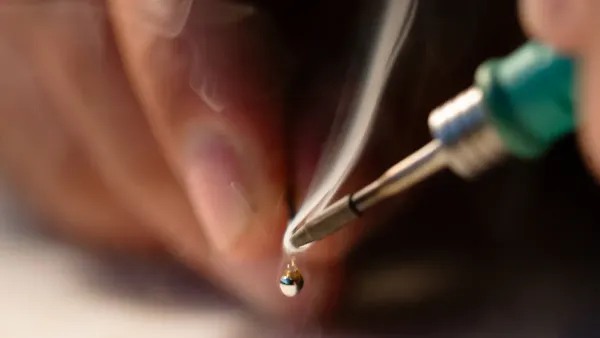
Selecting the correct solder flux is a critical decision in any soldering project. The choice depends on several factors, including the type of metal, the level of surface oxidation, and the project's cleaning requirements. Understanding the main categories of solder flux helps engineers and technicians make the right call for both performance and reliability. Following the best practices for using solder flux ensures a successful solder joint every time.
Rosin-Based Fluxes
Rosin-based fluxes are a traditional and trusted option in electronics. Derived from pine tree resin, their primary component is abietic acid. These fluxes are categorized by their activity level, which is determined by the addition of chemical activators.
- Rosin (R): This is pure rosin dissolved in a solvent. It is the mildest form and suitable for clean, easily solderable surfaces.
- Rosin Mildly Activated (RMA): This flux contains a small amount of activator, making it effective for most standard soldering tasks without being overly aggressive.
- Rosin Activated (RA): This is the most active type, containing stronger activators to clean heavily oxidized surfaces. It ensures a strong solder bond in demanding applications.
While effective, the residue from activated rosin flux can be corrosive. This makes post-soldering cleaning a mandatory step, especially in high-reliability applications, to prevent long-term damage to the solder joint.
No-Clean Fluxes
No-clean fluxes are the standard for high-volume consumer electronics manufacturing. This type of solder flux is designed to leave behind a minimal, non-corrosive, and non-conductive residue. This feature eliminates the need for a cleaning step, saving time and money.
The main benefit is process efficiency. However, the "no-clean" label can be misleading. While the residue is generally benign, it can sometimes be slightly sticky and attract dust.
IPC standards state that no-clean residue is acceptable unless it interferes with visual inspection or electrical testing. For high-frequency circuits or applications requiring a conformal coating, manufacturers often clean the boards anyway to ensure maximum reliability. The choice of this flux is a balance between manufacturing speed and the long-term performance requirements of the solder.
Water-Soluble Fluxes
Water-soluble fluxes, also known as organic acid (OA) fluxes, offer very high activity levels. They provide excellent cleaning power and promote superior solder wetting, making them ideal for difficult soldering jobs. This powerful solder flux ensures a very clean surface for the solder to bond with.
The key characteristic of this flux is its residue. It is highly corrosive and conductive, meaning it absolutely must be removed after soldering. Fortunately, the residue is easily cleaned away with deionized water. This cleaning process is critical; leaving any residue behind will lead to rapid corrosion and certain device failure. Due to their aggressive nature and mandatory cleaning step, water-soluble fluxes are typically used in controlled industrial environments where high-performance soldering is essential.
Solder flux is not an optional accessory for soldering. It is a fundamental chemical tool. This flux ensures every solder joint is strong. The goal of flux soldering is always a perfect solder connection. However, the choice of flux and subsequent cleaning depends on the application. The evolution of this flux chemistry enabled the miniaturized solder work in consumer goods. High-stakes industrial systems demand a different approach to soldering to ensure the solder is reliable. The future of soldering depends on the simple, powerful chemistry of the right flux.
FAQ
Can one solder without flux?
No, soldering without flux is not recommended. Flux cleans metal oxides from the surface. Without this cleaning action, the solder cannot form a strong, reliable metallurgical bond. The joint will be weak and prone to failure.
What happens if flux residue is not cleaned?
Leaving active flux residue on a circuit board can cause serious problems. The residue can lead to corrosion, electrical shorts, and signal degradation over time. This compromises the long-term reliability and lifespan of the electronic device.
Is more flux always better?
Using excessive flux is not beneficial. While enough flux is necessary, too much can leave heavy residue that is difficult to clean. This residue can hide defects and trap contaminants, potentially causing future failures.
Tip: Apply just enough flux to cover the joint area. A thin, even coating is all that is needed for a successful solder connection. 👍
Can one use plumbing flux for electronics?
Absolutely not. Plumbing flux is highly acidic and designed for copper pipes. Its aggressive chemistry will destroy delicate electronic components and circuit board traces. One must always use a flux specifically formulated for electronics soldering.